Selecting the optimal dietary regimen to facilitate canine weight management involves careful consideration of several nutritional factors. The ideal food formulation will promote satiety while minimizing caloric intake, thereby encouraging the utilization of stored fat reserves. Key characteristics to assess include protein content, fiber levels, and the overall macronutrient ratio. For instance, a food with a higher protein percentage can assist in maintaining muscle mass during the weight reduction process, while increased fiber helps the animal feel full on fewer calories.
Achieving and maintaining a healthy weight is crucial for a dog’s overall well-being, contributing to improved joint health, cardiovascular function, and increased lifespan. Historically, addressing canine obesity often involved simply reducing the quantity of standard food. However, this approach can lead to nutrient deficiencies and a perpetually hungry animal. Modern understanding emphasizes the importance of specially formulated diets that deliver essential nutrients while promoting healthy weight loss.
The following sections will delve into specific components to seek in food intended for weight control, examining the roles of ingredients, portion control strategies, and the significance of veterinary guidance in developing a tailored and effective plan. We will explore ingredient considerations, feeding strategies, and the necessity of veterinary consultations for customized programs.
Dietary Guidelines for Canine Weight Management
The following guidelines offer a structured approach to selecting and implementing a dietary strategy aimed at facilitating healthy weight reduction in overweight or obese dogs. Adherence to these principles, ideally under veterinary supervision, can improve the likelihood of successful and sustainable weight control.
Tip 1: Prioritize High-Protein Content: Diets rich in protein help maintain muscle mass during weight loss. Look for food formulations where protein is listed as one of the primary ingredients, ideally from identifiable sources such as chicken, turkey, or fish. A higher protein content also promotes satiety, helping to reduce overall caloric intake.
Tip 2: Increase Fiber Intake: Fiber adds bulk to the diet without contributing significant calories. This promotes a feeling of fullness, minimizing hunger pangs. Suitable fiber sources include beet pulp, cellulose, and psyllium husk. Check the ingredient list for these additions.
Tip 3: Carefully Monitor Calorie Density: Pay close attention to the caloric content per cup or serving, as specified on the food packaging. Calculate the appropriate daily caloric intake based on the dog’s ideal body weight, not its current weight. Consult with a veterinarian to determine the ideal daily caloric needs.
Tip 4: Employ Precise Portion Control: Measure food portions accurately using a kitchen scale or measuring cup. Avoid free-feeding, as this often leads to overconsumption. Divide the daily food allowance into multiple smaller meals to help regulate blood sugar levels and reduce hunger.
Tip 5: Limit Treats and Table Scraps: Treats and table scraps can contribute significant calories to the diet. Opt for low-calorie, healthy treats in moderation, such as vegetables or air-popped popcorn (unsalted, unbuttered). Completely eliminate table scraps, as they are often high in fat and calories.
Tip 6: Choose Foods Formulated for Weight Management: Consider options specifically designed for weight loss or weight management. These diets are often lower in fat and calories, and higher in fiber and protein, compared to standard adult dog food formulations. Look for the AAFCO statement of nutritional adequacy to confirm nutritional completeness.
Tip 7: Implement Gradual Dietary Changes: When transitioning to a new food, gradually mix it with the current food over a period of 5-7 days. This helps minimize digestive upset. Start with a small proportion of the new food and gradually increase the ratio over time.
These guidelines emphasize the importance of informed decision-making and responsible implementation in canine weight management. By prioritizing protein, fiber, and precise portion control, a sustainable and effective dietary strategy can be developed.
The subsequent section will address the crucial role of exercise in conjunction with dietary modifications, highlighting the synergistic benefits of a comprehensive weight loss program.
1. Calorie Restriction

Calorie restriction forms the cornerstone of any successful weight loss strategy for dogs. It necessitates creating an energy deficit, meaning the dog consumes fewer calories than it expends. The selection of an appropriate food formulation is directly influenced by the need to facilitate this caloric deficit in a healthy and sustainable manner.
- Calculating Daily Calorie Needs
Determining the precise daily caloric requirement is essential for effective calorie restriction. This calculation is based on the dog’s ideal body weight, activity level, and metabolic rate. Veterinarians can provide personalized recommendations, using established formulas to estimate these needs. Simply reducing the portion size of existing food may lead to nutrient deficiencies; therefore, a calorie-controlled diet is paramount.
- Choosing Low-Calorie Food Options
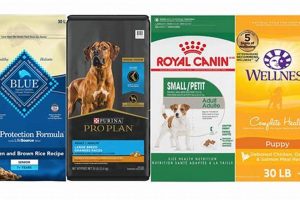
Many commercially available dog food options are specifically formulated for weight management. These diets typically have a lower calorie density compared to standard adult maintenance foods. This allows for feeding a larger volume of food, promoting satiety, while still maintaining a calorie deficit. Careful comparison of nutritional labels is crucial to identify the most suitable option.
- The Impact on Metabolic Rate
Chronic calorie restriction can potentially affect a dog’s metabolic rate. The body may adapt to lower calorie intake by reducing energy expenditure. To mitigate this effect, gradual reductions in calorie intake are recommended, along with incorporating regular exercise to maintain muscle mass and boost metabolism. Veterinary monitoring is advisable to assess the dog’s response to the diet and adjust the strategy accordingly.
- Avoiding Nutritional Deficiencies
While calorie restriction is essential, it must not compromise the dog’s nutritional needs. Selecting a balanced, complete diet formulated for weight loss helps ensure that the dog receives all necessary vitamins, minerals, and essential nutrients, even while consuming fewer calories. The AAFCO statement of nutritional adequacy on the food label is an important indicator of a nutritionally complete diet.
In summary, effective calorie restriction is not solely about reducing food quantity. It’s about selecting a nutritionally balanced dietary option and precisely controlling portion sizes to create a sustained calorie deficit, ultimately contributing to healthy and sustainable weight loss when considering the best canine dietary approach.
2. Increased Fiber

Increased fiber plays a significant role in canine weight management by influencing satiety, caloric intake, and digestive health. When incorporated into dietary formulations intended for weight loss, fiber acts as a bulking agent in the stomach, creating a sensation of fullness that can help reduce overall food consumption. This is particularly relevant when aiming to decrease caloric intake without leaving the animal feeling perpetually hungry. The selection of a high-fiber food can, therefore, be a vital component of achieving a successful weight reduction program. For instance, dogs consuming diets with added beet pulp or cellulose tend to exhibit reduced begging behavior and a slower eating pace, indicating increased satiety.
The inclusion of fiber also affects the rate of digestion and nutrient absorption. By slowing down the digestive process, fiber can help regulate blood sugar levels, preventing spikes and crashes that can contribute to hunger and overeating. Certain types of fiber, such as soluble fiber, can also bind to bile acids in the digestive tract, promoting their excretion and potentially lowering cholesterol levels. However, it is crucial to note that excessive fiber intake can lead to digestive upset, including gas and diarrhea. Therefore, a balanced approach is necessary, and the specific type and amount of fiber should be carefully considered based on the individual dog’s needs and tolerance.
In conclusion, the strategic use of increased fiber is an integral aspect in canine weight loss diets. Its ability to promote satiety, regulate digestion, and influence nutrient absorption makes it a valuable tool for managing caloric intake and supporting healthy weight reduction. However, careful consideration must be given to the type and amount of fiber used, as well as individual tolerance, to avoid potential digestive issues. The overall goal is to create a dietary formulation that facilitates sustainable weight loss while maintaining optimal digestive health and overall well-being.
3. Lean Protein
The inclusion of lean protein in dietary formulations is a critical component in the development of effective weight management strategies for canines. It plays a pivotal role in preserving muscle mass, enhancing satiety, and supporting overall metabolic function during periods of calorie restriction, which is a central tenet of any weight loss program.
- Muscle Mass Preservation
During weight loss, both fat and muscle tissue are typically lost. Lean protein helps mitigate muscle loss by providing the necessary amino acids for muscle protein synthesis. Maintaining muscle mass is crucial because muscle tissue is metabolically active, contributing to a higher resting metabolic rate. A higher metabolic rate aids in burning more calories, even at rest, thus facilitating continued weight loss. Sources of lean protein include chicken, turkey, fish, and lean cuts of beef. Choosing foods with identifiable protein sources as primary ingredients is essential.
- Enhanced Satiety and Reduced Hunger
Protein is known to be more satiating than carbohydrates or fats. Diets rich in lean protein can help reduce hunger and cravings, making it easier for dogs to adhere to a calorie-restricted diet. The increased satiety results from the slower digestion of protein and its effect on appetite-regulating hormones. By promoting a feeling of fullness, lean protein reduces the likelihood of overeating or seeking additional snacks, thus supporting weight loss efforts.
- Thermic Effect of Food (TEF)
The thermic effect of food refers to the energy expenditure associated with digesting, absorbing, and metabolizing nutrients. Protein has a higher TEF compared to carbohydrates and fats. This means that the body burns more calories digesting protein than it does digesting other macronutrients. Including lean protein in the diet can slightly increase the overall calorie expenditure, further contributing to weight loss.
- Metabolic Support and Blood Sugar Regulation
Lean protein contributes to the maintenance of stable blood sugar levels. Unlike carbohydrates, protein has a minimal impact on blood sugar spikes and crashes. Stable blood sugar levels are important for preventing energy fluctuations and controlling appetite. In addition, adequate protein intake supports various metabolic processes, ensuring that the body functions efficiently during weight loss. Protein is essential for enzyme production, hormone synthesis, and immune function, all of which are vital for overall health and well-being.
In conclusion, the strategic incorporation of lean protein into canine weight management diets is essential for preserving muscle mass, promoting satiety, enhancing thermogenesis, and supporting overall metabolic function. The benefits of lean protein make it an indispensable component, ensuring that the weight loss process is not only effective but also promotes the dog’s health and vitality.
4. Fat Limitation
The restriction of dietary fat is a crucial consideration in the formulation of canine weight loss diets. Given its high caloric density, fat contributes significantly to overall energy intake. Therefore, reducing fat content is a primary strategy in creating a caloric deficit, essential for effective weight reduction. Lower-fat formulations aim to promote the mobilization and utilization of stored fat reserves while minimizing the intake of excess calories.
- Caloric Density and Energy Balance
Fat provides approximately 9 calories per gram, more than twice the caloric value of carbohydrates or protein. By limiting fat content in the diet, the overall caloric density is reduced, allowing for larger portion sizes without exceeding the dog’s daily caloric needs. This supports satiety and reduces feelings of deprivation. Commercial weight management diets typically contain significantly lower fat percentages compared to standard adult maintenance diets. For example, a standard diet might contain 15-20% fat on a dry matter basis, while a weight management diet might range from 6-10%.
- Impact on Palatability and Satiety
While reducing fat is essential for weight loss, it can impact palatability. Fat contributes significantly to the taste and texture of food, making it more appealing to dogs. To compensate for reduced fat content, manufacturers often enhance flavor using other ingredients, such as hydrolyzed proteins or palatable fiber sources. It is crucial to strike a balance between fat restriction and maintaining adequate palatability to ensure the dog consumes the diet willingly. Additionally, the inclusion of fiber can help promote satiety, mitigating the potential reduction in palatability associated with lower fat levels.
- Essential Fatty Acid Requirements
Complete fat restriction is not advisable due to the requirement for essential fatty acids (EFAs), such as omega-3 and omega-6 fatty acids. EFAs are crucial for maintaining skin and coat health, supporting immune function, and regulating inflammation. Weight management diets should be formulated to provide adequate levels of EFAs while remaining low in overall fat content. Sources of EFAs include fish oil, flaxseed oil, and sunflower oil. The AAFCO guidelines provide minimum EFA requirements for canine diets.
- Influence on Nutrient Absorption
Fat plays a role in the absorption of fat-soluble vitamins (A, D, E, and K). Severely restricting dietary fat can potentially impair the absorption of these vitamins. Therefore, weight management diets should be carefully formulated to ensure adequate levels of fat-soluble vitamins are present. Supplementation may be necessary in some cases, particularly if the diet is extremely low in fat. Veterinary monitoring is advisable to assess vitamin levels and address any potential deficiencies.
In summary, while limiting fat is a fundamental strategy in canine weight management, it requires a balanced approach. The goal is to create a caloric deficit by reducing fat intake while maintaining palatability, meeting essential fatty acid requirements, and ensuring adequate absorption of fat-soluble vitamins. Veterinary guidance is beneficial to tailor the dietary plan to the individual dog’s needs and monitor for any potential adverse effects associated with fat restriction when choosing “what is the best dog food for weight loss”.
5. L-Carnitine

L-Carnitine, a naturally occurring amino acid derivative, plays a crucial role in fatty acid metabolism, influencing the efficacy of canine weight loss programs. Specifically, it facilitates the transport of long-chain fatty acids into the mitochondria, the cellular power plants, where they undergo beta-oxidation to generate energy. In the context of dietary interventions, its inclusion in formulations designed for weight reduction aims to enhance the utilization of stored fat reserves, thereby promoting a leaner body composition. The presence of L-Carnitine does not, by itself, guarantee weight loss; rather, it functions as a supportive element, optimizing the metabolic processes inherent in a calorie-controlled environment. For instance, studies indicate that supplemented with L-Carnitine and subjected to a controlled caloric restriction, overweight dogs exhibit a greater reduction in body fat percentage compared to counterparts receiving only caloric restriction. This exemplifies its importance as a component of certain effective weight management strategies.
The practical significance of understanding L-Carnitine’s role lies in its potential to improve the overall success and sustainability of canine weight loss. By optimizing fat metabolism, it may help to preserve lean muscle mass during periods of caloric deficit, a crucial factor in maintaining a healthy metabolic rate and preventing rebound weight gain. Furthermore, some evidence suggests that L-Carnitine supplementation can mitigate the adverse effects of rapid weight loss, such as fatigue and reduced exercise tolerance. The specific dosage of L-Carnitine within a dietary formulation is also a key consideration. Excessively high doses are unlikely to provide additional benefits and may, in certain cases, lead to gastrointestinal disturbances. Therefore, appropriate inclusion levels should be determined based on veterinary consultation and adherence to established guidelines.
In summary, L-Carnitine serves as a valuable adjunct in canine weight management, enhancing fat utilization and supporting lean muscle mass retention during calorie restriction. While not a standalone solution, its inclusion in specialized weight loss diets contributes to a more efficient and sustainable reduction in body fat. Challenges remain in fully elucidating the optimal dosage and individual responses to L-Carnitine supplementation, underscoring the importance of personalized veterinary guidance when selecting a dietary plan for overweight dogs. Its role is not about magic solutions; it’s about facilitating fat metabolism which contributes to the best canine weight management diet.
6. AAFCO Standards

The Association of American Feed Control Officials (AAFCO) establishes nutritional standards for pet food, serving as a crucial benchmark when evaluating dietary options for canine weight management. These standards ensure that a food provides complete and balanced nutrition, a factor of paramount importance even when the objective is weight loss. A diet deficient in essential nutrients, despite promoting weight reduction, can compromise a dog’s overall health, leading to various health problems. AAFCO standards dictate minimum and, in some cases, maximum levels for nutrients such as protein, fat, vitamins, and minerals, ensuring that the food provides adequate nutritional support during the weight loss process.
The AAFCO statement of nutritional adequacy on a dog food label is a vital indicator of compliance. This statement confirms that the food has been either formulated to meet AAFCO’s nutrient profiles or substantiated by feeding trials conducted according to AAFCO procedures. A diet specifically formulated for weight management, adhering to AAFCO standards, balances caloric restriction with nutritional completeness. For instance, such a diet will contain adequate protein to support muscle mass preservation during weight loss, alongside sufficient fiber to promote satiety, all while limiting overall caloric intake. An example of a practical application lies in comparing two weight management diets: one with an AAFCO statement and one without. The former assures the consumer that the product meets recognized nutritional requirements, whereas the latter provides no such guarantee. Prioritizing diets with an AAFCO statement mitigates the risk of nutritional deficiencies during a weight loss program.
In conclusion, AAFCO standards are an indispensable consideration when selecting a diet for canine weight management. They provide assurance that the food offers complete and balanced nutrition, preventing deficiencies that can arise from caloric restriction. The AAFCO statement on the label serves as a reliable indicator of compliance, empowering owners to make informed decisions. However, while adherence to AAFCO standards is essential, it should be complemented by veterinary guidance to tailor the weight loss plan to the individual dog’s needs and health status. The interrelationship between “AAFCO Standards” and “what is the best dog food for weight loss” is that the former informs a crucial subset for making a proper assessment of the latter.
7. Veterinary Approval
Veterinary approval constitutes a cornerstone in the process of selecting an optimal dietary regimen for canine weight loss. It ensures the chosen food and weight management strategy align with the individual dog’s specific health profile and needs, maximizing the likelihood of success and minimizing potential adverse effects. Professional oversight provides a layer of assurance and personalization that is difficult to replicate through independent research or generic recommendations.
- Personalized Health Assessment
A veterinarian conducts a thorough assessment of the dog’s overall health, considering factors such as age, breed, pre-existing medical conditions (e.g., diabetes, kidney disease, hypothyroidism), and current medications. This assessment identifies potential contraindications or special considerations relevant to the weight loss program. For example, a dog with kidney disease requires a diet that is carefully balanced in terms of protein and phosphorus, irrespective of the need for weight reduction. Veterinary input ensures that the selected food meets these specific requirements while still promoting weight loss.
- Accurate Calorie Calculation and Monitoring
Determining the appropriate daily caloric intake for weight loss requires precise calculations based on ideal body weight, activity level, and metabolic rate. Veterinarians possess the expertise to perform these calculations accurately, taking into account individual variations and adjusting the plan as needed based on the dog’s response. Regular weigh-ins and body condition scoring, guided by a veterinarian, allow for monitoring progress and making necessary adjustments to the diet or exercise regimen. This iterative approach optimizes weight loss while preventing rapid or unhealthy weight reduction.
- Dietary Formulation Evaluation and Recommendation
Veterinarians can evaluate the nutritional composition of various weight management diets, considering factors such as protein content, fiber levels, fat restriction, and the inclusion of beneficial additives like L-carnitine. They can assess the AAFCO statement of nutritional adequacy and interpret the ingredient list to determine the suitability of a particular food for the individual dog. Based on their evaluation, veterinarians can recommend specific brands or formulations that align with the dog’s health needs and weight loss goals. They can also provide guidance on appropriate portion sizes and feeding schedules.
- Managing Potential Complications and Adverse Effects
Weight loss can sometimes be associated with potential complications, such as muscle loss, nutrient deficiencies, or digestive upset. Veterinary supervision allows for early detection and management of these issues. For instance, if a dog experiences significant muscle loss during weight reduction, the veterinarian may recommend increasing protein intake or adjusting the exercise plan. Similarly, if digestive issues arise, the veterinarian can advise on dietary modifications or supportive treatments. Veterinary approval provides a safeguard against potential adverse effects, ensuring that the weight loss program is conducted safely and effectively.
In summation, integrating professional “Veterinary Approval” into canine weight management is non-negotiable. Veterinary guidance is paramount. They can identify and resolve issues before they become problematic. When searching for “what is the best dog food for weight loss” an overlooked aspect is to consider the professional consultation and monitoring, rather than the product itself, to ensure that the chosen dietary plan is tailored to the animal’s specific needs and contributes to a successful and safe weight loss journey.
Frequently Asked Questions
The following questions address common concerns and misconceptions surrounding dietary strategies for overweight dogs. The information presented aims to provide clarity and guide responsible decision-making.
Question 1: Is a ‘lite’ or ‘reduced calorie’ food always the optimal choice for weight loss?
Not necessarily. While these foods are often lower in calories, it is crucial to evaluate the macronutrient composition, particularly the protein and fiber content. A diet excessively low in protein may lead to muscle loss during weight reduction, while insufficient fiber can result in persistent hunger.
Question 2: Can increasing exercise alone effectively address canine obesity without dietary changes?
Exercise is a valuable component of a weight management plan. However, it is challenging to create a significant caloric deficit solely through increased activity, especially in severely overweight dogs. Dietary modification is typically essential for achieving meaningful weight loss.
Question 3: Are grain-free diets inherently superior for weight loss compared to grain-inclusive diets?
The absence of grains does not automatically equate to a more effective weight loss diet. The overall caloric content, protein level, and fiber content are more relevant factors. Furthermore, some grain-free diets may be higher in fat or calories than grain-inclusive options.
Question 4: Is it safe to drastically reduce a dog’s food intake to accelerate weight loss?
Rapid and drastic calorie restriction can lead to various health problems, including nutrient deficiencies, muscle loss, and metabolic disturbances. A gradual and controlled approach, under veterinary supervision, is recommended for safe and sustainable weight loss.
Question 5: Can table scraps or homemade diets effectively replace commercially available weight loss foods?
While homemade diets can be formulated for weight loss, they require careful planning and execution to ensure complete and balanced nutrition. Table scraps are generally unsuitable due to their high fat and calorie content, as well as potential toxicity from certain ingredients.
Question 6: How frequently should a dog be weighed during a weight loss program?
Regular weigh-ins are essential for monitoring progress and adjusting the dietary plan as needed. Weighing the dog every one to two weeks is generally recommended, along with regular body condition scoring, under veterinary guidance.
Choosing a suitable diet involves considering protein and fiber, AAFCO compliance, and overall nutritional integrity.
The next section explores the role of exercise in augmenting dietary interventions for canine weight management.
Determining the Optimal Canine Weight Loss Diet
This exploration has underscored that “what is the best dog food for weight loss” is not a single, universally applicable product. Instead, the selection process necessitates a careful evaluation of the food’s protein and fiber content, fat levels, and overall caloric density. Adherence to AAFCO standards is paramount to ensure nutritional completeness, and the inclusion of beneficial additives, such as L-Carnitine, can further support metabolic processes. Ultimately, veterinary guidance is indispensable in tailoring the dietary plan to the individual dog’s health status and needs.
Achieving sustainable weight loss in canines requires a comprehensive strategy encompassing both dietary modification and increased physical activity. Owners must prioritize informed decision-making, based on scientific principles and professional expertise, to safeguard their dog’s health and well-being. Continued research and advancements in veterinary nutrition promise to further refine our understanding of optimal weight management strategies, ultimately improving the lives of countless canine companions. Prioritize veterinary guidance for the animals welfare.