The practice of incorporating monosodium glutamate, or MSG, into culinary preparations is a multifaceted issue within Thai cuisine. While not traditionally part of authentic Thai cooking, its usage varies significantly depending on factors such as regional differences, specific establishments, and individual preferences. Some chefs and restaurants may utilize it to enhance savory flavors, while others avoid it entirely, prioritizing natural ingredients and traditional methods.
The decision to include MSG often stems from a desire to amplify umami notes and create a more pronounced taste profile. Historically, its adoption in some sectors of Thai food preparation reflects a broader trend of incorporating readily available flavor enhancers to cater to evolving consumer palates or to streamline cooking processes. Concerns regarding health implications and a growing demand for cleaner, more natural food options have, however, prompted many establishments to reduce or eliminate its use.
Therefore, when considering Thai food, understanding the prevalence of MSG requires examining factors such as restaurant type, preparation methods, and regional culinary practices. The following sections will delve deeper into the specific contexts where its presence is more or less common, providing insights into how to discern whether a given dish is likely to contain this additive.
The following guidance provides practical advice for individuals seeking to understand and manage the potential presence of monosodium glutamate in Thai dishes.
Tip 1: Inquire Directly. Prior to ordering, directly ask restaurant staff about the inclusion of MSG in specific dishes. This proactive approach provides the most accurate information.
Tip 2: Observe Restaurant Type. Smaller, family-run establishments may be more likely to adhere to traditional recipes, which often do not include MSG. Conversely, larger chains or those catering primarily to a Western palate may be more prone to using it.
Tip 3: Examine Menu Descriptions. Some restaurants voluntarily indicate the presence of MSG on their menus. Carefully review descriptions for terms like “flavor enhancer” or “umami-rich,” which may suggest its inclusion.
Tip 4: Recognize Regional Variations. Certain regional Thai cuisines, particularly those emphasizing fresh, locally sourced ingredients, tend to rely less on MSG. Researching the specific regional origins of dishes can provide clues.
Tip 5: Opt for Naturally Flavorful Dishes. Dishes featuring an abundance of herbs, spices, and fresh ingredients like lime, chili, and galangal often possess naturally complex flavors that may negate the need for added MSG.
Tip 6: Request Modifications. When ordering, explicitly request that dishes be prepared without MSG. While not always possible, many restaurants are willing to accommodate such requests.
Tip 7: Consider Cooking at Home. Preparing Thai food at home provides complete control over ingredients, allowing individuals to avoid MSG entirely and experiment with authentic flavors.
Employing these strategies enables a more informed and nuanced engagement with Thai cuisine, allowing individuals to make choices aligned with their dietary preferences.
Ultimately, awareness and proactive communication are essential tools in navigating the use of MSG in Thai food and making informed decisions.
1. Restaurant Variation

Restaurant variation significantly influences the likelihood of monosodium glutamate being present in Thai food. The type of establishment, its target clientele, and its commitment to traditional cooking methods are key determinants. High-volume restaurants or those catering to a Westernized palate may be more inclined to incorporate MSG to enhance flavors quickly and efficiently. This is often driven by cost considerations and the desire to create a consistent, palatable product that appeals to a broad customer base, potentially sacrificing authenticity for convenience.
Conversely, smaller, family-owned Thai restaurants, particularly those emphasizing regional specialties or claiming adherence to traditional recipes, are often less likely to utilize MSG. These establishments frequently prioritize fresh, locally sourced ingredients and time-honored cooking techniques, relying on natural flavors to achieve desired taste profiles. Furthermore, they may cater to a clientele that specifically seeks authentic Thai cuisine, making the omission of MSG a selling point and a reflection of their commitment to quality. For instance, a restaurant specializing in Isan cuisine, known for its bold and complex flavors derived from herbs and fermented ingredients, might find the addition of MSG unnecessary or even detrimental to the dish’s intended taste.
Understanding restaurant variation is crucial for individuals seeking to control their MSG intake when dining on Thai food. Inquiring about ingredients and preparation methods, observing the establishment’s overall approach to cuisine, and opting for restaurants that prioritize authenticity can significantly reduce the likelihood of encountering MSG. Ultimately, recognizing that “does Thai food use msg” is contingent upon restaurant-specific practices is essential for informed decision-making.
2. Regional Influences

Regional culinary traditions in Thailand exert a significant influence on the prevalence of monosodium glutamate in food preparation. Certain regions, particularly those known for their sophisticated use of herbs, spices, and fermented ingredients, tend to rely less on MSG as a flavor enhancer. The northern and northeastern regions, for example, boast cuisines characterized by complex flavor profiles derived from naturally occurring sources, diminishing the perceived need for artificial enhancement. Conversely, regions where culinary practices have been more significantly impacted by external influences or where emphasis is placed on mass appeal may exhibit a higher incidence of MSG usage. The proximity to international trade routes or tourist destinations can contribute to this phenomenon.
The correlation between regional culinary philosophy and MSG usage is further exemplified by comparing central Thai cuisine to that of the southern regions. Central Thai cooking, often perceived as more refined and accessible to a wider audience, might employ MSG to achieve a consistent flavor profile across various dishes. Meanwhile, southern Thai cuisine, known for its intense spiciness and reliance on seafood, may utilize MSG to complement or balance the other strong flavors. The availability of specific ingredients also plays a role; regions with abundant access to fresh produce and seafood may prioritize these natural components over artificial flavor enhancers. The presence of historical culinary techniques, passed down through generations, further reinforces the inclination towards natural flavors in certain regions, resisting the adoption of MSG.
In summary, regional influences represent a critical determinant in understanding the prevalence of MSG in Thai food. The interplay between tradition, ingredient availability, external influences, and culinary philosophy shapes the approach to flavor enhancement across different regions of Thailand. Recognizing these regional distinctions allows for a more informed assessment of whether a given Thai dish is likely to contain monosodium glutamate, empowering consumers to make choices aligned with their dietary preferences and appreciation for authentic Thai flavors.
3. Flavor Enhancement

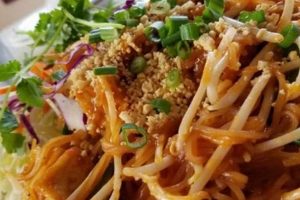
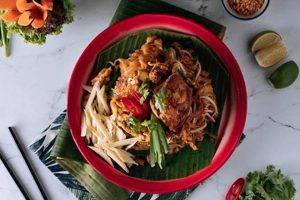
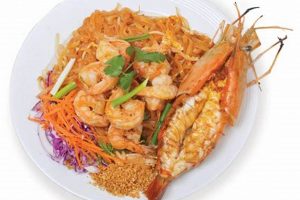
Flavor enhancement represents a primary motivation for incorporating monosodium glutamate into Thai food. MSG, a sodium salt of glutamic acid, enhances savory qualities by stimulating glutamate receptors on the tongue, thereby intensifying umami, one of the five basic tastes. Its utilization in Thai cuisine, where employed, stems from a desire to amplify the inherent flavors of ingredients or to compensate for perceived deficiencies in taste profiles resulting from cost-effective ingredient substitutions. For instance, in a pad Thai dish, MSG might be added to heighten the savory notes of the tamarind sauce and fish sauce, creating a more pronounced and appealing taste sensation. This practice, however, does not align with authentic Thai cooking methods, which traditionally rely on a careful balance of fresh herbs, spices, and high-quality ingredients to achieve complex flavor profiles. The importance of flavor enhancement as a component of “does thai food use msg” lies in the consumer’s expectation for a certain level of taste intensity, which some establishments attempt to meet through the addition of MSG.
The application of MSG for flavor enhancement extends beyond simple taste amplification. It can be used strategically to mask less desirable flavors or to create a more harmonious blend of disparate ingredients. For example, in massaman curry, MSG might be used to balance the sweetness of coconut milk with the spiciness of chili peppers and the savory notes of meat. However, the use of MSG introduces potential drawbacks. While generally recognized as safe by regulatory bodies, some individuals report adverse reactions, such as headaches or flushing. Additionally, over-reliance on MSG can detract from the natural flavors of the dish, creating a homogenized taste experience that lacks the nuances of authentic Thai cuisine. From a practical standpoint, understanding the link between MSG and flavor enhancement allows consumers to make informed choices about their dietary preferences and to seek out establishments that prioritize natural flavorings over artificial additives.
In conclusion, the connection between flavor enhancement and the question of “does thai food use msg” is multifaceted. While MSG can effectively amplify savory qualities and create a more intense taste experience, its usage represents a departure from traditional Thai cooking principles and raises concerns regarding potential health effects and the masking of authentic flavors. Consumers seeking to minimize their MSG intake should prioritize restaurants that emphasize fresh ingredients, traditional cooking methods, and transparent ingredient labeling. Addressing the challenge of MSG usage requires a collective effort from both restaurants and consumers to promote healthier and more authentic culinary practices.
4. Health considerations

The examination of health considerations is pivotal in assessing the practice of using monosodium glutamate in Thai food. While regulatory bodies generally recognize MSG as safe for consumption at typical levels, a segment of the population experiences adverse reactions, necessitating careful evaluation of its presence.
- Reported Sensitivities
Some individuals report symptoms such as headaches, flushing, sweating, and nausea following MSG consumption, a collection of symptoms sometimes referred to as “MSG symptom complex.” The scientific basis for these sensitivities remains a subject of ongoing research, with studies yielding inconsistent results regarding causality. Regardless of definitive proof, the potential for these adverse reactions necessitates awareness and informed choices for susceptible individuals, prompting scrutiny of food labels and restaurant practices in the context of “does thai food use msg.”
- Sodium Content
MSG is a sodium salt, and its inclusion in food contributes to overall sodium intake. Excessive sodium consumption is associated with increased risk of hypertension, cardiovascular disease, and other health complications. In populations already consuming high-sodium diets, the additional sodium from MSG can exacerbate these risks. Monitoring sodium content is particularly relevant in the context of processed foods and restaurant meals, where MSG is frequently used to enhance flavor. This element of sodium awareness influences the analysis of “does thai food use msg,” encouraging dietary moderation.
- Excitotoxicity Concerns
Some research has suggested that high levels of glutamate, the primary component of MSG, can act as an excitotoxin, potentially damaging nerve cells. This concern has primarily been investigated in animal studies, and the relevance to human health at typical dietary exposure levels is debated. Nevertheless, these findings contribute to ongoing discussions about the potential long-term neurological effects of MSG consumption, warranting further research and prudent evaluation when considering “does thai food use msg” in dietary choices.
- Labeling Regulations and Transparency
In many jurisdictions, food labeling regulations mandate the disclosure of MSG as an ingredient. However, these regulations may not always extend to restaurant preparations, making it difficult for consumers to determine whether MSG is present in Thai dishes. This lack of transparency necessitates direct communication with restaurant staff to ascertain ingredient information and make informed dietary decisions. Enhanced labeling practices would contribute to greater consumer awareness and facilitate more effective management of MSG intake, directly addressing the question of “does thai food use msg” in dining experiences.
These health considerations highlight the complexity surrounding the use of MSG in Thai food. While it is generally regarded as safe by regulatory bodies, the potential for adverse reactions, increased sodium intake, and excitotoxicity concerns, coupled with issues of labeling transparency, underscores the importance of informed consumer choices and responsible culinary practices in the context of “does thai food use msg.”
5. Consumer demand

Consumer demand directly influences the prevalence of monosodium glutamate in Thai food. Shifts in consumer preferences, driven by health awareness, dietary restrictions, and a desire for authentic culinary experiences, exert pressure on restaurants and food manufacturers to adapt their practices. The increasing demand for “clean label” products, characterized by minimal processing and the absence of artificial additives, prompts some establishments to reduce or eliminate MSG from their recipes, particularly in response to customer feedback and online reviews. A restaurant marketing itself as offering “authentic” or “traditional” Thai cuisine may avoid MSG to align with consumer expectations of genuine flavors and natural ingredients. Conversely, establishments catering to a customer base that prioritizes intense flavors and lower prices may continue to use MSG as a cost-effective means of enhancing taste.
The impact of consumer demand is further evidenced by the rise of restaurants explicitly advertising “MSG-free” options. This marketing strategy caters to health-conscious individuals and those who believe they are sensitive to MSG. The transparency regarding MSG use allows consumers to make informed choices and patronize businesses that align with their dietary preferences. Online platforms and food review sites provide avenues for consumers to voice their opinions and share their experiences, creating a feedback loop that can influence restaurant practices. For example, a negative review mentioning the excessive use of MSG can prompt a restaurant to re-evaluate its recipes and preparation methods. Supermarkets and food manufacturers also respond to consumer demand by offering MSG-free versions of popular Thai sauces and ingredients, empowering individuals to prepare Thai food at home without the additive.
In summary, consumer demand plays a crucial role in shaping the landscape of MSG usage in Thai food. As awareness of health and authenticity grows, restaurants and food manufacturers face increasing pressure to adapt their practices. The availability of MSG-free options, transparent labeling, and the power of online reviews enable consumers to influence the culinary landscape and promote healthier and more authentic dining experiences. The question of “does Thai food use MSG” is therefore increasingly determined by the collective choices and preferences of the consuming public.
Frequently Asked Questions
The following addresses common inquiries regarding the use of monosodium glutamate in Thai food, providing clarity and informed insights.
Question 1: Is monosodium glutamate a traditional ingredient in Thai cooking?
Monosodium glutamate is not a traditional ingredient in authentic Thai cuisine. Traditional recipes emphasize fresh herbs, spices, and natural flavor enhancers derived from ingredients such as fish sauce and fermented shrimp paste.
Question 2: Why is monosodium glutamate sometimes used in Thai restaurants?
Monosodium glutamate is often used to enhance savory flavors, reduce costs, or create a more consistent taste profile, particularly in restaurants catering to a broad audience or those seeking to streamline cooking processes.
Question 3: How can one determine if a Thai dish contains monosodium glutamate?
The most reliable method is to directly inquire with restaurant staff about the ingredients and preparation methods. Menu descriptions may also provide clues, but direct communication is recommended.
Question 4: Are there health risks associated with consuming monosodium glutamate?
While generally recognized as safe, some individuals report adverse reactions to monosodium glutamate, such as headaches or flushing. Excessive sodium intake, to which MSG contributes, can also pose health concerns.
Question 5: Are there specific types of Thai restaurants more likely to use monosodium glutamate?
Larger chain restaurants or those catering primarily to Western palates may be more prone to using MSG. Smaller, family-run establishments emphasizing traditional recipes are often less likely to include it.
Question 6: Can dishes be prepared without monosodium glutamate upon request?
Many restaurants are willing to accommodate requests to prepare dishes without MSG. Clearly communicate this preference when ordering to ensure adherence to dietary needs.
In summary, awareness, direct communication, and informed choices are essential for navigating the use of monosodium glutamate in Thai food. By understanding the factors influencing its presence and employing proactive strategies, individuals can make dining decisions aligned with their dietary preferences.
The subsequent section provides a concluding summary of the key insights presented in this article.
Conclusion
The investigation into “does Thai food use MSG” reveals a complex landscape shaped by restaurant practices, regional variations, and consumer demands. While not traditionally a component of authentic Thai cuisine, its presence is contingent upon the specific establishment and its culinary philosophy. Individuals seeking to avoid MSG consumption must actively engage in informed decision-making, employing strategies such as direct inquiry and careful restaurant selection.
Ultimately, the question of “does Thai food use MSG” underscores the broader need for transparency in food preparation and a commitment to authentic culinary experiences. Continued dialogue between consumers and establishments, coupled with responsible ingredient labeling, will contribute to a more informed and health-conscious dining environment. The future of Thai cuisine, particularly in the context of MSG usage, hinges on the collective choices of both consumers and culinary professionals.