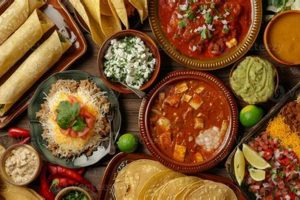
A long, tightly rolled tortilla, typically filled with shredded meat such as chicken or beef, is a common sight in Mexican cuisine. This dish is then deep-fried until crispy and golden brown. Served with toppings like sour cream, guacamole, and salsa, it offers a satisfying textural contrast between the crunchy exterior and the savory filling. As an example, a popular version features seasoned shredded chicken encased in a corn tortilla, fried until crisp, and generously topped with crema and pico de gallo.
This particular preparation provides a convenient and flavorful way to enjoy traditional Mexican ingredients. The deep-frying process not only enhances the taste but also preserves the filling, making it a portable and shareable snack or meal. Historically, variations of this dish have likely evolved as a method to utilize leftover meats and tortillas, transforming them into a satisfying and enduring culinary staple.
Further discussion will explore specific regional variations, common fillings, and popular accompaniments, providing a detailed overview of this well-loved component of Mexican gastronomy. Subsequent sections will also delve into preparation techniques and potential variations for home cooks.
Preparation Tips for Flautas
Achieving optimal results when preparing this dish relies on several key techniques, impacting both texture and flavor. Careful consideration of each stage, from ingredient selection to frying, is crucial.
Tip 1: Select High-Quality Tortillas: The integrity of the tortilla is paramount. Choose corn tortillas that are pliable and resistant to tearing during rolling and frying. Stale or brittle tortillas are prone to cracking, leading to filling leakage and uneven cooking.
Tip 2: Avoid Overfilling: Excessive filling compromises the structural integrity. Overstuffed tortillas are difficult to roll tightly and are likely to burst during frying. Distribute the filling evenly, leaving sufficient space at both ends for secure closure.
Tip 3: Secure the Roll: A tightly rolled tortilla is essential to prevent unraveling. Moisten the edge of the tortilla with water or a cornstarch slurry before sealing to create a strong bond. Toothpicks can be used for added security, but remember to remove them before serving.
Tip 4: Maintain Optimal Frying Temperature: The oil temperature should be consistently maintained between 350F and 375F (175C and 190C). Insufficient heat results in soggy, undercooked tortillas, while excessive heat leads to rapid browning and potential burning. Use a thermometer to monitor the oil temperature accurately.
Tip 5: Fry in Small Batches: Overcrowding the fryer lowers the oil temperature, resulting in uneven cooking. Fry only a few at a time to maintain consistent heat and ensure uniform crispness.
Tip 6: Drain Excess Oil: After frying, place the cooked items on a wire rack lined with paper towels to remove excess oil. This step contributes to a lighter, less greasy final product.
Tip 7: Serve Immediately: These are best enjoyed fresh and hot. As they cool, the tortillas lose their crispness. Prepare toppings and garnishes in advance to facilitate immediate serving.
Adhering to these guidelines ensures a consistently delicious outcome, characterized by crispy tortillas and flavorful fillings. Proper technique maximizes the enjoyment of this popular Mexican dish.
The following section will explore regional variations and serving suggestions, expanding on the core preparation principles outlined above.
1. Crispy, Rolled Tortilla

The defining characteristic of this Mexican dish is its crispy, rolled tortilla. This feature distinguishes it from other similar preparations and fundamentally contributes to its texture and overall eating experience. Without this element, the dish deviates from its established culinary definition.
- Tortilla Composition and Selection
The type of tortilla used significantly impacts the final product. While both corn and flour tortillas can be used, corn tortillas are more traditional. The tortilla must be pliable enough to roll without breaking, but also robust enough to withstand deep-frying without disintegrating. Proper selection is therefore crucial for achieving the desired crispness and structural integrity.
- Rolling Technique and Tightness
The method of rolling the tortilla affects the texture. A tightly rolled tortilla yields a denser, more uniformly crispy exterior. Conversely, a loosely rolled tortilla may result in uneven crisping and potential filling spillage. The tightness of the roll directly correlates with the final product’s structural stability and textural profile.
- Frying Process and Oil Temperature
The frying process is paramount in achieving the desired crispness. The oil temperature must be carefully controlled to ensure the tortilla crisps evenly without burning. Insufficiently hot oil will result in a soggy product, while excessively hot oil can cause charring. Maintaining the appropriate temperature is essential for optimal texture development.
- Post-Frying Handling and Drainage
Proper handling after frying is crucial for maintaining crispness. Placing the fried item on a wire rack to drain excess oil prevents the tortilla from becoming soggy. Allowing the item to sit in accumulated oil compromises the desired texture and diminishes the overall eating experience.
These aspects of achieving a crispy, rolled tortilla are intrinsically linked to the dish’s identity. The interplay between tortilla selection, rolling technique, frying process, and post-frying handling culminates in the signature texture that defines this popular Mexican offering. Deviations from these established practices result in a product that fails to meet the expected culinary standards.
2. Shredded meat filling

The inclusion of shredded meat as a filling is central to defining this Mexican food item. It provides a substantial protein component and contributes significantly to the overall flavor profile, differentiating it from other rolled and fried preparations.
- Meat Selection and Preparation
The choice of meat influences the final taste. Chicken, beef, and pork are common options, each offering a distinct flavor profile. The meat is typically cooked until tender and then shredded, ensuring even distribution within the tortilla and ease of consumption. Seasoning variations, which can include chili powders, cumin, and garlic, further contribute to the overall taste. The preparation of the meat filling is not merely an ingredient; it is a deliberate step to establish the flavor foundation.
- Moisture Content and Texture
The moisture content of the shredded meat is critical. Excess moisture can lead to a soggy tortilla, compromising the desired crispy texture. Conversely, excessively dry meat may result in a less palatable eating experience. The texture of the shredded meat should be neither too coarse nor too fine. Achieving the correct balance requires careful attention to cooking time and shredding technique. This texture contributes significantly to the overall experience.
- Regional Variations and Fillings
Regional variations within Mexico influence the type of meat and accompanying spices used in the filling. Some regions might favor spicier preparations, while others opt for milder flavors. Additionally, the inclusion of other ingredients like cheese, onions, or peppers within the meat mixture is common, creating further diversity in flavor profiles. These regional nuances add depth and complexity to what is often considered a simple dish.
- Impact on Overall Dish Structure
The shredded meat filling’s density and distribution play a role in the structure of the prepared food. An overfilled tortilla is prone to bursting during frying, while an underfilled tortilla lacks the satisfying heft expected by consumers. Even distribution of the filling ensures consistent flavor and prevents localized concentrations that might overwhelm the taste. The filling provides crucial structural support, allowing the rolled tortilla to maintain its form during and after frying.
The shredded meat filling is thus not merely an element, but a defining feature shaping the flavor, texture, and structural integrity of this dish. Proper execution of the filling, from meat selection to final seasoning, is paramount to delivering an authentic and satisfying culinary experience. It is a key component that helps define what it is.
3. Deep-fried preparation

The characteristic deep-frying process is a defining element in the preparation of this Mexican food item. This method of cooking imparts a crispy texture and contributes significantly to its overall flavor and structural integrity. The reliance on deep-frying distinguishes it from similar dishes that utilize alternative cooking methods.
- Oil Temperature and Crispness
The temperature of the oil directly impacts the crispness of the tortilla. Optimal temperatures, typically between 350F and 375F (175C and 190C), ensure the tortilla becomes golden brown and crispy without burning. Insufficiently heated oil results in a soggy texture, while excessively hot oil can lead to rapid charring and an acrid taste. The precise control of oil temperature is therefore critical for achieving the desired textural outcome.
- Oil Type and Flavor Profile
The type of oil used influences the flavor profile. Neutral-flavored oils, such as vegetable or canola oil, are commonly selected to avoid overpowering the taste of the filling. Traditional recipes may utilize lard, which imparts a distinct richness and flavor. The selection of oil should complement the other ingredients and enhance the overall taste experience.
- Structural Integrity and Sealing
The deep-frying process aids in sealing the rolled tortilla, preventing the filling from escaping during cooking. The high heat causes the tortilla to quickly crisp and adhere to itself, creating a barrier that contains the meat. This sealing action is essential for maintaining the structural integrity and preventing the loss of flavorful juices.
- Fat Content and Caloric Density
Deep-frying inherently increases the fat content and caloric density of the dish. The tortilla absorbs oil during the cooking process, which contributes to its rich flavor but also increases its energy value. Consideration of the fat content is relevant for those mindful of dietary intake and nutritional considerations. The deep-frying is, in part, responsible for its less healthy status compared to other dishes.
In summary, the deep-frying process is not merely a cooking technique but an integral component that defines the texture, flavor, and structural characteristics of this particular Mexican food. Proper execution of this technique, with careful attention to oil temperature, oil type, and cooking time, is essential for achieving the desired culinary outcome. Without deep-frying, the dish would not possess its signature crispy texture and sealed structure, thus distinguishing it from other related culinary preparations.
4. Savory taste profile

The savory taste profile is a crucial defining characteristic of the Mexican food item. It arises from the interplay of ingredients and preparation techniques, contributing substantially to the overall sensory experience and establishing its identity within the diverse landscape of Mexican cuisine.
- Meat Seasoning and Umami
The seasoning of the shredded meat filling is a primary driver of the savory character. Ingredients such as chili powders, cumin, garlic, and onions contribute layers of flavor, while the inherent umami of the meat itself enhances the savory perception. The careful balance of these seasonings is essential for creating a palatable and appealing taste profile.
- Deep-Frying and Maillard Reaction
The deep-frying process contributes significantly to the savory taste through the Maillard reaction. This chemical reaction between amino acids and reducing sugars occurs at high temperatures, producing hundreds of flavor compounds that enhance the savory notes. The crispy, browned tortilla resulting from deep-frying further amplifies the savory perception.
- Complementary Toppings and Acidity
Toppings such as sour cream, guacamole, and salsa provide complementary flavors that balance the savory base. The acidity of salsa, often derived from tomatoes and lime juice, cuts through the richness of the deep-fried tortilla and meat filling, creating a more complex and satisfying taste experience. The creamy texture of guacamole and sour cream adds another layer of sensory appeal.
- Fat Content and Mouthfeel
The fat content, inherent in both the meat filling and the deep-fried tortilla, contributes to the overall mouthfeel and perception of savoriness. Fat enhances the perception of flavor and provides a smooth, satisfying texture that complements the crispy exterior. The interplay between the crispy tortilla and the rich filling is a key element of the overall savory experience.
These facets, working in concert, define the distinctive savory taste profile, making it a recognizable and appealing component of Mexican culinary offerings. Without this complex interaction of seasoned meat, deep-fried tortilla, complementary toppings, and balanced fat content, the dish would deviate significantly from its established sensory characteristics.
5. Topping variety

Toppings constitute an integral aspect of the dish’s identity. The capacity to customize this food item with a diverse range of toppings directly influences its palatability and contributes to its wide appeal. The availability of various toppings allows for personalization, catering to individual preferences and dietary considerations, while the absence of typical toppings would fundamentally alter the eating experience and deviate from its established culinary form. For instance, the addition of sour cream and guacamole provides contrasting textures and flavors that complement the crispy tortilla and savory filling, while a spicy salsa can introduce heat and complexity. These additions elevate what might otherwise be a simple dish, transforming it into a layered and satisfying culinary experience.
The practical significance of understanding the role of toppings extends to both preparation and consumption. From a culinary perspective, offering a diverse selection of toppings enables restaurants and home cooks to cater to a wider customer base. Furthermore, the choice of toppings can also influence the nutritional profile of the dish. For example, opting for lighter toppings like pico de gallo or shredded lettuce can reduce the overall caloric content compared to heavier additions like cheese or creamy sauces. Consequently, an awareness of topping options is crucial for both enhancing flavor and managing dietary intake.
In summary, the availability and thoughtful selection of toppings are central to defining this dish. These additions not only enhance the sensory experience but also provide avenues for customization and dietary control. The absence of such variety would diminish its appeal and compromise its inherent flexibility, therefore they help to identify what is a Flauta Mexican Food.
Frequently Asked Questions
The following section addresses common inquiries and clarifies potential misunderstandings regarding this distinct culinary offering. The purpose is to provide concise and informative answers, enhancing understanding of its characteristics and preparation.
Question 1: What distinguishes a flauta from a taquito?
While both involve rolled tortillas with fillings, key differences exist. The typical flauta utilizes a larger tortilla and is often filled more generously. Furthermore, the flauta is generally considered longer and thicker than its taquito counterpart. Distinctions can also be found in regional preparations and preferred tortilla types.
Question 2: What are the most common fillings found in this item?
Shredded chicken and beef are prevalent fillings. Other options include seasoned pork, potatoes, and cheese. The choice of filling often reflects regional preferences and available ingredients. Seasoning variations further contribute to the diverse flavor profiles.
Question 3: Is the item considered a healthy food option?
Given its deep-fried nature and potential for high-fat fillings, it is generally not categorized as a health food. However, healthier versions can be prepared by baking instead of frying, using leaner meats, and opting for light toppings such as pico de gallo and avocado.
Question 4: How should this Mexican food be properly stored?
Cooked products are best consumed immediately. If storage is necessary, they should be refrigerated promptly in an airtight container. Reheating is recommended in an oven or air fryer to restore crispness, as microwaving often results in a soggy texture.
Question 5: Can this dish be prepared using flour tortillas?
While corn tortillas are more traditional, flour tortillas can be used. The resulting flavor and texture will differ slightly. Flour tortillas tend to be softer and less prone to crisping to the same degree as corn tortillas. The choice depends on personal preference and regional culinary practices.
Question 6: What are typical accompaniments for this item?
Common accompaniments include sour cream, guacamole, salsa, shredded lettuce, diced tomatoes, and cheese. Lime wedges are often served to add acidity and enhance the overall flavor. The selection of accompaniments can be tailored to individual tastes and dietary requirements.
In conclusion, understanding these frequently asked questions provides a comprehensive overview. Factors ranging from distinguishing it from similar foods to recommended storage practices contribute to a more complete understanding.
The following section will explore regional varieties and serving suggestions.
Conclusion
This exploration of what is a flauta Mexican food has illuminated its defining characteristics: the crispy, rolled tortilla, the savory shredded meat filling, the crucial deep-fried preparation, and the variety of accompanying toppings. Each of these elements contributes to its unique culinary identity within the broader context of Mexican gastronomy. The examination of preparation techniques, regional variations, and frequently asked questions further clarifies its composition and serving considerations.
Appreciating the nuances of what is a flauta Mexican food fosters a deeper understanding of Mexican culinary traditions. Continued exploration of regional specialties and variations promises further insights into this enduring and adaptable dish. Its place as a readily customizable and widely enjoyed food item solidifies its continued relevance in both traditional and contemporary culinary landscapes.