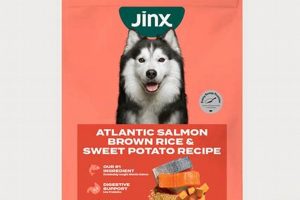
Tocopherols, frequently included in canine diets, are a class of organic chemical compounds, various forms of Vitamin E, acting primarily as antioxidants. These compounds, naturally occurring and synthetically produced, function to protect fats and oils from oxidation, thereby preserving the palatability and nutritional integrity of the food. For example, mixed tocopherols are a common ingredient listed on pet food labels, indicating a blend of different Vitamin E isomers, each contributing to antioxidant activity.
The inclusion of these compounds offers significant benefits for maintaining food quality and indirectly supporting canine health. By preventing rancidity and degradation of fats, tocopherols ensure that essential fatty acids, vital for skin health, cognitive function, and immune system support, remain bioavailable. Historically, the use of these antioxidant preservatives replaced less desirable synthetic options, reflecting a shift towards more natural and health-conscious formulations in the pet food industry.
The following sections will further elaborate on the specific roles these compounds play in preserving food, the types commonly used, and the potential implications for canine well-being, including optimal levels for inclusion and considerations for sensitive individuals.
Guidance on Tocopherols in Canine Nutrition
The judicious selection and understanding of canine diets containing tocopherols are crucial for maintaining food quality and supporting animal health. The following points offer guidance on evaluating and incorporating foods containing these compounds.
Tip 1: Scrutinize Ingredient Lists: Examine pet food labels meticulously. The presence of “mixed tocopherols” or “Vitamin E (as tocopherols)” indicates the inclusion of this antioxidant. Ascertain if the source is natural or synthetic, as some owners may prefer natural sources.
Tip 2: Understand the Purpose: Recognize that these compounds primarily function as preservatives. They prevent fat oxidation, ensuring the longevity and palatability of the food. They also contribute, secondarily, to the dog’s Vitamin E intake.
Tip 3: Consider Fat Content: Pet foods higher in fat content often require a greater concentration of these preservatives to prevent rancidity. Evaluate the fat content in relation to the tocopherol level to determine if the formulation is adequately protected.
Tip 4: Monitor for Sensitivities: While generally safe, some dogs may exhibit sensitivities to certain forms or concentrations of these compounds. Observe for any adverse reactions, such as digestive upset or skin irritation, when introducing a new food containing them.
Tip 5: Be Aware of Potential Interactions: If supplementing Vitamin E, be cognizant of the amount already present in the dog’s food. Excessive Vitamin E intake can, in some cases, interfere with other nutrient absorption. Consult with a veterinarian regarding appropriate supplementation levels.
Tip 6: Prioritize Freshness: While these compounds aid in preservation, freshness remains paramount. Adhere to storage recommendations provided by the manufacturer to minimize oxidation and maximize the lifespan of the food.
Tip 7: Research the Manufacturer: Reputable pet food manufacturers prioritize quality control and ingredient sourcing. Research the brand to ensure they employ appropriate testing and handling procedures for tocopherols and other ingredients.
These considerations facilitate informed decisions regarding pet food selection, ensuring both nutritional adequacy and long-term well-being.
The subsequent sections will delve into the implications of varying levels of these compounds, addressing concerns and providing a deeper understanding of their significance in canine diets.
1. Antioxidant Properties

The presence of tocopherols in canine diets is primarily predicated on their potent antioxidant capabilities. These properties are crucial for preserving food quality and contributing to canine health by mitigating oxidative stress. The subsequent details elucidate key facets of these antioxidant properties within the context of dog food.
- Free Radical Scavenging
Tocopherols act as free radical scavengers, neutralizing unstable molecules that can damage cellular components. These free radicals are byproducts of normal metabolism and are exacerbated by environmental factors, such as pollution. By donating an electron, tocopherols stabilize these free radicals, preventing them from initiating chain reactions that lead to cellular damage within the dog’s body.
- Lipid Peroxidation Inhibition
A primary function of tocopherols in dog food is the inhibition of lipid peroxidation, the process by which fats and oils degrade through oxidation. This degradation leads to rancidity, reducing palatability and diminishing the nutritional value of the food. Tocopherols interrupt this process, extending the shelf life of the food and ensuring that essential fatty acids remain bioavailable to the animal. The result of this is preservation of vital nutrients.
- Protection of Cellular Membranes
Tocopherols are incorporated into cellular membranes, providing a first line of defense against oxidative damage. By residing within the lipid bilayer, they protect the unsaturated fatty acids that are particularly vulnerable to peroxidation. This protection helps maintain membrane integrity and cellular function, contributing to overall health and well-being.
- Synergistic Effects
The antioxidant activity of tocopherols is often enhanced when combined with other antioxidants, such as Vitamin C or selenium. This synergistic effect creates a more robust defense against oxidative stress. Dog food formulations may incorporate multiple antioxidants to maximize protective benefits and ensure the comprehensive preservation of both the food and the animal’s health.
In conclusion, the antioxidant properties of tocopherols are integral to their role in canine diets. By scavenging free radicals, inhibiting lipid peroxidation, and protecting cellular membranes, these compounds contribute significantly to both the preservation of food quality and the maintenance of canine health.
2. Vitamin E Source

Tocopherols, a family of naturally occurring organic compounds, are frequently utilized as a source of Vitamin E in canine diets. This usage stems from their inherent Vitamin E activity, contributing to the overall nutritional profile of dog food. Understanding the relationship between tocopherols and Vitamin E is essential for evaluating the quality and potential health benefits of canine nutrition.
- Bioavailability
Tocopherols exhibit varying degrees of bioavailability, influencing the extent to which Vitamin E is absorbed and utilized by the dog. Alpha-tocopherol is generally considered the most biologically active form of Vitamin E, exhibiting the highest absorption rate. Dog food manufacturers often consider the specific tocopherol isomers present in their formulations to ensure adequate Vitamin E delivery. For instance, a food containing predominantly gamma-tocopherol may require a higher total tocopherol content to achieve the same Vitamin E benefit as a food rich in alpha-tocopherol.
- Nutritional Requirements
Vitamin E is an essential nutrient for dogs, playing critical roles in immune function, cellular integrity, and reproduction. Canine diets must provide sufficient Vitamin E to meet these physiological demands. Tocopherols serve as a primary means of fulfilling these nutritional requirements, with their concentration in dog food formulations carefully calibrated to align with established dietary guidelines. Deficiencies in Vitamin E can lead to various health issues, highlighting the importance of tocopherol supplementation in canine nutrition.
- Synthetic vs. Natural Sources
Tocopherols used in dog food can be derived from either natural or synthetic sources. Natural tocopherols, often extracted from vegetable oils, are typically identified as d-alpha-tocopherol, while synthetic forms are labeled as dl-alpha-tocopherol. Although both forms provide Vitamin E activity, some evidence suggests that natural tocopherols may exhibit superior bioavailability compared to their synthetic counterparts. Dog food labels may indicate the source of tocopherols, allowing consumers to make informed choices based on their preferences and understanding of nutritional efficacy.
- Antioxidant Synergy
Beyond their Vitamin E activity, tocopherols contribute to the overall antioxidant profile of dog food. They work synergistically with other antioxidants, such as Vitamin C and selenium, to protect against oxidative stress and cellular damage. This combined antioxidant defense is particularly important for dogs with high activity levels or those prone to inflammatory conditions. Dog food formulations often incorporate a blend of antioxidants to provide comprehensive protection and support optimal health.
The relationship between tocopherols and Vitamin E is fundamental to canine nutrition. By serving as a bioavailable source of this essential nutrient and contributing to the overall antioxidant defense, tocopherols play a crucial role in maintaining the health and well-being of dogs. Manufacturers carefully consider the specific tocopherol isomers, their source, and their interaction with other nutrients when formulating canine diets, ensuring optimal nutritional value. Further research into the specific benefits of different tocopherol forms may lead to more targeted and effective dietary strategies in the future.
3. Fat Preservation

The presence of tocopherols in dog food is critically linked to the preservation of fats, influencing the food’s palatability, nutritional value, and overall shelf life. Dietary fats, particularly unsaturated fatty acids, are susceptible to oxidation, a process that leads to rancidity and the formation of undesirable compounds. This degradation not only diminishes the taste and aroma of the food, rendering it less appealing to canines, but also reduces the bioavailability of essential fatty acids, such as omega-3 and omega-6, vital for skin health, cognitive function, and immune system support. Tocopherols, acting as antioxidants, interrupt this oxidation process by donating electrons to free radicals, thereby preventing the chain reaction that leads to fat deterioration. For instance, in the production of kibble containing high levels of fish oil, a natural source of omega-3 fatty acids, tocopherols are often added in significant quantities to mitigate oxidation and maintain the integrity of these beneficial lipids.
The practical significance of fat preservation extends beyond merely maintaining the sensory qualities of the food. Rancid fats can generate harmful byproducts, such as aldehydes and ketones, which may contribute to oxidative stress within the dog’s body. Chronic exposure to these oxidized fats could potentially exacerbate inflammatory conditions and compromise overall health. Therefore, the inclusion of tocopherols serves as a preventative measure, safeguarding the animal from the potential negative consequences of consuming oxidized lipids. Furthermore, the economic implications are considerable; by extending the shelf life of dog food, tocopherols reduce waste and minimize the risk of spoilage, benefiting both manufacturers and consumers.
In summary, the preservation of fats is a crucial function performed by tocopherols in dog food, safeguarding the nutritional value, palatability, and safety of the product. By preventing lipid oxidation, tocopherols contribute to the long-term health and well-being of canines, mitigating the potential risks associated with consuming rancid fats and ensuring the bioavailability of essential fatty acids. This understanding highlights the importance of scrutinizing ingredient lists for the presence of these natural antioxidants when selecting canine diets.
4. Natural Preservative

Tocopherols function as a natural preservative in canine diets, inhibiting the oxidation of fats and oils. This preservation action is critical, as rancid fats not only diminish palatability but also compromise the nutritional value of the food. The inclusion of tocopherols as a natural alternative to synthetic preservatives aligns with consumer preferences for cleaner ingredient lists and perceived health benefits. For example, manufacturers marketing “natural” or “holistic” dog food formulations often highlight the use of mixed tocopherols as a key differentiator.
The efficacy of tocopherols as preservatives depends on several factors, including the concentration used, the type of fat being preserved, and the presence of other antioxidants. While synthetic antioxidants like BHA and BHT have historically been used for their potent preservative capabilities, concerns regarding their potential long-term health effects have led to increased demand for natural alternatives. Real-world applications demonstrate that tocopherols, while generally less potent than some synthetic options, can effectively extend the shelf life of dog food when used appropriately, particularly in conjunction with proper packaging and storage conditions. For instance, studies comparing the oxidative stability of dog food formulations with and without tocopherols consistently show a significant improvement in foods containing these natural preservatives. This translates to a longer period before the food becomes rancid and loses nutritional value.
The reliance on tocopherols as a natural preservative presents both opportunities and challenges. While they offer a more consumer-friendly alternative to synthetic options, their effectiveness can be influenced by factors such as sourcing, processing, and formulation. The continued research and development of optimized tocopherol blends, combined with advancements in packaging technology, are crucial for ensuring that these natural preservatives can effectively maintain the quality and safety of canine diets. The increasing consumer demand for “clean label” products will likely drive further innovation and adoption of tocopherols as the preferred preservative in the pet food industry.
5. Mixed Forms Common

The incorporation of tocopherols in dog food formulations frequently involves the utilization of mixed forms, reflecting a strategic approach to optimize antioxidant efficacy and leverage the distinct properties of various isomers. Tocopherols encompass a family of compounds, including alpha-, beta-, gamma-, and delta-tocopherol, each exhibiting varying degrees of Vitamin E activity and antioxidant potency. The preference for mixed forms arises from the synergistic effect achieved when these different tocopherols are combined. For example, while alpha-tocopherol is highly effective as a Vitamin E source, gamma- and delta-tocopherol demonstrate superior antioxidant activity against certain types of free radicals. Utilizing a blend allows for a broader spectrum of protection against lipid peroxidation and oxidative damage within the food matrix.
The practical application of mixed tocopherols in dog food can be observed in the labeling of ingredients. Pet food labels commonly list “mixed tocopherols” rather than specifying individual isomers, signifying the presence of a blend designed to maximize overall antioxidant performance. This approach aligns with the goal of extending the shelf life of the product and preserving the nutritional integrity of essential fatty acids. Furthermore, the use of mixed forms offers cost-effectiveness, as some tocopherol isomers may be more readily available or less expensive to produce than others. Manufacturers can therefore optimize formulations to balance antioxidant activity with economic considerations. For instance, studies comparing the antioxidant effectiveness of single tocopherol isomers versus mixed forms in pet food demonstrate that blends often outperform individual isomers in preventing rancidity and maintaining the quality of fats.
In conclusion, the widespread use of mixed tocopherols in dog food reflects a deliberate strategy to enhance antioxidant activity, extend shelf life, and optimize cost-effectiveness. This approach leverages the distinct properties of various tocopherol isomers, providing a broader spectrum of protection against lipid peroxidation and oxidative damage. The understanding of this practice is essential for consumers and pet food professionals seeking to assess the quality and nutritional value of canine diets. Challenges remain in precisely quantifying the synergistic effects of different tocopherol combinations and in standardizing labeling practices to provide more detailed information about the specific isomers present in mixed tocopherol blends.
6. Dosage Considerations

Proper dosage is critical when incorporating tocopherols into canine diets. As a source of Vitamin E and a lipid preservative, insufficient or excessive levels of these compounds can have detrimental effects on canine health and food quality, necessitating careful consideration of dosage parameters.
- Minimum Requirements
Canine diets must contain a minimum level of Vitamin E, typically supplied by tocopherols, to prevent deficiency-related health problems. Symptoms of Vitamin E deficiency in dogs may include muscle weakness, reproductive issues, and impaired immune function. Regulatory bodies and nutritional guidelines establish minimum recommended levels for Vitamin E intake, dictating the lowest acceptable tocopherol concentration in commercial dog foods. These recommendations vary based on factors such as breed, age, activity level, and reproductive status. Failure to meet these minimum requirements can lead to chronic health problems and reduced quality of life.
- Maximum Tolerable Levels
While Vitamin E is generally considered safe, excessive intake can potentially lead to adverse effects. High doses of tocopherols may interfere with the absorption of other fat-soluble vitamins or exacerbate bleeding disorders. The maximum tolerable level for Vitamin E in canine diets is also defined by regulatory guidelines, representing the highest concentration that can be safely consumed without risking toxicity. Pet food manufacturers must adhere to these upper limits to ensure product safety and prevent potential harm to canine consumers. Individual sensitivities may vary, and some dogs may exhibit adverse reactions even at levels below the established maximum.
- Source and Bioavailability
The appropriate tocopherol dosage is influenced by the source and bioavailability of the compound. Natural tocopherols, such as d-alpha-tocopherol, are generally considered more bioavailable than synthetic forms, such as dl-alpha-tocopherol. Therefore, a lower dose of natural tocopherols may be required to achieve the same Vitamin E effect as a higher dose of synthetic tocopherols. Similarly, the presence of other dietary components, such as fats and fiber, can affect the absorption and utilization of tocopherols, further influencing dosage requirements. The specific source and formulation of tocopherols should be considered when determining the appropriate amount to include in canine diets.
- Food Preservation Effectiveness
Beyond their role as a Vitamin E source, tocopherols also function as lipid preservatives in dog food. The dosage required for effective food preservation is dependent on the type and concentration of fats present, as well as the desired shelf life of the product. Higher fat content or longer storage periods may necessitate a greater tocopherol concentration to prevent rancidity and maintain palatability. Pet food manufacturers conduct stability studies to determine the optimal tocopherol dosage for preserving food quality without exceeding recommended levels for canine consumption. The effectiveness of tocopherols as preservatives can also be enhanced by synergistic combinations with other antioxidants.
Accurate dosage of tocopherols is paramount to ensure both adequate Vitamin E nutrition and effective food preservation in canine diets. Manufacturers must carefully balance minimum requirements, maximum tolerable levels, source and bioavailability considerations, and preservation effectiveness to formulate safe and nutritious products. Consultation with veterinary nutritionists and adherence to established guidelines are essential for optimizing tocopherol dosage and safeguarding canine health.
7. Health Implications

The inclusion of tocopherols in canine diets carries significant health implications, extending beyond their role as mere preservatives. Their presence influences various physiological processes, impacting both the well-being and longevity of dogs. An understanding of these health implications is crucial for responsible pet ownership and informed dietary choices.
- Antioxidant Support for Cellular Health
Tocopherols, acting as antioxidants, protect cells from damage caused by free radicals. These unstable molecules, generated during normal metabolism and exposure to environmental toxins, can contribute to cellular aging and increase the risk of chronic diseases. By neutralizing free radicals, tocopherols support cellular integrity, contributing to overall health and potentially mitigating age-related decline. For instance, studies suggest that adequate Vitamin E intake, facilitated by tocopherols, may help reduce the risk of cognitive dysfunction in senior dogs.
- Immune System Modulation
Vitamin E, derived from tocopherols, plays a vital role in modulating the immune system. It supports the function of immune cells, enhancing their ability to respond effectively to pathogens and infections. Deficiencies in Vitamin E can compromise immune function, making dogs more susceptible to illness. Conversely, adequate tocopherol intake can help maintain a robust immune response, protecting against a range of health challenges. Specifically, Vitamin E has been shown to enhance T-cell function, a critical component of adaptive immunity in canines.
- Cardiovascular Benefits
Research suggests that Vitamin E, supplied by tocopherols, may contribute to cardiovascular health in dogs. By preventing the oxidation of LDL cholesterol, tocopherols can reduce the risk of plaque formation in arteries, a key factor in the development of cardiovascular disease. Additionally, Vitamin E may help improve blood vessel function and reduce blood clot formation. While more research is needed to fully elucidate the cardiovascular benefits of tocopherols in dogs, preliminary findings suggest a potential role in promoting heart health.
- Potential Mitigation of Inflammatory Conditions
Tocopherols possess anti-inflammatory properties, which may help mitigate the effects of inflammatory conditions in dogs. Chronic inflammation is implicated in a wide range of diseases, including arthritis, allergies, and inflammatory bowel disease. By reducing oxidative stress and modulating inflammatory pathways, tocopherols may help alleviate symptoms and improve the quality of life for dogs suffering from these conditions. For example, studies have shown that Vitamin E supplementation can reduce joint pain and stiffness in dogs with osteoarthritis.
The health implications of tocopherols in canine diets are multifaceted, encompassing antioxidant support, immune system modulation, cardiovascular benefits, and potential mitigation of inflammatory conditions. These benefits underscore the importance of ensuring adequate tocopherol intake through balanced and well-formulated dog food. While tocopherols offer significant health advantages, it is crucial to maintain appropriate dosage levels, avoiding both deficiencies and excessive intake, to optimize canine well-being. Further research will continue to unravel the specific mechanisms by which tocopherols exert their beneficial effects, leading to more targeted and effective dietary strategies for promoting canine health and longevity.
Frequently Asked Questions Regarding Tocopherols in Dog Food
The following questions address common concerns and misconceptions surrounding the use of tocopherols in canine diets. The answers provide detailed information to promote a clearer understanding of their role and significance.
Question 1: What is the primary function of tocopherols in dog food?
The primary function of tocopherols in dog food is to act as an antioxidant, preventing the oxidation of fats and oils. This process, known as rancidity, diminishes palatability and reduces the nutritional value of the food. Tocopherols, therefore, serve as a natural preservative, extending the shelf life and maintaining the quality of the product.
Question 2: Are tocopherols a substitute for Vitamin E supplementation?
Tocopherols are a source of Vitamin E, but their presence in dog food primarily fulfills the role of a preservative. While they contribute to the overall Vitamin E content, the specific amount may not always meet a dog’s complete Vitamin E requirements. Supplementation may still be necessary, particularly for dogs with specific health conditions or dietary needs.
Question 3: Are synthetic tocopherols inferior to natural tocopherols?
Both synthetic and natural tocopherols provide Vitamin E activity, but differences in bioavailability exist. Natural tocopherols (d-alpha-tocopherol) are generally considered more bioavailable than synthetic forms (dl-alpha-tocopherol), meaning they are more readily absorbed and utilized by the body. However, synthetic tocopherols are still effective and often used to supplement Vitamin E levels in dog food.
Question 4: Can tocopherols cause allergic reactions in dogs?
While rare, allergic reactions to tocopherols are possible. If a dog exhibits symptoms such as skin irritation, digestive upset, or facial swelling after consuming food containing tocopherols, it is advisable to consult with a veterinarian. Identifying the specific cause of the reaction requires professional evaluation.
Question 5: How can one assess the quality of tocopherols used in dog food?
Assessing the quality of tocopherols used in dog food is challenging for the average consumer. However, selecting reputable brands that prioritize quality control and ingredient sourcing is crucial. Researching the manufacturer’s practices and seeking out products with clear labeling regarding the source of tocopherols (natural vs. synthetic) are recommended.
Question 6: Is there an optimal level of tocopherols for all dogs?
No single optimal level of tocopherols exists for all dogs. The ideal dosage varies based on factors such as breed, age, activity level, and individual health status. Consulting with a veterinarian or veterinary nutritionist is advisable to determine the appropriate Vitamin E intake for a specific dog, considering their unique needs and dietary circumstances.
In summary, tocopherols play a vital role in preserving dog food and contributing to Vitamin E intake. Consumers should be aware of the different forms of tocopherols, potential allergic reactions, and the importance of selecting reputable brands. Consulting with a veterinarian is recommended to determine the appropriate Vitamin E levels for individual dogs.
The following sections will explore the broader implications of antioxidant use in canine nutrition, providing a more comprehensive understanding of the factors contributing to optimal canine health.
Conclusion
This discussion has illuminated the multifaceted role of “what are tocopherols in dog food.” Functioning primarily as antioxidants, these compounds preserve the integrity of fats, thereby maintaining palatability and nutritional value. While also contributing to Vitamin E intake, their presence signifies a commitment to preventing rancidity and ensuring the longevity of essential fatty acids crucial for canine health.
The careful consideration of tocopherol sources, forms, and appropriate dosages remains paramount. Continued research into optimized formulations and transparent labeling practices will further refine the understanding and application of these essential compounds in supporting the well-being of canine companions. This understanding is important in responsible decision making as a pet owner.