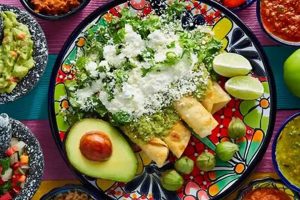
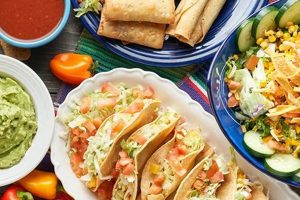
The selection of produce significantly influences the character of dishes originating from Mexico. These ingredients provide essential nutrients, diverse textures, and vibrant flavors that define the culinary landscape. Examples include corn, beans, tomatoes, chilies, squash, and onions, each contributing unique elements to traditional recipes.
The incorporation of these items offers numerous advantages, enhancing both the nutritional value and the palatability of meals. Historically, indigenous crops formed the bedrock of Mesoamerican diets and continue to play a crucial role in modern Mexican cuisine. Their cultivation and use are deeply interwoven with cultural traditions and agricultural practices.
This discussion will examine the specific roles of various plant-based components in signature preparations, explore regional variations in their utilization, and consider the broader impact of produce choices on the overall quality and authenticity of Mexican food.
Tips for Selecting Produce in Mexican Cuisine
Optimizing flavor and nutritional content in Mexican dishes requires careful attention to produce selection. These recommendations provide guidance on choosing ingredients to enhance culinary outcomes.
Tip 1: Prioritize Seasonal Availability: Selecting produce in season ensures peak flavor and freshness. Seasonal choices also often reduce costs and support local agriculture.
Tip 2: Evaluate Color and Texture: Vibrant colors typically indicate optimal ripeness and nutrient density. Firm textures suggest freshness and appropriate handling.
Tip 3: Consider Chili Pepper Varieties: Understand the heat levels and flavor profiles of different chili peppers. Matching the pepper to the dish’s intended spice level is crucial for balanced flavor.
Tip 4: Opt for Heirloom Tomatoes: Heirloom tomato varieties often possess superior flavor compared to commercially bred types. Their diverse flavors add complexity to salsas and sauces.
Tip 5: Select Fresh Corn: Choose ears with plump, milky kernels for optimal sweetness and texture in dishes like esquites and tamales. Avoid ears with dry or shriveled kernels.
Tip 6: Properly Prepare Nopales: If using nopales (cactus pads), remove the spines and glochids thoroughly. Boiling or grilling nopales reduces their mucilaginous texture.
Tip 7: Understand Regional Variations: Be aware that the prevalence and preparation of specific items can vary significantly between different regions of Mexico. Adjust ingredient selection accordingly.
By adhering to these guidelines, cooks can elevate the quality and authenticity of their Mexican culinary creations. Attention to produce selection is a fundamental aspect of preparing exceptional dishes.
The subsequent sections will delve into specific recipes and provide further insights into the use of these components in classic Mexican cooking.
1. Flavor Profiles

The distinctive and varied characteristics of Mexican cuisine are significantly shaped by the flavor profiles inherent in its plant-based components. The selection and preparation of these ingredients define the sensory experience of traditional dishes.
- Chili Pepper Diversity
The extensive range of chili peppers, from mild poblanos to fiery habaneros, provides a spectrum of heat and nuanced flavors. Each pepper variety contributes distinct characteristics, influencing dishes such as salsas, moles, and adobos. The careful selection of specific chilies is crucial to achieving the desired level of spiciness and complexity in a recipe.
- Herbal and Aromatic Influences
Epazote, cilantro, and hoja santa are frequently incorporated herbs that contribute unique aromatic notes and flavor depth. Epazote, often paired with beans, aids digestion and imparts a distinctive earthy taste. Cilantro adds freshness to salsas and garnishes. Hoja santa, with its anise-like flavor, is used in tamales and savory sauces. The strategic use of these herbs elevates the overall flavor complexity.
- Tomato Acidity and Sweetness
The balance between acidity and sweetness in tomatoes is a fundamental element in Mexican cooking. Ripe tomatoes, whether used fresh or cooked into sauces, provide a foundational base flavor. The type of tomato selectedfrom tart tomatillos to sweet Roma tomatoesaffects the final flavor profile of the dish. Roasting tomatoes intensifies their sweetness and adds a smoky dimension.
- Corn’s Earthy Sweetness
Corn, a staple ingredient, contributes a subtle sweetness and earthy flavor. Whether used in tortillas, tamales, or esquites, the type of corn and its preparation method impact the final taste. Nixtamalization, the process of treating corn with an alkaline solution, enhances its nutritional value and imparts a distinctive flavor that is essential to many Mexican dishes.
These facets of flavor profiles underscore the importance of vegetable selection in Mexican culinary traditions. The thoughtful combination and preparation of these elements contribute to the unique and vibrant flavors that define the cuisine. The skillful use of these ingredients, therefore, is fundamental to creating authentic and satisfying Mexican dishes.
2. Regional Variations and Plant-Based Cuisine

Regional variations exert a profound influence on the selection and utilization of plant-based components in Mexican gastronomy. Geographic location, climate, and cultural heritage dictate the availability and preparation of produce, resulting in distinct culinary traditions across different regions. This interplay between environment and culture establishes a direct link between regional variations and the specific role of each vegetable.
The central highlands, for instance, rely heavily on corn, beans, and squash, staples that have sustained populations for centuries. In contrast, the coastal regions incorporate a wider variety of seafood and tropical fruits, influencing vegetable pairings and cooking techniques. For example, the cuisine of Veracruz incorporates plantains and chayote, reflective of the region’s tropical climate, ingredients less common in the northern states. Likewise, the arid northern regions utilize drought-resistant crops such as nopales and agave, ingredients that adapt to the environment. These examples demonstrate the regional variations as not arbitrary differences but adaptations driven by available resources and historical practices. Practical significance of this understanding is apparent when one strives for authenticity in the cooking styles of different Mexican cuisines.
In summary, regional variations form a cornerstone of Mexican culinary diversity. The availability, adaptation, and traditional methods of plant-based food preparations are deeply intertwined with geography, culture, and climate. Recognizing the causes and effects of regional variation is fundamental to comprehending and appreciating the rich tapestry of Mexican cuisine, from the simplest salsa to the most elaborate mole.
3. Nutritional Contributions

The integral role of plant-based elements in Mexican food directly influences its nutritional profile. The specific vegetables utilized serve as primary sources of essential vitamins, minerals, and fiber, substantially contributing to overall health. A deficiency in the consumption of these ingredients invariably results in a diminished nutritional value of the diet. For instance, the liberal use of tomatoes provides lycopene, an antioxidant linked to reduced cancer risk. Similarly, chili peppers, a near-ubiquitous component, deliver capsaicin, known for its anti-inflammatory properties. The prevalence of corn and beans offers a complete protein source, essential for muscle development and repair.
The impact of proper vegetable selection extends beyond basic nutrient provision. Traditional cooking methods often enhance the bioavailability of nutrients. Nixtamalization of corn, as an example, increases the availability of niacin, preventing pellagra, a disease historically associated with corn-dependent diets. Furthermore, the combination of ingredients frequently seen in Mexican recipes synergistically improves nutrient absorption. The pairing of beans with rice or corn facilitates complete protein intake, while the addition of lime juice to dishes increases iron absorption from plant-based sources. Such examples underline the profound significance of plant-based components to optimal nutrition.
In summary, the nutritional value of Mexican cuisine is inextricably linked to its plant-based content. Careful consideration of vegetable selection and traditional preparation techniques is crucial for maximizing the health benefits derived from these dishes. Understanding the nutritional contributions of these ingredients empowers individuals to make informed dietary choices, optimizing both the flavor and health aspects of Mexican food consumption. The challenges posed by modern dietary trends, such as increased processed food consumption, underscore the need to preserve and promote the nutritional integrity of traditional Mexican plant-based cuisine.
4. Traditional techniques
The preparation of vegetables in Mexican cuisine is inextricably linked to techniques passed down through generations. These methods, often involving meticulous processes, transform raw ingredients into flavorful components essential to the character of Mexican dishes. The effect of these techniques is not merely culinary; they also influence the nutritional value and cultural significance of the food. Nixtamalization, for instance, is a quintessential technique involving the alkaline treatment of corn. This process softens the kernels, making them easier to grind for tortillas and tamales, while simultaneously increasing the bioavailability of niacin, a crucial nutrient. Roasting vegetables, particularly chilies and tomatoes, is another common technique. This method intensifies their flavors and adds a smoky depth, vital for creating complex sauces and salsas. Each technique, therefore, is not an arbitrary action but a deliberate step that enhances both the taste and nutritional content.
Consider the preparation of nopales (cactus pads), a staple in many regions. Traditional methods involve carefully removing the spines and then boiling or grilling the pads. These cooking processes reduce the vegetable’s mucilaginous texture, making it more palatable. Similarly, the fermentation of certain vegetables, such as cabbage for curtido, is another traditional method that not only preserves the food but also enhances its flavor and introduces beneficial probiotics. Furthermore, the art of making mole exemplifies the integration of multiple techniques and vegetables. Roasting, grinding, and simmering various chilies, spices, and other ingredients create a sauce of unparalleled complexity and depth. The practical application of these techniques directly influences the quality and authenticity of Mexican dishes. Without them, the flavors and textures would be fundamentally altered, diminishing the culinary experience.
In conclusion, traditional techniques are indispensable components of Mexican plant-based cuisine. They transform raw vegetables, unlocking flavors, enhancing nutritional value, and preserving cultural heritage. The loss of these techniques would represent a significant departure from the authentic culinary traditions. Preserving and promoting these methods is essential for maintaining the integrity and richness of Mexican food culture. Challenges include the time-consuming nature of some techniques and the increasing availability of processed foods. Addressing these challenges requires promoting awareness and education about the benefits of traditional methods, encouraging their continued use in homes and restaurants, and recognizing their enduring importance to Mexican culinary identity.
5. Seasonal Availability and Plant-Based Mexican Cuisine
Seasonal availability profoundly shapes the ingredients employed in Mexican food. The impact is multifaceted, affecting flavor, nutritional value, economic considerations, and cultural practices. The timing of harvest dictates not only which items are accessible but also their quality and affordability. Utilizing produce during its peak season ensures optimal flavor development, as fruits and vegetables ripen under ideal environmental conditions. Furthermore, seasonal eating often translates to enhanced nutritional content, as produce is consumed closer to harvest, minimizing nutrient degradation. Local markets reflect these seasonal shifts, with specific items becoming more abundant and, consequently, more affordable during their respective seasons. This abundance facilitates wider culinary experimentation and preservation techniques, such as pickling or drying, which extend the availability of seasonal items beyond their natural harvest period.
Consider, for example, the prominence of chiles en nogada during the late summer and early fall. This iconic dish, featuring poblano peppers stuffed with a fruit and nut mixture and topped with a walnut-based cream sauce and pomegranate seeds, is traditionally prepared when all its key ingredients are in season. The availability of fresh pomegranates and walnuts dictates the timing of this culinary tradition. Similarly, the use of squash blossoms ( flores de calabaza) is largely confined to the summer months when squash plants are actively flowering. The utilization of these seasonal components reinforces the connection between Mexican cuisine and the agricultural cycles. This seasonality also contributes to regional variations in dishes, as different regions experience peak seasons for various produce at different times. This temporal aspect further diversifies the culinary landscape of Mexico.
In summary, seasonal availability serves as a fundamental constraint and opportunity for Mexican food. Understanding and respecting these seasonal rhythms enhances the quality, affordability, and authenticity of culinary creations. Challenges include the globalization of food systems, which can obscure the importance of seasonal eating, and the increasing demand for year-round availability, which can compromise flavor and sustainability. Addressing these challenges necessitates promoting awareness of seasonal produce, supporting local agriculture, and celebrating the culinary traditions that honor the natural cycles of harvest. This approach ensures that seasonal availability continues to enrich Mexican cuisine and connect it to its agricultural roots.
6. Ingredient Pairings

The strategic combination of plant-based elements constitutes a foundational aspect of Mexican gastronomy. These pairings, often developed over centuries, reflect an understanding of flavor affinities, nutritional complementarities, and textural contrasts. The purposeful combination of vegetables creates distinct culinary experiences characteristic of the cuisine.
- Corn and Beans
The pairing of corn and beans forms a nutritional cornerstone of Mexican diets. Corn, deficient in lysine and tryptophan, is complemented by beans, which are rich in these essential amino acids. This combination provides a complete protein source, essential for muscle development and overall health. Furthermore, the combination creates a satisfying and hearty texture. Examples include tortillas with refried beans and corn-based stews with various bean varieties.
- Chilies and Tomatoes
Chilies and tomatoes represent a quintessential flavor pairing, creating a range of salsas, sauces, and stews. The acidity of tomatoes balances the heat of chilies, while the diverse flavors of different chili varieties enhance the sweetness and umami of tomatoes. This combination forms the base for numerous iconic dishes, from simple table salsas to complex mole sauces. The balance and interplay between these two ingredients is essential for achieving the desired flavor profile in many Mexican preparations.
- Onions and Cilantro
The combination of onions and cilantro serves as a common garnish and flavor enhancer in Mexican cuisine. The pungent flavor of onions is tempered by the fresh, herbaceous notes of cilantro, creating a balanced contrast. This pairing is frequently used to top tacos, tostadas, and soups, adding a layer of freshness and complexity. The textural contrast between the crispness of raw onions and the delicate leaves of cilantro further contributes to the appeal of this ubiquitous combination.
- Squash and Epazote
The pairing of squash and epazote, a traditional herb, is frequently found in soups, stews, and quesadillas. Epazote imparts a distinctive, slightly pungent flavor that complements the mild sweetness of squash. Furthermore, epazote is believed to aid digestion, particularly when consumed with squash, which can sometimes cause bloating. This combination reflects a holistic approach to cooking, where flavor and health benefits are considered simultaneously.
These examples underscore the importance of ingredient pairings in Mexican cuisine. The thoughtful combination of plant-based elements not only enhances flavor and texture but also maximizes nutritional value and reflects cultural traditions. The skillful application of these pairings is fundamental to creating authentic and satisfying Mexican dishes, highlighting the depth and complexity of the culinary art.
7. Dietary Adaptability

The integration of plant-based ingredients in Mexican cuisine facilitates considerable dietary adaptation, catering to various nutritional needs and preferences. This adaptability underscores the inherent flexibility of traditional recipes when considered through a lens of modern dietary concerns.
- Vegetarian and Vegan Modifications
The inherent structure of many Mexican dishes allows for easy substitution of meat-based components with increased portions of plant-based elements. For example, dishes traditionally containing meat can readily incorporate mushrooms, beans, or squash, maintaining flavor profiles while adhering to vegetarian or vegan guidelines. These alterations highlight the base of vegetables for Mexican food, providing opportunities for flavorful and substantial meat-free meals.
- Gluten-Free Options
While wheat flour tortillas are common, corn tortillas provide a readily available gluten-free alternative. Many traditional sauces and stews are naturally gluten-free, relying on cornstarch or other gluten-free thickeners when necessary. Careful selection of ingredients allows individuals with gluten sensitivities to enjoy a broad range of authentic Mexican flavors and preparations.
- Low-Carbohydrate Adjustments
Plant-based dishes can be adapted to accommodate lower carbohydrate diets by emphasizing non-starchy vegetables. Utilizing ingredients like nopales, jicama, and leafy greens in place of corn or potatoes reduces carbohydrate content while maintaining essential vitamins and minerals. Creative preparation and seasoning can ensure satisfying and flavorful low-carbohydrate meals.
- Allergen Considerations
Mexican cuisine, with its emphasis on fresh ingredients, allows for modifications to address common food allergies. Recipes can be easily adapted to exclude nuts, dairy, or soy, ensuring that individuals with allergies can safely enjoy a variety of dishes. The adaptability allows vegetables for Mexican food to be at the forefront and the meals can be altered to eliminate allergens.
These facets illustrate the adaptability of Mexican cuisine through the careful selection and preparation of plant-based ingredients. Whether addressing dietary restrictions or personal preferences, the versatility of vegetables for Mexican food offers a foundation for creating meals that are both nutritious and culturally authentic. The awareness of dietary adaptations increases accessibility and enjoyment of a wide array of dishes.
Frequently Asked Questions
This section addresses common inquiries and clarifies key aspects regarding the role of plant-based ingredients in Mexican cuisine. Accuracy and relevance are prioritized in the responses provided.
Question 1: What are the most commonly utilized vegetables in authentic Mexican cooking?
Authentic Mexican cuisine prominently features corn, beans, various chili peppers, tomatoes (including tomatillos), onions, garlic, squash, and avocados. These components form the base of numerous iconic dishes.
Question 2: How does the seasonality of produce impact Mexican recipes?
Seasonal availability directly influences the flavor, nutritional value, and cost of vegetables. Many traditional recipes are designed to coincide with specific harvest seasons, ensuring optimal taste and freshness.
Question 3: Are there regional variations in the types of plant-based ingredients used in Mexican dishes?
Yes, distinct regional variations exist. Coastal regions may utilize tropical fruits and seafood alongside vegetables, while arid northern areas often feature drought-resistant plants like nopales and agave.
Question 4: Can traditional Mexican dishes be adapted for vegetarian or vegan diets?
Many Mexican recipes are inherently adaptable to vegetarian or vegan preferences. Meat components can often be substituted with plant-based alternatives, such as mushrooms, beans, or tofu, without sacrificing flavor or authenticity.
Question 5: How do traditional cooking techniques affect the nutritional value of vegetables in Mexican cuisine?
Traditional techniques, such as nixtamalization (treating corn with an alkaline solution), can enhance the bioavailability of certain nutrients. Roasting vegetables also intensifies flavors and may increase antioxidant activity.
Question 6: What are some examples of beneficial plant-based ingredient pairings in Mexican cooking?
Corn and beans provide a complete protein source, while chilies and tomatoes create a balanced flavor profile. Onions and cilantro serve as a common garnish, adding freshness and complexity to various dishes.
Key takeaways emphasize the importance of understanding the seasonal, regional, and nutritional aspects of plant-based components in Mexican cuisine.
The following section will explore specific recipes highlighting the use of vegetables.
Conclusion
The exploration of vegetables for Mexican food reveals their central position in the cuisine’s identity and nutritional value. These components, subject to seasonal availability, regional diversity, and traditional preparation techniques, extend far beyond mere ingredients. This exploration underscores the complex interplay between cultural practice, agricultural landscape, and dietary habits.
Continued research and preservation efforts are critical to maintaining the integrity of Mexican plant-based culinary traditions. A deeper appreciation for these elements will not only enhance culinary experiences but also contribute to more sustainable and healthful eating practices. Therefore, a serious engagement with these components is essential for a comprehensive understanding and ongoing appreciation of Mexican food culture.