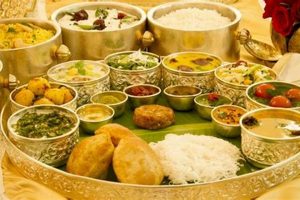
Cuisine originating from the Indian subcontinent, prepared in a specific cylindrical clay oven, represents a distinct cooking style. Meats and vegetables are marinated in yogurt and spices, then baked at high temperatures within the tandoor. Chicken, for instance, is a popular choice for this method, resulting in a smoky flavor and tender texture.
This culinary practice offers numerous advantages. The high heat sears the food quickly, sealing in juices and enhancing flavor. The use of yogurt and spices not only tenderizes the ingredients but also contributes to the nutritional value. Historically, this method provided a communal way of cooking, preserving food and imparting unique characteristics to dishes.
The following sections will delve into the specific ingredients, preparation techniques, and regional variations associated with this popular style of south asian cooking, offering a comprehensive overview of its cultural significance and culinary appeal.
Tandoori Preparation
This section outlines key considerations for achieving optimal results when employing this specialized method of food preparation. Adherence to these guidelines will contribute to the authenticity and quality of the finished product.
Tip 1: Marination Duration: Adequate marination is crucial. Allow meats and vegetables to marinate for a minimum of four hours, and ideally overnight, to ensure thorough flavor penetration and tenderization.
Tip 2: Yogurt Consistency: Utilize thick, full-fat yogurt for the marinade. Excess liquid will hinder the adhesion of spices and dilute the flavor profile.
Tip 3: Spice Blend: Employ freshly ground spices for maximum aroma and potency. Pre-ground spices often lose their volatile oils, diminishing the overall flavor.
Tip 4: Temperature Control: Maintaining a consistent high temperature within the cooking apparatus is essential for proper cooking and characteristic charring. Monitor temperature fluctuations and adjust accordingly.
Tip 5: Skewering Technique: When skewering, ensure even distribution of ingredients to promote uniform cooking. Avoid overcrowding the skewers, as this can impede heat circulation.
Tip 6: Oil Application: Lightly brush the ingredients with oil before cooking to enhance browning and prevent sticking. Select an oil with a high smoke point to withstand the high temperatures.
Tip 7: Resting Period: After cooking, allow the prepared item to rest for a brief period before serving. This allows the juices to redistribute, resulting in a more succulent and flavorful product.
Consistent application of these techniques yields a superior culinary outcome, characterized by robust flavor, tender texture, and authentic presentation. Mastering these elements is essential for successful execution of this technique.
The subsequent sections will explore the cultural significance and contemporary adaptations of this traditional culinary art form.
1. Marination

Marination forms a foundational pillar in the preparation of south asian cuisine cooked within a specific cylindrical oven. This process, typically involving yogurt, a blend of spices, and acidic components like lemon juice, serves multiple critical functions. Primarily, it tenderizes the proteins, breaking down tough muscle fibers through enzymatic action. Simultaneously, it infuses the ingredients with a complex tapestry of flavors, penetrating deep into the meat or vegetables. For instance, chicken benefits significantly from overnight marination, resulting in enhanced succulence and a more pronounced aromatic profile.
The duration and composition of the marinade directly influence the final outcome. Extended marination periods allow for deeper flavor penetration but can also lead to excessive protein breakdown if the acidic components are too concentrated. Specific spice combinations, such as the inclusion of ginger and garlic pastes, contribute not only to flavor but also to the antibacterial properties of the marinade, historically significant in preserving food. Consider that vegetables, requiring less tenderization, typically undergo shorter marination times compared to tougher cuts of meat.
In summary, marination is not merely a preparatory step; it’s an integral element that defines the texture, flavor, and overall quality of this type of food. A thorough understanding of its principles is essential for achieving authentic and satisfying results. Failure to adequately marinate ingredients results in a dish that lacks the characteristic tenderness and complex flavor profile expected of this popular food style.
2. Spice Blends

The distinctive character of south asian tandoori dishes originates substantially from the complex interplay of spice blends. These carefully formulated mixtures contribute not merely to flavor, but also to the color, aroma, and overall sensory experience of the cuisine. The selection and proportion of individual spices are paramount, directly influencing the authenticity and perceived quality of the final product. For example, garam masala, a cornerstone of many tandoori marinades, typically includes cardamom, cinnamon, cloves, cumin, and coriander, each contributing a unique note to the flavor profile. Variation in the ratios of these spices creates subtle yet significant differences in the finished product.
The impact of spice blends extends beyond mere taste. Turmeric, a common ingredient, imparts a vibrant yellow-orange hue and possesses anti-inflammatory properties. Chili powder introduces varying levels of heat, tailored to regional preferences. Cumin and coriander contribute earthy and citrusy notes, respectively, creating a balanced and nuanced flavor profile. The application of spice blends often involves a combination of dry and wet components, with yogurt serving as a binding agent and providing a tangy counterpoint to the richness of the spices. Practical application involves understanding the individual characteristics of each spice and their synergistic effects when combined. Skilled chefs carefully adjust the blends to achieve the desired level of heat, acidity, and overall flavor complexity.
In conclusion, spice blends are an indispensable component. Their careful selection and skillful application are critical to achieving the authentic flavor and sensory appeal. Variations in spice blends reflect regional culinary traditions and personal preferences, contributing to the diverse landscape of tandoori cuisine. The challenge lies in balancing the individual flavors to create a harmonious and memorable culinary experience. Mastering the art of spice blending is therefore essential for anyone seeking to create authentic and flavorful versions of this iconic dish.
3. High Heat

The intense thermal environment is a defining characteristic of south asian cuisine prepared in a tandoor. The tandoor, a cylindrical clay oven, reaches temperatures exceeding 480 degrees Celsius (900 degrees Fahrenheit), creating a unique cooking environment. This extreme heat is not merely a byproduct of the cooking process; it is integral to achieving the desired textural and flavor profiles. The high temperature rapidly sears the exterior of meats and vegetables, creating a characteristic char while simultaneously sealing in the juices, preventing excessive moisture loss. Without this rapid searing effect, the food would stew rather than bake, resulting in a vastly different and undesirable outcome. A practical example is chicken, where the high heat ensures a crispy, slightly charred skin while maintaining a moist and tender interior.
The application of high heat also influences the Maillard reaction, a chemical process between amino acids and reducing sugars that is accelerated at high temperatures. This reaction is responsible for the development of complex flavors and aromas, contributing significantly to the culinary appeal. Furthermore, the radiant heat within the tandoor cooks the food evenly from all sides, ensuring uniform doneness. This even cooking is difficult to replicate using conventional ovens or grilling methods. The practical significance of understanding this principle lies in the ability to control the cooking process and achieve consistent results. Adjustments to cooking time and distance from the heat source are necessary to prevent overcooking or undercooking, depending on the specific ingredients and desired level of char.
In summary, high heat is not merely an operational parameter; it is a critical component of the flavor, texture, and cooking process. A deep understanding of its effects, supported by precise temperature control, is essential for achieving authentic and consistent results. The challenges associated with maintaining consistent temperatures can be addressed through careful monitoring and adjustment of fuel sources. The connection between high heat and the dish exemplifies the importance of mastering fundamental culinary principles to achieve a superior product.
4. Tandoor Oven

The tandoor oven is inextricably linked to the preparation of a specific style of south asian cuisine. It is not merely a cooking appliance but a defining element that imparts unique characteristics to the resulting dishes. Its cylindrical shape, typically constructed from clay, allows for the maintenance of extremely high temperatures, often exceeding 900 degrees Fahrenheit. This intense heat, coupled with the oven’s enclosed design, creates a cooking environment that is difficult to replicate using other methods. The direct result of this environment is a distinctive smoky flavor and a characteristic char on the exterior of foods, while the interior remains moist and tender. Consider, for example, the preparation of chicken; the tandoor ensures a crisp skin and juicy meat, a result unattainable through conventional baking or grilling. The absence of a tandoor necessitates significant adjustments to recipes and cooking techniques, often compromising the authenticity of the final product.
The operational principles of the tandoor also contribute to its significance. The radiant heat emitted by the clay walls cooks food evenly from all sides, minimizing the need for constant turning or repositioning. This even cooking is crucial for achieving consistent results and preventing localized burning. Furthermore, the smoky flavor imparted by the tandoor arises from the combustion of fats and juices dripping onto the hot coals or wood at the base of the oven. This process imbues the food with a complex and nuanced flavor profile. From a practical perspective, understanding the tandoor’s heat distribution and smoke generation is essential for mastering its use. Improper fuel management or inadequate ventilation can lead to uneven cooking or excessive smoke, negatively impacting the quality of the dish. The tandoor’s design and operational characteristics are therefore central to the successful creation of authentic and flavorful south asian dishes.
In summary, the tandoor oven is far more than just a cooking vessel; it is an integral component that defines its flavor, texture, and overall authenticity. The challenges associated with replicating its unique cooking environment highlight its importance. The use of alternative cooking methods invariably leads to compromises in taste and texture, underscoring the tandoor’s indispensable role in the creation of the popular food style. This understanding of its functionality and impact is essential for both culinary professionals and enthusiasts seeking to authentically recreate this culinary tradition.
5. Smoky Flavor

The presence of a distinct smoky flavor is an indispensable attribute of authentic dishes prepared utilizing a specific cylindrical oven. This characteristic arises from the combustion of fats, marinades, and juices dripping onto the heat source within the oven. As these substances vaporize, they infuse the food with aromatic compounds, creating a sensory experience that is central to the cuisine’s appeal. For example, well-prepared chicken exhibits a subtle yet pronounced smoky undertone, distinguishing it from versions prepared in conventional ovens. The intensity of the smokiness depends on factors such as the type of fuel used (wood, charcoal, or a combination), the duration of cooking, and the ventilation within the oven. Understanding this relationship is critical for achieving the desired balance of flavors, avoiding an overly acrid or bitter taste.
The practical application of this knowledge involves careful management of the cooking environment. Controlling the amount of fuel, ensuring adequate but not excessive ventilation, and positioning the food appropriately within the tandoor all contribute to the development of a balanced and appealing smoky flavor. For instance, placing ingredients closer to the heat source will generally result in a more intense smokiness, while increasing ventilation can help to mitigate excessive smoke build-up. Recognizing these factors allows skilled cooks to tailor the smoky flavor profile to specific recipes and personal preferences. Moreover, the absence of this flavor component often signals a deviation from authentic cooking techniques, thereby diminishing the culinary experience. Recipes attempting to replicate this cuisine using conventional ovens frequently incorporate liquid smoke or smoked paprika to compensate for the lack of natural smokiness.
In summary, the smoky flavor is not merely a superficial characteristic; it is a defining attribute rooted in the unique cooking process. The challenges associated with replicating this flavor profile outside of the traditional tandoor oven underscore its importance. Precise control over the fuel, ventilation, and positioning of ingredients within the oven are paramount. A keen awareness of these factors is essential for both culinary professionals and enthusiasts seeking to recreate authentic and flavorful versions of this particular food style. The absence of a smoky flavor often indicates a compromise in authenticity, highlighting its central role in the culinary experience.
6. Yogurt Tenderization

Yogurt tenderization is a critical step in the preparation of meats and vegetables, integral to the final texture and flavor. The lactic acid present in yogurt denatures proteins, breaking down tough muscle fibers. This process, essential for optimal results, results in a significantly more tender product. Marinating chicken or lamb in yogurt-based mixtures before employing the high-heat, cylindrical oven method, exemplifies this process. The effect is a significant improvement in the palatability of tougher cuts of meat, making them suitable for this style of preparation.
The effectiveness of yogurt tenderization is further enhanced by the addition of other acidic components, such as lemon juice or vinegar, and proteolytic enzymes found in ginger and garlic. The extended marination times, often overnight, allow these tenderizing agents to fully penetrate the ingredients, maximizing their impact. Practical experience reveals that inadequate marination leads to a tougher, less flavorful end product, emphasizing the importance of this step. Moreover, the yogurt marinade serves as a vehicle for infusing the ingredients with a complex blend of spices, further enhancing the overall flavor profile.
In summary, yogurt tenderization is not merely a preparatory step; it is a fundamental element. The challenge lies in understanding the optimal marination times and yogurt composition to achieve the desired level of tenderness without compromising the structural integrity of the ingredients. Understanding this technique allows for consistent results and elevates the quality. This process is essential for authentic culinary practice.
Frequently Asked Questions
The following questions address common inquiries and misconceptions regarding the preparation, characteristics, and cultural significance of this culinary style.
Question 1: Is it inherently spicy?
The level of heat varies depending on the specific recipe and regional variations. While some preparations incorporate chilies for added spice, others prioritize a more balanced flavor profile. The term encompasses a wide range of dishes with varying degrees of spiciness.
Question 2: Can this style be prepared without a specialized oven?
While authentic requires a tandoor oven, alternative methods, such as conventional ovens or grills, can be employed to approximate the results. However, these methods may not fully replicate the unique smoky flavor and textural characteristics achieved in a traditional tandoor.
Question 3: What are the common ingredients used in the marinade?
The marinade typically consists of yogurt, ginger, garlic, lemon juice, and a blend of spices, including garam masala, turmeric, cumin, and coriander. The specific composition of the marinade can vary depending on the desired flavor profile and regional preferences.
Question 4: Is it suitable for vegetarian diets?
While often associated with meat dishes, vegetarian options are prevalent. Vegetables such as paneer (Indian cheese), cauliflower, and potatoes can be marinated and cooked in the tandoor, offering a flavorful and satisfying alternative to meat-based preparations.
Question 5: How long should the ingredients be marinated?
Marination times vary depending on the type of ingredient. Meats generally require longer marination periods (at least four hours, preferably overnight) to allow for proper tenderization and flavor penetration. Vegetables typically require shorter marination times (one to two hours).
Question 6: Does it have any health benefits?
The preparation method generally avoids excessive oil, and the use of spices contributes antioxidants and other beneficial compounds. However, the caloric content and nutritional value can vary depending on the specific ingredients and portion sizes.
In summary, authentic dishes are distinguished by their unique cooking method and complex flavor profiles. Understanding these fundamental elements is essential for appreciating and recreating this popular cuisine.
The following sections will delve into the regional variations and contemporary adaptations of this traditional culinary art form.
Conclusion
The preceding exploration has detailed the essential elements of cuisine prepared in a specific cylindrical oven: marination techniques, spice blends, the application of high heat, the significance of the specialized oven, the resultant smoky flavor, and the role of yogurt in tenderization. These factors collectively define the dishes, influencing both their texture and flavor profiles.
The sustained popularity of this traditional Indian method highlights its enduring culinary value. Continued exploration and preservation of these techniques will ensure that this culinary tradition continues to be appreciated and understood for generations to come. Further research into the precise effects of the unique cylindrical oven environment on various ingredients promises a deeper understanding of this essential cooking method.