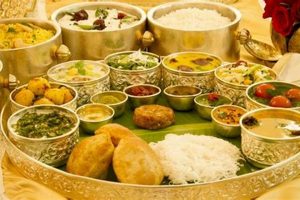
Certain culinary traditions within India cater specifically to periods of religious observance or dietary restrictions. These traditions involve consuming particular types of dishes and ingredients, while abstaining from others, in accordance with prescribed guidelines. For example, dishes made with sendha namak (rock salt) and certain flours like singhare ka atta (water chestnut flour) are commonly consumed, whereas regular table salt and grains like wheat and rice are often avoided.
The practice of consuming these specialized foods during specific times reflects a deeply rooted cultural and religious significance. It offers adherents a way to maintain their spiritual practices while still nourishing the body. Historically, these dietary adaptations have ensured sustenance during periods of limited food choices and served as a means of purification and self-discipline. The benefits extend beyond the purely physical, often providing a sense of community and shared experience among those observing similar practices.
Understanding these dietary guidelines is essential for individuals observing religious fasts or dietary restrictions. Therefore, the following sections will explore specific ingredients, recipes, and regional variations related to the preparation and consumption of appropriate meals during these periods of observance, highlighting common practices and considerations.
Adhering to specific dietary guidelines during religious fasts requires careful consideration. The following points offer practical advice to ensure proper adherence and nutritional well-being.
Tip 1: Ingredient Verification: Prior to consumption, meticulously verify the permissibility of all ingredients. Ensure that the components align with the specific rules governing the period of observance. For example, confirm the use of sendha namak (rock salt) instead of common table salt.
Tip 2: Flour Selection: Exercise caution when selecting flours. Opt for alternatives like singhare ka atta (water chestnut flour), kuttu ka atta (buckwheat flour), or rajgira ka atta (amaranth flour) in place of wheat-based flours, which are generally restricted.
Tip 3: Oil Considerations: Use oils permissible during the observance, such as ghee (clarified butter) or vegetable oils. Avoid using any oil that is specifically prohibited by the religious or cultural guidelines being followed.
Tip 4: Fruit and Vegetable Choices: Favor fruits and vegetables that are deemed acceptable. While many fresh fruits and vegetables are generally allowed, some restrictions might apply depending on the specific guidelines followed. Consult relevant religious texts or knowledgeable individuals for clarity.
Tip 5: Hydration is Crucial: Maintain adequate hydration by consuming water, buttermilk, or permissible fruit juices. Dehydration can lead to various health issues; therefore, consistent fluid intake is essential.
Tip 6: Portion Control: Practice portion control to avoid overeating, even with permissible foods. Consuming excessive quantities, even of allowed items, can negate the intended benefits of the fast and lead to digestive discomfort.
Tip 7: Preparation Hygiene: Ensure that all food preparation areas and utensils are thoroughly cleaned and free from contamination with restricted ingredients. Cross-contamination can inadvertently violate the dietary restrictions.
Compliance with these guidelines ensures adherence to the principles of dietary observance while supporting overall health. Attentive planning and ingredient awareness are essential for a successful and meaningful experience.
The subsequent sections will delve into specific recipes and meal plans suitable for various types of dietary observances, providing practical examples and detailed instructions.
1. Ingredient Permissibility

Ingredient permissibility forms the cornerstone of dietary practices during periods of religious observance within Indian traditions. The meticulous selection of ingredients that adhere to specific guidelines dictates the acceptability of a dish and ensures compliance with the intended spiritual and physical disciplines.
- Prohibited Staples and Alternatives
A defining characteristic of many observances is the restriction of staple grains such as rice and wheat. Acceptable alternatives often include flours derived from water chestnuts (singhare ka atta), buckwheat (kuttu ka atta), and amaranth (rajgira ka atta). This substitution ensures energy intake while adhering to the prescribed restrictions.
- Salt Restrictions: Regular vs. Rock Salt
Common table salt is frequently prohibited, with rock salt (sendha namak) serving as the permitted alternative. The rationale behind this substitution often relates to processing methods, with rock salt perceived as being in a purer, less processed state compared to iodized table salt. This subtle difference can determine the acceptability of an entire dish.
- Spice Restrictions: Onion and Garlic
Certain spices, notably onion and garlic, are often excluded from preparations. This avoidance stems from their perceived effects on the body and mind, with some traditions considering them to be stimulating or disruptive to a state of tranquility. The absence of these common ingredients significantly alters the flavor profile of the final dish.
- Permitted Dairy and Legumes
Dairy products, particularly milk and yogurt, often hold a permissible status. Similarly, specific legumes may be allowed, while others are restricted. This distinction highlights the nuanced nature of dietary rules, requiring a thorough understanding of specific stipulations.
The careful consideration of permissible and prohibited ingredients underscores the meticulous approach to dietary observances. These stipulations, driven by religious and cultural beliefs, profoundly shape the culinary landscape associated with these periods, dictating recipe formulation and the overall eating experience.
2. Preparation Methods

Preparation methods play a crucial role in determining the suitability of a dish for consumption during periods of religious fasting within Indian traditions. Adherence to specific techniques ensures that ingredients retain their permissible status and that the final product aligns with the underlying principles of the observance.
- Utensil Purity
The selection and cleanliness of utensils are paramount. Vessels used for preparing meals intended for consumption during fasting periods must be meticulously cleaned to prevent cross-contamination with prohibited ingredients. Separate sets of utensils are often maintained specifically for this purpose, reinforcing the commitment to purity.
- Oil Usage and Cooking Medium
The choice of cooking medium is carefully considered. Ghee (clarified butter) is often favored due to its perceived purity and traditional associations with religious rituals. Vegetable oils may also be permissible, but careful scrutiny is applied to ensure they have not been processed in a manner that violates the principles of the fast. The oil must also not have been previously used for cooking any non-permissible food.
- Simplicity and Minimalism
Preparation techniques often emphasize simplicity and minimalism. Intricate cooking processes or elaborate flavor combinations may be avoided in favor of techniques that highlight the natural flavors of the permissible ingredients. This approach aligns with the emphasis on purity and self-restraint characteristic of the observance.
- Avoidance of Certain Techniques
Certain preparation techniques, such as deep-frying or the use of pre-packaged ingredients, may be restricted. These limitations stem from concerns about the potential for hidden ingredients or processes that compromise the permissible status of the final dish. Homemade preparations are often favored to ensure complete control over the ingredients and methods used.
These preparation methods underscore the dedication to purity and adherence to established guidelines during periods of fasting. The careful selection of utensils, cooking mediums, and techniques reflects the broader commitment to religious principles and contributes to the overall experience of spiritual observance. These factors collectively ensure that sustenance remains aligned with the intended purpose of the fasting period.
3. Regional Variations

The culinary landscape of India exhibits significant regional variations, influencing the specific dietary practices observed during periods of religious fasting. These variations reflect local agricultural produce, cultural traditions, and established religious customs, resulting in diverse approaches to food selection and preparation.
- Grain and Flour Choices
Different regions prioritize specific grains and flours during fasting periods. While buckwheat (kuttu) and water chestnut flour (singhare ka atta) are widely used, some areas may favor amaranth (rajgira) or tapioca pearls (sabudana) as primary sources of carbohydrates. The availability and traditional usage of these ingredients dictate their prominence in regional fasting cuisines.
- Spice Usage and Flavor Profiles
The utilization of spices varies substantially across regions. Some areas may permit a broader range of spices, while others adhere to stricter limitations, often excluding common ingredients like garlic, onion, and even certain types of chilies. This impacts the overall flavor profiles, leading to distinct regional variations in fasting dishes.
- Vegetable and Fruit Preferences
Regional preferences extend to the selection of vegetables and fruits considered acceptable during fasting. While potatoes, sweet potatoes, and gourds are generally permitted, certain regions may restrict specific vegetables based on cultural or religious beliefs. The availability of locally grown produce also influences these choices.
- Dairy and Sweet Preparations
The use of dairy products and sweet preparations varies considerably. Some regions incorporate dairy extensively, creating yogurt-based dishes and milk-based sweets. Other areas may limit dairy consumption, opting for fruit-based desserts or avoiding sweeteners altogether. Regional customs and traditions shape these choices.
These regional variations highlight the diverse interpretations of dietary guidelines during fasting periods. The specific ingredients, spices, and preparation methods employed reflect the interplay of local agricultural practices, cultural traditions, and religious beliefs, creating a rich tapestry of fasting cuisines throughout India.
4. Nutritional Balance

The adherence to specific dietary rules during religious fasting periods in India necessitates careful consideration of nutritional balance. Restrictions on staple foods like grains and certain vegetables can inadvertently lead to nutrient deficiencies if not properly addressed through strategic food choices. A well-planned fasting diet should prioritize adequate protein intake, complex carbohydrates, and essential vitamins and minerals to mitigate potential health risks.
For example, the avoidance of regular salt requires an alternative source of electrolytes. Rock salt (sendha namak) provides sodium chloride, but supplemental sources may be necessary during extended fasts. Similarly, the restriction of grains necessitates reliance on alternative flours such as buckwheat (kuttu atta) or water chestnut flour (singhare ka atta), which offer varying nutritional profiles. Buckwheat provides fiber and certain minerals, while water chestnut flour primarily supplies carbohydrates. Strategic combination is vital. Dairy products, when permitted, can contribute calcium and protein, further enhancing the nutritional adequacy of the diet. Including a variety of fruits and vegetables ensures a broader intake of vitamins and antioxidants. Sabudana (tapioca pearls) are commonly consumed, but should be combined with other nutrient rich food for balanced diet.
Ultimately, maintaining nutritional balance during periods of religious fasting requires informed planning and attention to detail. Understanding the nutrient content of permitted foods and strategically combining ingredients allows for the creation of meals that align with both religious requirements and the needs of the body. Failing to prioritize these factors can lead to deficiencies, undermining the intended benefits of the fast. Therefore, nutritional balance forms an integral component of responsible and healthful adherence to dietary observances.
5. Cultural Significance

The link between “cultural significance” and the culinary traditions surrounding periods of religious fasting is profound. The specific dietary guidelines are not merely arbitrary restrictions; they are deeply embedded in cultural and religious beliefs, acting as tangible expressions of faith and adherence to long-standing customs. Dietary observances during fasting periods are often considered acts of piety, serving as a means of self-discipline and spiritual purification. The selection of particular ingredients and the avoidance of others reflect deeply held values and beliefs that have been passed down through generations, solidifying cultural identity and reinforcing community bonds. For instance, the use of sendha namak (rock salt) instead of regular table salt is linked to purity notions, while the abstinence from grains connects to ideas of simplicity.
The practical significance of understanding this cultural context lies in comprehending the motivations behind these dietary choices. For those observing fasting periods, it provides a sense of purpose and connection to their heritage. For individuals outside these traditions, it fosters empathy and respect for diverse cultural practices. Moreover, this understanding can influence food preparation, service, and even marketing strategies, ensuring sensitivity and appropriateness when catering to those observing fasting periods. For instance, restaurants offering “fasting menus” often highlight compliance with specific religious guidelines and the use of permissible ingredients. Families also have practices in passing the cultural significance to younger generations.
In summary, the cultural significance profoundly shapes the landscape of fasting cuisine. This connection not only influences ingredient selection and preparation techniques but also underscores the importance of respecting and understanding the diverse cultural traditions that underpin these dietary practices. Challenges may arise in adapting traditional recipes to modern dietary needs or addressing conflicting interpretations of religious guidelines. Nevertheless, recognizing and honoring cultural significance remains paramount in ensuring that fasting food traditions retain their meaning and relevance within Indian society. The cultural significance is what separate normal food and fasting food.
6. Dietary Restrictions

Dietary restrictions are a defining characteristic of the culinary landscape surrounding religious fasting periods in India. These restrictions form the foundation upon which specific food choices are made and preparations are undertaken. The limitations, driven by religious and cultural beliefs, dictate which ingredients are permissible and which are to be avoided, effectively shaping the scope of “fasting food Indian.” For example, the common restriction of grains like rice and wheat directly causes the substitution of alternative flours derived from water chestnuts, buckwheat, or amaranth. This substitution ensures continued energy intake while adhering to the fasting rules. Therefore, dietary restriction is a foundational component of what constitutes appropriate cuisine during these times.
The importance of understanding dietary restrictions stems from their direct impact on nutritional intake and compliance with religious obligations. Adherents must carefully scrutinize ingredient lists and preparation methods to ensure strict compliance. Failure to adhere to these restrictions can be viewed as a violation of the intended spirit of the fast. Practically, this understanding translates into meticulous meal planning, ingredient verification, and the use of separate cooking utensils to prevent cross-contamination. Restaurants and caterers specializing in fasting food also rely heavily on this knowledge to provide appropriate and acceptable meals to their clientele. Understanding the differences between ekadasi fasting and navratri fasting provides further insight of dietary restrictions, and what is permitted or restricted.
In summary, dietary restrictions are an essential element of the cuisine surrounding periods of religious fasting, dictating permissible ingredients and influencing food preparation techniques. A thorough understanding of these restrictions is vital for individuals observing fasts and for those providing food services to this segment. While challenges may arise in interpreting and applying these restrictions consistently across different communities and regions, their fundamental role in defining what constitutes appropriate fare during fasting periods remains undeniable. The challenges are to provide balance nutrition while adhering to the restrictions.
7. Spice Usage

Spice usage represents a critical element within the culinary practices observed during periods of religious fasting in India. The selection and application of spices are often carefully regulated, adhering to specific guidelines that reflect religious beliefs and cultural traditions. This aspect significantly influences the flavor profile and overall suitability of meals prepared for such observances.
- Permitted Spices and Their Significance
Certain spices are generally considered permissible during fasting periods due to their perceived purity or beneficial properties. Common examples include cumin (jeera), coriander (dhania), ginger (adrak), and green cardamom (elaichi). These spices contribute to the flavor complexity of dishes while adhering to the constraints imposed by the fast. Their significance often lies in their perceived ability to aid digestion or possess properties considered conducive to spiritual well-being.
- Restricted Spices and Their Rationale
Conversely, certain spices are frequently restricted due to their perceived effects on the body or mind. Onion (pyaaz) and garlic (lehsun) are prominent examples, often excluded due to their potent flavors and associations with stimulation or distraction from spiritual pursuits. The rationale behind these restrictions varies across different traditions and communities but typically centers on maintaining a state of purity and focus.
- Regional Variations in Spice Selection
Spice usage exhibits substantial regional variations within India. While certain restrictions may be broadly observed, the specific spices deemed permissible or preferable can differ significantly based on local customs and culinary traditions. For instance, certain regions may allow the use of specific types of chili peppers, while others may prohibit them altogether. These regional variations contribute to the diverse range of fasting cuisines throughout the country.
- Impact on Flavor Profiles and Culinary Creativity
The restrictions on spice usage necessitate culinary creativity and adaptation. Chefs and home cooks must devise innovative ways to enhance the flavor of dishes using permitted spices, often relying on techniques such as roasting or toasting to deepen their aroma and intensity. This constraint fosters a unique culinary landscape, characterized by subtle yet distinctive flavor profiles that distinguish fasting cuisine from everyday fare.
The carefully regulated use of spices underscores the significance of dietary practices during religious fasting in India. These guidelines, reflecting religious beliefs, cultural traditions, and regional variations, not only influence the flavor of meals but also serve as tangible expressions of faith and adherence to established customs. The implications extend beyond mere taste, impacting the overall experience of spiritual observance and reinforcing the cultural significance of food during these periods.
Frequently Asked Questions
The following section addresses common inquiries regarding the dietary practices observed during religious fasting periods within the Indian context. Information provided aims to clarify common misconceptions and offer guidance based on established customs and guidelines.
Question 1: Are all grains prohibited during fasting periods?
No, not all grains are universally prohibited. While common grains like rice and wheat are frequently restricted, alternative flours derived from water chestnuts (singhare ka atta), buckwheat (kuttu ka atta), and amaranth (rajgira ka atta) are often permitted. Specific guidelines vary based on the religious tradition and regional customs being observed.
Question 2: Is rock salt (sendha namak) always required instead of regular table salt?
In many traditions, yes. Rock salt is often preferred over iodized table salt due to its perceived purity and minimal processing. However, it is crucial to verify the specific guidelines of the religious observance being followed, as exceptions may exist.
Question 3: Why are onion and garlic often restricted?
The exclusion of onion and garlic stems from their perceived effects on the body and mind. These spices are sometimes considered stimulating or disruptive to a state of tranquility, making them unsuitable for periods of spiritual focus and self-discipline.
Question 4: Is it permissible to use pre-packaged or processed foods?
The use of pre-packaged or processed foods is generally discouraged due to concerns about hidden ingredients or preparation methods that may violate the fasting guidelines. Homemade preparations are typically favored to ensure complete control over ingredients and processes.
Question 5: How can nutritional balance be maintained during fasting?
Nutritional balance can be maintained by strategically selecting permissible foods that provide essential nutrients. This involves prioritizing protein intake from dairy products (if allowed), incorporating complex carbohydrates from alternative flours, and consuming a variety of fruits and vegetables.
Question 6: Do fasting guidelines vary across different regions of India?
Yes, significant regional variations exist in fasting practices. The specific ingredients, spices, and preparation methods employed often reflect local agricultural produce, cultural traditions, and established religious customs.
In conclusion, understanding the nuances of dietary guidelines during fasting periods requires careful consideration of religious traditions, cultural customs, and regional variations. Consulting relevant religious texts or knowledgeable individuals can provide clarity on specific stipulations and ensure proper adherence.
The following sections will explore specific recipes and meal plans suitable for various types of dietary observances, providing practical examples and detailed instructions.
Conclusion
The preceding exploration has elucidated the multifaceted nature of culinary traditions during religious observances. From ingredient permissibility and preparation methods to regional variations and nutritional considerations, the analysis reveals a complex system governed by deeply rooted cultural and religious beliefs. The constraints imposed by dietary restrictions necessitate culinary adaptation and innovation, resulting in a diverse range of dishes that adhere to specific guidelines while sustaining nutritional needs.
Continued research and documentation are essential to preserve and disseminate knowledge regarding these unique culinary practices. A greater awareness and appreciation for the cultural significance of these traditions can foster respect for diverse dietary practices and promote inclusivity within the broader culinary landscape. Further study should focus on the evolving role of these traditions in modern society and their potential adaptation to contemporary dietary needs and preferences. This will ensure future generations retain access to this important culinary and cultural heritage.