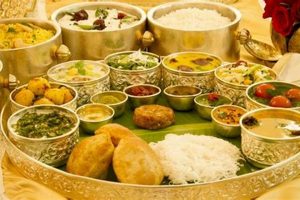
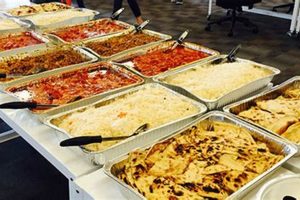
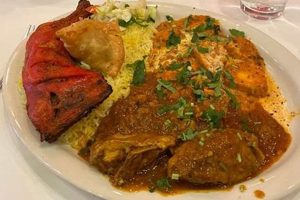
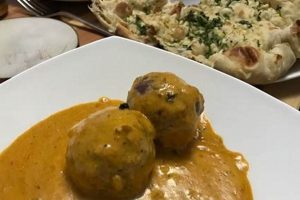
Culinary traditions across the Indian subcontinent exhibit significant regional diversity. These variations are particularly pronounced when comparing the fare of the northern and southern regions. Distinct geographical and climatic factors have shaped ingredient availability and cooking styles, leading to disparate flavor profiles and commonly consumed dishes. For example, wheat-based breads are a staple in the north, whereas rice is central to southern diets.
The contrasting culinary practices provide insight into India’s rich cultural tapestry. Understanding these differences enhances appreciation for the regional specialities and their historical roots. The influence of various empires and trade routes have uniquely impacted regional cuisine over centuries. This led to the development of specialized techniques and the integration of diverse ingredients into distinct cooking traditions.
The following sections will delve into specific characteristics that distinguish the culinary landscape between these two regions. These include key ingredients, preparation methods, prevalent spice usage, and the impact of these factors on the overall dining experience. Exploring these variances offers a detailed understanding of the diversity within Indian gastronomy.
The following guidelines offer insights into discerning and appreciating the nuances between distinct culinary offerings.
Tip 1: Prioritize rice as a primary starch when sampling southern meals; wheat-based breads, such as naan or roti, are frequently served in northern establishments.
Tip 2: Observe the prominence of lentils and legumes. Dishes incorporating lentils are generally more frequently encountered in southern offerings, such as sambar or rasam.
Tip 3: Note the use of coconut. Its presence, whether in grated form or as coconut milk, often indicates a southern influence, providing creamy texture and flavor.
Tip 4: Identify predominant spices. Mustard seeds, curry leaves, and asafoetida are common in southern dishes, contributing to a unique aromatic profile.
Tip 5: Assess the level of heat. While both cuisines can feature spicy dishes, southern renditions may utilize chilies more liberally, resulting in a higher perceived heat level.
Tip 6: Explore vegetarian options. Both regions offer diverse vegetarian dishes, but southern fare often features unique vegetable preparations and lentil-based stews.
Tip 7: Consider the use of tamarind. Its sour and tangy flavor is a hallmark of many southern preparations, providing complexity to sauces and curries.
Tip 8: Pay attention to preparation methods. Steaming and shallow frying are more prevalent in southern cooking, while tandoor-style cooking and deep frying are more common in northern styles.
By considering these elements, a more informed assessment can be achieved when differentiating dishes and the broader regional culinary spectrum.
These guidelines serve as a foundation for a more comprehensive understanding of regional variations. Future explorations may delve into the historical and cultural factors that influence culinary practices.
1. Staple Grains

Staple grains form the foundational dietary components that substantially differentiate the regional cuisines of northern and southern India. The contrasting geographical and climatic conditions have resulted in the cultivation and consumption of distinct primary grains, influencing the texture, preparation methods, and overall character of dishes.
- Wheat in Northern India
Wheat is a cornerstone of northern Indian cuisine, reflecting the region’s suitable climate for its cultivation. It is primarily consumed in the form of various breads, including roti, naan, paratha, and puri. These breads are typically cooked on a tawa or in a tandoor, contributing a unique smoky flavor and texture. The versatility of wheat allows it to be incorporated into various dishes, from simple flatbreads served with curries to stuffed parathas consumed as a standalone meal. The availability and affordability of wheat have cemented its status as a staple, influencing the types of accompaniments and cooking styles prevalent in the north.
- Rice in Southern India
Rice is the dominant staple grain in southern India, thriving in the region’s humid and fertile lands. It serves as the base for a wide array of dishes, including plain rice, biryani, and various rice-based preparations like idli, dosa, and appam. The preparation methods for rice in the south are diverse, ranging from steaming to fermentation, resulting in a variety of textures and flavors. Rice is often paired with lentil-based dishes like sambar and rasam, showcasing the region’s emphasis on complementary flavors and nutritional balance. The significance of rice extends beyond sustenance, holding cultural and ritualistic importance in many southern communities.
- Millet and Other Grains
While wheat and rice dominate, the use of millet and other grains offers further nuance to regional differences. In certain parts of both northern and southern India, millet such as bajra and jowar are consumed, reflecting local agricultural practices and dietary preferences. These grains are often ground into flour and used to make flatbreads or porridges, providing a nutritious alternative to wheat and rice. The incorporation of millet and other grains signifies a regional adaptation to specific environmental conditions and demonstrates the diversity within Indian culinary traditions.
The divergent reliance on wheat and rice as staple grains significantly influences the culinary landscape across northern and southern India. These grains dictate the types of dishes prepared, the accompanying flavors, and the overall dietary profile of each region, highlighting the intimate connection between agriculture, environment, and culinary identity. Recognizing these fundamental distinctions in staple grains is crucial for understanding and appreciating the breadth of Indian gastronomy.
2. Spice Profiles

Regional spice profiles constitute a primary differentiating factor between northern and southern culinary traditions. The selection, combination, and intensity of spice usage contribute significantly to the distinct flavor characteristics of each region. Understanding these variations provides insights into historical influences, agricultural practices, and cultural preferences.
- Northern India: Aromatic and Warm Spices
Northern Indian spice profiles often feature a blend of aromatic and warm spices. Garam masala, a quintessential spice mixture, typically includes cardamom, cinnamon, cloves, cumin, and coriander. These spices impart a rich, complex flavor to curries, stews, and meat preparations. Saffron, ginger, garlic, and dried fruits are also commonly used. The influence of Mughlai cuisine is evident in the use of ingredients like rosewater and nuts, contributing to richer and more fragrant dishes.
- Southern India: Tangy and Earthy Spices
Southern Indian spice profiles are characterized by a combination of tangy, earthy, and often fiery elements. Mustard seeds, curry leaves, dried red chilies, tamarind, and asafoetida play crucial roles. Sambar powder and rasam powder, distinct regional spice blends, are fundamental to southern lentil-based dishes. Coconut milk and curry leaves contribute to the distinctive aroma and flavor of many southern curries and stews. The use of fresh herbs and spices underscores the region’s emphasis on vibrant and pungent flavors.
- Regional Variations within Southern India
Within the southern region, specific spice preferences vary among states. Kerala cuisine often features black pepper, cloves, and cardamom due to the region’s spice plantations. Andhra Pradesh cuisine is known for its high chili content, resulting in intensely spicy dishes. Tamil Nadu cuisine incorporates a balanced blend of spices, including mustard seeds, fenugreek, and curry leaves. These regional variations underscore the diversity within southern Indian culinary traditions.
- Blending Techniques and Culinary Impact
Distinct spice blending techniques further differentiate northern and southern cuisines. In the north, spices are often ground into fine powders and added directly to dishes or tempered in oil to release their flavors. In the south, spice pastes are commonly prepared by grinding fresh spices with ingredients like ginger, garlic, and onions. These spice pastes form the base for many curries and stews, imparting depth and complexity. The preparation and utilization of spices directly influence the texture, aroma, and taste of regional dishes.
The contrasting spice profiles of northern and southern India reflect distinct culinary philosophies and historical influences. Understanding these differences is crucial for appreciating the regional nuances and complexities within Indian gastronomy. The careful selection and skillful blending of spices are essential elements in defining the flavor identity of each region, contributing to the diverse and vibrant culinary landscape of India.
3. Cooking Oils

Cooking oils represent a fundamental element differentiating the culinary practices of northern and southern India. The choice of cooking oil influences flavor profiles, cooking techniques, and the overall character of regional dishes.
- Ghee (Clarified Butter) in Northern India
Ghee, or clarified butter, is a prevalent cooking medium in northern Indian cuisine, particularly in Mughlai-influenced dishes. Its rich, nutty flavor enhances the taste of curries, breads, and sweets. Ghee’s high smoke point makes it suitable for high-heat cooking methods, contributing to the texture and aroma of certain preparations. Its association with celebratory and festive occasions further solidifies its cultural significance in the north.
- Vegetable Oils in Northern India
In addition to ghee, various vegetable oils, such as sunflower and canola oil, are commonly used in northern Indian cooking. These oils offer a neutral flavor profile, allowing the spices and other ingredients to shine through. They are particularly useful for sauting, frying, and tempering spices. The affordability and availability of vegetable oils make them a staple in many northern households.
- Coconut Oil in Southern India
Coconut oil is a defining characteristic of southern Indian cuisine, especially in states like Kerala. Its distinct aroma and flavor impart a tropical note to dishes like seafood curries, vegetable preparations, and appam. Coconut oil’s medium-chain triglycerides (MCTs) contribute to its unique nutritional properties. The readily available coconuts along the coastal regions have made coconut oil a traditional and essential ingredient.
- Sesame Oil in Southern India
Sesame oil, known for its nutty and slightly bitter taste, is frequently used in southern Indian cooking, particularly in Tamil Nadu and Andhra Pradesh. It is often employed for tempering spices and adding depth to pickles and chutneys. Sesame oil’s antioxidant properties and cultural significance contribute to its continued use in traditional recipes. The distinct flavor profile enhances the taste of specific regional dishes.
The divergent use of cooking oils in northern and southern India reflects regional agricultural practices and culinary preferences. Ghee and vegetable oils dominate northern kitchens, lending richness and versatility, while coconut and sesame oils define southern cooking, contributing distinctive flavors and cultural significance. These choices underscore the intimate connection between local resources, culinary traditions, and the overall gastronomic experience.
4. Lentil Usage

Lentil usage represents a significant point of divergence in northern and southern culinary traditions. The frequency, variety, and preparation methods involving lentils contribute substantially to the distinctive character of regional cuisines. This disparity is rooted in agricultural practices, historical influences, and dietary preferences, resulting in contrasting culinary landscapes.
In southern India, lentils form an integral component of daily diets. Dishes such as sambar, rasam, and dal vada exemplify the prominent role of lentils. Sambar, a vegetable-and-lentil-based stew, is a staple accompaniment to rice, idli, and dosa. Rasam, a thin, tamarind-based lentil soup, is frequently consumed as a digestive aid and a flavorful component of meals. Dal vada, a deep-fried lentil fritter, serves as a popular snack or side dish. The abundance of lentil-based preparations reflects the region’s favorable climate for lentil cultivation and a historical emphasis on vegetarian cuisine. For instance, the Brahmin communities of southern India traditionally rely heavily on lentils as a primary protein source, shaping culinary practices and dietary norms.
In northern India, while lentils are certainly consumed, their role is comparatively less pervasive. Dishes like dal makhani, dal tadka, and chana masala showcase lentil usage, but the frequency and variety are generally lower compared to southern preparations. Dal makhani, a creamy black lentil dish, is often reserved for special occasions due to its rich and indulgent nature. Dal tadka, a simple tempered lentil preparation, provides a more common daily option. Chana masala, a chickpea-based curry, highlights the use of legumes in northern cuisine, demonstrating a broader protein source beyond exclusively lentils. The greater prevalence of wheat-based staples and meat consumption in the north contributes to the comparatively reduced emphasis on lentil-centric dishes. Understanding this variance provides critical insights into the dietary habits and culinary identities of both regions.
5. Bread Varieties
The diversity of bread varieties serves as a significant marker differentiating northern and southern Indian cuisines. Variations in staple grains, cooking techniques, and historical influences have led to the development of distinct bread-making traditions, reflecting the unique culinary identities of each region.
- Wheat-Based Breads of the North
Northern India features a wide array of wheat-based breads, forming a staple component of daily meals. Roti, naan, paratha, and puri exemplify this diversity. Roti, a simple unleavened flatbread, is typically cooked on a tawa and consumed with curries or vegetables. Naan, a leavened bread cooked in a tandoor oven, offers a distinct smoky flavor and soft texture. Paratha, a layered flatbread often stuffed with vegetables or spices, provides a more substantial meal option. Puri, a deep-fried bread, is commonly served during festive occasions. These bread varieties showcase the versatility of wheat and the influence of Mughlai cuisine on northern culinary practices.
- Rice-Based Breads of the South
Southern India presents a different approach to bread-making, utilizing rice as the primary ingredient. Idli, dosa, appam, and uttapam are prominent examples of rice-based breads. Idli, steamed rice cakes, are a light and nutritious breakfast staple. Dosa, a thin crepe made from fermented rice and lentil batter, is often served with sambar and chutney. Appam, a fermented rice pancake with crispy edges and a soft center, is a regional specialty. Uttapam, a thick rice pancake topped with vegetables, provides a hearty and flavorful alternative. These bread varieties exemplify the ingenuity of southern cooks in utilizing rice to create diverse and satisfying culinary experiences.
- Regional Variations in Bread Making
Within both northern and southern India, regional variations in bread making further enrich the culinary landscape. In Rajasthan, bajra roti, made from millet flour, offers a nutritious and gluten-free alternative. In Karnataka, akki roti, made from rice flour and vegetables, provides a unique textural and flavorful experience. These regional variations demonstrate the adaptability of bread-making techniques to local ingredients and preferences, contributing to the diversity of Indian cuisine.
- The Cultural Significance of Bread
Bread holds cultural significance in both northern and southern India, often serving as a symbol of hospitality, tradition, and regional identity. In northern India, serving warm roti or naan is considered a sign of respect and generosity. In southern India, sharing idli or dosa is a common practice that strengthens community bonds. The preparation and consumption of bread are often intertwined with religious rituals and festive celebrations, further emphasizing its cultural importance. These cultural nuances underscore the profound connection between bread and the social fabric of Indian society.
The contrasting bread varieties of northern and southern India reflect distinct culinary philosophies and cultural influences. The emphasis on wheat-based breads in the north and rice-based breads in the south underscores the diversity of staple grains and cooking techniques across the subcontinent. Understanding these variations provides valuable insights into the rich tapestry of Indian gastronomy.
Frequently Asked Questions
This section addresses common inquiries regarding the culinary distinctions between the northern and southern regions of India. The information presented aims to provide clarity and enhance understanding of the diverse gastronomic landscape.
Question 1: What are the primary differences in staple grains used in northern and southern Indian cuisine?
Northern Indian cuisine predominantly utilizes wheat as a staple grain, evident in various breads such as roti, naan, and paratha. Conversely, southern Indian cuisine relies heavily on rice, featuring dishes like idli, dosa, and rice-based meals.
Question 2: How do the spice profiles differ between northern and southern Indian food?
Northern Indian spice profiles often incorporate garam masala, featuring warm and aromatic spices like cardamom, cinnamon, and cloves. Southern Indian spice profiles emphasize mustard seeds, curry leaves, and dried red chilies, creating tangy and earthy flavors.
Question 3: What types of cooking oils are commonly used in each region?
Northern Indian cuisine frequently employs ghee (clarified butter) and vegetable oils for cooking. Southern Indian cuisine primarily uses coconut oil and sesame oil, lending distinct flavors to the dishes.
Question 4: Is lentil usage more prevalent in northern or southern Indian cooking?
Lentil usage is significantly more prominent in southern Indian cuisine. Dishes like sambar and rasam, both lentil-based, are staples in the southern diet, while northern cuisine features lentils less frequently.
Question 5: What are some examples of distinctive bread varieties found in each region?
Northern India boasts a variety of wheat-based breads, including roti, naan, and paratha. Southern India features rice-based breads such as idli, dosa, and appam, reflecting the region’s reliance on rice.
Question 6: Are there significant regional variations within southern Indian cuisine?
Yes, considerable regional variations exist within southern Indian cuisine. For example, Kerala cuisine emphasizes coconut and spices like black pepper, while Andhra Pradesh cuisine is known for its high chili content, leading to very spicy dishes.
The information provided above offers a foundational understanding of the culinary differences between northern and southern India. These distinctions contribute to the rich and diverse tapestry of Indian gastronomy.
The subsequent sections may explore specific regional dishes and their preparation methods, providing further insights into the culinary traditions of each area.
Conclusion
The preceding analysis underscores the significant divergence between culinary traditions in northern and southern India. The distinctions extend beyond mere ingredient selection, encompassing staple grains, spice profiles, prevalent cooking oils, and preparation techniques. A comprehensive understanding of these elements is essential for appreciating the diverse gastronomic landscape of the Indian subcontinent. The interplay of geography, history, and cultural practices has shaped these regional culinary identities, each offering a unique and compelling dining experience.
Further research into specific dishes and regional variations will undoubtedly reveal even more nuanced differences. The ongoing evolution of culinary practices in both regions ensures that the story of “north versus south indian food” remains a dynamic and relevant subject for continued exploration. Continued scholarship in this area will serve to enrich the understanding of Indian culture and culinary heritage for generations to come.