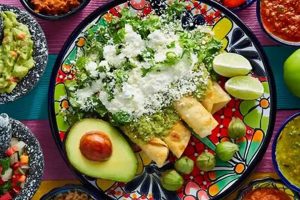
Culinary traditions surrounding nuptial celebrations in Mexico represent a vibrant tapestry of flavors and symbolic dishes. These feasts, often elaborate and multi-coursed, are integral to the joyous occasion, serving not only as sustenance but also as a tangible expression of heritage and hospitality. For example, mole, a complex sauce with pre-Hispanic origins, might grace the table, representing the blending of families and cultures.
The gastronomic offerings at a Mexican wedding are significant for several reasons. They provide guests with a shared cultural experience, reinforcing community bonds and celebrating the couple’s heritage. Furthermore, the food often holds historical significance, with recipes passed down through generations, connecting the present celebration to the past. The abundance and variety of dishes symbolize prosperity and good fortune for the newlyweds.
Subsequent sections will delve into specific examples of dishes commonly found at these celebrations, examining their regional variations and cultural significance. We will also explore the evolution of these culinary traditions and their continued importance in modern Mexican weddings.
Culinary Guidance for Mexican Wedding Receptions
Careful consideration should be given to menu planning to ensure an authentic and memorable experience for guests. The following guidance offers insights into creating a successful culinary program for such events.
Tip 1: Emphasize Regional Diversity: Mexico’s culinary landscape varies considerably by region. Incorporating dishes representative of the couple’s or family’s heritage adds a personal and culturally rich dimension to the reception.
Tip 2: Prioritize Fresh, Local Ingredients: Sourcing ingredients locally whenever possible enhances the flavor profiles and supports regional economies. Seasonal produce, locally sourced meats, and artisanal cheeses contribute to a higher quality dining experience.
Tip 3: Offer Variety and Dietary Options: Catering to a diverse guest list requires providing a range of dishes, including vegetarian, vegan, and gluten-free options. Clearly labeling these options ensures that all guests can enjoy the celebration.
Tip 4: Incorporate Traditional Beverages: Complementing the meal with traditional Mexican beverages, such as aguas frescas, horchata, or artisanal tequila, elevates the authenticity of the celebration. Careful selection of beverages that pair well with the dishes enhances the overall dining experience.
Tip 5: Presentation Matters: The visual appeal of the food presentation significantly impacts the overall dining experience. Employing traditional serving vessels, vibrant colors, and artistic arrangements enhances the aesthetic appeal of the meal.
Tip 6: Consider a Late-Night Snack: A late-night snack, such as tacos al pastor or churros, provides a satisfying conclusion to the celebration and caters to guests who may have been dancing and socializing throughout the evening.
Tip 7: Engage with Experienced Caterers: Selecting a catering company with extensive experience in preparing and serving traditional Mexican cuisine is crucial for ensuring the authenticity and quality of the menu. Reviewing menus and tasting options beforehand allows for informed decision-making.
Adhering to these principles will contribute to a more authentic, memorable, and enjoyable culinary experience for all attendees. Thoughtful planning reflects respect for tradition and ensures guest satisfaction.
Subsequent sections will explore specific menu examples and discuss strategies for managing logistical considerations associated with large-scale Mexican wedding celebrations.
1. Regional specialties

The integration of regional culinary specialties is paramount to the authenticity and significance of nuptial feasts across Mexico. These localized dishes are not merely a component of the overall dining experience; they are often a direct reflection of the couple’s heritage, familial roots, and the geographical origin of the celebration. Consequently, the absence of such regional representation can diminish the cultural depth and personalized nature of the celebratory meal. For example, a wedding in Oaxaca might feature mole negro, tlayudas, and mezcal, none of which are typically found at weddings in, say, Baja California, where seafood-centric dishes and local wines would be more prominent.
The inclusion of regional specialties at a Mexican wedding has a multifaceted impact. First, it provides guests, especially those from outside the region, with an immersive cultural experience. Secondly, it supports local economies by utilizing locally sourced ingredients and employing regional culinary talent. Thirdly, it reinforces family identity and traditions, as many regional recipes have been passed down through generations. Practically, this understanding allows couples and wedding planners to curate menus that are both delicious and culturally relevant, creating a more meaningful and memorable event. Ignoring this connection risks presenting a homogenized, generic version of Mexican cuisine that lacks the depth and authenticity desired for such a significant occasion.
In summary, the inextricable link between regional culinary specialties and the overall success of nuptial dining in Mexico cannot be overstated. The conscientious incorporation of these dishes is not merely a matter of taste; it is a deliberate act of cultural preservation, economic support, and familial celebration. Challenges arise in ensuring ingredient availability and catering expertise outside of the specific region, but overcoming these logistical hurdles is essential for delivering a truly authentic and impactful experience. The exploration of regional cuisine thus becomes an indispensable aspect of planning for nuptial celebrations in Mexico, reinforcing the broader theme of weddings as significant cultural events.
2. Mole Poblano

Mole Poblano, a complex and intensely flavored sauce originating from Puebla, Mexico, frequently holds a place of honor within nuptial banquets. Its presence is not merely a culinary choice but a symbolic one, representing the blending of families and traditions through a dish that requires considerable time, skill, and shared effort to prepare. The sauce, a mlange of chili peppers, chocolate, spices, nuts, and seeds, embodies the multifaceted nature of marriage itself. The laborious process of creating Mole Poblano necessitates collaboration and patience, mirroring the qualities essential for a successful union. Its inclusion in wedding cuisine reflects the significance placed on these virtues within Mexican culture. At weddings in Puebla and surrounding regions, its absence would be considered a notable omission, indicating a lack of adherence to tradition.
The importance of Mole Poblano in wedding gastronomy stems from its profound cultural roots. Its preparation is often a collective endeavor, involving multiple generations of women who pass down the recipe and techniques. This intergenerational transmission ensures the preservation of culinary heritage and reinforces familial bonds. Serving Mole Poblano at a wedding provides guests with a tangible connection to this legacy. The sauce is typically served over chicken or turkey, accompanied by rice and tortillas, creating a substantial and satisfying meal. The richness and depth of flavor contribute to the overall celebratory atmosphere. Furthermore, Mole Poblano can be seen as a symbol of abundance and prosperity, bestowing blessings upon the newly married couple.
In summary, the connection between Mole Poblano and wedding celebrations in Mexico is both culinary and symbolic. Its complex flavor profile, labor-intensive preparation, and deep cultural roots make it a dish that embodies the essence of marriage and family. While variations in wedding menus may exist, the inclusion of Mole Poblano signifies a commitment to tradition and a desire to share cultural heritage with guests. The challenges associated with its preparation, such as sourcing authentic ingredients and mastering the intricate recipe, underscore its value as a culinary masterpiece and a symbol of cultural identity.
3. Tamales varieties

The diversity of tamales represents a significant facet of Mexican wedding cuisine. Their presence at such celebrations stems from a long-standing tradition of communal feasting and the symbolic representation of abundance and family unity. The sheer variety of tamales, distinguished by regional ingredients, fillings, and preparation methods, allows for a customizable and inclusive menu option that can cater to diverse tastes and dietary restrictions within a wedding guest list. For instance, in Oaxaca, weddings frequently feature tamales de mole negro, while in other regions, corn husks are substituted with banana leaves, yielding distinct flavor profiles. Consequently, the availability of diverse tamales varieties ensures the inclusion of culturally relevant and personally meaningful food items that contribute to a more authentic celebratory experience.
The practical significance of understanding the role of tamales in Mexican wedding menus lies in the potential for personalization and cultural expression. Careful selection of tamales varieties can pay homage to the couple’s regional heritage or incorporate family recipes passed down through generations. For example, if a couple hails from different regions of Mexico, incorporating tamales representative of each region serves as a symbolic unification of their backgrounds. Moreover, catering to various dietary needs can be accomplished by offering vegetarian, vegan, or gluten-free tamales options. From a logistical standpoint, understanding the scale and complexity of tamales preparation is crucial for effective catering and menu planning. Large-scale preparation may require specialized equipment or personnel experienced in traditional tamales-making techniques.
In summary, the connection between tamales varieties and Mexican wedding fare is deeply rooted in tradition, symbolism, and culinary diversity. Understanding the range of available options and their cultural significance empowers wedding planners and couples to create a menu that is both representative of their heritage and accommodating to their guests’ needs. Challenges may arise in sourcing authentic ingredients or replicating complex recipes on a large scale. Successfully navigating these challenges results in a more meaningful and personalized wedding experience that honors Mexican culinary traditions and celebrates the union of two families.
4. Abundant portions

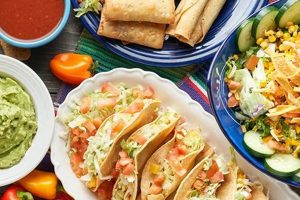
The serving of generous portions constitutes a cornerstone of Mexican wedding culinary traditions. This practice extends beyond mere sustenance; it signifies prosperity, hospitality, and the desire to bestow blessings upon the newly married couple and their guests. The presentation of overflowing platters and an extensive variety of dishes symbolizes an abundance of good fortune and a commitment to ensuring that all attendees feel welcomed and well-fed. For example, the traditional taquiza, a buffet of various taco fillings, tortillas, and salsas, is typically offered in quantities that exceed individual consumption, reflecting a cultural emphasis on generosity.
The significance of abundant portions in Mexican wedding cuisine also relates to the communal aspect of the celebration. Food is viewed as a unifying force, fostering connections and strengthening bonds between family and friends. Offering plentiful food encourages sharing, conversation, and a sense of collective enjoyment. In practical terms, this understanding dictates the planning and execution of the catering strategy. Chefs and event organizers must accurately estimate the quantity of food required to satisfy all guests while adhering to cultural expectations regarding generosity. Underestimating these requirements risks conveying a sense of stinginess or inadequacy, which could detract from the overall celebratory atmosphere.
In summary, abundant portions are inextricably linked to the cultural significance of nuptial dining within Mexico. The practice serves not merely to satiate hunger but to communicate goodwill, prosperity, and a commitment to communal celebration. Challenges may arise in managing food waste and ensuring equitable distribution; however, these logistical concerns must be addressed within the context of the broader cultural imperative of demonstrating generosity and hospitality. Failing to uphold this tradition diminishes the authenticity and impact of the overall wedding experience.
5. Beverage pairings

Effective beverage pairings constitute an integral component of the comprehensive dining experience at Mexican wedding celebrations. The selection of appropriate beverages serves not only to complement the diverse flavors of the cuisine but also to enhance the overall sensory enjoyment for guests. Mismatched pairings can detract from the taste of the food, whereas thoughtfully chosen beverages elevate the flavors and create a more harmonious and memorable meal. For instance, the robust flavors of Mole Poblano are often paired with a medium-bodied red wine or a traditional Mexican beer like Negra Modelo, which can stand up to the sauce’s complexity without overpowering it. Similarly, lighter dishes such as ceviche benefit from the crisp acidity of a chilled Sauvignon Blanc or a refreshing Michelada.
The practical significance of understanding beverage pairings within the context of Mexican nuptial feasts extends to both the culinary artistry and the logistical planning. Sommeliers or knowledgeable catering staff can guide couples in selecting beverages that align with the specific dishes on the menu, taking into account regional variations and personal preferences. Furthermore, considerations must be given to the availability of various beverages, the appropriate serving temperatures, and the quantity needed to accommodate all guests. Offering a diverse range of options, including alcoholic and non-alcoholic choices such as aguas frescas (fruit-infused waters), horchata, and artisanal tequilas, demonstrates inclusivity and caters to diverse preferences. The financial implications of beverage selection, including cost per unit and potential markups, should also be factored into the overall budget.
In summary, the synergy between beverage pairings and Mexican wedding fare represents a crucial element in creating a holistic and satisfying dining experience. Careful consideration of flavor profiles, regional influences, and logistical constraints is essential for selecting beverages that complement the cuisine and enhance the overall celebration. While budgetary limitations and logistical complexities may pose challenges, prioritizing thoughtful beverage pairings reinforces the commitment to providing a memorable and culturally authentic wedding feast.
6. Dessert selection

Dessert selection forms a crucial and concluding element of the overall culinary experience at Mexican wedding celebrations. This phase of the meal is not merely an afterthought but serves as a final statement, reinforcing the celebratory atmosphere and providing a sweet conclusion to the event. The desserts chosen often reflect regional culinary traditions, the couple’s personal preferences, and the desire to offer guests a memorable and satisfying finale. A well-curated dessert selection complements the preceding savory courses and contributes significantly to the overall success of the wedding feast. For example, traditional Mexican desserts such as flan, churros with chocolate sauce, tres leches cake, and cajeta (caramelized goat’s milk) are common choices, each offering distinct flavors and textures that appeal to a wide range of palates.
The practical significance of thoughtful dessert selection extends beyond simple taste. It addresses dietary considerations, allowing for the inclusion of gluten-free, vegan, or dairy-free options to accommodate guests with specific needs. The presentation of desserts also holds importance. Intricate designs, decorative plating, and the use of traditional serving vessels enhance the visual appeal and contribute to the festive ambiance. Moreover, dessert selection can be strategically linked to the wedding theme or color scheme, further unifying the aesthetic elements of the celebration. From a logistical perspective, desserts that can be prepared in advance and require minimal on-site assembly are often preferred, streamlining the catering process and ensuring a smooth service. The quantity of desserts offered must also be carefully considered to avoid shortages while minimizing waste.
In summary, the connection between dessert selection and the broader context of Mexican wedding food is undeniable. The dessert course provides a culminating experience that reinforces the celebratory mood and offers a final expression of hospitality. Challenges associated with dietary restrictions, logistical constraints, and aesthetic considerations can be effectively addressed through careful planning and informed decision-making. The ultimate goal is to provide a diverse and appealing dessert selection that leaves guests with a lasting positive impression of the wedding feast, thereby solidifying the event’s overall success and memorability.
Frequently Asked Questions
The following questions address common inquiries and misconceptions concerning culinary traditions associated with Mexican weddings. These answers aim to provide clarity and understanding.
Question 1: What level of regional variation exists in wedding cuisine across Mexico?
Significant regional variation characterizes wedding cuisine in Mexico. Dishes commonly served in one region may be entirely absent in another, reflecting distinct culinary heritages and locally available ingredients. Nuptial menus frequently emphasize dishes specific to the couple’s or their families’ regions of origin.
Question 2: Is Mole Poblano a mandatory component of a traditional Mexican wedding feast?
While Mole Poblano is a highly regarded and frequently included dish, it is not universally mandatory. Its presence often signifies a commitment to tradition and a celebration of Puebla’s culinary heritage, but its inclusion depends on the preferences of the couple and the regional focus of the menu.
Question 3: How are dietary restrictions typically accommodated within a traditional Mexican wedding menu?
Accommodating dietary restrictions requires proactive planning and communication with the catering provider. While traditional Mexican cuisine can be heavy on meat and dairy, adaptations are possible. Vegetarian, vegan, and gluten-free options can be incorporated, often through variations of traditional dishes or the inclusion of alternative dishes. Clear labeling is essential.
Question 4: What is the significance of serving abundant portions at Mexican weddings?
Abundant portions symbolize prosperity, generosity, and hospitality. The act of offering plentiful food is a cultural expression of goodwill towards the newly married couple and their guests. Ensuring that no guest feels wanting is a priority.
Question 5: What types of beverages are commonly served at Mexican weddings?
Common beverage selections include a range of options, from alcoholic to non-alcoholic. Aguas frescas (fruit-infused waters), horchata, traditional Mexican beers, tequila, and wine are frequently offered. The specific choices depend on the menu and the preferences of the couple.
Question 6: How is dessert selection typically handled at a Mexican wedding?
Dessert selection offers an opportunity to showcase regional specialties and provide a sweet conclusion to the celebration. Flan, churros, tres leches cake, and cajeta are popular choices. Considerations for dietary restrictions and aesthetic presentation are also important.
Understanding these aspects contributes to a more informed appreciation of the culinary customs inherent in Mexican weddings. Careful planning and communication are essential for creating a memorable and inclusive dining experience.
Subsequent sections may offer deeper dives into specific dishes and regional variations. The next segment will explore costs.
Mexican Wedding Food
This exploration has illuminated the significant role of Mexican wedding food in celebrating nuptial unions. The article has traversed the landscape of regional variations, symbolic dishes like Mole Poblano, the diverse world of tamales, the cultural importance of abundant portions, the art of beverage pairings, and the sweet conclusions offered by dessert selections. These culinary elements collectively define the richness and depth of these celebratory feasts.
Understanding the nuances of Mexican wedding food empowers informed decision-making in planning and executing these significant events. While logistical challenges and budgetary considerations exist, prioritizing tradition and culinary authenticity ensures a memorable and culturally resonant celebration. Further research and engagement with experienced culinary professionals are encouraged to continue fostering a deeper appreciation for this vibrant aspect of Mexican culture.