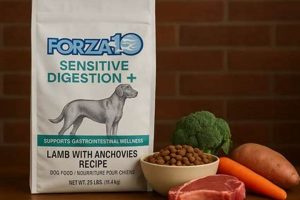
Dietary formulations for canines with minimal carbohydrate content represent a specific category of pet food. These products are designed to limit the intake of sugars and starches typically found in grains and other common ingredients. An example would be a recipe relying primarily on animal protein sources and fats, with limited or no inclusion of corn, wheat, or rice.
Reduced carbohydrate intake can be significant for managing certain canine health conditions. Such diets are often recommended for diabetic animals, as they can aid in regulating blood glucose levels. Historically, commercially available dry kibble often relied heavily on carbohydrates for binding and texture; more recent formulations have focused on alternative approaches to minimize the need for such ingredients, reflecting evolving nutritional understandings.
The subsequent discussion will examine the rationale behind selecting such specialized foods, exploring suitable ingredients and offering considerations for transitioning a canine companion to this dietary approach. The advantages and potential drawbacks of this type of feeding regimen will also be analyzed, along with a review of considerations related to selecting appropriate products.
Guidance for Selecting Reduced-Carbohydrate Canine Diets
The selection of appropriate canine diets requires careful consideration of the animal’s individual needs and health status. Reduced-carbohydrate options may present advantages, but responsible and informed decision-making is paramount.
Tip 1: Consult a Veterinary Professional: Prior to implementing any dietary change, particularly one involving significant macronutrient alterations, consult with a veterinarian. A veterinarian can assess the dog’s specific needs, considering factors such as age, breed, activity level, and pre-existing health conditions.
Tip 2: Scrutinize Ingredient Lists: Examine the product’s ingredient list closely. Meat, poultry, or fish should be prominently featured as primary ingredients. Be wary of ingredients high in carbohydrates, such as corn, wheat, soy, rice, and potatoes, especially if they appear high on the list.
Tip 3: Analyze Guaranteed Analysis: Pay attention to the guaranteed analysis, focusing on the protein, fat, and fiber content. While a guaranteed analysis does not directly state carbohydrate content, higher protein and fat percentages combined with lower fiber often indicate a reduced-carbohydrate profile. Calculate approximate carbohydrate content using the dry matter basis.
Tip 4: Monitor Canine Health: Closely observe the canine’s response to the dietary change. Monitor factors such as energy levels, stool consistency, weight fluctuations, and skin and coat condition. Any adverse reactions warrant immediate veterinary consultation.
Tip 5: Consider Potential Nutrient Deficiencies: Reducing carbohydrate intake necessitates ensuring adequate provision of other essential nutrients. A balanced diet is paramount. Work with a veterinary nutritionist to confirm adequate nutrient intake.
Tip 6: Read Product Reviews and Research Brands: Conduct thorough research on different brands and products. Read reviews from other pet owners and consult with veterinary professionals regarding reputable manufacturers known for producing high-quality, low-carbohydrate canine diets.
Reduced-carbohydrate diets can be a valuable tool in managing certain canine health conditions or optimizing overall well-being, but careful selection and vigilant monitoring are crucial to ensure the animal’s continued health and vitality.
The following section will delve into specific considerations related to incorporating specialized diets into a canines routine, and provide concluding remarks related to the overall selection of products.
1. Weight Management

Canine weight management, a critical component of overall health, is significantly influenced by dietary composition. Reduced carbohydrate intake can be a beneficial strategy in achieving and maintaining optimal body condition, particularly in overweight or obese animals.
- Reduced Caloric Density
Carbohydrates contribute substantially to the caloric density of many commercial dog foods. Minimizing carbohydrate content often results in a lower overall calorie count per serving. This allows for a larger volume of food to be consumed without exceeding daily caloric needs, which can contribute to satiety and reduce begging behavior.
- Impact on Insulin Response
Carbohydrate consumption stimulates insulin release, which, in turn, promotes fat storage. Reducing carbohydrate intake can lead to a more stable insulin response, potentially shifting the metabolic balance towards fat utilization rather than fat accumulation. This is particularly relevant for canines prone to insulin resistance or those with metabolic disorders.
- Increased Protein and Fat Content
Diets designed to be lower in carbohydrates typically compensate by increasing protein and fat content. Protein has a higher thermic effect than carbohydrates, meaning the body expends more energy digesting it. Fat provides satiety and contributes to the palatability of the diet, encouraging consumption. These macronutrient shifts can contribute to effective weight management.
- Fiber Considerations
While the focus is on reducing digestible carbohydrates, appropriate fiber levels remain essential for digestive health. Insoluble fiber can add bulk to the diet, further promoting satiety and aiding in regular bowel movements. Soluble fiber can contribute to blood glucose control. The type and amount of fiber used are critical to ensure optimal digestive function in conjunction with reduced carbohydrate content.
The implementation of reduced-carbohydrate diets as a weight management strategy necessitates careful monitoring and veterinary guidance. While the principles of calorie restriction and macronutrient manipulation are generally applicable, individual canine needs and responses can vary. Regular weight checks and adjustments to feeding protocols are crucial for achieving sustainable and healthy weight loss or maintenance.
2. Blood Glucose Control

Dietary carbohydrate intake exerts a direct influence on blood glucose levels in canines. After ingestion, carbohydrates are broken down into glucose, which is subsequently absorbed into the bloodstream. This influx of glucose triggers the release of insulin from the pancreas. Insulin facilitates the uptake of glucose by cells, thereby lowering blood glucose concentrations. In canines with diabetes mellitus, either insufficient insulin production or impaired insulin sensitivity disrupts this process, leading to hyperglycemia. Therefore, a dietary approach prioritizing reduced carbohydrate content becomes essential for mitigating postprandial glucose spikes and improving overall glycemic control. Such diets are often prescribed for canines diagnosed with diabetes to stabilize their blood sugar levels, minimizing fluctuations and reducing the reliance on exogenous insulin administration.
The strategic incorporation of reduced-carbohydrate diets extends beyond managing diabetes. In canines predisposed to insulin resistance, such as those with obesity or certain endocrine disorders, these diets can improve insulin sensitivity and reduce the risk of developing overt diabetes. By minimizing the glucose load from dietary sources, the pancreas is spared the burden of producing excessive insulin, potentially preventing the eventual exhaustion of insulin-producing cells. Moreover, consistent blood glucose levels contribute to improved energy levels, reduced hunger, and better overall metabolic health. It is essential to recognize, however, that while reduced carbohydrate intake is beneficial for glycemic control, dietary fat and protein sources must be carefully considered to avoid potential complications such as hyperlipidemia or renal strain. Veterinary supervision is paramount to ensure a balanced and appropriate dietary regimen.
In summary, reduced-carbohydrate diets represent a cornerstone in the management of canine blood glucose, offering benefits for diabetic animals and potentially preventing diabetes in susceptible individuals. While effectively reducing postprandial glucose spikes and improving insulin sensitivity, these diets necessitate careful formulation and veterinary oversight to ensure nutritional adequacy and prevent adverse health consequences. Their implementation should be considered a component of a comprehensive diabetes management strategy, alongside insulin therapy (when required), exercise, and regular monitoring of blood glucose levels.
3. Ingredient Composition

The effectiveness of a reduced-carbohydrate canine diet hinges directly on its ingredient composition. A carefully constructed formula relies on prioritizing protein and fat sources while minimizing carbohydrate-rich components. This means that meat, poultry, fish, and animal-based fats must constitute the core of the diet, replacing typical carbohydrate fillers like corn, wheat, soy, and rice. The selection and proportion of these ingredients dictate the overall carbohydrate content and the diet’s suitability for managing conditions such as diabetes or obesity. For example, a diet prominently featuring chicken meal, salmon oil, and supplemented with modest amounts of non-starchy vegetables like broccoli, would be considerably lower in carbohydrates compared to a diet where corn and wheat are among the top listed ingredients. Thus, ingredient composition is not merely a descriptor but rather a fundamental determinant of the diet’s effectiveness and its categorization.
Beyond the macronutrient profile, the specific types of ingredients contribute significantly to the diet’s overall nutritional value. For instance, protein sources should be of high quality and digestibility to ensure adequate amino acid availability for muscle maintenance and repair. Fat sources should provide essential fatty acids, such as omega-3 and omega-6, which contribute to skin and coat health, as well as overall well-being. The presence of non-starch carbohydrates, such as green peas or lentils, needs careful consideration as these components add carbs. Similarly, fiber sources like beet pulp can influence digestive health and stool consistency, but should be used judiciously to avoid unnecessarily elevating the total carbohydrate content. Some manufacturers also include added vitamins and minerals to ensure a complete and balanced nutrient profile, compensating for any potential deficiencies arising from the reduced carbohydrate approach. Analysis on the product’s guaranteed analysis will reveal the diet’s nutrient profile, but careful review of the ingredients is equally vital.
In summary, ingredient composition is the cornerstone of any reduced-carbohydrate canine diet. The selection and proportions of ingredients directly influence the diet’s carbohydrate content, nutritional value, and suitability for specific health conditions. While the goal is to minimize carbohydrates, it is equally crucial to prioritize high-quality protein and fat sources, as well as essential micronutrients. This necessitates careful scrutiny of ingredient lists, guaranteed analysis, and a thorough understanding of the nutritional roles of individual components. Any selection must align with the canine’s individual needs and under the guidance of a veterinary professional.
4. Veterinary Oversight

Veterinary oversight is integral to the successful implementation of specialized diets, particularly those designed to minimize carbohydrate intake in canines. These diets, while potentially beneficial in specific circumstances, require careful consideration of individual animal health and potential risks, necessitating professional guidance.
- Individualized Nutritional Assessment
A veterinarian conducts a comprehensive assessment of the canine’s health status, considering factors such as age, breed, activity level, pre-existing conditions, and medication history. This assessment informs the decision of whether a reduced-carbohydrate diet is appropriate and helps tailor the dietary plan to the animal’s unique needs. For instance, a canine with concurrent kidney disease may require modifications to the protein content of a diet, even if carbohydrate reduction is desired for other reasons.
- Diagnosis and Management of Underlying Conditions
Reduced-carbohydrate diets are often employed in the management of specific conditions, such as diabetes mellitus and obesity. Veterinary oversight is crucial for accurately diagnosing these conditions, developing a comprehensive treatment plan that includes dietary modifications, and monitoring the animal’s response to therapy. In diabetic canines, regular blood glucose monitoring is essential to adjust insulin dosages in conjunction with dietary changes.
- Diet Formulation and Monitoring
Veterinarians can guide the selection of appropriate commercial diets or, in some cases, formulate custom diets to meet specific nutritional requirements. They also play a critical role in monitoring the animal’s response to the diet, assessing factors such as weight, body condition score, bloodwork parameters, and stool quality. These assessments allow for timely adjustments to the diet or the identification of potential adverse effects.
- Preventing Nutrient Deficiencies and Imbalances
Restricting carbohydrate intake may inadvertently lead to nutrient deficiencies or imbalances if not carefully managed. Veterinarians ensure that the diet provides adequate levels of essential nutrients, such as vitamins, minerals, and essential fatty acids. They may recommend supplementation to address any potential deficiencies. Moreover, they monitor bloodwork parameters to detect and correct any metabolic imbalances that may arise as a result of the dietary change.
In summary, veterinary oversight is essential to ensure that reduced-carbohydrate diets are implemented safely and effectively. It provides individualized assessment, facilitates diagnosis and management of underlying conditions, guides diet formulation and monitoring, and helps prevent nutrient deficiencies and imbalances. Without professional guidance, the risks associated with these diets may outweigh the potential benefits, highlighting the importance of a collaborative approach between pet owners and veterinary professionals.
5. Macronutrient Balance

Macronutrient balance represents a cornerstone of canine nutrition, particularly when considering diets formulated to minimize carbohydrate content. This balance involves the careful consideration and manipulation of protein, fat, and carbohydrate ratios to achieve specific health outcomes. Its importance is amplified in situations where traditional dietary approaches are modified, necessitating a thorough understanding of how alterations impact overall nutritional adequacy and physiological function.
- Protein Sparing Effect
In reduced-carbohydrate diets, adequate protein intake is critical to prevent the body from utilizing protein for energy. If carbohydrate levels are insufficient to meet energy demands, the body will break down protein, potentially compromising muscle mass and other essential functions. A properly balanced diet ensures sufficient protein is available to meet the animal’s physiological needs while allowing for optimal utilization of fats as an energy source. This delicate balance prevents protein catabolism and maintains lean body mass.
- Fat as Primary Energy Source
When carbohydrate levels are intentionally restricted, fat becomes the primary energy source. However, the type and amount of fat are crucial. Diets must provide sufficient essential fatty acids (omega-3 and omega-6) for skin and coat health, immune function, and overall well-being. Furthermore, excessive fat intake can lead to digestive upset or pancreatitis in susceptible animals. Therefore, the selection of appropriate fat sources and the maintenance of a balanced fat-to-protein ratio are essential components of a well-formulated diet.
- Fiber Considerations
While the focus is on minimizing digestible carbohydrates, fiber plays a crucial role in digestive health. Insoluble fiber adds bulk to the diet, promoting satiety and regulating bowel movements. Soluble fiber can help stabilize blood glucose levels and support beneficial gut bacteria. The challenge lies in selecting fiber sources that contribute minimal digestible carbohydrates while still providing essential digestive benefits. A balanced approach ensures optimal gut health without compromising the overall goal of carbohydrate restriction. For instance, cellulose powder is commonly used in formulations to achieve these goals.
- Micronutrient Adjustments
Modifying macronutrient ratios can indirectly affect micronutrient requirements. Some nutrients, such as certain B vitamins, are involved in carbohydrate metabolism. When carbohydrate intake is reduced, the need for these nutrients may also decrease. However, other micronutrients, such as vitamin E, may be required in higher amounts to support the increased fat intake. A veterinary nutritionist can help evaluate and adjust the micronutrient profile to ensure that the diet remains complete and balanced, even with altered macronutrient ratios.
Achieving the correct macronutrient balance in specialized diets requires careful consideration of the canine’s individual needs and health status. While reducing carbohydrate intake can offer benefits for managing certain conditions, it is crucial to ensure that protein and fat levels are appropriately adjusted to provide adequate energy and prevent nutrient deficiencies or imbalances. Veterinary oversight and regular monitoring are essential to ensure the diet remains safe and effective over the long term.
6. Digestive Health

Digestive health and reduced-carbohydrate canine diets exhibit a complex interplay. Alterations in macronutrient ratios significantly impact the gastrointestinal environment, affecting nutrient absorption, microbial populations, and overall digestive function. The reduction of carbohydrates, often replaced by increased protein and fat, influences gastric emptying rates and intestinal transit times. In some canines, this transition can lead to improved digestive function, characterized by reduced flatulence and better stool consistency. However, this positive outcome depends heavily on the quality and digestibility of the protein and fat sources. Poorly digested proteins can result in increased ammonia production in the colon, leading to foul-smelling stools, and excessive fat can induce steatorrhea, or fatty stools. The type and quantity of fiber included in the diet also play a critical role. Insufficient fiber can lead to constipation, while excessive fiber can cause diarrhea, highlighting the delicate balance required for optimal digestive health.
The microbial population within the canine gut is also profoundly influenced by dietary carbohydrate content. Carbohydrates, particularly fermentable fibers, serve as a primary energy source for many beneficial gut bacteria. Reducing carbohydrate intake can alter the composition and activity of this microbial community. While this change may benefit canines with small intestinal bacterial overgrowth (SIBO) by limiting the substrate for bacterial proliferation, it can also negatively impact the production of short-chain fatty acids (SCFAs), which are vital for colonocyte health and immune function. Therefore, a reduced-carbohydrate diet should be carefully formulated to include alternative sources of prebiotics, such as fructooligosaccharides (FOS) or mannanoligosaccharides (MOS), to support a healthy gut microbiome and maintain digestive equilibrium. Real-life examples can show that canines with previous sensitivities may respond favorably due to the modification to their overall macronutrient consumption.
In conclusion, digestive health is an important consideration when formulating and implementing reduced-carbohydrate diets for canines. The shift in macronutrient ratios profoundly impacts gut physiology and microbial populations. While these diets can offer digestive benefits for some animals, careful attention must be paid to ingredient quality, fiber content, and prebiotic supplementation to ensure optimal digestive function and prevent adverse effects. Close monitoring of stool quality, appetite, and overall health is essential, and veterinary consultation is paramount to tailor the diet to the individual canine’s needs and address any digestive issues that may arise.
Frequently Asked Questions
This section addresses common inquiries and concerns regarding diets formulated to minimize carbohydrate content for canines. Information provided is intended for educational purposes and should not substitute professional veterinary advice.
Question 1: What constitutes a “reduced carbohydrate” canine diet?
A “reduced carbohydrate” canine diet typically contains a significantly lower percentage of carbohydrates than conventional commercial dog foods. The precise percentage varies, but generally, these diets aim for less than 25% of calories from carbohydrates, prioritizing protein and fat as primary energy sources. They will typically have under 25% carbohydrate on a dry matter basis.
Question 2: Why might a canine benefit from a reduced carbohydrate diet?
Such diets may be beneficial for managing conditions like diabetes mellitus, obesity, and certain digestive disorders. By minimizing carbohydrate intake, the diets can help stabilize blood glucose levels, promote weight loss, and reduce digestive upset in susceptible animals. It is essential to get advice from a Veterinarian before switching the diets.
Question 3: Are there potential risks associated with feeding a canine a reduced carbohydrate diet?
Potential risks include nutrient deficiencies or imbalances if the diet is not properly formulated or if the canine has underlying health conditions. Ensuring adequate protein and fat intake, along with essential micronutrients, is crucial. Veterinary guidance is necessary to mitigate these risks and monitor canine health during dietary transition. It is also important to monitor bloodwork parameters during the transition.
Question 4: How does one determine the carbohydrate content of a specific canine food?
The carbohydrate content is not always explicitly listed on pet food labels. It can be estimated using the “100 minus” method: subtract the percentages of protein, fat, moisture, fiber, and ash from 100. The remainder approximates the carbohydrate percentage. Contacting the manufacturer for the specific carbohydrate level is also advised.
Question 5: Can any canine be placed on a reduced carbohydrate diet?
Not all canines are suitable candidates. Puppies, pregnant or lactating females, and canines with certain kidney or liver conditions may require different dietary approaches. Veterinary consultation is crucial to determine the appropriate diet based on the individual animal’s needs.
Question 6: How should the transition to a reduced carbohydrate diet be managed?
The transition should be gradual, spanning several days to weeks, to minimize digestive upset. Start by mixing a small amount of the new diet with the existing food and gradually increase the proportion of the new diet while decreasing the old one. Monitor stool consistency and appetite during the transition.
Reduced carbohydrate diets can offer significant benefits for specific canines, but careful selection, gradual transition, and veterinary monitoring are essential for ensuring the animal’s well-being.
The following section will offer final thoughts and summarizing statements.
Conclusion
The preceding discussion has explored the characteristics, applications, and considerations associated with lowest carb dog food. The importance of veterinary guidance, careful ingredient selection, and diligent monitoring was emphasized. Formulations aimed at minimizing carbohydrate content represent a dietary strategy that warrants responsible and informed implementation.
Continued advancements in canine nutrition will likely refine understanding of optimal macronutrient ratios. Pet owners must remain proactive in seeking expert advice and tailoring dietary choices to the individual needs of their canine companions. The health and well-being of the animal must be the paramount consideration when making nutritional decisions.
![Nutro: Best Small Breed Dog Food [Expert Tips] | World’s Most Delicious Foods: Must-Try Dishes from Every Country](https://lisasfoods.com/wp-content/uploads/2026/05/th-346-300x200.jpg "Nutro: Best Small Breed Dog Food [Expert Tips] World’s Most Delicious Foods: Must-Try Dishes from Every Country")