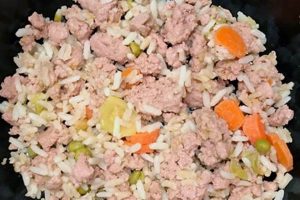
Dietary management plays a critical role in supporting canine liver health when enzyme levels are elevated. Specific nutritional formulations can assist in reducing the workload on the liver, aiding in its regeneration and overall function. These diets are typically characterized by controlled levels of protein, copper, and fat, alongside increased levels of antioxidants and specific nutrients like milk thistle or SAMe. An example is a prescription diet formulated with easily digestible ingredients and reduced levels of copper to minimize its accumulation in the liver.
Prioritizing hepatic support through dietary intervention offers significant benefits for affected canines. It can potentially slow disease progression, alleviate clinical signs, and improve quality of life. Historically, emphasis was placed on low-protein diets for liver disease, but modern veterinary nutrition recognizes the importance of providing adequate, highly digestible protein to support liver regeneration while minimizing the production of ammonia. Careful balance of nutrients is key to optimizing liver health and function.
This article will delve into the specific dietary components that benefit canines with elevated liver enzymes, exploring ingredient considerations, prescription versus over-the-counter options, and practical feeding strategies. The information provided aims to equip pet owners with the knowledge necessary to collaborate effectively with their veterinarian in managing their dog’s hepatic condition through tailored nutritional support.
Guidance for Dietary Management of Elevated Hepatic Enzymes in Canines
Optimizing canine liver health through dietary modification necessitates a comprehensive understanding of nutritional principles and the specific needs of the individual animal. The following recommendations provide practical guidance in collaboration with veterinary expertise.
Tip 1: Protein Management. Implement a controlled protein diet utilizing highly digestible sources such as eggs, soy, or hydrolyzed proteins. Excessive protein can burden the liver, while insufficient protein hinders regeneration. Consultation with a veterinary nutritionist is advised to determine the optimal protein level.
Tip 2: Copper Restriction. Select a diet with restricted copper content. Copper accumulation in the liver can exacerbate liver damage in certain breeds predisposed to copper storage diseases (e.g., Bedlington Terriers, Doberman Pinschers). Monitor copper levels in both food and water sources.
Tip 3: Fat Moderation. Maintain a moderate fat content to provide adequate energy without overwhelming the liver’s metabolic capacity. Excess fat can contribute to hepatic lipidosis. Select highly digestible fat sources such as fish oil.
Tip 4: Antioxidant Supplementation. Incorporate antioxidants such as Vitamin E, Vitamin C, and selenium to combat oxidative stress and support liver cell function. These can be added through supplements or incorporated into the diet via antioxidant-rich ingredients.
Tip 5: Milk Thistle Consideration. Discuss the potential benefits of milk thistle (silymarin) supplementation with a veterinarian. Milk thistle possesses antioxidant and hepatoprotective properties, potentially aiding in liver detoxification and regeneration.
Tip 6: Frequent, Small Meals. Divide the daily food ration into several small meals to reduce the burden on the liver at any given time. This allows for more efficient nutrient absorption and metabolism.
Tip 7: Prescription Diet Preference. Prioritize prescription diets specifically formulated for hepatic support. These diets undergo rigorous testing and quality control, ensuring appropriate nutrient ratios and minimal risk of contaminants.
Adherence to these guidelines, in conjunction with veterinary monitoring and diagnostic testing, can contribute to improved hepatic function and overall well-being in canines with elevated liver enzymes. Dietary adjustments represent a cornerstone in the holistic management of canine liver disease.
The subsequent sections will address specific dietary formulations, ingredient analysis, and long-term management strategies for canines requiring specialized hepatic support.
1. Protein Digestibility

Protein digestibility holds significant importance when formulating dietary plans for canines exhibiting elevated liver enzymes. The liver’s role in protein metabolism necessitates careful consideration of both the quantity and quality of protein sources within the diet. Impaired liver function can compromise the organ’s ability to process protein effectively, potentially leading to an accumulation of toxic metabolites. Therefore, optimizing protein digestibility is a key strategy to alleviate hepatic workload and support liver regeneration.
- Reduced Hepatic Encephalopathy Risk
Digestible protein sources, such as hydrolyzed proteins or those derived from eggs, are more readily broken down and absorbed in the small intestine. This reduces the amount of undigested protein reaching the colon, thereby minimizing the production of ammonia and other neurotoxins. Elevated ammonia levels can contribute to hepatic encephalopathy, a serious complication of liver disease that affects brain function. Dietary manipulation with highly digestible proteins aims to mitigate this risk.
- Enhanced Amino Acid Availability
Highly digestible proteins provide a more readily available pool of essential amino acids necessary for liver regeneration and repair. The liver requires amino acids to synthesize new liver cells and produce enzymes vital for various metabolic processes. Ensuring efficient protein digestion allows the liver to access these building blocks more easily, supporting its regenerative capacity. For example, diets containing soy protein isolate or whey protein concentrate may offer improved amino acid profiles for hepatic support.
- Minimized Production of Metabolic Waste
When protein is poorly digested, it can lead to increased bacterial fermentation in the large intestine, resulting in the production of harmful byproducts such as indoles and skatoles. These compounds are absorbed into the bloodstream and require the liver to detoxify them, increasing its workload. Highly digestible proteins reduce the formation of these waste products, lessening the burden on the compromised liver.
- Improved Nitrogen Balance
Canines with liver dysfunction often exhibit impaired nitrogen balance. Highly digestible proteins contribute to a more positive nitrogen balance by increasing protein absorption and reducing nitrogen excretion. This supports the body’s ability to utilize protein efficiently for tissue repair and maintenance, which is particularly important in the context of liver regeneration. Monitoring blood urea nitrogen (BUN) levels can help assess the effectiveness of dietary protein management.
The selection of highly digestible protein sources represents a cornerstone in the nutritional management of dogs with elevated liver enzymes. By minimizing hepatic workload, providing essential amino acids, reducing toxic metabolite production, and improving nitrogen balance, dietary strategies centered around protein digestibility contribute significantly to supporting liver health and overall well-being.
2. Copper Restriction

Copper restriction is a critical consideration when formulating diets for canines exhibiting elevated liver enzymes. The liver plays a central role in copper metabolism, and impaired hepatic function can disrupt this process, potentially leading to copper accumulation and exacerbation of liver damage. Therefore, limiting copper intake through dietary management represents a key strategy for supporting liver health in affected animals.
- Reduced Hepatic Copper Load
Dietary copper restriction aims to minimize the amount of copper presented to the liver for processing and storage. Excessive copper accumulation can induce oxidative stress and cellular damage, further compromising hepatic function. By limiting dietary copper intake, the liver is spared from additional burden, potentially slowing the progression of liver disease. Prescription diets specifically formulated for liver support often incorporate stringent copper restrictions.
- Mitigation of Copper-Associated Hepatopathy
Certain canine breeds, such as Bedlington Terriers, Doberman Pinschers, and Labrador Retrievers, are predisposed to copper-associated hepatopathy, a condition characterized by abnormal copper accumulation in the liver. In these breeds, copper restriction is particularly crucial to prevent or manage liver damage. Genetic testing can identify predisposed individuals, allowing for early implementation of dietary interventions. Examples of copper-restricted ingredients include avoiding organ meats, shellfish, and certain legumes known to be high in copper.
- Support for Impaired Biliary Excretion
The liver excretes copper via bile. When liver function is compromised, biliary excretion of copper may be impaired, leading to copper retention within the liver. Dietary copper restriction complements therapies aimed at improving biliary flow (e.g., ursodeoxycholic acid) by reducing the amount of copper requiring excretion. Monitoring serum bile acid concentrations can provide insights into biliary function and guide dietary adjustments.
- Prevention of Oxidative Stress
Excessive copper within the liver can catalyze the formation of reactive oxygen species (ROS), leading to oxidative stress and cellular damage. By restricting copper intake, the production of ROS is reduced, protecting liver cells from oxidative damage. Antioxidant supplementation (e.g., Vitamin E, Vitamin C, selenium) can further mitigate oxidative stress in conjunction with dietary copper restriction.
In summary, copper restriction is an integral component of dietary management for canines with elevated liver enzymes, particularly those with copper storage disorders or impaired biliary function. By minimizing copper load, mitigating copper-associated hepatopathy, supporting biliary excretion, and preventing oxidative stress, dietary copper restriction contributes significantly to supporting liver health and overall well-being. Regular monitoring of liver enzyme levels and copper concentrations in blood and liver tissue is essential to assess the effectiveness of dietary interventions.
3. Fat Moderation

Fat moderation is a critical aspect of canine diets designed for managing elevated liver enzymes. The liver plays a key role in fat metabolism, encompassing processes such as fat digestion, absorption, storage, and the synthesis of lipoproteins. Compromised liver function can impair these metabolic processes, leading to a buildup of fat within the liver cells, a condition known as hepatic lipidosis or fatty liver disease. This accumulation can further damage the liver, creating a detrimental cycle. Therefore, dietary fat levels must be carefully managed to reduce the strain on the liver while still providing adequate energy for the animal.
Diets too high in fat can overwhelm the liver’s capacity to process lipids, leading to fat accumulation. This is especially problematic in conditions such as cholestasis (impaired bile flow), as bile acids are essential for fat digestion and absorption. In such cases, a moderate fat diet can reduce the demand for bile acids, minimizing digestive distress. Conversely, severely restricting fat can lead to deficiencies in essential fatty acids and fat-soluble vitamins, compromising overall health. The ideal fat level depends on the individual dog, the underlying liver condition, and other factors. A veterinarian specializing in nutrition can calculate the optimal fat content based on the dog’s specific needs. For example, a dog with pancreatitis alongside liver disease will likely require a significantly lower fat content than a dog with early-stage liver dysfunction. Furthermore, the type of fat is also important. Digestible fat sources, such as medium-chain triglycerides (MCTs), may be better tolerated and more easily metabolized than long-chain triglycerides.
In conclusion, fat moderation is a vital component of dietary management for canines with elevated liver enzymes. Careful balance is essential to minimize hepatic workload, prevent hepatic lipidosis, and ensure adequate nutrient intake. The optimal fat content varies based on the individual animal’s condition, emphasizing the importance of personalized dietary recommendations from a veterinarian. Maintaining moderate fat intake represents a practical strategy to support liver health and overall well-being in affected dogs. Challenges include achieving palatability with reduced fat levels and monitoring for signs of fat deficiency. Successfully addressing these challenges, through careful formulation and close monitoring, can significantly improve the quality of life for dogs with liver disease.
4. Antioxidant Enrichment

Antioxidant enrichment in dietary formulations designed for canines with elevated liver enzymes addresses the critical role of oxidative stress in hepatic damage. Liver dysfunction can disrupt the delicate balance between free radical production and antioxidant defense, leading to cellular injury. Therefore, increasing antioxidant intake represents a key strategy to mitigate oxidative stress and support liver health.
- Mitigation of Oxidative Damage
Elevated liver enzymes often indicate ongoing inflammation and cellular damage within the liver tissue. This damage can result from or be exacerbated by oxidative stress, a condition where there is an imbalance between the production of reactive oxygen species (ROS) and the body’s ability to neutralize them. Antioxidants act as scavengers of free radicals, preventing them from damaging cell membranes, proteins, and DNA. Therefore, antioxidant enrichment aims to reduce the burden of oxidative damage, promoting liver cell survival and regeneration.
- Support for Hepatic Detoxification Pathways
The liver is the primary organ responsible for detoxification, and many detoxification pathways rely on antioxidants. For instance, glutathione, a potent antioxidant produced by the liver, is essential for neutralizing various toxins and pollutants. Supplementing with antioxidants, such as Vitamin E and selenium, can support the function of these detoxification pathways, aiding the liver in its crucial role of removing harmful substances from the body. Antioxidant enrichment complements the liver’s own antioxidant defenses, enhancing its ability to cope with toxic challenges.
- Reduction of Inflammation
Chronic inflammation is a common feature of liver disease and can contribute to further hepatic damage. Oxidative stress plays a significant role in driving inflammation, and antioxidants can help to quell this inflammatory response. Certain antioxidants, such as omega-3 fatty acids and curcumin, possess anti-inflammatory properties that can help reduce the production of inflammatory cytokines within the liver. By reducing inflammation, antioxidant enrichment helps create a more favorable environment for liver regeneration and repair.
- Enhancement of Liver Cell Function
Antioxidants can directly support the function of liver cells (hepatocytes) by protecting them from oxidative damage. Healthy hepatocytes are essential for maintaining proper liver function, including the synthesis of proteins, the metabolism of nutrients, and the excretion of waste products. By reducing oxidative stress and promoting cell survival, antioxidants contribute to maintaining the overall health and functionality of the liver. This is particularly important in cases where liver function is already compromised due to disease.
In conclusion, antioxidant enrichment is an essential component of dietary management for canines with elevated liver enzymes. By mitigating oxidative damage, supporting detoxification pathways, reducing inflammation, and enhancing liver cell function, antioxidants contribute significantly to promoting liver health and improving overall well-being. Dietary formulations specifically designed for liver support commonly include elevated levels of various antioxidants to address the unique needs of dogs with hepatic dysfunction. Examples include prescription diets fortified with Vitamin E, Vitamin C, selenium, and other antioxidant compounds.
5. Ingredient Quality

Ingredient quality directly impacts the efficacy of dietary management for canines with elevated liver enzymes. The liver’s central role in detoxification and metabolism necessitates that dietary components minimize the organ’s workload and prevent further damage. Poor-quality ingredients, contaminated sources, or the presence of additives can introduce toxins or place undue stress on hepatic function, counteracting the benefits of other dietary modifications. For instance, the presence of mycotoxins in improperly stored grains can exacerbate liver inflammation, negating the effects of protein or copper restrictions. Similarly, low-quality protein sources may contain higher levels of ammonia precursors, increasing the burden on the liver to detoxify these compounds. The selection of ingredients should prioritize purity, digestibility, and minimal processing to reduce the potential for adverse hepatic effects.
The importance of high-quality ingredients extends beyond minimizing toxins. Digestibility and bioavailability are crucial factors. For example, using highly digestible protein sources, such as hydrolyzed proteins or egg-based proteins, ensures that the liver can efficiently utilize amino acids for regeneration and repair without generating excessive metabolic waste. Conversely, poorly digestible protein sources can lead to increased fermentation in the gut, producing toxins that the liver must then process. Likewise, the source of fat is significant; high-quality fish oil provides essential omega-3 fatty acids, which have anti-inflammatory properties beneficial for liver health. In contrast, rendered fats from unidentified sources may contain harmful byproducts that can further compromise liver function. The choice of carbohydrates also matters, prioritizing easily digestible options like rice or sweet potato over corn or wheat, which can sometimes trigger sensitivities or contribute to digestive upset.
In summary, ingredient quality forms the foundation of effective dietary management for canines with elevated liver enzymes. Prioritizing pure, digestible, and minimally processed components reduces hepatic workload, minimizes exposure to toxins, and supports the liver’s regenerative capacity. While specialized nutrient profiles (e.g., controlled protein, copper) are important, they are ineffective if the underlying ingredients are of poor quality. Challenges include the variability in ingredient sourcing and the difficulty for consumers to assess quality without comprehensive knowledge. Therefore, collaboration with a veterinarian and selecting reputable brands with stringent quality control measures are essential to ensure the nutritional plan effectively supports canine liver health.
Frequently Asked Questions
The following section addresses common inquiries regarding the role of nutrition in managing elevated liver enzymes in dogs. These answers are intended to provide informative guidance and should not replace consultation with a qualified veterinarian.
Question 1: What constitutes “dog food for high liver enzymes?”
The term typically refers to commercially available canine diets formulated with specific nutrient modifications intended to reduce the workload on the liver and support its function. These diets often feature controlled levels of protein, copper, and fat, along with increased levels of antioxidants.
Question 2: Are specialized diets always necessary for elevated liver enzymes?
Not all cases necessitate specialized diets. The severity of the elevation, underlying cause, and overall health of the dog dictate the most appropriate course of action. Mild elevations may respond to less restrictive dietary changes, while more severe cases require prescription formulations.
Question 3: Can “dog food for high liver enzymes” reverse liver damage?
Dietary modifications alone cannot reverse existing liver damage. However, they can play a crucial role in slowing disease progression, supporting liver regeneration, and managing clinical signs associated with liver dysfunction.
Question 4: What ingredients should be avoided in “dog food for high liver enzymes?”
Ingredients to minimize or avoid include those high in copper (e.g., liver, shellfish), excessive amounts of low-quality protein, and artificial additives or preservatives. The specific ingredients to avoid depend on the underlying liver condition.
Question 5: How long must a dog remain on “dog food for high liver enzymes?”
In many cases, dietary management for liver disease is a lifelong commitment. The duration depends on the individual dog’s response to treatment, the stability of liver enzyme levels, and the underlying cause of the elevation.
Question 6: Is homemade “dog food for high liver enzymes” a viable option?
Homemade diets can be appropriate if formulated and balanced by a board-certified veterinary nutritionist. Improperly balanced homemade diets can exacerbate liver problems. Prescription commercial diets are often preferred due to their consistent nutrient profiles and quality control measures.
Dietary management is an integral part of managing canine liver conditions. Collaboration with a veterinarian is crucial to determine the most appropriate nutritional strategy for each individual case.
The following section will delve into long-term monitoring and management strategies for canines requiring specialized hepatic support.
Dietary Management of Canine Hepatic Dysfunction
The preceding discussion has explored the critical role of “dog food for high liver enzymes” in managing canine hepatic dysfunction. Effective nutritional strategies hinge on carefully controlled protein digestibility, copper restriction, fat moderation, antioxidant enrichment, and superior ingredient quality. Proper application of these principles can alleviate hepatic workload, mitigate oxidative stress, and support liver regeneration, leading to improved clinical outcomes.
Canine liver disease presents a significant challenge requiring a multi-faceted approach. While “dog food for high liver enzymes” offers a powerful tool in the management arsenal, its success depends on diligent monitoring, veterinary expertise, and owner commitment. Continuous evaluation of liver enzyme levels, coupled with proactive dietary adjustments, remains paramount for optimizing long-term hepatic health in affected canines.