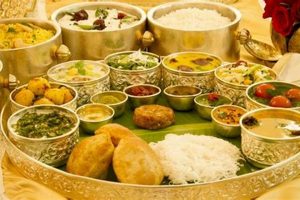
Dietary fiber, a crucial component of a balanced diet, refers to plant-based carbohydrates that the body cannot digest. These complex carbohydrates pass relatively intact through the digestive system, providing numerous health benefits. Lentils (dals), chickpeas (chana), whole grains like brown rice and wheat, and a variety of vegetables commonly used in South Asian cuisines serve as excellent sources. For example, dishes utilizing lentils, such as dal makhani or chana masala, contribute significantly to daily fiber intake.
The consumption of fiber-rich items promotes digestive health, aids in regulating blood sugar levels, and can contribute to weight management by increasing satiety. Historically, traditional culinary practices in the region have often incorporated these ingredients, reflecting an inherent understanding of their nutritional value. A diet rich in fiber has been associated with a reduced risk of cardiovascular disease and certain types of cancer.
This article will delve into specific food items and culinary preparations prevalent in the subcontinent that are particularly abundant in dietary fiber. It will also explore practical methods to incorporate these nutritious elements into daily meals, alongside potential health advantages and considerations for optimal consumption.
Incorporating High-Fiber Foods in Indian Cuisine
Optimizing fiber intake through culinary choices requires conscious selection and preparation. The following tips offer guidance on integrating fiber-rich elements into common South Asian dietary patterns.
Tip 1: Prioritize Whole Grains: Replace refined grains, such as white rice and maida (all-purpose flour), with whole-grain alternatives like brown rice, whole wheat atta (flour), and millets (jowar, bajra, ragi). Consider using whole-wheat flour for roti or incorporating millets into upma or dosa batter.
Tip 2: Emphasize Lentils and Legumes: Include a variety of dals (lentils) and legumes in daily meals. Moong dal, masoor dal, chana dal, and rajma (kidney beans) are excellent sources. Prepare them as traditional dal dishes, add them to soups, or use them as stuffing for parathas.
Tip 3: Boost Vegetable Intake: Consume a generous amount of vegetables, especially those rich in fiber, such as okra (bhindi), spinach (palak), eggplant (baingan), and gourds (lauki, torai). Incorporate them into curries, stir-fries (subzis), or raitas.
Tip 4: Add Fruits to Your Diet: Integrate fruits like guava, pears, apples, and oranges into your daily routine. These fruits can be enjoyed as snacks or included in desserts.
Tip 5: Include Nuts and Seeds: Sprinkle nuts and seeds, such as flax seeds, chia seeds, almonds, and walnuts, on meals or consume them as snacks. Add them to salads, yogurt, or trail mixes for added fiber and nutrients.
Tip 6: Explore Traditional Recipes: Revisit traditional recipes that naturally incorporate fiber-rich ingredients. Dishes like khichdi (a lentil and rice porridge) and vegetable-heavy sambar are excellent examples.
Tip 7: Be Mindful of Processing: Minimize the consumption of highly processed foods, as they often lack significant fiber content. Opt for whole, unprocessed ingredients whenever possible.
Increasing dietary fiber through these methods can improve digestive health, stabilize blood sugar, and contribute to overall well-being. Gradual incorporation and adequate hydration are essential for optimal results.
This section provided practical advice to maximize fiber consumption through careful dietary choices. The concluding section will summarise the benefits of higher fiber intake, and its benefits towards health.
1. Legumes (Dals)

Legumes, broadly referred to as dals within the context of South Asian cuisine, represent a cornerstone of diets rich in dietary fiber. Their inclusion significantly elevates the fiber content of typical meals. The causal relationship is direct: the inherent composition of lentils, chickpeas, kidney beans, and other pulses provides a concentrated source of indigestible carbohydrates. These carbohydrates, categorized as dietary fiber, are not broken down during digestion, thereby contributing to bowel regularity and other health benefits. A deficiency in legume consumption, conversely, directly reduces the potential fiber intake from Indian foods. Dals, a staple in various curries and lentil-based dishes, showcase their versatility as a fundamental component.
Practical significance resides in the accessibility and affordability of these ingredients. Across varying socio-economic strata, dals remain a readily available and relatively inexpensive source of nutrition. Their incorporation into daily meals allows for a substantial increase in fiber intake without necessitating drastic dietary alterations. Dishes such as dal makhani, sambar, and chana masala exemplify how these fiber-rich legumes are traditionally prepared and consumed. Beyond their fiber content, dals also contribute protein and essential micronutrients, further enhancing their value as a nutritional component.
In summary, legumes, specifically dals, are intrinsically linked to high-fiber diets in South Asian cuisine. Their accessibility, affordability, and versatility make them indispensable for maintaining a balanced and fiber-rich dietary intake. The challenges associated with maximizing the benefits of dal consumption lie in promoting diverse preparations and integrating them into various meal types. Understanding the direct relationship between legume consumption and fiber intake is crucial for optimizing dietary health within the context of the South Asian culinary landscape.
2. Whole Grains (Atta)
Whole grains, particularly atta (whole wheat flour), are a pivotal component of South Asian diets, serving as a primary source of dietary fiber. Their significance in the context of “high fiber foods in Indian food” stems from their widespread consumption and inherent nutritional composition. Unlike refined grains, whole grains retain the bran, germ, and endosperm, preserving a substantial amount of fiber and other essential nutrients.
- Bran Retention and Fiber Content
The bran, the outer layer of the wheat kernel, is particularly rich in insoluble fiber. This type of fiber adds bulk to the stool, promoting regular bowel movements and preventing constipation. Whole wheat atta, therefore, directly contributes to increased fiber intake compared to refined wheat flour (maida), where the bran is removed during processing. Dishes prepared with atta, such as roti, chapati, and paratha, serve as daily staples and significant sources of dietary fiber.
- Glycemic Index Regulation
The fiber content in whole grains influences the rate at which carbohydrates are absorbed into the bloodstream. This results in a lower glycemic index (GI) compared to refined grains, leading to a more gradual rise in blood sugar levels after consumption. Regular consumption of atta-based foods can aid in blood sugar management and reduce the risk of type 2 diabetes, which has a high prevalence in South Asian populations.
- Nutrient Density and Micronutrient Profile
Beyond fiber, whole wheat atta provides essential micronutrients, including B vitamins, iron, magnesium, and zinc. These nutrients are vital for various bodily functions, ranging from energy metabolism to immune system support. Refined grains, on the other hand, are often stripped of these nutrients during processing, diminishing their nutritional value. Therefore, incorporating atta into the diet contributes not only to fiber intake but also to overall nutrient adequacy.
- Traditional Culinary Practices and Accessibility
Atta has been a cornerstone of South Asian culinary traditions for centuries, reflecting its accessibility and cultural significance. Its widespread availability across diverse socioeconomic backgrounds ensures that a significant portion of the population can access a relatively affordable source of dietary fiber. Promoting the consumption of whole wheat atta over refined grains represents a practical and sustainable approach to improving dietary fiber intake within South Asian communities.
The incorporation of whole wheat atta into the diet represents a fundamental strategy for enhancing dietary fiber intake in South Asian populations. Its fiber content, glycemic index regulation, nutrient density, and widespread accessibility collectively underscore its importance in promoting digestive health, managing blood sugar levels, and contributing to overall nutritional well-being. Prioritizing atta over refined grains is a crucial step in addressing the growing concerns surrounding dietary deficiencies and chronic diseases in the region.
3. Fibrous Vegetables

The relationship between fibrous vegetables and high fiber foods in Indian cuisine is directly causal. The presence and proportion of fibrous vegetables within a dish determine, to a significant extent, the overall fiber content of that dish. Vegetables inherently contain cellulose, hemicellulose, and lignin all forms of dietary fiber indigestible by the human digestive system. Their inclusion in various Indian preparations ensures a substantial contribution to daily fiber intake, promoting digestive regularity and overall health. Without fibrous vegetables, many popular dishes would fall short of providing adequate fiber levels. Real-life examples include the abundant use of spinach (palak), okra (bhindi), and eggplant (baingan) in curries and side dishes. These vegetables not only enhance flavor and texture but also serve as a primary source of fiber, aiding in satiety and blood sugar control. The practical significance of understanding this connection lies in making informed dietary choices. A focus on incorporating a variety of these vegetables into daily meals can effectively increase fiber consumption, mitigating the risk of constipation and associated health issues.
Furthermore, the preparation methods employed in Indian cooking can either enhance or diminish the fiber content of vegetables. While prolonged cooking can soften the fibrous structure, excessive processing or peeling can reduce the overall fiber available. For instance, retaining the skin of certain vegetables, such as potatoes and gourds, significantly increases their fiber content. Similarly, stir-frying or lightly steaming vegetables preserves more fiber compared to prolonged boiling. The versatility of Indian cuisine allows for a wide range of vegetable-based dishes, catering to different tastes and preferences while ensuring adequate fiber intake. From mixed vegetable curries (sabzis) to lentil-based vegetable stews (sambhar), the options are diverse. Practical application involves prioritizing vegetable-rich dishes and adopting cooking techniques that preserve fiber content.
In summary, fibrous vegetables are integral to achieving a high-fiber diet within the framework of Indian culinary traditions. Their inherent fiber content, coupled with mindful preparation techniques, significantly contributes to digestive health and overall well-being. The challenge lies in promoting awareness of the nutritional benefits of fibrous vegetables and encouraging their diverse and creative incorporation into daily meals. Addressing the potential for fiber loss during cooking and advocating for whole vegetable consumption are essential steps in maximizing the health benefits of these food items within the South Asian dietary context.
4. Fruits (Guava, Pears)

The integration of fruits like guava and pears into the South Asian dietary pattern significantly contributes to the consumption of high-fiber foods. While not always centrally featured in traditional main courses, these fruits serve as readily available sources of dietary fiber, vitamins, and minerals, influencing overall nutritional intake.
- Fiber Content and Digestive Health
Guava and pears are particularly rich in both soluble and insoluble fiber. Soluble fiber helps regulate blood sugar and cholesterol levels, while insoluble fiber promotes bowel regularity by adding bulk to the stool. The consumption of these fruits aids in maintaining healthy digestive function and preventing constipation, a common issue in populations with lower fiber intake. Guava, with its edible seeds, provides an additional source of insoluble fiber.
- Vitamin and Mineral Contribution
Beyond fiber, guava and pears offer essential vitamins and minerals. Guava is known for its high vitamin C content, exceeding that of many citrus fruits. Pears provide vitamins K and C, as well as potassium. These nutrients contribute to immune function, bone health, and electrolyte balance, complementing the benefits of fiber intake. Regular consumption of these fruits can address micronutrient deficiencies, often prevalent alongside low-fiber diets.
- Snacking and Dietary Diversification
Guava and pears serve as convenient and healthy snack options, diversifying the diet beyond traditional meal components. Their natural sweetness and satisfying texture make them appealing alternatives to processed snacks, which often lack fiber and essential nutrients. Incorporating these fruits into daily snacks promotes a balanced dietary pattern and contributes to increased fiber consumption throughout the day. For example, guava can be consumed whole as a mid-morning snack, while pears can be added to salads or desserts.
- Accessibility and Affordability
In many regions of South Asia, guava and pears are relatively accessible and affordable, making them practical options for increasing fiber intake across diverse socioeconomic groups. Seasonal availability may influence their consumption patterns, but their overall accessibility makes them viable components of a fiber-rich diet. Promoting the cultivation and distribution of these fruits can further enhance their availability and affordability, encouraging widespread consumption.
In conclusion, guava and pears represent valuable additions to the South Asian dietary landscape, contributing significantly to the intake of high-fiber foods. Their fiber content, vitamin and mineral profiles, suitability as healthy snacks, and relative accessibility make them practical choices for promoting digestive health and overall nutritional well-being. Encouraging their consumption within diverse dietary patterns can effectively address fiber deficiencies and improve the health outcomes of populations in the region.
5. Nuts and Seeds

The integration of nuts and seeds within South Asian culinary practices offers a significant avenue for enhancing dietary fiber intake. Their inherent composition, characterized by a dense concentration of fiber, healthy fats, and micronutrients, positions them as valuable components in promoting overall well-being, specifically in the context of “high fiber foods in Indian food.”
- Contribution to Fiber Intake
Nuts and seeds, such as almonds, walnuts, flaxseeds, chia seeds, and sesame seeds, contribute substantially to the total dietary fiber intake. The fiber content in these foods is predominantly insoluble, aiding in bowel regularity and promoting digestive health. Incorporating even small quantities of nuts and seeds into meals or snacks can augment the fiber content of typical South Asian dishes. For example, sprinkling flaxseeds on raita or adding almonds to kheer provides a simple and effective means of enhancing fiber intake.
- Impact on Satiety and Weight Management
The combination of fiber, protein, and healthy fats in nuts and seeds promotes satiety, reducing hunger and potentially aiding in weight management. The delayed gastric emptying caused by fiber contributes to a feeling of fullness, which can prevent overeating. This effect is particularly relevant in the context of managing the prevalence of obesity and related health issues within South Asian populations. Snacking on a handful of almonds or walnuts, as opposed to processed snacks, offers a nutritious and fiber-rich alternative.
- Versatile Culinary Applications
Nuts and seeds exhibit versatility in culinary applications, allowing for seamless integration into various South Asian dishes. They can be added to breakfast cereals (such as poha or upma), sprinkled on salads, incorporated into desserts (such as ladoos or halwa), or used as thickening agents in curries and gravies. This adaptability makes them practical additions to diverse dietary preferences and culinary traditions. Ground almonds can be used to enrich the texture and nutritional profile of shrikhand, a popular dessert.
- Nutrient Enrichment and Health Benefits
Beyond fiber, nuts and seeds are rich sources of essential nutrients, including omega-3 fatty acids, vitamins, and minerals. These nutrients contribute to cardiovascular health, brain function, and overall well-being. Regular consumption of nuts and seeds has been associated with a reduced risk of chronic diseases, such as heart disease and type 2 diabetes. Walnuts, for instance, are a source of alpha-linolenic acid (ALA), an omega-3 fatty acid beneficial for heart health.
The deliberate inclusion of nuts and seeds in South Asian dietary patterns offers a practical and effective strategy for enhancing fiber intake and promoting overall health. Their inherent fiber content, impact on satiety, versatile culinary applications, and nutrient enrichment collectively underscore their importance in the context of “high fiber foods in Indian food,” contributing to improved digestive health and reduced risk of chronic diseases within the region.
6. Traditional Recipes

Traditional recipes within South Asian cuisine frequently incorporate ingredients and preparation methods that inherently contribute to a higher dietary fiber intake. This connection arises from the historical reliance on locally available, unprocessed foods and culinary practices developed over generations. Understanding this link is crucial for appreciating the nutritional value embedded within these established food traditions.
- Khichdi and Related Porridges
Khichdi, a rice and lentil porridge, exemplifies a dish where fiber is naturally abundant. The combination of lentils, which are high in soluble and insoluble fiber, with rice provides a balanced source of complex carbohydrates and dietary fiber. Variations of khichdi across different regions of the Indian subcontinent often include vegetables, further augmenting the fiber content. This dish, traditionally consumed for its ease of digestion and nutritional value, showcases how simplicity can yield a fiber-rich meal.
- Sambar and Lentil-Based Soups
Sambar, a lentil-based vegetable stew, is a staple in South Indian cuisine. Its significant fiber content derives from the lentils used as a base and the diverse array of vegetables incorporated into the preparation. Common additions include drumstick, okra, eggplant, and gourds, all of which contribute dietary fiber. This dish serves as a practical illustration of how combining multiple fiber-rich ingredients can create a nutritionally dense and satisfying meal.
- Vegetable-Based Curries and Sabzis
Numerous vegetable-based curries and sabzis (dry vegetable preparations) form a significant part of South Asian diets. Recipes using spinach (palak), mustard greens (sarson ka saag), fenugreek leaves (methi), and various gourds inherently provide a substantial amount of fiber. The preparation methods, which often involve minimal processing, help retain the fiber content of the vegetables. These dishes underscore the importance of vegetable diversity in achieving a high-fiber dietary intake.
- Whole Grain Rotis and Unleavened Breads
Rotis made from whole wheat flour (atta) are a cornerstone of South Asian diets and a reliable source of dietary fiber. The use of whole grains, as opposed to refined flours, ensures that the fiber-rich bran remains intact. Variations such as missi roti, which incorporates lentil flour, further enhance the fiber content. These unleavened breads demonstrate how staple foods can contribute significantly to overall fiber intake, especially when made with unrefined grains.
The presence of fiber within traditional recipes is not coincidental but rather a consequence of utilizing readily available, minimally processed ingredients. These culinary traditions highlight the inherent connection between cultural food practices and nutritional well-being. Recognizing and preserving these traditions offers a practical approach to promoting high-fiber diets and mitigating the risks associated with modern, processed food consumption.
7. Digestive Health

Digestive health, the efficient and regular processing of ingested food, is intrinsically linked to dietary fiber consumption. In the context of South Asian cuisine and “high fiber foods in Indian food,” maintaining optimal digestive function relies heavily on incorporating specific food items known for their fiber content. This connection is not merely correlational but fundamentally causal, with fiber directly influencing several aspects of the digestive process.
- Promotion of Bowel Regularity
Dietary fiber, particularly insoluble fiber found in whole grains and vegetables commonly used in South Asian cooking, adds bulk to the stool. This increased bulk stimulates peristalsis, the rhythmic contractions of intestinal muscles, facilitating the smooth passage of waste through the digestive tract. The consumption of insufficient fiber can lead to constipation, a condition characterized by infrequent or difficult bowel movements. Dishes like whole-wheat roti and vegetable-rich curries directly address this issue by providing the necessary fiber to promote regularity. Conversely, a diet predominantly consisting of refined grains and processed foods, lacking in fiber, often results in digestive discomfort.
- Regulation of Gut Microbiota
Dietary fiber serves as a prebiotic, providing nourishment for beneficial bacteria residing in the gut. These bacteria ferment the fiber, producing short-chain fatty acids (SCFAs) such as butyrate, acetate, and propionate. SCFAs contribute to gut health by reducing inflammation, strengthening the intestinal barrier, and providing energy for colonocytes (cells lining the colon). South Asian cuisine’s reliance on legumes and certain vegetables fosters a thriving gut microbiota. Conversely, a fiber-deficient diet can disrupt the balance of gut bacteria, potentially leading to dysbiosis and associated health problems.
- Blood Sugar Control and Nutrient Absorption
Soluble fiber, present in foods such as lentils and certain fruits, slows down the absorption of glucose into the bloodstream. This effect helps regulate blood sugar levels, preventing rapid spikes and crashes. Additionally, fiber can bind to cholesterol in the digestive tract, reducing its absorption and contributing to improved cardiovascular health. The inclusion of lentils in dishes like dal and the consumption of fruits such as guava contribute to both blood sugar control and cholesterol management. A diet lacking in soluble fiber can lead to increased glucose variability and impaired cholesterol metabolism.
- Prevention of Digestive Disorders
Adequate fiber intake has been associated with a reduced risk of various digestive disorders, including diverticulitis, hemorrhoids, and colon cancer. Fiber helps prevent the formation of pouches (diverticula) in the colon and reduces straining during bowel movements, which can contribute to hemorrhoid development. Furthermore, the SCFAs produced by the fermentation of fiber may possess anti-inflammatory and anti-cancer properties. South Asian culinary traditions that emphasize whole, unprocessed foods rich in fiber support long-term digestive health and reduce the risk of these disorders.
The multifaceted impact of dietary fiber on digestive health, as evidenced by its role in promoting bowel regularity, regulating gut microbiota, controlling blood sugar, and preventing digestive disorders, underscores the critical importance of incorporating “high fiber foods in Indian food” into daily dietary practices. The traditional emphasis on lentils, whole grains, vegetables, and fruits within South Asian cuisine provides a solid foundation for achieving optimal digestive function, provided that these elements are prioritized over refined and processed alternatives.
Frequently Asked Questions
This section addresses common inquiries regarding the incorporation of fiber-rich foods into South Asian dietary patterns. The objective is to provide clear, evidence-based information to assist in making informed nutritional choices.
Question 1: What constitutes a high-fiber food within the context of Indian cuisine?
High-fiber foods in the context of South Asian cuisine include items such as whole grains (whole wheat atta, brown rice), legumes (lentils, chickpeas, kidney beans), vegetables (okra, spinach, gourds), and certain fruits (guava, pears). These foods contain a significant amount of indigestible plant material, contributing to overall dietary fiber intake.
Question 2: Why is dietary fiber important for individuals following an Indian diet?
Dietary fiber plays a crucial role in promoting digestive health, regulating blood sugar levels, and contributing to satiety. Given the prevalence of refined grains and processed foods in modern diets, increasing fiber intake through traditional South Asian foods can mitigate the risk of constipation, type 2 diabetes, and cardiovascular diseases.
Question 3: How can one effectively increase fiber intake using readily available Indian foods?
Effective strategies include replacing refined grains with whole grains, incorporating a variety of legumes into daily meals, consuming a generous amount of vegetables, and including fiber-rich fruits as snacks. Emphasizing traditional recipes that naturally incorporate these ingredients can also be beneficial.
Question 4: Are there any potential downsides to increasing fiber intake too rapidly?
A rapid increase in fiber intake can lead to digestive discomfort, including bloating, gas, and abdominal cramping. It is advisable to gradually increase fiber consumption over several weeks, allowing the digestive system to adapt. Adequate hydration is also essential to facilitate the passage of fiber through the digestive tract.
Question 5: How does the preparation method affect the fiber content of Indian foods?
Excessive cooking, peeling, and processing can reduce the fiber content of vegetables and grains. Retaining the skin of certain vegetables, minimizing cooking time, and opting for whole, unprocessed ingredients whenever possible can help preserve fiber content. Roasting or lightly steaming vegetables is preferable to prolonged boiling.
Question 6: Are there specific Indian dishes that are particularly high in fiber?
Dishes such as khichdi (a lentil and rice porridge), sambar (a lentil-based vegetable stew), and vegetable-rich curries are naturally high in fiber. Additionally, incorporating nuts and seeds into desserts or snacks can further enhance fiber content. The key is to prioritize whole, unprocessed ingredients and emphasize traditional recipes that utilize these components.
In conclusion, increasing fiber intake through informed dietary choices is crucial for maintaining optimal health within the context of South Asian cuisine. Gradual incorporation, mindful preparation, and an emphasis on traditional, whole foods are key to achieving the benefits of a high-fiber diet.
The following section will present a comprehensive summary of all points discussed in the article.
Conclusion
This discourse has systematically explored the presence and importance of high fiber foods within the South Asian culinary landscape. From legumes and whole grains to fibrous vegetables, fruits, nuts, and seeds, the analysis has demonstrated that traditional recipes, when prepared with mindful attention to ingredient selection and preparation, inherently offer a foundation for a fiber-rich diet. Emphasis has been placed on the direct impact of these foods on digestive health, blood sugar regulation, and overall well-being, highlighting the role of fiber in mitigating the risk of chronic diseases prevalent in the region.
The insights presented herein underscore a fundamental truth: dietary choices exert a profound influence on health outcomes. The conscious integration of high fiber foods into daily meals represents a tangible strategy for improving individual and community well-being. A renewed commitment to embracing traditional, fiber-rich ingredients, coupled with a rejection of processed alternatives, is essential to ensure that future generations benefit from the enduring nutritional wisdom embedded within the South Asian culinary heritage. The responsibility for cultivating a healthier future rests upon the informed actions of individuals and the collective efforts of communities to prioritize nutrition.