



Culinary traditions from China and Thailand represent distinct and globally recognized cuisines. They offer a diverse range of flavors, ingredients, and cooking techniques, appealing to a broad spectrum of palates. Each has established a prominent place in the international food landscape, often prompting comparisons based on taste profiles, preparation methods, and regional variations.
The significance of these culinary heritages lies in their profound cultural influence and economic impact. Both have shaped the dining experiences of countless individuals, both within their respective countries of origin and throughout the world. They also contribute substantially to the global economy through food production, restaurant industries, and tourism.
The following sections will delve into the key characteristics of each food tradition, examining their core ingredients, popular dishes, and unique culinary philosophies. This exploration aims to provide a detailed understanding of the factors that distinguish these two vibrant and influential cuisines.
Culinary Considerations
This section presents several key factors to consider when evaluating the characteristics that differentiate these two major culinary styles. Attention to these details will enable a more nuanced understanding of each cuisine.
Tip 1: Ingredient Diversity. Chinese culinary traditions often utilize a wider array of ingredients, encompassing various meats, vegetables, and preserved products. Thai cuisine, while also diverse, frequently emphasizes fresh herbs and spices, contributing to its aromatic intensity.
Tip 2: Spiciness Levels. Thai cuisine is typically recognized for its bold and often intense spiciness, derived from the use of chilies. While some Chinese dishes also incorporate chili peppers, the overall range of spiciness is generally less pronounced than that found in typical Thai preparations.
Tip 3: Sauce Composition. Soy sauce and related fermented products form the foundation of many Chinese sauces. Thai cuisine employs a broader range of flavor bases, including fish sauce, coconut milk, and tamarind, each contributing unique characteristics.
Tip 4: Cooking Techniques. Stir-frying and steaming are prevalent cooking methods across numerous Chinese regional cuisines. While stir-frying is also common in Thai cooking, grilling, curries, and salads hold significant importance.
Tip 5: Texture Variations. Chinese meals frequently include a variety of textures, from crispy and crunchy to smooth and gelatinous. Thai cuisine often emphasizes a harmonious balance of textures, combining elements like tender meats with crunchy vegetables and chewy noodles.
Tip 6: Regional Variations. Both Chinese and Thai culinary traditions exhibit significant regional variations. Understanding these regional differences is crucial to avoid generalizations and to appreciate the full scope of each cuisine. For example, Sichuan cuisine in China is known for its numbing spiciness, while Northern Thai cuisine is often characterized by its milder flavors and the use of sticky rice.
Understanding these nuances can help to navigate menus, appreciate the diversity of each culinary tradition, and to make informed decisions when choosing between them. A focus on these factors enables a more sophisticated appreciation of the flavors and techniques inherent in both culinary styles.
The subsequent sections will explore specific dishes and ingredients, further highlighting the distinguishing factors between these two important food traditions.
1. Regional Variation

Regional variation constitutes a fundamental element in understanding both Chinese and Thai food. The sheer size and diverse geography of both China and Thailand have given rise to distinct culinary traditions within each nation. These variations influence ingredient choices, cooking techniques, and overall flavor profiles. Neglecting this dimension leads to an incomplete and potentially misleading depiction of these cuisines.
In China, for example, coastal regions emphasize seafood, while inland provinces incorporate more preserved ingredients due to limited access to fresh produce. The Sichuan province is renowned for its spicy dishes featuring Sichuan peppercorns, creating a distinctive numbing sensation, whereas Cantonese cuisine prioritizes subtle, natural flavors, often achieved through steaming and light sauces. Similarly, Thai cuisine differs markedly from region to region. Northern Thai food often features sticky rice and milder flavors, while Southern Thai cuisine utilizes more coconut milk and incorporates stronger spices due to its proximity to Malaysia. These regional distinctions are not merely superficial differences; they reflect access to local ingredients, historical trade routes, and cultural influences.
Therefore, any comparative analysis of Chinese and Thai food must acknowledge and account for regional variation. Failing to do so results in generalizations that obscure the nuances and complexities inherent in both culinary traditions. Understanding these regional specificities allows for a more informed and appreciative engagement with the full spectrum of flavors and dishes that each cuisine offers.
2. Ingredient emphasis

Ingredient emphasis is a cornerstone distinguishing Chinese and Thai culinary traditions. Chinese cooking, broadly speaking, often prioritizes a wide range of ingredients within a single dish, showcasing culinary techniques designed to harmonize diverse flavors and textures. The emphasis might be on the skillful manipulation of ingredients like various meats, vegetables (e.g., bok choy, shiitake mushrooms), and starches (e.g., noodles, rice), rather than a single dominant flavor profile. A stir-fry, for instance, may incorporate several types of vegetables, meats, and sauces, each contributing to the overall complexity. In contrast, Thai cooking frequently foregrounds the impact of key aromatic ingredients, such as lemongrass, galangal, chilies, and kaffir lime leaves. These ingredients are used to create a distinct and recognizable flavor profile that is often bold and assertive. A Thai green curry, for example, is defined by the specific combination of these aromatic herbs and spices, which dictate the essence of the dish.
The practical significance of understanding this difference lies in appreciating the culinary philosophies behind each cuisine. In Chinese cooking, the objective is frequently to achieve a balance of flavors and textures, ensuring no single ingredient overpowers the others. This requires precise preparation and cooking techniques to allow each element to contribute its unique character to the final product. In Thai cooking, the emphasis is often on creating a harmonious yet intense flavor profile, where the aromatic ingredients work together to stimulate the senses. This distinction affects the types of dishes prepared, the order in which ingredients are added, and the overall cooking time. Understanding these nuanced applications leads to a greater appreciation of the effort involved in preparing authentic dishes from both culinary traditions.
In summary, the emphasis on ingredients reveals a fundamental difference in the culinary approaches of China and Thailand. While Chinese cuisine frequently aims for a harmonious blend of many elements, Thai cuisine often prioritizes the impactful use of key aromatic ingredients to create a distinct and memorable flavor experience. Understanding this difference allows for a deeper appreciation of the cultural values and culinary artistry represented by each cuisine. Recognizing these fundamental differences enhances one’s understanding of the practical application and appreciation of both Chinese and Thai culinary traditions.
3. Spiciness level
The perception and utilization of spiciness represent a notable differentiating factor between Chinese and Thai culinary traditions. While both cuisines incorporate chili peppers, the intensity, application, and cultural significance of spiciness diverge significantly, impacting flavor profiles and dining experiences.
- Chili Variety and Usage
Thai cuisine leverages a wide range of fresh and dried chilies, each imparting unique heat levels and flavor characteristics. Bird’s eye chilies, for example, are frequently used to deliver intense, immediate heat, while larger dried chilies may contribute a more subtle, nuanced spiciness. Chinese cuisine, particularly in regions like Sichuan and Hunan, also utilizes diverse chilies, but the focus often extends beyond mere heat. Sichuan peppercorns, with their unique numbing sensation, contribute a complex dimension of “ma la” (numbingly spicy) that differs significantly from the straightforward heat of Thai chilies.
- Cultural Acceptance and Tolerance
In Thailand, spiciness is frequently embraced as an integral component of the overall flavor profile, with many dishes intentionally designed to deliver a significant level of heat. Diners often expect and even seek out spicy dishes. While certain regions of China, like Sichuan, have a high tolerance for spiciness, it’s not as universally embraced across all regional cuisines. The acceptance of spiciness can depend on personal preference, regional culinary norms, and the specific dish being consumed.
- Balancing Flavors with Spiciness
Thai cuisine often integrates spiciness as part of a multi-faceted flavor profile, balancing it with sweet, sour, salty, and umami elements. This creates complex dishes where the heat enhances rather than overpowers the other flavors. Chinese cuisine may also balance spiciness with other flavors, but the approach can differ. For example, in Sichuan cuisine, sweetness is often used to temper the heat, but the emphasis remains firmly on the numbing and spicy sensation.
- Preparation Methods and Heat Infusion
The method of preparing chilies and incorporating them into dishes significantly impacts the final spiciness level. In Thai cuisine, chilies are often pounded into pastes, infused into oils, or added fresh to sauces, maximizing their heat potential. Chinese cuisine may employ similar techniques, but also utilizes dried chilies, chili flakes, and chili oils to introduce different textures and levels of spiciness. The timing of chili addition during cooking can also affect the heat level, with chilies added earlier generally imparting a deeper, more pervasive spiciness.
In summary, the “spiciness level” in Chinese and Thai food is influenced by the type of chilies used, cultural acceptance, the integration of other flavors, and the preparation methods. These combined elements establish distinct culinary identities, defining the diner’s experience and creating unique flavor profiles. These variations contribute significantly to the overall perception and appeal of each cuisine.
4. Cooking methods

Cooking methods constitute a pivotal differentiating factor between Chinese and Thai cuisine. These techniques not only influence the textures and flavors of dishes but also reflect the culinary philosophies and historical contexts of each culture. The selection of a specific method can drastically alter the final outcome, impacting the overall dining experience and perception of the food.
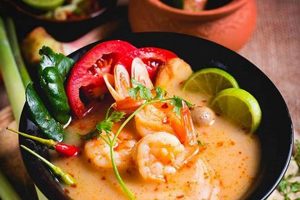
In Chinese cuisine, stir-frying, steaming, deep-frying, and braising are prominent. Stir-frying, characterized by high heat and rapid cooking times, preserves the crispness of vegetables while enhancing the flavors of meats and sauces. Steaming, often used for delicate ingredients such as seafood and dumplings, retains moisture and showcases natural flavors. Deep-frying introduces crispy textures, while braising imparts rich, savory flavors through long, slow cooking. Each method is carefully chosen to complement specific ingredients and achieve a desired textural and flavor balance. For example, Peking duck involves a complex multi-stage process including air-drying, roasting, and slicing to achieve its signature crispy skin and succulent meat. Conversely, Thai cuisine often employs techniques such as grilling, stir-frying, boiling (for curries), and the creation of salads (yam). Grilling imparts smoky flavors to meats and seafood, while stir-frying, similar to Chinese cooking, allows for quick cooking and flavor infusion. However, Thai stir-fries often incorporate a greater emphasis on fresh herbs and aromatic pastes. Boiling, primarily used in the preparation of curries, extracts flavors from spices and herbs, creating complex and aromatic sauces. Thai salads, unlike many Western salads, frequently feature cooked meats, seafood, or noodles, combined with fresh vegetables and a potent dressing that balances sweet, sour, salty, and spicy elements. An example of this is Tom Yum soup, which uses boiling to extract flavors from galangal, lemongrass, and kaffir lime leaves, achieving its distinctive tangy and aromatic broth.
The variance in these cooking methods extends beyond mere technique; it reflects fundamental differences in culinary priorities. Chinese methods often aim for a balance of textures and flavors through skillful manipulation and precise timing. Thai methods frequently prioritize the creation of bold and aromatic flavor profiles by emphasizing fresh ingredients and carefully crafted spice blends. These distinctions in cooking techniques ultimately shape the unique identities of Chinese and Thai food, contributing significantly to their diverse appeal and global recognition. Understanding these methods allows for a deeper appreciation of the cultural and historical contexts that have shaped these two prominent culinary traditions.
5. Flavor profiles
Flavor profiles are the defining characteristic that most readily distinguishes Chinese and Thai cuisine. These profiles are not merely a matter of taste; they are the culmination of historical influences, geographical factors, and cultural preferences, each contributing to a unique sensory experience. Chinese flavor profiles exhibit a wide spectrum, shaped by regional variations and cooking techniques. For instance, Cantonese cuisine emphasizes subtle sweetness and umami, often achieved through the use of fresh seafood and light sauces. Sichuan cuisine, in contrast, prioritizes bold spiciness and the numbing sensation from Sichuan peppercorns. In Thailand, the dominant flavor profiles are characterized by a balance of sweet, sour, salty, spicy, and umami notes. This complex interplay is often achieved through the use of ingredients like fish sauce, lime juice, chilies, and palm sugar. The use of aromatic herbs such as lemongrass, galangal, and kaffir lime leaves further enhances the distinctive Thai flavor profile. The effect is a culinary experience that is both stimulating and harmonious.
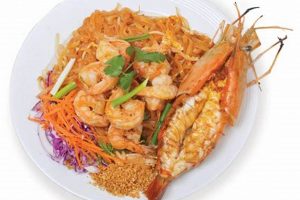
The importance of understanding flavor profiles extends beyond simple appreciation. It provides a practical framework for navigating menus, selecting dishes that align with personal preferences, and even attempting to recreate authentic recipes at home. Recognizing the distinct flavor signatures of each cuisine allows individuals to discern the quality and authenticity of dishes. For example, a properly executed Pad Thai should exhibit a balanced blend of sweet, sour, and savory flavors, while a well-prepared Kung Pao Chicken should showcase a harmonious combination of sweet, spicy, and nutty notes. Moreover, an understanding of flavor profiles facilitates effective communication with chefs and restaurant staff, enabling diners to articulate their preferences and request modifications to dishes to suit their individual tastes. This knowledge also promotes a deeper appreciation for the culinary artistry involved in creating these complex flavor combinations.
In summary, flavor profiles are not just a superficial aspect of Chinese and Thai cuisine; they are fundamental to their identities. These profiles are the result of complex interactions between ingredients, cooking techniques, and cultural traditions. By understanding these nuances, individuals can enhance their dining experiences, develop a greater appreciation for culinary diversity, and gain a deeper insight into the cultural contexts that have shaped these two influential cuisines. The key challenge lies in avoiding generalizations and appreciating the subtle variations within each culinary tradition, recognizing that flavor profiles are constantly evolving and adapting to new influences.
Frequently Asked Questions
The following section addresses common inquiries and misconceptions regarding the distinctions between Chinese and Thai culinary traditions. The objective is to provide clarity and enhance understanding of these globally recognized cuisines.
Question 1: Is Thai food always spicier than Chinese food?
While Thai cuisine is often characterized by its prominent use of chili peppers, not all Thai dishes are inherently spicy. Many Thai recipes feature a balance of sweet, sour, salty, and umami flavors. Similarly, certain regional Chinese cuisines, such as Sichuan and Hunan, are known for their intense spiciness. Therefore, generalizations about the spiciness levels across both cuisines should be avoided.
Question 2: What are the key differences in ingredients between Chinese and Thai dishes?
Chinese cooking often incorporates a wider range of ingredients, including various meats, vegetables, and preserved products. Thai cuisine frequently emphasizes fresh herbs and aromatics like lemongrass, galangal, and kaffir lime leaves. Additionally, soy sauce is a staple in Chinese cuisine, while fish sauce is a fundamental ingredient in many Thai dishes.
Question 3: Do Chinese and Thai cooking methods significantly differ?
Yes, while both cuisines utilize stir-frying, other techniques are more prominent depending on the culinary tradition. Chinese cooking often features steaming, braising, and deep-frying, whereas Thai cuisine commonly employs grilling, boiling (particularly for curries), and the preparation of fresh salads with complex dressings.
Question 4: Is there a typical flavor profile associated with each cuisine?
Generally, Chinese flavor profiles exhibit a wide range depending on the region, with some emphasizing sweetness and umami (Cantonese) and others prioritizing spiciness (Sichuan). Thai flavor profiles typically balance sweet, sour, salty, spicy, and umami elements, often with a strong emphasis on aromatic herbs.
Question 5: How does regional variation impact the comparison between Chinese and Thai food?
Regional variation is a critical factor. Cantonese food differs significantly from Sichuan food, just as Northern Thai cuisine differs from Southern Thai cuisine. These regional differences influence ingredient choices, cooking methods, and overall flavor profiles, making generalizations across each entire cuisine potentially misleading.
Question 6: Is it accurate to characterize Chinese food as simply “stir-fried” and Thai food as solely “curry”?
This is a significant oversimplification. Both Chinese and Thai cuisines offer a diverse array of dishes that extend far beyond these two categories. Steamed dishes, soups, noodles, and various other preparations contribute to the richness and complexity of both culinary traditions.
In summary, understanding the differences between Chinese and Thai food requires considering multiple factors, including ingredient usage, cooking methods, flavor profiles, and regional variations. Avoiding generalizations is crucial to appreciating the nuances of each cuisine.
The next section will delve into specific dish comparisons, providing concrete examples of how these differences manifest in practice.
Chinese vs Thai Food
This exploration has illuminated the distinct characteristics of Chinese and Thai food, highlighting key differences in ingredient emphasis, spice utilization, cooking methods, and resulting flavor profiles. Regional variations within each cuisine further contribute to their individual complexity and prevent broad generalizations. Understanding these nuances enables a more informed appreciation of the culinary artistry inherent in both traditions.
Continued exploration and mindful consumption are encouraged to foster a deeper understanding of these culinary heritages. Recognizing the diverse influences shaping these food traditions promotes a richer cultural exchange and contributes to a more nuanced appreciation of global gastronomy. Further research into specific regional dishes and preparation techniques will undoubtedly reveal even greater levels of sophistication and artistry within both Chinese and Thai food.

![Best Thai Food Cedar Park TX: Your [Location] Guide | World’s Most Delicious Foods: Must-Try Dishes from Every Country](https://lisasfoods.com/wp-content/uploads/2026/05/th-220-300x200.jpg "Best Thai Food Cedar Park TX: Your [Location] Guide World’s Most Delicious Foods: Must-Try Dishes from Every Country")