Dishes originating from Thailand often exhibit a complex profile characterized by the strategic blending of sweet, sour, salty, bitter, and spicy elements. This culinary approach commonly utilizes ingredients such as chili peppers, lemongrass, galangal, lime, and fish sauce to create a distinctive and aromatic experience. An example is Pad Thai, a stir-fried noodle dish that harmonizes these diverse flavors into a satisfying meal.
The balance of these foundational taste sensations plays a crucial role in the cultural identity of the cuisine. This approach not only stimulates the palate but also reflects the regional agricultural bounty and historical influences. The thoughtful combination of ingredients contributes to both the nutritional value and the overall sensory appeal of the dining experience. This has cemented its place in global culinary preferences.
The following discussion will examine specific ingredients, regional variations, and preparation techniques that contribute to the creation of this particular culinary profile. It will also delve into the ways in which this approach has been adapted and interpreted across different cultural contexts.
Culinary Recommendations
The following recommendations offer insights into maximizing the authentic experience when preparing dishes characterized by a complex and balanced sensory profile.
Tip 1: Ingredient Freshness: Utilize fresh herbs and produce whenever possible. The aromatic compounds in fresh ingredients significantly enhance the overall flavor profile compared to dried alternatives.
Tip 2: Spice Level Calibration: Adjust the quantity of chili peppers based on individual tolerance and the intended dish. Start with a smaller amount and gradually increase, tasting at each stage to achieve the desired heat level.
Tip 3: Balancing Acidic and Sweet Elements: Lime juice and palm sugar are commonly used to achieve a harmonious balance. Adjust the proportions of these ingredients based on the desired level of tartness and sweetness. Experimentation is encouraged.
Tip 4: Proper Fish Sauce Application: Fish sauce contributes umami and saltiness. Exercise caution when adding fish sauce, as over-seasoning can easily occur. Add small amounts and taste frequently.
Tip 5: Understanding Galangal and Lemongrass: Galangal and lemongrass offer distinct citrusy and earthy notes. Bruise these ingredients before adding them to release their essential oils and maximize their flavor contribution.
Tip 6: Incorporate Textural Contrasts: Integrate elements that provide textural variation, such as crispy fried garlic, roasted peanuts, or fresh vegetables. This enhances the overall sensory experience.
Tip 7: Respect Regional Variations: Be mindful of regional differences in preparation techniques and ingredient usage. Researching the specific nuances of each dish is vital for authentic replication.
The successful creation of a balanced and flavorful dish relies on careful attention to ingredient quality, precise seasoning, and an understanding of the interplay between various flavor components. Adhering to these guidelines increases the likelihood of achieving an authentic and enjoyable culinary outcome.
The subsequent sections will provide deeper dives into specific regional culinary practices and explore the evolution of these flavor profiles in a global context.
1. Balance of flavors

The concept of balanced sensory elements represents a foundational principle in cuisine originating from Thailand. It is not merely a culinary preference, but a defining characteristic that contributes significantly to the distinct identity and recognition of this food style worldwide. The emphasis on achieving equilibrium between sweet, sour, salty, bitter, and spicy dimensions sets it apart and contributes to its complex appeal.
- Strategic Use of Sweetness
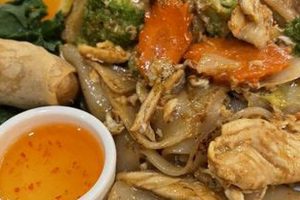
Sweetness, often derived from palm sugar or other natural sources, is strategically employed to temper the intensity of other stronger components. Its presence provides a counterpoint to the heat of chilies and the sharpness of acidic ingredients, creating a more harmonious and palatable final product. For example, in Pad See Ew, a stir-fried noodle dish, sweetness rounds out the flavor profile, preventing it from being overwhelmingly salty or savory.
- Importance of Acidity
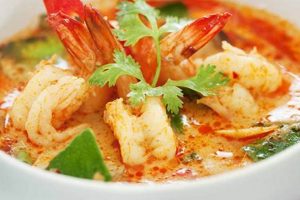
Acidity, typically sourced from lime juice, tamarind, or vinegar, plays a crucial role in brightening and enhancing the overall taste. It serves to cut through richness and provide a refreshing contrast to heavier, more substantial ingredients. Tom Yum soup, known for its sour and spicy broth, exemplifies the effective use of acidity to create a vibrant and stimulating sensory experience.
- Saltiness as a Foundation
Saltiness, primarily obtained from fish sauce or soy sauce, forms a critical base upon which other flavors are built. It enhances the savory aspects of dishes and amplifies the other sensory elements. While used judiciously, its presence is essential for creating a well-rounded and satisfying taste. In green curry, for instance, the controlled application of saltiness provides a grounding element that balances the sweetness of coconut milk and the spice of green chilies.
- The Role of Bitter Undertones
Bitterness, though often subtle, contributes complexity and depth to certain Thai dishes. It may be derived from ingredients such as bitter melon or certain types of herbs and spices. This dimension adds a layer of sophistication and prevents the overall flavor profile from becoming overly simplistic or one-dimensional. For example, some regional curries may incorporate bitter herbs to add a distinct edge to the flavor profile, creating a more nuanced culinary experience.
The skillful manipulation and harmonization of these fundamental dimensions is the hallmark of this complex cuisine. Achieving the optimal point allows for the creation of food that is not only palatable but also remarkably nuanced and memorable. This delicate equilibrium is not accidental but rather a deliberate and essential component in the preparation and enjoyment of dishes of this kind.
2. Aromatic Herbs

The incorporation of fresh aromatic herbs is not merely an embellishment, but a fundamental component in creating the distinctive sensory experience characteristic of dishes from Thailand. These herbs contribute significantly to the overall volatile compound profile, influencing aroma and taste in profound ways. The absence of these ingredients compromises the authenticity and complexity of the final culinary product. Their presence represents a direct cause-and-effect relationship; omitting them results in a diminished and less representative flavor profile.
Specific examples illustrate this point. Lemongrass, galangal, and kaffir lime leaves are essential in Tom Yum soup, imparting citrusy, earthy, and floral notes, respectively. Thai basil contributes an anise-like aroma to green curry and enhances the overall complexity. Cilantro, both the leaves and roots, find use in numerous salads and soups, providing a fresh, slightly peppery note. The precise combination and preparation of these herbs determine the final taste and aroma, influencing consumer perception and acceptance. Failure to use fresh herbs, or substituting dried alternatives, often results in a noticeable reduction in aromatic intensity and complexity, diminishing the dish’s perceived quality.
Understanding the specific contributions of each aromatic herb enables cooks to make informed decisions about ingredient selection and preparation techniques. This knowledge also facilitates adaptations for regional variations or ingredient availability. The practical significance of this understanding lies in the ability to consistently reproduce authentic and flavorful dishes. The challenge, however, rests in maintaining access to high-quality, fresh herbs, particularly in regions where they are not locally cultivated. Nevertheless, recognizing their critical role is paramount to preserving the integrity of the dishes themselves.
3. Chili intensity

The degree of perceived heat, derived primarily from chili peppers, represents a defining element in many dishes originating from Thailand. It significantly influences the overall flavor profile and contributes to the culinary identity. Understanding the use and impact of chili intensity is essential for comprehending the nuances of these cuisines.
- Varietal Diversity and Heat Levels
Different chili varieties, ranging from mild to extremely pungent, are employed based on regional preferences and specific dish requirements. Bird’s eye chilies, for example, provide a high level of heat, while other types may offer a more subtle warmth. The careful selection of chili type directly impacts the final sensory experience.
- Preparation Methods Affecting Pungency
The method of preparing chilies, whether fresh, dried, roasted, or incorporated into pastes, alters their pungency. Roasting, for instance, can enhance the smoky flavor while simultaneously reducing the perceived heat. The preparation technique thus plays a crucial role in managing the overall intensity.
- Regional Variations in Chili Use
Regional cuisines exhibit distinct approaches to chili usage. Southern Thailand, for instance, often features dishes with a higher heat level compared to the central regions. These regional variations reflect cultural preferences and local agricultural practices.
- Balancing Heat with Other Flavors
The effective use of chili intensity involves a strategic balance with other flavor dimensions, such as sweetness, sourness, and saltiness. This balance creates a complex and harmonious flavor profile rather than simply overwhelming the palate with heat. The integration of these elements is fundamental to the sophisticated approach to cooking practices in Thailand.
Chili intensity, therefore, is not merely a measure of spiciness but a complex component that contributes to the overall characteristics of dishes originating from Thailand. Its careful management, considering varietal selection, preparation methods, regional preferences, and flavor balancing, is integral to achieving a balanced and authentic culinary outcome.
4. Regional variations

Cuisine originating from Thailand displays significant regional variations, directly influencing the composition and character of what is recognized as having a distinct flavor profile. Geographical factors, historical influences, and local ingredient availability are primary drivers behind these culinary distinctions. The Northern region, for example, exhibits Burmese influences, resulting in dishes with milder spice levels and the inclusion of fermented ingredients like nam phrik num (green chili dip). This contrasts sharply with the Southern region, which borders Malaysia and is characterized by the use of abundant seafood and intensely spicy curries heavily influenced by Malay and Indonesian culinary traditions. The Central region, encompassing Bangkok, often presents a balanced approach, incorporating elements from other regions while also developing unique dishes reflecting the area’s historical status and access to diverse ingredients. Northeastern cuisine, influenced by Laos, features sticky rice as a staple and utilizes fermentation and grilling techniques to preserve food in a drier climate. These variations are not superficial modifications; they represent fundamental differences in ingredient selection, preparation methods, and overall sensory preferences.
The practical significance of understanding regional variations lies in accurately representing the multifaceted nature of a cuisine. For culinary professionals, this knowledge enables the creation of authentic and nuanced menus. For consumers, it allows for a more informed appreciation of the diversity within Thai culinary traditions. Consider the preparation of Massaman Curry: While considered a standard Thai dish, its spice profile and ingredient composition vary significantly based on regional interpretation. Northern versions may be sweeter and less spicy, while Southern versions typically feature a higher concentration of chilies and a more intense aromatic profile. Similarly, the use of coconut milk, a common ingredient across many regions, is adjusted based on local availability and preference, resulting in variations in texture and richness. These differences highlight the importance of acknowledging regional nuances to avoid generalizations and maintain authenticity.
In summary, regional variations are not merely deviations but integral components of Thai cuisine. They reflect the diverse geographical, historical, and cultural influences that have shaped the country’s culinary landscape. Recognizing and understanding these variations is essential for preserving culinary authenticity, promoting informed consumption, and appreciating the complex tapestry of flavors that constitute Thai culinary heritage. Further research and documentation are needed to fully capture the breadth and depth of these regional distinctions, ensuring that the nuances are preserved for future generations.
5. Fresh ingredients

The utilization of fresh ingredients is paramount to the attainment of authentic flavors in cuisine originating from Thailand. The cause-and-effect relationship is direct: compromised freshness inevitably diminishes the intended sensory experience. These culinary practices emphasize ingredients at peak ripeness, where volatile compounds responsible for aroma and taste are at their most concentrated. The impact extends beyond mere taste; freshness is intrinsically linked to the overall quality and nutritional value of the final preparation. Consider the ubiquitous Som Tum (green papaya salad); the crispness of freshly shredded papaya, the vibrant acidity of lime juice squeezed moments before serving, and the aromatic intensity of freshly pounded chilies collectively define its characteristic flavor profile. Stale or pre-processed components irrevocably alter this balance, resulting in a dish that lacks the intended vitality and complexity.
The practical significance of understanding the importance of fresh ingredients extends to sourcing practices and culinary techniques. Chefs and home cooks must prioritize procuring produce from reliable sources that emphasize quality and timeliness. Proper storage and handling are also critical to preserving freshness. Certain techniques, such as the immediate use of freshly harvested herbs or the preparation of curry pastes with recently ground spices, further enhance the overall flavor impact. In contrast, the reliance on pre-packaged or processed ingredients, while convenient, often sacrifices the essential volatile compounds and textural nuances that define the authenticity of dishes of this kind. For instance, pre-made curry pastes, even when commercially available, may lack the complexity and depth of flavor achieved through freshly prepared alternatives, impacting the overall quality of dishes like green or red curry.
In conclusion, the connection between fresh ingredients and the sensory quality of dishes originating from Thailand is undeniable. Prioritizing freshness is not merely a culinary preference, but a fundamental principle that dictates the authenticity and overall quality of the final product. While challenges related to sourcing and preservation exist, the commitment to fresh ingredients remains a cornerstone of genuine culinary practices. Further research into sustainable sourcing practices and techniques for preserving freshness is crucial for maintaining the integrity of these dishes in a globalized culinary landscape.
6. Coconut Milk

Coconut milk functions as a foundational component in numerous dishes from Thailand, exerting a substantial influence on texture, flavor, and overall sensory experience. The presence of coconut milk introduces a distinctive creamy texture, which serves to balance the intensity of spices and acidic elements frequently employed. Its inherent sweetness also contributes to the overall harmonic blending of sensory dimensions that characterizes these dishes. An illustrative example is green curry, where coconut milk tempers the heat of green chilies and the pungent aromatics, while simultaneously creating a rich and enveloping sauce. Without coconut milk, the curry would lack its characteristic creamy mouthfeel and the flavors would be perceived as significantly more aggressive. The practical significance of understanding this relationship lies in the ability to adjust the quantity and type of coconut milk (full-fat versus light) to achieve specific textural and flavor outcomes. Lower-fat alternatives, while offering a lighter option, may compromise the desired richness and mouthfeel.
Beyond its textural and flavor contributions, coconut milk also acts as a carrier for fat-soluble flavor compounds present in other ingredients. Aromatic herbs, spices, and chilies release their essential oils into the fatty medium of the coconut milk, allowing their flavors to disperse more evenly throughout the dish. This dispersion is crucial for achieving a consistent and well-integrated flavor profile. Furthermore, the use of fresh versus canned coconut milk can significantly alter the final outcome. Freshly pressed coconut milk typically exhibits a more intense flavor and aroma compared to its canned counterpart, although convenience often dictates the choice. In traditional culinary settings, the separation of coconut cream (the thickest layer) from the thinner milk is a common practice, allowing for strategic use of each component to achieve specific textural nuances. For example, coconut cream may be added towards the end of cooking to create a luxurious, velvety finish, while the thinner milk is used earlier in the cooking process to braise or simmer ingredients.
In summary, coconut milk represents far more than a mere ingredient. Its role in contributing specific sensory dimensions defines its importance. Considerations for type of coconut milk, its strategic use during food preparation have a significant impact on the dish. Further exploration into the specific lipid composition of coconut milk and its interaction with other culinary elements may reveal additional insights into its role in enhancing the appeal of Thai cuisine.
7. Fermented sauces
Fermented sauces are integral to the development of complex flavor profiles. These sauces, including fish sauce ( nam pla), shrimp paste ( kapi), and fermented fish sauce ( pla ra), provide umami, saltiness, and distinctive aromatic compounds not achievable through other means. The fermentation process breaks down proteins into amino acids, creating glutamates that enhance the savory qualities of dishes. The specific microorganisms involved in fermentation, coupled with the raw ingredients, dictate the unique character of each sauce. The omission of these fermented elements directly impacts the authenticity of numerous dishes. For example, the characteristic flavor of green papaya salad (Som Tum) is significantly dependent on the quality and type of fish sauce used. A poorly fermented or substituted fish sauce will result in a dish lacking the appropriate depth of flavor and complexity.
The practical significance of understanding the role of fermented sauces lies in the ability to utilize them effectively in cooking. Fish sauce, in particular, is often used in place of salt, providing both sodium chloride and a distinct savory aroma. Shrimp paste, typically used in curries and relishes, adds a concentrated source of umami and contributes to the overall complexity of the flavor profile. Pla ra, a more intensely flavored fermented fish sauce, is commonly used in Northeastern dishes, adding a pungent and savory note. Chefs must carefully consider the salt content of each sauce and adjust other seasonings accordingly to avoid over-salting. Moreover, the quality of the fermented sauce is paramount. Authenticity is often tied to sourcing sauces produced using traditional methods, as mass-produced alternatives may lack the same depth of flavor.
In summary, fermented sauces are critical for creating balanced and authentic dishes in the cuisine originating from Thailand. The understanding of the diverse types of fermented sauces and their specific flavor contributions is crucial for culinary professionals. Challenges related to sourcing authentic products and accurately judging their salt content exist. Nonetheless, the strategic use of fermented sauces remains essential for achieving the signature profiles.
Frequently Asked Questions Regarding Thai Flavor Profiles
The following questions address common inquiries and misconceptions related to the unique characteristics often found in cuisine originating from Thailand.
Question 1: What are the defining characteristics?
Answer: The hallmark characteristic is the strategic balance of sweet, sour, salty, bitter, and spicy elements. This balance, coupled with the liberal use of aromatic herbs and fermented sauces, distinguishes this flavor profile.
Question 2: Are all dishes inherently spicy?
Answer: No. While chili peppers are commonly used, the level of spiciness varies significantly depending on regional preferences and specific dish requirements. Many dishes can be prepared with mild or no chili content.
Question 3: Can dried herbs be substituted for fresh herbs?
Answer: While dried herbs can be used, fresh herbs are generally preferred due to their superior aromatic intensity and volatile compound profile. The use of dried herbs may result in a less complex and nuanced flavor.
Question 4: Is fish sauce essential?
Answer: Fish sauce provides a distinct umami and salty flavor that is difficult to replicate. While substitutes exist, such as soy sauce or vegetarian fish sauce, the resulting flavor profile will differ from the traditional taste.
Question 5: How important is regional variation?
Answer: Regional variations are significant, reflecting diverse historical influences, agricultural practices, and ingredient availability. Understanding these variations is crucial for accurately representing the multifaceted culinary landscape.
Question 6: What role does coconut milk play?
Answer: Coconut milk contributes to the overall sensory profile. Beyond that, it balances the hot and spicy flavors to the dish.
Key takeaways include the importance of balance, freshness, and regional awareness. Understanding these aspects enables more informed culinary experiences.
The subsequent section will delve into specific preparation techniques and ingredient sourcing considerations.
Conclusion
This exploration has elucidated key elements that define the culinary profile described as “thai flavor food.” Attention has been directed to the strategic balance of sweet, sour, salty, bitter, and spicy dimensions; the critical role of aromatic herbs and fermented sauces; and the significant influence of regional variations and ingredient freshness. These aspects collectively contribute to the distinct identity and complexity recognized globally.
Continued research into sustainable ingredient sourcing and preservation methods, coupled with a deeper appreciation for regional nuances, remains crucial for maintaining the authenticity and integrity of this culinary tradition. Consistent effort towards informed preparation and consumption will ensure the longevity and appreciation of the qualities that define “thai flavor food” for generations to come.