



A dietary product formulated for felines, this specialized nutrition aims to provide complete and balanced nourishment for cats of varying ages, breeds, and activity levels. These products typically contain a blend of proteins, carbohydrates, fats, vitamins, and minerals. For example, a specific formula might be designed for kittens, featuring a higher protein content to support growth, while another might be tailored to senior cats, with reduced calories and added joint support.
The significance of providing appropriate feline sustenance lies in its direct impact on the animal’s overall health and well-being. Proper nutrition contributes to a strong immune system, healthy coat and skin, optimal digestion, and sustained energy levels. Historically, pet food options were limited, but advances in veterinary science and nutritional understanding have led to the development of specialized formulas designed to address specific dietary needs and health concerns.
The following sections will delve into specific aspects of these feline diets, including ingredient analysis, product lines, nutritional considerations, and consumer feedback, to provide a comprehensive overview of what pet owners should consider when selecting the appropriate nourishment for their feline companions.
Nutritional Guidance
Ensuring optimal feline well-being necessitates careful consideration of dietary choices. The following points offer guidance for pet owners selecting appropriate provisions for their cats.
Tip 1: Understand Life Stage Requirements: Kitten formulas provide increased protein and calories to support rapid growth. Adult formulas focus on maintaining optimal weight and overall health. Senior formulas often contain ingredients to support joint health and cognitive function.
Tip 2: Analyze Ingredient Lists: Prioritize foods with identifiable protein sources, such as chicken, fish, or turkey, listed as the first ingredients. Be mindful of excessive filler ingredients like corn, wheat, and soy, which offer limited nutritional value for felines.
Tip 3: Consider Specific Health Needs: Cats with allergies or sensitivities may benefit from limited-ingredient diets, while those with urinary issues may require specialized formulas to manage mineral levels and pH balance.
Tip 4: Control Portion Sizes: Overfeeding can lead to obesity and associated health problems. Adhere to the feeding guidelines provided on the product packaging, adjusting portions as needed based on the cat’s activity level and body condition.
Tip 5: Ensure Fresh Water Availability: Adequate hydration is crucial for feline health. Provide fresh, clean water at all times. Consider offering wet food to increase water intake, particularly for cats prone to urinary issues.
Tip 6: Monitor Fecal Consistency: Changes in fecal consistency can indicate dietary intolerance or digestive issues. Consult a veterinarian if persistent diarrhea or constipation occurs.
Tip 7: Transition Foods Gradually: Abrupt dietary changes can cause digestive upset. When switching foods, gradually mix the new food with the old food over a period of 7-10 days.
These guidelines facilitate informed decision-making regarding feline nourishment, ultimately contributing to the animal’s long-term health and vitality.
The subsequent sections will explore specific product lines and consumer feedback to further illuminate the selection process for these feline diets.
1. Protein Source Quality

Protein source quality is a critical determinant of the nutritional value of feline diets. The biological value of protein, its amino acid profile, and digestibility directly impact a cat’s overall health and well-being. The efficacy of a dietary product hinges on its ability to provide the necessary building blocks for muscle maintenance, immune function, and enzyme production.
- Amino Acid Profile
Cats require specific amino acids, such as taurine, which are not adequately synthesized in their bodies. The presence and concentration of these essential amino acids within the protein source are paramount. Deficiencies can lead to severe health problems, including cardiac issues and vision impairment. High-quality protein sources, such as chicken, fish, or turkey, generally offer a more complete amino acid profile than plant-based proteins.
- Digestibility and Bioavailability
The degree to which a protein source is digestible and its amino acids are bioavailable significantly influences nutrient absorption. Highly digestible protein sources result in lower fecal volume and improved nutrient utilization. Rendering processes and ingredient processing methods can impact digestibility; therefore, manufacturers must employ techniques that preserve protein integrity and bioavailability.
- Protein Concentration and Source Diversity
While protein quantity is important, the source and its concentration are equally vital. Diets with excessive levels of lower-quality protein may overwhelm the digestive system without providing the necessary essential amino acids. A combination of protein sources, when appropriate and well-formulated, can offer a more balanced amino acid profile and improve overall nutritional adequacy.
- Impact on Health Conditions
Specific protein sources may be more suitable for cats with particular health conditions. For instance, hydrolyzed protein diets can be beneficial for cats with food sensitivities, as they break down proteins into smaller peptides, reducing the likelihood of an allergic reaction. Novel protein sources, such as duck or venison, may also be considered for cats with sensitivities to common protein sources like chicken or beef.
In conclusion, evaluating protein source quality requires careful consideration of amino acid profiles, digestibility, concentration, source diversity, and potential impacts on health conditions. These factors are interwoven, and their combined effect determines the nutritional suitability of a feline diet and the degree to which it supports the cat’s physiological needs. A product that prioritizes high-quality, bioavailable protein sources can significantly contribute to a cat’s long-term health and vitality.
2. Ingredient Digestibility

Ingredient digestibility is a cornerstone of feline nutrition, profoundly impacting the nutritional efficacy of feline sustenance. The extent to which a feline can break down and absorb nutrients from its food directly influences its overall health, energy levels, and waste production. Therefore, understanding the factors that contribute to ingredient digestibility is crucial when evaluating the suitability of a dietary product.
- Fiber Content and Type
The presence and type of fiber significantly affect digestive processes. While some fiber is beneficial for promoting gut motility and regulating bowel movements, excessive or poorly digestible fiber can hinder nutrient absorption. Specific formulations may contain different fiber sources, such as beet pulp or cellulose, each with varying degrees of digestibility and impact on fecal consistency. Diets with high levels of poorly digestible fiber may result in increased fecal volume and reduced nutrient uptake.
- Processing Methods
The methods used to process ingredients can drastically alter their digestibility. Extrusion, a common manufacturing technique, can improve the digestibility of certain carbohydrates by breaking down complex starches into simpler sugars. However, excessive heat during processing can denature proteins and reduce their bioavailability. Careful control of processing parameters is essential to preserve the digestibility of key nutrients.
- Ingredient Interactions
The combination of ingredients within a diet can influence digestibility. Certain ingredients may enhance the absorption of others, while others can interfere with nutrient uptake. For example, the presence of phytates in plant-based ingredients can bind to minerals, reducing their bioavailability. Formulations that consider ingredient interactions are more likely to optimize nutrient absorption and minimize digestive disturbances.
- Animal Species and Breed Considerations
Although less pronounced than in other species, subtle differences in digestive physiology can exist among different cat breeds. Moreover, individual cats may exhibit varying degrees of sensitivity to certain ingredients. A cat with a sensitive digestive system may benefit from a diet formulated with highly digestible ingredients and minimal allergenic potential. Careful observation of fecal consistency and overall health can help determine the digestibility of a particular diet for an individual animal.
The multifaceted nature of ingredient digestibility underscores its significance in feline nutrition. A dietary selection that prioritizes highly digestible ingredients, minimizes digestive inhibitors, and considers individual animal sensitivities is more likely to promote optimal nutrient absorption and contribute to overall health and well-being. The effectiveness of these dietary approaches is ultimately reflected in the cat’s physical condition, energy levels, and digestive health.
3. Life-Stage Specificity

The design and formulation of feline diets, exemplified by offerings like “nutri source cat food,” must accommodate the distinct nutritional requirements that vary across a cat’s lifespan. These life-stage specific needs stem from differing metabolic rates, growth rates, and physiological demands that characterize each period. Kitten formulas, for instance, prioritize higher protein and caloric densities to support rapid tissue development and skeletal growth. In contrast, adult maintenance formulas focus on sustaining optimal weight and muscle mass, while senior formulations often incorporate ingredients that address age-related concerns like joint stiffness or cognitive decline. This precise tailoring ensures that cats receive the necessary nutrients in the correct proportions to support their current physiological state.
A critical consequence of neglecting life-stage specificity is the potential for nutritional imbalances and related health problems. Overfeeding a kitten an adult formula, which is lower in essential nutrients like calcium and phosphorus, can impede proper skeletal development. Conversely, an older cat consuming a kitten formula may experience excessive weight gain, stressing their organs and increasing the risk of diabetes. To mitigate these risks, “nutri source cat food” and similar brands offer a range of products designed to address the unique needs of kittens, adults, and seniors. Product packaging typically provides clear guidance on appropriate feeding amounts and life-stage suitability.
The importance of life-stage specificity within the context of feline diets cannot be overstated. By providing age-appropriate nutrition, pet owners can proactively support their cat’s health and well-being, potentially mitigating the onset of age-related ailments and maximizing their lifespan. However, challenges remain in educating consumers about the nuances of feline nutrition and the importance of selecting the correct formula for their cat’s individual needs. Continued research and clear communication from manufacturers are essential to ensure that cats receive the optimal nutrition throughout their lives.
4. Health Condition Support

The intersection of “Health Condition Support” and specialized feline diets, exemplified by brands such as “nutri source cat food,” represents a critical aspect of veterinary care and responsible pet ownership. Certain health conditions, ranging from urinary tract diseases to food sensitivities and obesity, necessitate dietary interventions. The goal is to manage symptoms, mitigate disease progression, and improve the overall quality of life for affected animals. Formulations designed for health condition support often involve specific nutrient modifications, such as controlled mineral levels, hydrolyzed proteins, or reduced calorie content. The efficacy of these diets relies on a thorough understanding of the underlying disease mechanisms and the targeted manipulation of nutritional components.
Examples of health condition support include diets formulated for cats with feline lower urinary tract disease (FLUTD). These diets typically contain controlled levels of magnesium, phosphorus, and calcium to minimize the formation of struvite crystals. They also promote increased water intake to dilute urine and reduce the concentration of irritants. Similarly, diets for cats with food sensitivities often feature novel or hydrolyzed protein sources to minimize the risk of allergic reactions. Obesity management diets typically involve increased fiber content to promote satiety and controlled calorie levels to facilitate weight loss. The implementation of these dietary strategies, however, requires careful monitoring and guidance from a veterinarian to ensure appropriate nutrient intake and prevent unintended consequences.
The practical significance of health condition support extends beyond symptom management. It can play a vital role in preventing disease recurrence, improving medication efficacy, and enhancing the overall well-being of affected cats. However, challenges remain in ensuring owner compliance with dietary recommendations and in accurately diagnosing the underlying cause of health problems. Continued research and advancements in veterinary nutrition are essential to refine dietary strategies and improve the health outcomes for cats with various medical conditions. The synergistic relationship between veterinary care and specialized diets, exemplified by “nutri source cat food”, highlights the importance of a holistic approach to feline health management.
5. Palatability Factors

Palatability, the measure of how appealing a food is to an animal, constitutes a crucial element in ensuring adequate nutrient intake for felines. In the context of “nutri source cat food,” palatability influences acceptance, consumption levels, and ultimately, the nutritional benefits derived from the product. This necessitates a careful balance between nutritional composition and sensory attributes that appeal to feline preferences.
- Aroma Composition
Aroma serves as an initial indicator of food quality and palatability for cats. Volatile compounds derived from protein sources, fats, and added flavorings contribute to the overall scent profile. Formulations designed to maximize palatability often incorporate ingredients with strong, appealing aromas to encourage initial consumption. Conversely, off-putting or rancid odors can deter even the most nutrient-rich food from being consumed.
- Texture and Kibble Size
Felines exhibit preferences for specific textures and kibble sizes. Texture influences the oral sensation during consumption, while kibble size affects prehension and chewing behavior. Smaller kibble sizes are generally preferred by cats with dental issues or smaller mouths, whereas larger kibble sizes may be more appealing to cats with a tendency to bolt their food. The selection of appropriate textures and kibble sizes can significantly impact food acceptance.
- Flavor Enhancers
Flavor enhancers, such as animal digests and palatants, are frequently added to feline diets to improve palatability. These compounds stimulate taste receptors and increase the overall appeal of the food. The type and concentration of flavor enhancers must be carefully controlled to ensure safety and efficacy. Overuse of flavor enhancers can mask underlying ingredient quality issues and lead to overconsumption.
- Fat Content and Type
Fat plays a dual role in palatability, contributing both to flavor and texture. The type of fat used in feline diets can also influence palatability. Animal fats, such as poultry fat, tend to be more palatable to cats than vegetable oils. Adequate fat content is essential for providing essential fatty acids and enhancing the overall appeal of the food. However, excessive fat content can lead to obesity and other health problems.
The convergence of aroma, texture, flavor, and fat content defines the palatability profile of “nutri source cat food” and similar products. Optimizing these factors requires a thorough understanding of feline sensory preferences and the careful selection of ingredients and processing methods. Achieving a high degree of palatability is essential for ensuring adequate nutrient intake and supporting the overall health and well-being of feline companions.
6. Manufacturing Standards

Manufacturing standards are paramount in ensuring the safety, quality, and consistency of pet food products, including “nutri source cat food.” These standards encompass a range of practices and regulations that govern ingredient sourcing, processing methods, quality control measures, and labeling requirements. Adherence to established manufacturing standards is critical for protecting animal health and maintaining consumer trust.
- Ingredient Sourcing and Traceability
Stringent standards dictate the selection and sourcing of ingredients used in “nutri source cat food.” Suppliers must meet specified quality criteria, and traceability systems must be in place to track ingredients from origin to final product. This ensures that ingredients are free from contaminants, meet nutritional specifications, and can be traced back to their source in the event of a recall. For example, regulations may require testing for aflatoxins in corn or melamine in protein sources.
- Quality Control Procedures
Rigorous quality control procedures are implemented throughout the manufacturing process. These procedures involve regular testing of raw materials, in-process samples, and finished products to ensure they meet established standards. Testing may include analyses for nutrient content, microbial contamination, and heavy metals. Statistical process control (SPC) methods are often employed to monitor manufacturing processes and identify potential deviations from established norms, allowing for corrective actions to be implemented promptly.
- Facility Hygiene and Sanitation
Manufacturing facilities must adhere to strict hygiene and sanitation protocols to prevent contamination and ensure product safety. This includes regular cleaning and disinfection of equipment, pest control measures, and employee hygiene practices. Compliance with Good Manufacturing Practices (GMPs) is essential for maintaining a sanitary production environment. For example, facilities may be required to implement Hazard Analysis and Critical Control Points (HACCP) systems to identify and control potential hazards.
- Nutritional Adequacy and Labeling
Standards also govern the nutritional adequacy of “nutri source cat food” and the accuracy of product labeling. Nutritional profiles must meet or exceed established guidelines for essential nutrients, and labeling must accurately reflect the ingredients and nutrient content of the product. Regulations may require feeding trials to demonstrate the nutritional adequacy of a diet or compliance with standards set by organizations such as the Association of American Feed Control Officials (AAFCO).
The facets of ingredient sourcing, quality control, facility hygiene, and nutritional labeling collectively contribute to the integrity of “nutri source cat food.” These standards provide a framework for responsible manufacturing practices and ensure that the final product meets the nutritional needs of feline companions while minimizing the risk of contamination or misrepresentation. Compliance with these standards is not merely a regulatory requirement but a commitment to animal health and consumer confidence.
7. Nutrient Balance

Nutrient balance constitutes a fundamental principle in feline nutrition, directly influencing the physiological well-being of cats. In the context of “nutri source cat food,” achieving optimal nutrient balance requires precise formulation to meet the specific dietary requirements of felines at various life stages and under varying health conditions. This delicate equilibrium involves the appropriate ratios and quantities of macronutrients (proteins, fats, and carbohydrates) and micronutrients (vitamins and minerals).
- Protein-to-Fat Ratio
The protein-to-fat ratio is crucial for maintaining lean muscle mass and providing energy. An inadequate protein level can lead to muscle wasting, while excessive fat can result in obesity. “Nutri source cat food” formulations consider the ideal ratio for different life stages. Kitten formulas typically exhibit a higher protein-to-fat ratio to support rapid growth, whereas senior formulas may feature a modified ratio to manage weight and support joint health. For example, a high-performance diet might contain 40% protein and 20% fat, while a weight-management formula might have 35% protein and 15% fat.
- Calcium-to-Phosphorus Ratio
The calcium-to-phosphorus ratio is particularly critical for skeletal health, especially in kittens. An imbalance can lead to developmental abnormalities, such as rickets. “Nutri source cat food” strives to maintain an optimal ratio, typically around 1.2:1 or 1.5:1, to promote healthy bone growth and mineralization. Supplementation with calcium or phosphorus should only occur under veterinary guidance to prevent disrupting this carefully calibrated balance. Real-world examples of imbalance leading to skeletal problems highlight the importance of this nutrient balance.
- Omega-3 to Omega-6 Fatty Acid Ratio
The ratio of omega-3 to omega-6 fatty acids influences inflammatory responses and skin health. An imbalance can contribute to chronic inflammation and skin conditions. “Nutri source cat food” formulations often incorporate sources of omega-3 fatty acids, such as fish oil, to help balance the ratio and promote healthy skin and coat. For instance, a diet might include flaxseed or salmon oil to increase omega-3 levels and achieve a ratio closer to 5:1 or 10:1 (omega-6 to omega-3). The inclusion of such ingredients addresses the body’s complex inflammatory responses.
- Vitamin and Mineral Balance
Vitamins and minerals play essential roles in various metabolic processes, immune function, and overall health. Deficiencies or excesses can lead to a range of health problems. “Nutri source cat food” formulations contain a balanced blend of vitamins and minerals, such as vitamin A, vitamin D, vitamin E, B vitamins, zinc, and copper, to support optimal physiological function. Supplementation without proper assessment can disrupt this balance and lead to toxicity or interference with other nutrients, further emphasizing the importance of a well-balanced approach.
These examples, ranging from macronutrient ratios to micronutrient balances, illustrate the complexity of formulating nutritionally complete feline diets. “Nutri source cat food,” along with other reputable brands, invests significant effort in research and development to achieve and maintain optimal nutrient balance, thereby promoting the health and well-being of feline companions. However, it is crucial for pet owners to consult with a veterinarian to determine the specific dietary needs of their individual cats, particularly those with existing health conditions or specific dietary sensitivities.
Frequently Asked Questions About “Nutri Source Cat Food”
The following section addresses common inquiries and clarifies prevalent misconceptions regarding “nutri source cat food,” aiming to provide comprehensive information to pet owners.
Question 1: Is “nutri source cat food” suitable for all cat breeds?
While “nutri source cat food” offers a range of formulations designed for different life stages and specific health conditions, breed-specific nutritional requirements are generally not a primary consideration in the formulation process. Individual cats, regardless of breed, may exhibit unique dietary needs, necessitating consultation with a veterinarian to determine the most appropriate diet.
Question 2: Does “nutri source cat food” contain artificial preservatives, colors, or flavors?
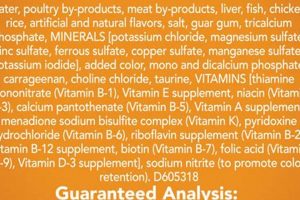
The presence of artificial additives varies depending on the specific product within the “nutri source cat food” line. Consumers should carefully examine the ingredient list on each product label to ascertain whether artificial preservatives, colors, or flavors are included. Some formulations may utilize natural preservatives such as tocopherols (vitamin E).
Question 3: How does “nutri source cat food” address common feline allergies?
“Nutri source cat food” offers limited-ingredient diets formulated to minimize the risk of allergic reactions in sensitive cats. These diets typically feature a single source of animal protein and a limited number of additional ingredients. Hydrolyzed protein diets are also available, where proteins are broken down into smaller peptides to reduce allergenicity. However, a veterinarian should be consulted to diagnose and manage feline allergies effectively.
Question 4: What is the shelf life of “nutri source cat food,” and how should it be stored?
The shelf life of “nutri source cat food” is indicated by the “best by” date printed on the packaging. Proper storage is crucial to maintaining product quality and preventing spoilage. The food should be stored in a cool, dry place, away from direct sunlight and moisture. Once opened, the food should be stored in an airtight container to preserve freshness and prevent contamination.
Question 5: How does “nutri source cat food” ensure quality control throughout the manufacturing process?
“Nutri source cat food” implements quality control measures throughout the manufacturing process, including ingredient sourcing, production, and packaging. These measures involve regular testing for nutrient content, microbial contamination, and other quality parameters. The company also adheres to established manufacturing standards and regulations to ensure product safety and consistency.
Question 6: Where can “nutri source cat food” be purchased, and what is the typical price range?
“Nutri source cat food” is typically available at specialty pet stores, veterinary clinics, and online retailers. The price range varies depending on the specific product, size, and retailer. Consumers should compare prices from different sources to find the best value. Online marketplaces offer a broad spectrum to consider.
This FAQ section provides insights into common concerns, underscoring the need for pet owners to make informed choices based on their cat’s specific requirements and health status. Always consult with a veterinarian before making significant dietary changes.
The subsequent article portion will explore consumer reviews and overall sentiment regarding “nutri source cat food,” providing a comprehensive market overview.
Concluding Remarks on “nutri source cat food”
This exploration has illuminated multiple facets of “nutri source cat food,” ranging from its formulation principles to manufacturing standards and the consideration of life-stage-specific nutritional needs. The analysis has underscored the significance of protein source quality, ingredient digestibility, and nutrient balance in contributing to the overall health and well-being of feline companions. Furthermore, the discussion has addressed prevalent inquiries and offered guidance for navigating dietary choices based on individual feline requirements and sensitivities.
The informed selection of feline sustenance constitutes a critical component of responsible pet ownership. Continued advancements in veterinary nutrition and ongoing dialogue between pet owners and veterinary professionals are essential to optimizing feline health outcomes. It remains incumbent upon manufacturers and consumers alike to prioritize scientific rigor and evidence-based decision-making in the pursuit of optimal feline nutrition. A proactive and informed approach will ensure a higher quality of life for feline companions.
![Easy Homemade Gravy Cat Food Recipe [DIY] | World’s Most Delicious Foods: Must-Try Dishes from Every Country](https://lisasfoods.com/wp-content/uploads/2026/04/th-168-300x200.jpg "Easy Homemade Gravy Cat Food Recipe [DIY] World’s Most Delicious Foods: Must-Try Dishes from Every Country")