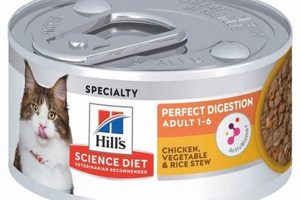
Identifying feline comestibles lacking in nutritional value or containing potentially harmful ingredients is a crucial aspect of responsible pet ownership. Such products may be characterized by excessive filler content, artificial additives, low protein levels, or questionable sourcing of components. These deficiencies can lead to various health issues in cats, ranging from digestive problems and allergic reactions to more serious long-term complications.
Selecting appropriate nourishment for domestic felines directly impacts their overall well-being, contributing to a healthier coat, optimal weight management, and a robust immune system. Historically, pet food regulations were less stringent, leading to a greater prevalence of substandard products. Increased consumer awareness and improved regulatory oversight have driven a gradual shift towards higher quality options, though vigilance remains essential when assessing available products.
This article will delve into the key indicators of subpar feline diets, exploring specific ingredients to avoid, understanding nutritional requirements for cats, and offering guidance on how to make informed choices when selecting prepared meals for feline companions.
Guiding Principles for Avoiding Substandard Feline Diets
The following recommendations address how to identify and avoid prepared meals that may negatively affect feline health. Adherence to these principles can significantly contribute to the overall well-being of domestic felines.
Tip 1: Scrutinize Ingredient Lists. Prioritize products where named animal proteins (e.g., chicken, turkey, salmon) are listed as the primary ingredients. Avoid products with generic terms like “meat by-products” or excessive amounts of plant-based fillers.
Tip 2: Evaluate Protein Content. Cats are obligate carnivores and require high levels of animal-based protein in their diet. Ensure the chosen formula provides adequate protein percentage based on dry matter analysis, typically exceeding 30%.
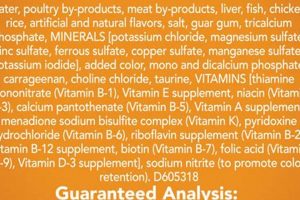
Tip 3: Minimize Artificial Additives. Limit exposure to artificial colors, flavors, and preservatives like BHA, BHT, and ethoxyquin. Opt for products with natural preservatives like tocopherols (Vitamin E) or ascorbic acid (Vitamin C).
Tip 4: Assess Carbohydrate Levels. Cats have limited ability to digest carbohydrates efficiently. Select formulas with minimal grain or vegetable-based fillers such as corn, wheat, or soy. Look for options with lower carbohydrate content.
Tip 5: Consider Taurine Content. Taurine is an essential amino acid for feline health and must be supplemented in prepared diets. Ensure the product contains sufficient taurine levels, typically listed on the guaranteed analysis.
Tip 6: Check for Allergen Information. If a feline companion exhibits signs of allergies (e.g., skin irritation, digestive upset), consider hypoallergenic formulas or conduct an elimination diet to identify potential allergens, such as beef, dairy, or fish.
Tip 7: Research Manufacturing Practices. Investigate the brand’s reputation and manufacturing processes. Look for brands that adhere to strict quality control standards and conduct regular testing for contaminants.
Adopting these guidelines ensures responsible decision-making, minimizing the risk of selecting feline diets with inadequate nutritional profiles or potentially harmful components. Prioritizing high-quality, species-appropriate ingredients promotes optimal feline health and longevity.
The subsequent sections will explore the practical application of these principles through detailed product evaluations and expert recommendations.
1. Inadequate Protein Sources

Inadequate protein sources are a defining characteristic of prepared feline meals considered nutritionally substandard. Cats, as obligate carnivores, possess a physiological requirement for high levels of animal-derived protein. Diets deficient in this macronutrient can lead to a cascade of adverse health effects. The inclusion of plant-based proteins as primary ingredients or the use of low-quality animal protein by-products signals a compromised nutritional profile. For example, a wet cat food relying on corn gluten meal as a primary protein source, rather than named meat proteins like chicken or fish, fails to meet a cat’s essential amino acid requirements. This deficiency can manifest as muscle wasting, weakened immune response, and poor coat quality.
The quality of protein sources is as important as the quantity. Digestibility and bioavailability of amino acids differ significantly between protein sources. Low-quality protein sources, such as rendered animal by-products lacking specified tissues, often contain lower concentrations of essential amino acids and are less efficiently utilized by the feline digestive system. Consequently, even if the overall protein content appears adequate on the product label, the actual nutritional benefit may be significantly diminished. A commercially available wet food product, marketed with a seemingly acceptable protein percentage, but sourced primarily from hydrolyzed feather meal, represents a practical instance of this concern. Such a product might provide a false sense of nutritional adequacy while failing to deliver the essential amino acids necessary for optimal feline health.
In summary, the presence of inadequate protein sources represents a fundamental flaw in feline nutrition. Identifying such deficiencies through careful label scrutiny and understanding the biological needs of obligate carnivores is crucial for responsible pet ownership. The long-term implications of protein deficiency extend beyond superficial symptoms, impacting vital organ function and overall longevity. By prioritizing prepared meals with high-quality, animal-derived protein as the primary ingredient, one can significantly mitigate the risk of nutritional deficiencies and promote the health and well-being of feline companions.
2. Excessive Grain Fillers

Excessive grain fillers represent a significant contributor to the classification of prepared feline diets as nutritionally substandard. As obligate carnivores, cats possess digestive systems optimized for the efficient processing of animal-based proteins and fats, not carbohydrates. The inclusion of substantial quantities of grains, such as corn, wheat, and soy, serves primarily as a cost-reducing measure for manufacturers, offering minimal nutritional benefit to the animal. These fillers dilute the concentration of essential nutrients, potentially leading to deficiencies and adverse health outcomes. For instance, a wet cat food formulation listing corn as the first or second ingredient indicates a high proportion of non-essential carbohydrates relative to protein. This can result in impaired nutrient absorption and digestive distress.
The utilization of excessive grain fillers creates a caloric imbalance, often leading to obesity in domestic felines. Grains provide primarily empty calories with a high glycemic index, contributing to rapid blood sugar spikes and subsequent insulin resistance. Long-term consumption of such diets can elevate the risk of diabetes and related metabolic disorders. Furthermore, some cats exhibit allergies or sensitivities to common grain fillers. This manifests as skin irritation, gastrointestinal upset, or chronic inflammation. A practical example would be a feline companion experiencing persistent vomiting or diarrhea after consuming a wet food primarily composed of wheat gluten and rice. Diagnosing and eliminating such grain-based products often alleviates these symptoms.
In conclusion, the presence of excessive grain fillers serves as a reliable indicator of compromised nutritional quality in prepared feline meals. Recognizing this attribute and prioritizing formulations with limited or absent grain content is crucial for promoting the long-term health and well-being of domestic felines. The reduction of unnecessary carbohydrates not only supports optimal weight management and digestive function but also minimizes the risk of diet-related health complications. Choosing protein-rich, grain-free alternatives aligns with the inherent physiological needs of obligate carnivores and ensures a more complete and balanced dietary profile.
3. Artificial Additives Present
The presence of artificial additives is a key determinant in categorizing wet cat food as being of substandard quality. These additives, including artificial colors, flavors, and preservatives, serve primarily to enhance palatability or extend shelf life, often at the expense of nutritional value and feline health. A direct correlation exists between the proliferation of such additives and a reduced emphasis on the inclusion of high-quality, naturally derived ingredients. For example, a cat food utilizing artificial flavors to mimic meat palatability may contain lower concentrations of actual meat protein, leading to nutritional imbalances. The use of artificial colors, such as Red 40 or Blue 2, provides no nutritional benefit and may trigger allergic reactions in sensitive animals. Thus, their presence is indicative of a formula prioritizing aesthetics over substantive nutritional value.
The practical implications of understanding the role of artificial additives are significant. Pet owners who are knowledgeable about these additives can make informed purchasing decisions, opting for formulations that prioritize natural, whole-food ingredients. This shift toward additive-free or minimally processed options reduces the potential for adverse reactions and supports long-term feline health. Furthermore, awareness of artificial additives encourages manufacturers to reformulate products, responding to consumer demand for healthier and more transparent ingredient lists. The avoidance of artificial preservatives, such as BHA and BHT, is particularly important, as these chemicals have been linked to potential carcinogenic effects and endocrine disruption. Choosing products with natural preservatives, like tocopherols (Vitamin E), offers a safer alternative.
In summary, the inclusion of artificial additives represents a compromise in nutritional quality, often signaling a focus on cost reduction and marketing appeal rather than feline well-being. Recognizing and avoiding these additives is a critical step in selecting appropriate prepared meals for domestic felines. Prioritizing minimally processed options with natural ingredients aligns with the physiological needs of obligate carnivores and promotes optimal health and longevity, addressing a critical facet of the broader theme of responsible pet ownership.
4. Questionable Ingredient Sourcing

The provenance of ingredients within prepared feline diets is a critical factor in determining nutritional quality and safety. Instances of questionable ingredient sourcing frequently correlate with substandard products, posing potential risks to feline health and well-being. Understanding these risks is essential for informed consumer choices.
- Lack of Transparency
The absence of clear information regarding the origin of ingredients is a primary indicator of questionable sourcing. Manufacturers who fail to disclose specific supplier information or processing methods raise concerns about accountability and quality control. For example, vague descriptions such as “poultry meal” without specifying the type of poultry or processing standards hinder the ability to assess potential contamination risks or ethical considerations related to animal welfare. This opacity directly contributes to the classification of such products as nutritionally suspect.
- Use of By-Products and Rendered Materials
The inclusion of unspecified by-products and rendered materials frequently signals questionable sourcing practices. While some by-products may be nutritious, the lack of specific identification allows for the inclusion of low-quality components from unknown sources. Rendered materials, derived from animal waste and often subjected to high-heat processing, may contain contaminants and lack essential nutrients. A “worst wet cat food” product will commonly feature generic by-product descriptions, leaving consumers unaware of the true composition and nutritional value of these components. This lack of specificity allows for cost-cutting measures at the expense of feline health.
- Geographic Origin and Regulatory Standards
The geographic origin of ingredients significantly impacts their potential for contamination or substandard quality. Countries with less stringent regulatory oversight may permit the use of ingredients that are banned or restricted in regions with stricter standards. For example, ingredients sourced from areas with documented histories of melamine contamination or antibiotic overuse pose a direct threat to feline health. Products lacking clear indications of ingredient origin or relying on sources from countries with lax regulations are inherently suspect. The absence of traceability mechanisms exacerbates these concerns, increasing the likelihood of exposure to potentially harmful substances.
- Supplier Audits and Certifications
The absence of documented supplier audits and third-party certifications signifies a lack of commitment to quality control and responsible sourcing practices. Reputable manufacturers routinely audit their suppliers to ensure adherence to safety standards and ethical guidelines. Third-party certifications, such as those from organizations specializing in food safety or animal welfare, provide independent verification of these practices. The absence of such measures raises doubts about the integrity of the supply chain and increases the risk of exposure to substandard or contaminated ingredients. Products lacking these certifications are more likely to fall into the category of “worst wet cat food” due to the elevated risk of compromised ingredient quality.
The factors outlined above directly correlate with the presence of substandard ingredients and pose significant risks to feline health. A lack of transparency, the use of unspecified by-products, reliance on ingredients from regions with lax regulatory standards, and the absence of supplier audits all contribute to the likelihood that a product will be classified as one of the “worst wet cat food” options available. Prioritizing products with transparent sourcing, clearly identified ingredients, and verifiable quality control measures is essential for ensuring the well-being of feline companions.
5. Nutritional Deficiencies Evident

Nutritional deficiencies are a defining characteristic of comestibles designated as the “worst wet cat food.” The inadequate provision of essential nutrients directly undermines feline health, resulting in a spectrum of adverse physiological effects. The absence or insufficient levels of key components, such as taurine, arginine, or specific vitamins, disrupt critical metabolic processes and compromise organ function. For example, a prepared meal lacking in taurine, an amino acid vital for cardiac function and retinal health, can precipitate dilated cardiomyopathy or progressive retinal atrophy in affected felines. These conditions demonstrate the tangible consequences of nutritional inadequacy and underscore the importance of scrutinizing product formulations for the presence of essential nutrients. Deficiencies are not merely theoretical concerns; they manifest as observable health detriments.
The causal link between inadequate dietary composition and feline morbidity is well-established. A wet food formula primarily composed of carbohydrate fillers, for instance, may provide insufficient protein and essential fatty acids, leading to muscle wasting, impaired immune function, and dermatological abnormalities. The presence of such deficiencies transforms a supposedly nutritious offering into a detriment to feline well-being. Practically, the selection of an appropriate wet cat food necessitates a detailed review of the guaranteed analysis and ingredient list to ensure adequate levels of protein, fat, and essential micronutrients. Conversely, the conspicuous absence of these elements strongly suggests a nutritionally deficient product. Regular observation of feline physical condition, including coat quality, muscle mass, and overall vitality, provides an additional layer of assessment for identifying potential dietary shortcomings.
In summary, the manifestation of nutritional deficiencies serves as a definitive marker for products classified among the “worst wet cat food.” Such inadequacies have demonstrable health consequences and emphasize the critical role of informed decision-making in feline nutrition. Prioritizing formulations with complete and balanced nutrient profiles mitigates the risks associated with dietary deficiencies and supports the long-term health and well-being of feline companions. Addressing the challenge of identifying and avoiding deficient products requires both consumer education and stringent regulatory oversight to ensure the availability of safe and nutritionally sound feline diets.
6. Harmful Chemical Preservatives

The inclusion of harmful chemical preservatives is a significant factor contributing to the classification of wet cat food as substandard. These substances, added to extend shelf life and maintain palatability, can pose considerable risks to feline health. Understanding the implications of these preservatives is crucial for informed pet ownership.
- Ethoxyquin and its Potential Toxicity
Ethoxyquin, a synthetic antioxidant, has been used as a preservative in some wet cat food formulations. While it prevents fat rancidity, concerns exist regarding its potential toxicity, including liver damage and immune system suppression. Its presence is often indicative of lower-quality ingredients or inadequate sourcing practices, increasing the likelihood of its inclusion in the “worst wet cat food” options.
- BHA and BHT: Carcinogenic Concerns
Butylated Hydroxyanisole (BHA) and Butylated Hydroxytoluene (BHT) are common preservatives used to prevent oxidation in fats and oils. However, both BHA and BHT are classified as possible human carcinogens by various regulatory bodies. While the concentrations in pet food are generally regulated, long-term exposure can pose a risk to felines, making wet foods containing these preservatives less desirable and contributing to their classification within the category of “worst wet cat food.”
- Propyl Gallate and Potential Allergic Reactions
Propyl gallate, another antioxidant preservative, is often used in conjunction with BHA and BHT. It can trigger allergic reactions in sensitive animals, manifesting as skin irritation, gastrointestinal upset, or behavioral changes. The presence of propyl gallate, particularly in combination with other artificial preservatives, suggests a lower-quality formulation that prioritizes cost-effectiveness over feline well-being, placing it in the range of “worst wet cat food.”
- Alternatives and Natural Preservation Methods
The use of harmful chemical preservatives is not necessary for preserving wet cat food. Natural alternatives, such as tocopherols (Vitamin E) and ascorbic acid (Vitamin C), offer safer preservation methods without the potential health risks associated with synthetic chemicals. Wet cat food formulations utilizing these natural preservatives are generally considered superior, highlighting the avoidable nature of harmful chemical additives and solidifying their association with the “worst wet cat food” options.
The consistent presence of ethoxyquin, BHA, BHT, and propyl gallate in wet cat food formulations serves as a reliable indicator of substandard quality and potential health risks. The availability of safer, natural alternatives underscores the unnecessary exposure to harmful chemicals. Prioritizing formulations with natural preservatives and transparent ingredient lists is critical for ensuring the long-term health and well-being of feline companions and directly addresses the concerns surrounding the “worst wet cat food” offerings available.
7. Low Palatability Scores

Low palatability scores are strongly indicative of formulations classified as the “worst wet cat food.” The inherent relationship stems from the direct impact palatability has on nutrient intake and overall feline health. A prepared meal, irrespective of its purported nutritional profile, offers negligible benefit if the intended consumer refuses to ingest it. The reasons underlying diminished palatability are multifarious, ranging from inferior ingredient quality and undesirable textures to off-putting odors and the presence of unappetizing additives. For instance, a wet food relying heavily on processed by-products may exhibit an unpleasant aroma, deterring consumption even in felines motivated by hunger. Consequently, sustained aversion to the food leads to inadequate caloric and nutrient intake, precipitating weight loss, weakened immunity, and potential behavioral changes. In essence, low palatability transforms a theoretical nutritional resource into a practical liability.
The practical significance of recognizing the connection between low palatability and substandard feline comestibles lies in its direct application to consumer choice. When assessing a given wet food product, evaluating readily observable attributes, such as the presence of high-quality protein sources, absence of artificial additives, and appealing texture, serves as a valuable proxy for predicting palatability. Formulations relying on natural ingredients and presenting a moist, easily digestible consistency are more likely to receive favorable palatability scores, translating into reliable nutrient consumption. Conversely, products characterized by strong, artificial scents, excessive grain content, or a dry, crumbly texture are generally less palatable and should be approached with caution. Observation of feline feeding behaviorincluding willingness to approach the food, initial acceptance, and sustained consumptionprovides an additional, real-time assessment of palatability. The correlation between these observable attributes and palatability underscores the importance of holistic product evaluation.
In summary, low palatability scores are not merely an incidental characteristic but rather a defining feature of what constitutes the “worst wet cat food.” This attribute directly impacts nutrient intake and feline health, transforming a potentially beneficial resource into a practical detriment. Recognizing the connection between ingredient quality, texture, odor, and palatability empowers informed consumer decisions, enabling the selection of prepared meals that are both nutritious and readily accepted by feline companions. Addressing this challenge requires both increased consumer awareness and greater transparency from manufacturers regarding ingredient sourcing and processing methods, ensuring the availability of palatable and nutritionally sound feline diets.
Frequently Asked Questions
The following questions address common concerns and misconceptions related to identifying and avoiding nutritionally inadequate wet cat food. The information presented aims to provide clarity and promote informed decision-making.
Question 1: Is price a reliable indicator of quality in wet cat food?
Price is not always a definitive measure of quality. While more expensive options often utilize higher-quality ingredients, some brands may inflate prices without offering commensurate nutritional benefits. Conversely, some moderately priced brands provide excellent nutritional value. Examining the ingredient list and guaranteed analysis remains the most reliable method for assessing quality, regardless of price point.
Question 2: Are grain-free wet cat foods inherently superior?
The absence of grains does not automatically equate to superior nutritional value. Grain-free formulas may still contain excessive amounts of other carbohydrate fillers, such as potatoes or peas, which offer limited nutritional benefit for obligate carnivores. Evaluate the overall macronutrient profile, ensuring sufficient protein and fat content, rather than solely focusing on the absence of grains.
Question 3: How can the reliability of online reviews for wet cat food be assessed?
Online reviews should be interpreted with caution. Consider the source of the review, looking for verifiable purchasers or independent testing organizations. Be wary of overly positive or negative reviews that lack specific details or appear biased. Cross-reference reviews from multiple sources to gain a more balanced perspective.
Question 4: What is the significance of the “guaranteed analysis” on wet cat food labels?
The guaranteed analysis provides a minimum and maximum percentage of key nutrients, including protein, fat, fiber, and moisture. Use this information to compare different products and ensure they meet the specific nutritional needs of the feline companion. Pay particular attention to the protein content, which should be derived primarily from animal sources.
Question 5: Can homemade wet cat food completely avoid the pitfalls of commercial products?
While homemade diets offer greater control over ingredients, they require meticulous planning and a thorough understanding of feline nutritional requirements. Improperly formulated homemade diets can lead to severe nutritional deficiencies and health problems. Consult with a veterinary nutritionist to develop a balanced and complete homemade recipe.
Question 6: Are “natural” or “organic” labels on wet cat food always trustworthy?
The terms “natural” and “organic” are subject to varying interpretations and regulatory oversight. Review the ingredient list carefully, as these labels do not guarantee the absence of potentially harmful additives or low-quality ingredients. Verify that the product meets established standards for natural or organic certification from reputable organizations.
In summary, informed consumer choices regarding wet cat food require a combination of critical evaluation, reliance on objective data, and consultation with veterinary professionals. Avoid relying solely on marketing claims or anecdotal evidence, prioritizing a comprehensive understanding of feline nutritional needs and product composition.
The subsequent section will provide practical guidance on selecting appropriate wet cat food based on specific feline life stages and health conditions.
Conclusion
This exploration of “worst wet cat food” has highlighted critical factors contributing to its designation. The presence of inadequate protein sources, excessive grain fillers, harmful chemical preservatives, questionable ingredient sourcing, and nutritional deficiencies, coupled with low palatability, coalesce to define a category of prepared meals that directly threaten feline health. Identifying these attributes requires diligent scrutiny of product labels, an understanding of feline nutritional needs, and a commitment to informed consumer choices. Neglecting these precautions exposes feline companions to preventable health risks, ranging from digestive upset to severe organ damage.
The onus rests upon pet owners to prioritize the well-being of their feline companions through meticulous selection of prepared meals. Continued awareness, coupled with stringent regulatory oversight, is essential to mitigating the risks associated with substandard feline nutrition. The long-term health and vitality of domestic felines depend upon a collective commitment to providing safe, nutritious, and palatable diets, thereby minimizing the prevalence and impact of those products accurately classified as the “worst wet cat food” options available.
![Easy Homemade Gravy Cat Food Recipe [DIY] | World’s Most Delicious Foods: Must-Try Dishes from Every Country](https://lisasfoods.com/wp-content/uploads/2026/04/th-168-300x200.jpg "Easy Homemade Gravy Cat Food Recipe [DIY] World’s Most Delicious Foods: Must-Try Dishes from Every Country")