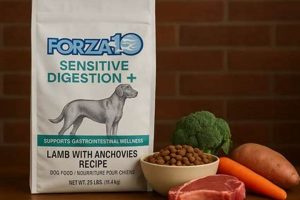
Dietary formulations designed for canines which minimize carbohydrate content exist. These products often substitute grains and starches with higher proportions of animal protein and fats. An example is a canine diet where the primary ingredients are meat-based proteins, supplemented with non-starchy vegetables, in contrast to traditional kibble which relies heavily on corn or wheat.
The reduction of carbohydrates in a dog’s diet can offer several physiological benefits. Historically, such formulations were developed to address specific health concerns, such as managing blood glucose levels in diabetic canines and supporting weight management in overweight or obese animals. The reduced glycemic load may also contribute to improved metabolic health and sustained energy levels.
The subsequent sections will delve into the rationale behind low-carbohydrate canine diets, explore their potential advantages and disadvantages, analyze ingredient considerations, and offer guidance on selecting appropriate options.
Guidance on Low-Carbohydrate Canine Diets
The following recommendations provide practical guidance when considering a diet with reduced carbohydrate content for canines. These points address key aspects of selection, implementation, and monitoring.
Tip 1: Consult a Veterinary Professional: Prior to transitioning a canine to a diet with restricted carbohydrates, consultation with a veterinarian is imperative. A veterinary assessment can determine if such a dietary change is appropriate based on the individual animal’s health status, age, breed, and activity level.
Tip 2: Scrutinize Ingredient Lists: Carefully examine the ingredient list of any product marketed as carbohydrate-restricted. Primary ingredients should consist of animal-based proteins. Grains, corn, wheat, rice, and potatoes should be present in minimal quantities or excluded entirely.
Tip 3: Analyze Guaranteed Analysis: The guaranteed analysis provides essential information regarding the nutritional composition of the diet. Focus on protein and fat percentages, ensuring they align with the canine’s specific needs. The carbohydrate percentage can be estimated by subtracting the percentages of protein, fat, moisture, ash, and fiber from 100.
Tip 4: Monitor Stool Quality and Digestive Health: Following the dietary transition, consistently monitor the canine’s stool quality and overall digestive health. Changes in stool consistency, frequency, or the presence of digestive upset warrant immediate veterinary attention.
Tip 5: Adjust Portion Sizes as Needed: Caloric density may vary between carbohydrate-restricted diets and traditional diets. Careful attention should be paid to portion sizes to maintain a healthy weight and prevent overfeeding or underfeeding. Regular weight monitoring is recommended.
Tip 6: Consider Life Stage and Activity Level: The nutritional needs of canines vary depending on their life stage (puppy, adult, senior) and activity level. Carbohydrate-restricted diets should be selected and adjusted accordingly, ensuring they meet the specific requirements of the individual animal.
Tip 7: Introduce the Diet Gradually: A sudden change in diet can lead to digestive upset. Implement a gradual transition over a period of several days to allow the canine’s digestive system to adapt to the new food.
Following these guidelines can contribute to the successful implementation of a diet with restricted carbohydrates, potentially leading to improved health outcomes for the canine. However, it is essential to emphasize the importance of individualized veterinary guidance.
The next section provides a summary of critical factors and resources for further understanding of dietary considerations for canines.
1. Weight Management

Maintaining a healthy weight in canines is crucial for overall well-being and longevity. Dietary strategies employing reduced carbohydrate formulations are frequently implemented to facilitate weight loss or prevent weight gain in susceptible individuals. These approaches leverage the physiological impact of macronutrient manipulation to influence energy balance.
- Reduced Caloric Density
Diets with lower carbohydrate content often exhibit reduced caloric density compared to traditional formulations. This is due to the displacement of carbohydrates, which provide fewer calories per gram than fat. Lower caloric density enables the consumption of a larger volume of food while maintaining a caloric deficit, potentially promoting satiety and adherence to a weight loss regimen.
- Enhanced Satiety
The increased protein and fat content often found in reduced carbohydrate canine diets can contribute to enhanced satiety. Protein, in particular, has been demonstrated to have a greater satiating effect than carbohydrates. This effect can lead to decreased food intake throughout the day, supporting weight management efforts. Furthermore, fat slows gastric emptying, contributing to prolonged feelings of fullness.
- Improved Metabolic Profile
Excessive carbohydrate intake can contribute to insulin resistance and metabolic dysfunction in some canines. Reducing carbohydrate intake may improve insulin sensitivity and promote a more favorable metabolic profile. This can be particularly beneficial for overweight or obese animals predisposed to metabolic disorders.
- Lean Muscle Mass Preservation
Weight loss strategies focusing solely on calorie restriction can lead to the loss of lean muscle mass. Reduced carbohydrate diets, when formulated with adequate protein levels, can help preserve lean muscle mass during weight loss. Maintenance of muscle mass is important for maintaining metabolic rate and overall physical function.
The facets discussed highlight the potential benefits of incorporating low-carbohydrate strategies into canine weight management plans. However, it is critical to emphasize the importance of individualized assessment and veterinary guidance to ensure the suitability and safety of such dietary interventions. Adjustments to protein and fat levels, alongside considerations for specific health conditions, are vital components of effective weight management.
2. Blood Sugar Control

The manipulation of dietary carbohydrate intake directly influences blood glucose regulation in canines. Diets characterized by a low carbohydrate content exert a stabilizing effect on postprandial blood glucose levels due to the reduced supply of readily digestible sugars. This effect is particularly relevant for canines diagnosed with diabetes mellitus, a condition marked by impaired insulin production or responsiveness. The glycemic index and glycemic load of a food influence the magnitude and duration of postprandial glucose excursions; therefore, limiting high-glycemic ingredients promotes improved glycemic control. In practical terms, a diabetic dog consuming a carbohydrate-rich kibble might experience pronounced spikes in blood glucose after meals, requiring higher insulin dosages. Conversely, the same dog consuming a low-carbohydrate diet may exhibit more stable blood glucose levels, potentially requiring lower insulin dosages and reducing the risk of hypoglycemic episodes.
Beyond diabetes management, the principles of glycemic control extend to other canine health considerations. For instance, some veterinary practitioners advocate for reduced carbohydrate intake in canines prone to certain types of seizures, hypothesizing that stable blood glucose levels may help mitigate seizure frequency. Similarly, canines with metabolic syndrome or insulin resistance may benefit from diets that minimize carbohydrate contribution, thereby reducing the demand on pancreatic insulin secretion. Furthermore, the sustained energy release associated with lower carbohydrate diets may contribute to improved physical performance in active working dogs compared to diets based on quickly metabolized carbohydrates.
In summary, the connection between dietary carbohydrate content and blood sugar control represents a critical element in canine health management. Low-carbohydrate diets can be a valuable tool in stabilizing blood glucose, particularly in diabetic canines, and potentially offering benefits for other conditions related to metabolic dysregulation. However, it is crucial to emphasize that any dietary modification intended to influence blood sugar levels should be implemented under the guidance of a veterinarian, with ongoing monitoring to assess efficacy and adjust treatment protocols as needed.
3. Ingredient Quality

Ingredient quality is a foundational aspect of any canine diet, and it assumes particular significance in low-carbohydrate formulations. The restricted carbohydrate content necessitates a reliance on alternative macronutrient sources primarily protein and fat to meet the dog’s nutritional requirements. Consequently, the quality and source of these substitute ingredients exert a profound influence on the diet’s overall nutritional value and its impact on canine health.
- Protein Source Bioavailability
The biological value and digestibility of protein sources vary substantially. High-quality protein sources, such as muscle meat, organ meat, and eggs, provide a complete amino acid profile and are readily digestible, ensuring efficient utilization by the canine’s body. Conversely, lower-quality protein sources, such as plant-based proteins or rendered animal by-products, may lack essential amino acids or exhibit reduced digestibility, potentially compromising protein synthesis and overall health. In carbohydrate-restricted diets, where protein constitutes a larger proportion of the nutrient intake, the choice of protein source is paramount to ensure adequate amino acid provision.
- Fat Source Composition
Fat sources contribute significantly to the energy density and palatability of low-carbohydrate canine diets. However, the type of fat included is critical. Omega-3 and omega-6 fatty acids are essential for various physiological functions, including skin and coat health, immune system modulation, and cognitive function. Fats derived from fish oil, flaxseed, and sunflower oil are rich in these essential fatty acids. Conversely, excessive amounts of saturated fats or trans fats, often found in rendered animal fats, can contribute to inflammation and cardiovascular issues. Therefore, selecting fat sources with a favorable fatty acid profile is crucial for promoting optimal health outcomes.
- Absence of Fillers and Artificial Additives
High-quality, low-carbohydrate canine diets minimize or exclude fillers and artificial additives. Fillers, such as corn gluten meal or soy hulls, provide minimal nutritional value and can contribute to digestive upset or allergic reactions in sensitive individuals. Artificial colors, flavors, and preservatives may also trigger adverse reactions. The emphasis on whole, unprocessed ingredients, such as meat, vegetables, and fruits, promotes improved digestibility and nutrient absorption, while reducing the risk of adverse reactions.
- Sourcing and Processing Standards
The origin and processing methods employed for ingredients significantly impact their quality and safety. Ingredients sourced from reputable suppliers adhering to stringent quality control measures are less likely to contain contaminants or be subjected to adulteration. Gentle processing methods, such as cold-pressing or freeze-drying, help preserve the nutritional integrity of ingredients, minimizing the degradation of vitamins, enzymes, and antioxidants. Transparency regarding ingredient sourcing and processing standards is indicative of a commitment to quality and consumer safety.
In conclusion, the quality of ingredients used in “dog food low carb” is not merely an ancillary consideration but a central determinant of its nutritional adequacy and health implications. The selection of bioavailable protein sources, beneficial fat compositions, the exclusion of fillers and additives, and adherence to stringent sourcing and processing standards are all critical factors that collectively contribute to the value of a low-carbohydrate diet for canines. A discerning approach to ingredient evaluation is essential for ensuring that such diets fulfill their intended purpose of promoting optimal health and well-being.
4. Protein Sources

The selection and quality of protein sources are of paramount importance in low-carbohydrate canine diets. Given the reduced contribution of carbohydrates as an energy source, protein assumes a more prominent role in meeting the animal’s metabolic and physiological needs. The following points outline key considerations regarding protein sources in such dietary formulations.
- Amino Acid Profile Completeness
Complete proteins contain all essential amino acids in sufficient quantities to meet the canine’s requirements. Animal-derived protein sources, such as muscle meat, organ meat, and eggs, generally provide a complete amino acid profile. Plant-based protein sources may be incomplete, lacking one or more essential amino acids. When formulating low-carbohydrate diets, it is crucial to ensure that the protein source or combination of sources provides a complete and balanced amino acid profile to support optimal protein synthesis and overall health. For example, a diet relying solely on pea protein may require supplementation with specific amino acids to compensate for deficiencies.
- Digestibility and Bioavailability
The digestibility and bioavailability of protein sources influence the efficiency with which the canine can utilize the ingested protein. Highly digestible protein sources are readily broken down into amino acids, which are then absorbed into the bloodstream and available for protein synthesis. Factors such as the source of the protein, processing methods, and the presence of anti-nutritional factors can affect digestibility. Low-carbohydrate diets should prioritize highly digestible protein sources to minimize digestive burden and maximize nutrient absorption. An example is hydrolyzed protein, which is pre-digested, facilitating absorption in canines with compromised digestive function.
- Inclusion Rates and Protein Content
The protein content of the diet, expressed as a percentage of dry matter, must be adequate to meet the canine’s needs based on its life stage, activity level, and health status. Low-carbohydrate diets often require higher protein inclusion rates compared to traditional diets to compensate for the reduced energy contribution from carbohydrates. Furthermore, the source of the protein influences the overall protein content required. For instance, a diet based on highly digestible muscle meat may require a lower inclusion rate than a diet incorporating less digestible plant-based proteins to achieve the same level of utilizable protein. Puppies and highly active dogs generally require higher protein intakes than adult dogs with moderate activity levels.
- Potential Allergenicity
Certain protein sources are more likely to elicit allergic reactions in sensitive canines. Common allergenic protein sources include beef, chicken, dairy products, and soy. Low-carbohydrate diets intended for canines with suspected food sensitivities should utilize novel protein sources that the animal has not previously been exposed to, such as venison, duck, or fish. Alternatively, hydrolyzed protein sources can be used to reduce the allergenicity of common protein sources. The identification and avoidance of allergenic protein sources are essential for managing food allergies and intolerances in canines.
The preceding points illustrate the importance of carefully considering protein sources when formulating or selecting low-carbohydrate diets for canines. Factors such as amino acid profile, digestibility, inclusion rates, and potential allergenicity must be evaluated to ensure that the diet provides adequate protein to support the animal’s health and well-being. Veterinary consultation is recommended to determine the optimal protein source and content for individual canines.
5. Veterinary Guidance

Veterinary guidance is indispensable when considering a dietary regimen with reduced carbohydrates for canines. The physiological impact of altering macronutrient ratios necessitates professional oversight to ensure appropriateness and safety. Pre-existing health conditions, such as diabetes mellitus, renal disease, or pancreatitis, can be significantly influenced by dietary modifications. A veterinarian can assess the canine’s individual health status, identify potential risks or contraindications, and tailor dietary recommendations accordingly. For instance, a canine with chronic kidney disease may require specific protein restrictions, even within a low-carbohydrate framework, to minimize renal workload and manage azotemia. Without veterinary assessment, inappropriate dietary choices can exacerbate underlying health problems, leading to adverse outcomes. Veterinarians also provide education regarding appropriate transition strategies, portion control, and monitoring parameters, empowering owners to implement dietary changes safely and effectively.
The selection of an appropriate commercial or homemade low-carbohydrate diet further benefits from veterinary expertise. The market offers a diverse range of products, varying in ingredient quality, macronutrient composition, and digestibility. A veterinarian can assist in evaluating these options, considering factors such as protein source, fat profile, and the presence of potential allergens or irritants. Real-world examples illustrate the practical significance of this guidance. A canine exhibiting chronic gastrointestinal distress might require a hydrolyzed protein source within a low-carbohydrate diet to minimize antigenic stimulation and improve digestive tolerance. Similarly, a canine with a history of calcium oxalate urolithiasis may necessitate careful monitoring of urine pH and mineral content in the diet, a task best managed with veterinary supervision. Additionally, veterinarians can interpret product labels, ensuring that the guaranteed analysis aligns with the canine’s specific nutritional requirements and that the ingredient list reflects high-quality, bioavailable nutrients.
In summary, veterinary guidance serves as a cornerstone for the safe and effective implementation of “dog food low carb.” The complex interplay between diet and canine health necessitates professional assessment, tailored recommendations, and ongoing monitoring. Challenges associated with dietary management, such as palatability issues or the development of new health concerns, are best addressed through collaborative communication between the owner and the veterinarian. By integrating veterinary expertise into the decision-making process, owners can optimize the potential benefits of reduced-carbohydrate diets while mitigating risks and promoting long-term canine health and well-being. The value of personalized veterinary care cannot be overstated in the context of dietary management.
6. Digestive Health

Digestive health is a critical determinant of overall well-being in canines, and its relationship with “dog food low carb” is multifaceted. The composition of the canine diet directly influences the gut microbiome, intestinal motility, and nutrient absorption. Therefore, modifications in dietary carbohydrate content necessitate careful consideration of their potential effects on digestive function.
- Fiber Content and Stool Quality
The fiber content of a low-carbohydrate diet can significantly impact stool quality. While these diets inherently restrict carbohydrate sources such as grains, which often contribute substantial fiber, the inclusion of non-starch polysaccharides from vegetables or alternative fiber sources (e.g., beet pulp, psyllium husk) becomes crucial. Adequate fiber promotes normal fecal consistency, facilitates efficient waste elimination, and supports the growth of beneficial gut bacteria. Insufficient fiber can lead to constipation, whereas excessive fiber may result in loose stools. For example, a diet relying heavily on animal protein without supplemental fiber could cause constipation, requiring the addition of a fiber supplement.
- Macronutrient Digestibility and Nutrient Absorption
The digestibility of macronutrients, particularly protein and fat, is paramount in low-carbohydrate formulations. These diets often rely on higher protein and fat levels to compensate for the reduced carbohydrate contribution. Therefore, ingredients must be highly digestible to ensure efficient nutrient absorption and minimize the risk of digestive upset. Poorly digestible protein or fat sources can lead to increased fecal output, gas production, and nutrient malabsorption. Diets containing rendered animal by-products or low-quality fat sources may exhibit reduced digestibility compared to those based on high-quality muscle meat and refined oils.
- Gut Microbiome Modulation
Dietary composition profoundly influences the composition and function of the gut microbiome, the complex community of microorganisms residing in the canine’s digestive tract. Low-carbohydrate diets can alter the balance of bacterial populations, potentially favoring certain species over others. The impact on the microbiome depends on the specific ingredients used and the individual animal’s pre-existing microbial profile. Certain types of fiber, such as prebiotics, can selectively promote the growth of beneficial bacteria, while high protein levels may favor proteolytic bacteria. Dysbiosis, an imbalance in the gut microbiome, can contribute to digestive disorders, such as inflammatory bowel disease. For instance, rapid transition to a diet high in animal protein and low in fiber can disrupt the microbial balance, leading to diarrhea.
- Pancreatic Enzyme Activity
The pancreas plays a crucial role in digestive enzyme production, secreting enzymes necessary for the breakdown of proteins, fats, and carbohydrates. While low-carbohydrate diets reduce the demand for amylase, the enzyme responsible for carbohydrate digestion, they increase the demand for lipase and protease, which digest fats and proteins, respectively. Insufficient pancreatic enzyme activity can result in maldigestion and nutrient malabsorption. Canines with exocrine pancreatic insufficiency (EPI) require supplemental enzymes to compensate for the deficiency. The fat content of low-carbohydrate diets should be carefully managed in canines with EPI to prevent steatorrhea (fatty stools).
In conclusion, the connection between “dog food low carb” and canine digestive health is intricate and necessitates a comprehensive understanding of the interplay between diet, gut microbiome, and digestive physiology. Careful consideration of fiber content, macronutrient digestibility, microbiome modulation, and pancreatic enzyme activity is essential for formulating or selecting low-carbohydrate diets that promote optimal digestive function. Veterinary consultation is recommended to assess individual needs and monitor digestive health parameters, particularly during dietary transitions.
Frequently Asked Questions Regarding “Dog Food Low Carb”
The following questions and answers address common inquiries and concerns surrounding canine diets with restricted carbohydrate content. The information provided is intended to offer clarity and promote informed decision-making.
Question 1: Are low-carbohydrate diets inherently superior for all canines?
No, the suitability of a low-carbohydrate diet depends on the individual canine’s health status, age, activity level, and breed predispositions. Diets with reduced carbohydrate content may offer benefits for specific conditions, such as diabetes mellitus or obesity, but they are not universally advantageous. Veterinary consultation is essential to determine the appropriateness of such diets for each canine.
Question 2: What constitutes a “low” carbohydrate level in canine food?
There is no universally defined threshold for “low carbohydrate” in canine diets. However, generally, formulations containing less than 20% carbohydrate on a dry matter basis are considered low carbohydrate. The carbohydrate content can be estimated by subtracting the percentages of protein, fat, moisture, ash, and fiber from 100 on the guaranteed analysis.
Question 3: Can a homemade low-carbohydrate diet be formulated safely?
Yes, a homemade low-carbohydrate diet can be formulated safely, but it requires careful planning and meticulous attention to nutritional balance. Consultation with a veterinary nutritionist is essential to ensure that the diet meets all of the canine’s nutritional requirements, including essential amino acids, fatty acids, vitamins, and minerals. Improperly formulated homemade diets can lead to severe nutritional deficiencies and health problems.
Question 4: What are the potential risks associated with low-carbohydrate diets?
Potential risks include constipation due to insufficient fiber intake, nutritional imbalances if the diet is not properly formulated, and potential metabolic changes. It is crucial to monitor the canine’s stool quality, body weight, and overall health closely. Veterinary supervision is necessary to identify and address any adverse effects.
Question 5: Are grain-free diets necessarily low in carbohydrates?
No, grain-free diets are not necessarily low in carbohydrates. While they exclude grains such as corn, wheat, and rice, they may contain other carbohydrate sources, such as potatoes, peas, or tapioca. The carbohydrate content should be assessed based on the guaranteed analysis, not solely on the absence of grains.
Question 6: How does cost compare between low-carbohydrate and traditional diets?
Low-carbohydrate diets are frequently more expensive than traditional canine diets. The higher cost is often attributable to the use of premium protein sources and the exclusion of inexpensive carbohydrate fillers. The long-term health benefits of a high-quality diet may offset the increased initial cost, but individual financial circumstances should be considered.
In summary, understanding the nuances of low-carbohydrate diets is crucial for responsible pet ownership. Veterinary guidance is paramount in determining suitability and minimizing potential risks. Furthermore, a meticulous approach to diet selection and monitoring is essential for ensuring optimal canine health.
The subsequent section provides a concise summary of the key considerations surrounding “dog food low carb,” reinforcing the significance of informed decision-making.
Dog Food Low Carb
This exploration has elucidated the multifaceted aspects of canine dietary formulations characterized by reduced carbohydrate content. Key points emphasized include the importance of veterinary consultation, the need for careful ingredient selection with attention to protein quality and fiber content, the potential benefits for specific health conditions such as diabetes and obesity, and the necessity for ongoing monitoring of digestive health and overall well-being.
Ultimately, the responsible selection and implementation of dietary strategies involving “dog food low carb” demand diligent research, informed decision-making, and a commitment to prioritizing the individual canine’s specific needs. Continual advancement in veterinary nutritional science promises further refinement in understanding the long-term implications of such dietary approaches, necessitating a proactive engagement with evolving knowledge and best practices.
![Nutro: Best Small Breed Dog Food [Expert Tips] | World’s Most Delicious Foods: Must-Try Dishes from Every Country](https://lisasfoods.com/wp-content/uploads/2026/05/th-346-300x200.jpg "Nutro: Best Small Breed Dog Food [Expert Tips] World’s Most Delicious Foods: Must-Try Dishes from Every Country")