Severums are omnivorous cichlids, meaning their diet should consist of both plant and animal matter to ensure optimal health and vibrant coloration. A balanced feeding regimen is crucial. Examples include high-quality cichlid pellets or flakes supplemented with live, frozen, or freeze-dried foods.
A varied diet provides the necessary nutrients for growth, immune system strength, and reproductive success. Lack of dietary diversity can lead to health problems, stunted growth, and faded coloration. The availability of appropriate food sources is a key factor in maintaining a healthy and thriving aquarium environment for these fish.
This article will delve into the specific food categories suitable for severums, offering guidance on optimal feeding practices and addressing common dietary concerns.
Feeding Severums
Optimizing the health and well-being of Severum fish relies heavily on providing a balanced and appropriate diet. The following tips offer practical guidance on ensuring adequate nutrition for these omnivorous cichlids.
Tip 1: Offer a high-quality cichlid pellet or flake food as the dietary base. These commercially prepared foods are formulated to provide essential vitamins and minerals.
Tip 2: Supplement the base diet with live or frozen foods. Bloodworms, brine shrimp, and daphnia offer a valuable source of protein and stimulate natural feeding behaviors.
Tip 3: Incorporate vegetable matter into the diet regularly. Blanched spinach, romaine lettuce, or algae wafers provide necessary fiber and prevent digestive issues.
Tip 4: Avoid overfeeding. Severums should be fed small amounts twice daily, ensuring all food is consumed within a few minutes. Overfeeding can lead to water quality issues and obesity.
Tip 5: Quarantine live food before introducing it to the aquarium. This practice helps prevent the introduction of parasites and diseases to the tank.
Tip 6: Monitor the fish’s appearance and behavior for signs of dietary deficiencies. Changes in coloration, activity level, or fin condition may indicate an imbalance in the diet.
Tip 7: Adjust the diet according to the Severum’s age and size. Young fish require more protein for growth, while older fish may benefit from a higher proportion of vegetable matter.
A consistent and varied feeding regimen, combined with careful observation, is vital for maintaining the health and longevity of Severum fish. By following these tips, aquarists can ensure that their Severums receive the nutrition they need to thrive.
The subsequent sections of this article will address common feeding challenges and explore advanced dietary strategies for maximizing the vitality of Severums.
1. Omnivorous Diet

The omnivorous nature of Heros severus (Severum) is fundamental to understanding its dietary requirements. This dietary flexibility necessitates a variety of food sources to ensure optimal health and well-being.
- Plant Matter Incorporation
A significant aspect of the omnivorous diet involves the consumption of plant-based foods. Blanched vegetables, algae wafers, and certain aquatic plants contribute essential vitamins, minerals, and fiber. A lack of plant matter can lead to digestive issues and nutrient deficiencies. This reflects directly on what type of food severum fish like in nature.
- Protein Source Diversity
Protein intake for Severums should originate from varied sources, including insects, crustaceans, and smaller fish in their natural habitat. In captivity, this can be replicated through live, frozen, or freeze-dried foods such as bloodworms, brine shrimp, and daphnia. This ensures a complete amino acid profile, vital for growth and tissue repair, reflecting preferences regarding what type of food do severum fish like.
- Commercial Food Formulations
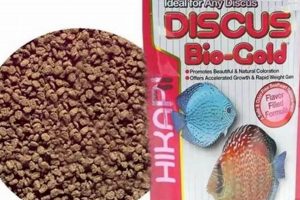
High-quality commercial cichlid pellets or flakes are often designed to cater to the omnivorous needs of Severums. These formulations typically include a balance of plant and animal-based ingredients, supplemented with vitamins and minerals. While convenient, they should not be the sole source of nutrition to adequately fulfill what type of food do severum fish like needs.
- Adaptive Feeding Behavior
Severums exhibit adaptive feeding behaviors, readily consuming a wide range of food items presented to them. This adaptability, however, does not negate the importance of providing a nutritionally balanced diet. Over-reliance on a single food type, even if accepted, can lead to health problems associated with inadequate nutrition, deviating from what type of food do severum fish like in their natural environment.
The interplay between plant and animal-based food sources is critical for maintaining the health and vitality of Severums. Replicating this dietary diversity in captivity is essential for mirroring the natural feeding behaviors and nutritional intake that defines what type of food do severum fish like and thrive on.
2. Cichlid Pellets

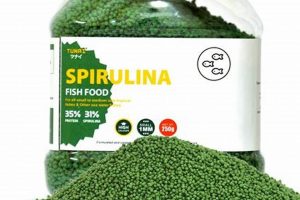
Cichlid pellets serve as a foundational dietary element for Severums, directly impacting their health and well-being. These commercially produced feeds are formulated to offer a balanced mix of proteins, carbohydrates, fats, vitamins, and minerals, aligning with the omnivorous dietary requirements of the species. The composition of high-quality cichlid pellets addresses the need for varied nutrient sources, contributing significantly to what type of food do severum fish like constitutes. For instance, a pellet formulation including spirulina provides plant-based nutrients, while fish meal ensures adequate protein intake. Improper pellet selection, lacking this nutritional balance, can lead to deficiencies and compromised health.
The size and sinking rate of cichlid pellets are also relevant. Severums, being mid- to bottom-dwelling fish, benefit from slow-sinking pellets that allow them ample opportunity to feed without excessive competition from surface feeders. Furthermore, the pellet size should be appropriate for the fish’s mouth to prevent feeding difficulties. Real-world examples show that Severums fed appropriately sized, nutritionally complete cichlid pellets exhibit improved growth rates, enhanced coloration, and increased disease resistance compared to those fed solely flake food or inadequate pellet formulations. Practical application involves carefully reviewing the ingredient list and nutritional analysis of different cichlid pellet brands to make informed choices.
In summary, cichlid pellets are a crucial component of a Severum’s diet, providing a convenient and concentrated source of essential nutrients. However, they should not constitute the entire diet. Supplementation with live, frozen, or fresh foods is necessary to fully satisfy the omnivorous nature and ensure optimal health. Challenges remain in selecting the most appropriate pellet formulation for individual fish, as nutritional needs can vary with age, size, and reproductive status. Understanding the link between cichlid pellets and what type of food do severum fish like is critical for responsible Severum care.
3. Frozen Foods

Frozen foods represent a vital component of a Severum’s diet, offering a balance between convenience and nutritional value. Addressing the question of what type of food do severum fish like necessitates acknowledging the role of frozen options such as bloodworms, brine shrimp, and mysis shrimp. These choices closely mimic the natural invertebrate prey consumed in the wild, providing essential proteins and fats crucial for growth, coloration, and overall health. A direct consequence of incorporating frozen foods is an enhanced feeding response and improved digestive health compared to relying solely on processed dry foods. Practical application demonstrates that consistent feeding with appropriately sized frozen portions contributes to vibrant coloration and active behavior in Severums.
Further analysis reveals that the quality and preparation of frozen foods are critical. Selecting reputable brands that prioritize rapid freezing and minimize thaw-refreeze cycles ensures the preservation of nutrients and reduces the risk of bacterial contamination. Prior to feeding, proper thawing and rinsing are essential to remove excess phosphates and prevent water quality issues in the aquarium. Real-world examples illustrate that improper handling of frozen foods can lead to digestive upsets and even parasitic infestations in Severums. The practical significance lies in understanding that while frozen foods are beneficial, their safe and responsible usage is paramount. The availability of frozen foods has drastically improved captive diets, providing a wide range of invertebrate options.
In conclusion, frozen foods are an indispensable element of a well-rounded Severum diet, contributing essential nutrients and mimicking natural feeding patterns. Addressing the question of what type of food do severum fish like inherently includes recognizing the value of high-quality, properly handled frozen options. Challenges remain in educating aquarists on the importance of sourcing and preparing these foods correctly. Understanding this connection and prioritizing responsible feeding practices is key to maintaining the health and well-being of Severum fish in captivity.
4. Live Foods
Live foods represent a crucial element in replicating the natural diet of Severum fish, directly influencing their health, behavior, and overall well-being. Understanding the connection between live food offerings and what type of food do severum fish like is essential for responsible and effective fish keeping.
- Stimulation of Natural Hunting Behaviors
Live foods, such as small insects, worms, and crustaceans, trigger the innate hunting instincts of Severums. This stimulation provides enrichment and promotes activity, contributing to a more natural and fulfilling existence in captivity. An example is the introduction of blackworms, which elicit a strong foraging response, encouraging exploration and exercise. The expression of these natural behaviors directly reflects what type of food do severum fish like and seek in their native environment.
- Enhanced Nutritional Value
Many live foods possess superior nutritional profiles compared to processed alternatives. They often contain higher levels of essential fatty acids, vitamins, and minerals, contributing to improved growth rates, vibrant coloration, and enhanced immune function. For instance, live daphnia are rich in nutrients and fiber, promoting healthy digestion and overall vitality. Providing these nutrient-rich live options aligns with what type of food do severum fish like for optimal health.
- Improved Palatability and Acceptance
Severums typically exhibit a stronger preference for live foods compared to dried or frozen alternatives. The movement and freshness of live prey stimulate their appetite and encourage consumption, particularly in individuals that may be finicky eaters. The introduction of live brine shrimp, for example, often entices even reluctant Severums to feed readily. This preference underscores what type of food do severum fish like on a behavioral level.
- Potential Risks and Mitigation Strategies
The use of live foods carries potential risks, including the introduction of parasites or diseases into the aquarium. Proper quarantine and disinfection procedures are essential to mitigate these risks. A practical example involves quarantining live blackworms in a shallow container with clean water for several days before feeding them to Severums, allowing for the observation and removal of any unhealthy individuals. Minimizing these risks ensures that providing live food remains beneficial in the context of what type of food do severum fish like, without compromising their health.
The facets discussed underscore the importance of live foods in enriching the diet of Severums, aligning with their natural feeding habits and nutritional needs. By carefully selecting and preparing live food offerings, aquarists can provide a more stimulating and nutritionally complete diet that caters to what type of food do severum fish like for optimal health and well-being. The proper handling and introduction of live food types ensures the diet promotes health and avoids risks.
5. Vegetable Matter
The inclusion of vegetable matter in the diet of Heros severus is not merely supplemental but an integral component mirroring their natural feeding ecology. Wild Severums consume algae, decaying plant material, and incidental vegetation found within their habitat. The provision of vegetable matter, therefore, directly addresses the fundamental question of “what type of food do severum fish like.” A diet lacking in such elements can lead to digestive irregularities, vitamin deficiencies, and a compromised immune response. Specifically, fiber derived from plant sources aids in proper gut motility and prevents constipation, a common ailment in captive specimens. A practical example is the offering of blanched spinach or zucchini; the consumption of these items provides necessary vitamins and minerals often lacking in solely protein-based diets.
Further analysis reveals that the type and preparation of vegetable matter are significant. While some aquarists offer raw vegetables, blanching or lightly steaming them softens the plant tissue, making it more digestible for the fish. Overfeeding vegetable matter, however, can lead to water quality issues due to the rapid decomposition of uneaten portions. Real-world examples demonstrate that Severums displaying symptoms such as lethargy, fin rot, or poor coloration often improve significantly when vegetable matter is introduced or increased in their diet. This underscores the practical significance of understanding and addressing this specific dietary need.
In summary, vegetable matter is an essential component in replicating the natural diet of Severums and answering the question of “what type of food do severum fish like.” While high-quality cichlid pellets and protein sources are crucial, neglecting vegetable matter can result in significant health problems. The key lies in understanding the specific nutritional needs of Severums and providing a balanced, varied diet that incorporates appropriate types and quantities of plant-based foods. Challenges remain in educating aquarists on the importance of this often-overlooked aspect of Severum care, but the benefits of a plant-inclusive diet are undeniable for the long-term health and well-being of these fish.
6. Feeding Frequency

The frequency with which Severum fish are fed is intrinsically linked to what type of food do severum fish like, directly impacting their digestive health, nutrient absorption, and overall well-being. A feeding regimen that neglects this connection can lead to various health issues, regardless of the food’s inherent quality. Severums, being omnivores, require a balanced intake of both plant and animal matter; however, the timing and quantity of these feedings significantly influence their ability to process and utilize these nutrients effectively. For instance, a single large feeding per day may overwhelm their digestive system, leading to incomplete digestion and potential bloating. Conversely, multiple small feedings throughout the day more closely mimic their natural feeding patterns and promote efficient nutrient assimilation.
Further consideration reveals that the optimal feeding frequency depends on several factors, including the age, size, and activity level of the fish. Young, growing Severums require more frequent feedings to support their rapid development, typically two to three times per day. Adult Severums, with slower metabolic rates, generally thrive on one to two feedings per day. The type of food also plays a role; highly digestible foods, such as live or frozen invertebrates, can be offered more frequently than less digestible plant-based foods. Practical application involves observing the fish’s behavior after feeding; if uneaten food accumulates at the bottom of the tank, the feeding frequency or quantity should be reduced. Furthermore, the implementation of a consistent feeding schedule helps regulate their digestive processes and reduces stress.
In summary, the relationship between feeding frequency and what type of food do severum fish like is paramount for maintaining the health and vitality of these fish. While providing high-quality, varied food sources is essential, neglecting the frequency and timing of feedings can negate these benefits. Challenges remain in determining the precise optimal feeding frequency for individual fish, as metabolic needs vary. However, a careful assessment of the fish’s age, size, activity level, and the type of food offered, coupled with diligent observation, is crucial for establishing a feeding regimen that promotes optimal digestive health and overall well-being. Consistent feeding patterns ensure Severums benefit fully from the nutrients they consume, supporting long-term health and vibrant coloration.
Frequently Asked Questions About Severum Diet
This section addresses common inquiries regarding the nutritional needs of Severum fish ( Heros severus), offering clarity on optimal dietary practices.
Question 1: What constitutes a balanced diet for Severum fish?
A balanced diet for Severums comprises a combination of high-quality cichlid pellets or flakes, supplemented with frozen or live foods, and vegetable matter. This ensures a comprehensive intake of proteins, carbohydrates, fats, vitamins, and minerals necessary for optimal health and growth.
Question 2: How frequently should Severums be fed?
Severums generally thrive with two small feedings per day, rather than one large feeding. This frequency mimics their natural feeding patterns and promotes efficient digestion. Uneaten food should be removed promptly to maintain water quality.
Question 3: Is it necessary to include live food in a Severum’s diet?
While not strictly necessary, live food offers significant benefits by stimulating natural hunting behaviors and providing essential nutrients. However, live food should be sourced from reputable suppliers and quarantined to minimize the risk of introducing parasites or diseases.
Question 4: What types of vegetables are suitable for Severums?
Suitable vegetables include blanched spinach, zucchini, romaine lettuce, and peas. These provide essential fiber and vitamins. Vegetables should be thoroughly cleaned and prepared to ensure digestibility and minimize the risk of contamination.
Question 5: Can overfeeding Severums lead to health problems?
Yes, overfeeding can lead to obesity, digestive issues, and poor water quality. It is crucial to provide only the amount of food that the fish can consume within a few minutes and to adjust the feeding quantity based on their activity level and body condition.
Question 6: Are there any foods that should be avoided when feeding Severums?
Avoid feeding Severums foods high in fat or carbohydrates, as well as those containing artificial colors or preservatives. Processed human foods are generally unsuitable and should be avoided. Always prioritize high-quality, species-appropriate food sources.
In summary, a varied and balanced diet, coupled with appropriate feeding practices, is essential for maintaining the health and longevity of Severum fish. Careful observation of their feeding behavior and body condition is crucial for adjusting the diet as needed.
The subsequent section will explore potential health issues related to improper diet in Severums and strategies for addressing them.
Conclusion
The preceding exploration has underscored the critical importance of understanding “what type of food do severum fish like.” A multifaceted dietary approach, encompassing high-quality commercial preparations, supplemental live or frozen options, and consistent provision of vegetable matter, is paramount. Neglecting any of these elements can result in compromised health, stunted growth, or diminished coloration. Adherence to appropriate feeding frequencies and portion sizes further contributes to the well-being of these fish.
Prioritizing a comprehensive understanding of nutritional requirements is essential for responsible Severum care. Continued research and diligent observation of individual fish will refine dietary practices, ensuring the long-term health and vitality of these captivating cichlids. The commitment to informed and conscientious feeding practices safeguards their welfare and contributes to a thriving aquarium environment.