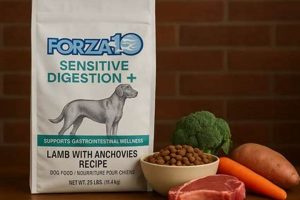
A specific ingredient commonly found in canine diets, it is a concentrated protein source derived from lamb. The production process involves rendering lamb tissues, which may include skeletal muscle and other clean animal parts, under high heat and pressure. This process reduces moisture content and separates fat, resulting in a dry, protein-rich substance. This ingredient then serves as a base for formulating complete and balanced pet food products.
The inclusion of processed lamb in pet food formulations serves as a viable alternative protein source for dogs, particularly those with sensitivities to more common proteins such as chicken or beef. It can offer essential amino acids necessary for muscle development, immune function, and overall health. Historically, its use allowed for the efficient utilization of animal by-products, contributing to a more sustainable approach to pet food manufacturing while providing nutritional value.
Understanding the composition and nutritional profile of this ingredient is crucial for informed pet food selection. The subsequent sections will delve into the benefits, potential drawbacks, and considerations for choosing diets that incorporate this ingredient, providing a thorough assessment for discerning pet owners.
Guidance on Selecting Lamb Meal Based Dog Food
The following recommendations offer valuable insights for individuals considering diets incorporating processed lamb.
Tip 1: Evaluate Ingredient Sourcing: Prioritize formulations that explicitly state the origin of the lamb used in the rendering process. Transparency regarding sourcing indicates a commitment to quality control and traceability.
Tip 2: Assess Protein Percentage: Verify that the total protein percentage aligns with the dog’s life stage, activity level, and specific dietary needs. Higher protein levels may be beneficial for active dogs, while senior dogs may require reduced protein intake.
Tip 3: Analyze Amino Acid Profile: Review the guaranteed analysis to ensure the presence of essential amino acids, such as lysine and methionine, which are critical for muscle maintenance and overall health. A complete amino acid profile supports optimal physiological function.
Tip 4: Check for Additional Ingredients: Examine the ingredient list for potential fillers or additives. Opt for formulations that utilize whole grains, vegetables, and fruits as sources of carbohydrates and fiber, minimizing the presence of artificial colors, flavors, and preservatives.
Tip 5: Consider Manufacturing Practices: Research the manufacturer’s quality control procedures and safety protocols. Brands with certifications from recognized organizations demonstrate adherence to established standards for pet food production.
Tip 6: Monitor Stool Quality and Digestion: After introducing a new diet, closely observe the dog’s stool consistency and digestive health. Consistent, well-formed stools indicate proper digestion and nutrient absorption.
Tip 7: Consult with a Veterinarian: Before making significant dietary changes, seek professional guidance from a veterinarian. A veterinarian can assess the dog’s individual needs and recommend a suitable formula.
By considering these factors, pet owners can make informed decisions when selecting dog food that contains processed lamb, optimizing the dog’s health and well-being.
The subsequent discussion will address common misconceptions and controversies surrounding the use of this ingredient in canine nutrition.
1. Protein Concentration
The defining characteristic of lamb by-product meal in canine nutrition is its high protein concentration. The rendering process, which involves cooking lamb tissues at high temperatures and pressure, effectively removes water and fat. This concentration of remaining solids results in a significantly higher protein percentage compared to whole lamb meat. This elevated protein level directly impacts the nutritional value of the dog food, contributing to muscle development, tissue repair, and overall physiological function.
For example, a typical bag of dry dog food containing this ingredient may list a protein content ranging from 25% to 35% on a dry matter basis. This high protein level is primarily attributed to the concentrated protein provided by this ingredient. Without the inclusion of such concentrated sources, achieving the necessary protein levels for optimal canine health would necessitate a significantly larger volume of other ingredients, potentially impacting digestibility and nutrient balance. The practical significance lies in the ability to provide dogs with a diet that efficiently delivers essential amino acids in a palatable and digestible form.
In summary, the elevated protein concentration is a direct consequence of the rendering process and represents a crucial element of the ingredient’s nutritional profile. This characteristic allows for the creation of protein-rich diets essential for canine health, particularly for active dogs or those requiring specific dietary formulations. Understanding this relationship is paramount for pet owners seeking to provide their dogs with optimal nutrition through carefully selected dog food options. Challenges associated with protein sources are related to allergies as well as digestive issues, but knowing how concentration works is a first step to understanding how the ingredient will affect a specific dog.
2. Rendering Process

The rendering process is integral to understanding the nature of processed lamb used in canine diets. This process transforms raw lamb tissues into a concentrated protein source, fundamentally shaping its nutritional profile and suitability for inclusion in dog food formulations.
- Heat Application
The application of high heat is a cornerstone of the rendering process. This heat serves multiple purposes, including the elimination of harmful pathogens and the breakdown of complex proteins into more digestible components. For example, temperatures typically exceed 250 degrees Fahrenheit during rendering. The heat also denatures proteins, which can affect their allergenic potential, though not always eliminating it entirely. This step is crucial for safety and digestibility, yet it also necessitates careful monitoring to preserve amino acid integrity.
- Moisture Reduction
Rendering significantly reduces the moisture content of the raw materials. This is achieved through evaporation during the heating process. By removing moisture, the remaining solids become a highly concentrated source of nutrients, particularly protein. For instance, raw lamb may contain 70% moisture, while rendered lamb by-product meal contains less than 10%. This reduction in moisture not only concentrates nutrients but also extends the shelf life of the ingredient, making it a more practical component for commercial dog food production.
- Fat Separation
The rendering process facilitates the separation of fat from the solid protein fraction. This is often accomplished through centrifugal force or pressing. The separated fat can be used in other applications, while the remaining solids form the basis of the meal. For example, the rendered fat might be used as an energy source in other pet food formulations or in industrial applications. The removal of excess fat ensures a consistent protein content and minimizes the risk of rancidity, contributing to the overall quality and stability of the finished product.
- Grinding and Milling
After the primary rendering steps, the resulting solids are typically ground or milled into a fine powder. This process enhances the ingredient’s homogeneity and facilitates its incorporation into dry dog food formulations. For example, the finely ground meal can be easily blended with other ingredients such as carbohydrates, vitamins, and minerals to create a complete and balanced diet. The grinding process also increases the surface area of the ingredient, potentially improving its digestibility and nutrient absorption.
In conclusion, the rendering process is a complex series of steps designed to transform raw lamb tissues into a stable, concentrated protein source suitable for use in dog food. Each step, from heat application to grinding, plays a critical role in shaping the final product’s nutritional profile, safety, and digestibility. Understanding these processes is essential for assessing the quality and suitability of processed lamb as a component of canine diets. This level of understanding is also useful for comparing processed lamb with other ingredients.
3. Alternative Protein
The concept of alternative protein sources is intrinsically linked to the utilization of processed lamb in canine diets. As a protein source, it serves as a substitute for more common ingredients like chicken or beef, addressing specific dietary needs and sensitivities.
- Allergen Management
Processed lamb is often selected as a primary protein when managing canine allergies or food sensitivities. Dogs may develop adverse reactions to commonly used proteins, leading to gastrointestinal upset or dermatological issues. In such cases, a diet formulated with processed lamb, which the dog has not previously been exposed to, can provide a novel protein source that minimizes the risk of triggering an allergic response. Its use requires careful monitoring for any signs of intolerance, confirming its suitability as a true alternative.
- Digestibility Considerations
The digestibility of protein is crucial for nutrient absorption and overall canine health. Processed lamb, when properly rendered and processed, can offer a highly digestible protein source. The rendering process breaks down complex protein structures, making them more accessible for enzymatic digestion in the dog’s gastrointestinal tract. Diets containing processed lamb can be particularly beneficial for dogs with sensitive stomachs or those prone to digestive issues. However, individual tolerances vary, and careful observation is necessary.
- Nutritional Completeness
While serving as an alternative protein source, formulations containing processed lamb must still provide a complete and balanced nutritional profile. This necessitates the inclusion of other essential nutrients, such as carbohydrates, fats, vitamins, and minerals, to meet the dog’s dietary requirements. The mere presence of an alternative protein does not guarantee a nutritionally adequate diet; careful evaluation of the ingredient list and guaranteed analysis is essential. Reputable manufacturers ensure their formulas meet established standards for canine nutrition, regardless of the protein source.
- Dietary Rotation
Some pet owners and veterinarians advocate for dietary rotation, which involves periodically changing the protein source in a dog’s diet. Processed lamb can play a role in dietary rotation, providing a different amino acid profile and potentially reducing the risk of developing sensitivities to a single protein source. However, dietary rotation should be implemented judiciously and under veterinary guidance, as frequent or abrupt changes can disrupt the dog’s digestive system. Strategic incorporation of processed lamb into a rotation plan requires careful planning and monitoring.
In conclusion, processed lamb offers a valuable alternative protein option for canine diets, particularly in the context of allergen management, digestibility considerations, and dietary rotation strategies. However, its use necessitates careful consideration of nutritional completeness and individual canine needs. Pet owners should consult with a veterinarian to determine the suitability of processed lamb as a component of their dog’s diet, ensuring optimal health and well-being.
4. Amino acid source
The nutritional value of canine diets hinges significantly on their amino acid content. As a component of such diets, processed lamb contributes a profile of amino acids essential for various physiological functions. Understanding the quality and quantity of these amino acids is critical to evaluating the worth of this ingredient in pet food.
- Essential Amino Acid Provision
Processed lamb provides all ten essential amino acids that dogs cannot synthesize themselves and must obtain from their diet. These amino acids, including lysine, methionine, and tryptophan, play vital roles in protein synthesis, tissue repair, and enzyme production. For instance, lysine is critical for bone growth, while methionine supports immune function. Diets lacking sufficient quantities of these essential amino acids can lead to impaired growth, weakened immunity, and other health problems. Therefore, the presence and bioavailability of these amino acids in processed lamb are paramount.
- Digestibility and Bioavailability
The amino acid content is only valuable if those nutrients can be extracted and used by the body. While processed lamb inherently contains these crucial nutrients, the method in which they’re provided matters too. The digestibility and bioavailability of amino acids from processed lamb are influenced by the rendering process and the overall composition of the dog food. Overheating during rendering can damage amino acids, reducing their bioavailability. Similarly, the presence of certain antinutritional factors in other ingredients can interfere with amino acid absorption. Evaluating the manufacturing processes and the complete ingredient list is, therefore, essential to assessing the true value of processed lamb as an amino acid source.
- Comparison to Other Protein Sources
The amino acid profile of processed lamb can be compared to that of other common protein sources used in dog food, such as chicken, beef, or fish. While all these sources provide essential amino acids, their relative proportions may differ. For example, lamb may have a higher concentration of certain amino acids, such as leucine, compared to chicken. These differences can be relevant for dogs with specific dietary needs or sensitivities. A diverse protein source, as well as processed lamb, can have certain benefits.
- Impact of Processing Methods
The specific processing methods used to create the processed lamb significantly impact the integrity and availability of its amino acids. High-temperature rendering, while necessary for pathogen elimination and moisture reduction, can also degrade certain amino acids, particularly lysine. Manufacturers must carefully control rendering parameters to minimize amino acid damage while ensuring product safety. Alternative processing techniques, such as enzymatic hydrolysis, may be employed to improve amino acid bioavailability, but these methods can also increase production costs.
In summary, the value of processed lamb as an amino acid source hinges on the quantity, digestibility, and bioavailability of its essential amino acids. Factors such as rendering methods, ingredient interactions, and comparison to other protein sources all play a role in determining its overall nutritional contribution. Careful evaluation of these factors is essential for pet owners seeking to provide their dogs with optimal nutrition and health.
5. Digestibility
Digestibility represents a critical factor in evaluating the nutritional efficacy of any canine diet, and its relationship to processed lamb formulations warrants careful consideration. The extent to which a dog can break down and absorb nutrients from this ingredient directly impacts its overall health and well-being.
- Rendering Process Impact
The rendering process used to produce processed lamb directly influences its digestibility. Excessive heat can denature proteins, rendering them less susceptible to enzymatic breakdown in the dog’s digestive tract. Conversely, under-processing may leave proteins in a complex state, also hindering digestibility. Optimizing rendering parameters is therefore crucial for maximizing nutrient availability.
- Ingredient Interactions
The digestibility of processed lamb is not solely determined by its own properties but also by its interactions with other ingredients in the dog food formula. High fiber content, for example, can affect the rate of gastric emptying and intestinal transit, potentially influencing nutrient absorption. Similarly, the presence of certain antinutritional factors in plant-based ingredients can interfere with protein digestion. Careful formulation is essential to mitigate these effects.
- Individual Canine Factors
Individual canine characteristics, such as age, breed, and health status, significantly impact the digestibility of processed lamb. Senior dogs, for example, may have reduced digestive enzyme production, potentially requiring diets with highly digestible protein sources. Dogs with gastrointestinal disorders may also benefit from easily digestible formulations. A one-size-fits-all approach to diet formulation is, therefore, inappropriate.
- Assessment Methods
Digestibility can be assessed through various methods, including in vitro and in vivo studies. In vitro methods simulate the digestive process in a laboratory setting, providing a preliminary estimate of digestibility. In vivo studies, which involve feeding trials with dogs, offer a more accurate assessment of nutrient absorption. Fecal scoring is a practical indicator of digestibility for pet owners, with well-formed stools generally indicating efficient nutrient utilization.
In conclusion, the digestibility of processed lamb is a multifaceted issue influenced by processing techniques, ingredient interactions, individual canine factors, and assessment methodologies. A comprehensive understanding of these factors is essential for pet food manufacturers and owners alike to ensure optimal nutrient utilization and canine health. Selecting diets with highly digestible ingredients, appropriate for an individual animal, can maximize the value of the food.
6. Potential allergens

The potential allergenicity associated with canine diets containing processed lamb requires careful consideration. While often touted as a hypoallergenic alternative to more common protein sources, it is not inherently non-allergenic. Sensitization to dietary proteins is an individual phenomenon, and processed lamb, like any protein source, can trigger adverse immune responses in susceptible dogs.
- Individual Sensitivity
The likelihood of developing an allergy to processed lamb depends largely on the individual dog’s immune system and prior exposure to the protein. Dogs previously fed diets containing lamb products are more likely to develop a sensitivity compared to those with no prior exposure. Furthermore, genetic predispositions and underlying health conditions can increase the risk of developing food allergies. Therefore, it is crucial to monitor for signs of adverse reactions, even when introducing a novel protein source.
- Cross-Reactivity
Cross-reactivity, where the immune system reacts to proteins similar to those it is already sensitized to, can complicate the management of food allergies. While less common, cross-reactivity between lamb and other ruminant proteins (e.g., beef) is possible. This means that a dog allergic to beef might also react to processed lamb, even if it has never consumed lamb before. Understanding the potential for cross-reactivity is vital when selecting alternative protein sources for allergy management.
- Processing Effects
The rendering process used to produce processed lamb can influence its allergenicity. High heat and pressure may denature proteins, potentially reducing their allergenic potential. However, these processes do not eliminate all allergenic epitopes, and some dogs may still react to the processed protein. The extent to which processing alters allergenicity varies depending on the specific methods used and the individual dog’s sensitivity.
- Contamination Risks
The risk of contamination during the manufacturing process represents another factor to consider. Cross-contamination with other protein sources, such as chicken or beef, can occur in processing facilities, even with strict quality control measures. This is especially problematic for dogs with severe allergies, where even trace amounts of the offending protein can trigger a reaction. Selecting brands with transparent sourcing and manufacturing practices can help minimize this risk.
Therefore, while processed lamb may serve as a valuable alternative protein source for some dogs with food sensitivities, it is not a guaranteed solution. Careful monitoring, awareness of cross-reactivity potential, consideration of processing effects, and attention to contamination risks are essential for effectively managing potential allergies associated with diets containing processed lamb. Consultation with a veterinarian is recommended to determine the most appropriate dietary strategy for individual canine patients.
Frequently Asked Questions
The following section addresses common inquiries regarding the use of processed lamb in commercial dog food formulations.
Question 1: Is lamb meal a suitable protein source for all dogs?
Suitability varies depending on individual factors. While processed lamb can serve as a valuable alternative protein, some dogs may exhibit sensitivities. Consultation with a veterinarian is advised to determine appropriateness.
Question 2: Does the rendering process diminish the nutritional value of lamb meal?
The rendering process, while essential for safety and concentration, can impact certain nutrients. Careful monitoring of processing parameters is crucial to minimize nutrient loss and preserve amino acid integrity.
Question 3: Is lamb meal inherently hypoallergenic?
Processed lamb is not inherently hypoallergenic. It may serve as a novel protein for some dogs with sensitivities, but allergies can develop to any protein source. Monitoring for adverse reactions is essential.
Question 4: What are the advantages of lamb meal compared to fresh lamb?
This ingredient offers a concentrated protein source, facilitating formulation of diets with specific protein levels. Its extended shelf life enhances practicality in commercial dog food production.
Question 5: How can pet owners assess the quality of lamb meal in dog food?
Assessment involves scrutinizing ingredient sourcing, protein percentage, amino acid profile, and manufacturing practices. Certifications from recognized organizations indicate adherence to established standards.
Question 6: Can lamb meal be part of a balanced and complete canine diet?
This ingredient can indeed be integrated into a complete and balanced canine diet. However, appropriate formulations and the inclusion of other essential nutrients are crucial to ensure nutritional adequacy.
In summary, understanding the characteristics of processed lamb is essential for informed dietary decisions. Veterinary guidance should inform decisions surrounding its incorporation into a dog’s diet.
The subsequent section will address the regulatory oversight governing the production and use of this ingredient in pet food.
Conclusion
This exploration has delineated “what is lamb meal dog food”, underscoring its derivation from rendered lamb tissues, the consequential concentration of protein, and its potential as an alternative protein source for canines. The assessment encompassed considerations regarding digestibility, allergenicity, and the importance of amino acid profiles, emphasizing the complexity inherent in evaluating its suitability for individual animals.
Ultimately, informed decision-making regarding “what is lamb meal dog food” requires careful consideration of individual canine needs, ingredient sourcing transparency, and adherence to established manufacturing standards. Continued research and vigilance remain essential to optimizing canine nutrition and ensuring responsible pet food formulation.
![Nutro: Best Small Breed Dog Food [Expert Tips] | World’s Most Delicious Foods: Must-Try Dishes from Every Country](https://lisasfoods.com/wp-content/uploads/2026/05/th-346-300x200.jpg "Nutro: Best Small Breed Dog Food [Expert Tips] World’s Most Delicious Foods: Must-Try Dishes from Every Country")