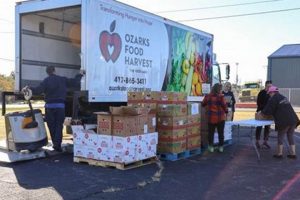
Food pantries function as community-based organizations that provide food assistance to individuals and families experiencing food insecurity. These operations acquire food through various channels, including donations from individuals, businesses, food drives, and partnerships with food banks and government programs. This collected food is then distributed directly to those in need, often at no cost.
The availability of this service is critical for mitigating hunger and promoting community well-being. They play a vital role in supplementing the nutritional needs of vulnerable populations, such as low-income families, seniors, and individuals with disabilities. Historically, these entities have evolved to address fluctuations in economic stability and provide a safety net during times of crisis or hardship. Their efforts alleviate immediate food shortages and contribute to long-term food security strategies.
Understanding the operational aspects, eligibility requirements, and impact on food insecurity within communities is essential for comprehending the full scope of these organizations. Therefore, the following sections will examine the logistical processes, the demographic reach, and the broader societal implications involved in the functioning of these essential community resources.
Optimizing Food Pantry Operations
The following tips are designed to enhance the efficiency and effectiveness of resource allocation within food pantries, ultimately improving services for individuals facing food insecurity.
Tip 1: Implement Inventory Management Systems: Track food supplies meticulously using digital or manual systems. This reduces waste from spoilage and ensures resources are available when needed. A robust inventory system enables informed purchasing decisions and efficient distribution.
Tip 2: Prioritize Nutritional Value: Focus on acquiring and distributing foods with high nutritional content. Encourage donations of fresh produce, lean proteins, and whole grains. Educate recipients about healthy eating habits and meal preparation techniques.
Tip 3: Establish Efficient Distribution Methods: Streamline the process of food distribution to minimize wait times and maintain dignity. Consider appointment-based systems or drive-through options to enhance accessibility and convenience.
Tip 4: Foster Community Partnerships: Collaborate with local businesses, schools, and community organizations to expand resource acquisition and outreach efforts. Partnerships can lead to increased volunteer participation and broader awareness of pantry services.
Tip 5: Ensure Data Security and Privacy: Protect the personal information of recipients by implementing secure data storage and management practices. Adhere to all applicable privacy regulations and maintain confidentiality.
Tip 6: Promote Awareness and Accessibility: Actively communicate the pantry’s services to the target community through various channels, including social media, local media outlets, and community bulletin boards. Ensure the pantry location is accessible by public transportation and compliant with accessibility standards.
Effective implementation of these strategies contributes to a more sustainable and impactful food assistance program, bolstering the capacity of food pantries to address food insecurity within their communities.
The next section will explore challenges and innovations that are currently shaping the future of food pantry operations.
1. Alleviate Hunger

The central mission of food pantries is to alleviate hunger within their communities. This fundamental purpose drives all operational aspects and strategic decisions made by these organizations, directly influencing the well-being of individuals and families facing food insecurity.
- Direct Food Provision
Food pantries directly provide food to individuals and families who lack sufficient resources to purchase it themselves. This may include distributing pre-packaged food boxes, offering a choice of available items, or providing hot meals. This direct provision aims to meet immediate nutritional needs and prevent the negative health consequences associated with hunger.
- Supplemental Support
Often, food pantries serve as a supplemental resource for households experiencing temporary financial strain. By providing food assistance, they free up limited funds for other essential expenses such as rent, utilities, or medical care. This supplemental support helps prevent individuals from falling further into poverty and stabilizes their overall economic situation.
- Targeted Programs for Vulnerable Populations
Many food pantries implement targeted programs to address the specific needs of vulnerable populations, such as seniors, children, and individuals with disabilities. These programs may include home delivery services for seniors, backpack programs providing weekend meals for children, or specialized food items to meet the dietary needs of individuals with health conditions. This tailored approach ensures that assistance reaches those who need it most effectively.
- Advocacy and Awareness
Beyond direct food provision, some food pantries engage in advocacy efforts to raise awareness about the root causes of hunger and promote policies that address food insecurity at a systemic level. This may involve educating the public about the challenges faced by food-insecure individuals, advocating for increased government funding for food assistance programs, or partnering with other organizations to address issues such as poverty and unemployment. This advocacy component recognizes that alleviating hunger requires not only immediate relief but also long-term solutions.
These interconnected facets of alleviating hunger underscore the critical role food pantries play in supporting their communities. By providing direct assistance, supplemental support, targeted programs, and advocacy efforts, they are essential to mitigating the impact of food insecurity and promoting the well-being of vulnerable populations.
2. Distribute food
The distribution of food is a core operational function that directly defines “what do food pantries do.” It is the tangible manifestation of their mission to alleviate hunger and food insecurity within their communities. The efficacy and reach of this distribution process significantly impact the accessibility of nutritional resources for vulnerable populations.
- Inventory Management and Logistics
Effective food distribution necessitates robust inventory management. Pantries must track donations, organize storage, and manage expiration dates to minimize waste and ensure food safety. Logistical considerations, such as transportation and facility layout, play a pivotal role in optimizing the flow of food from acquisition to distribution. This aspect is crucial in determining the efficiency and volume of food distributed.
- Client Intake and Eligibility Verification
Before receiving food, clients typically undergo an intake process to assess their needs and verify eligibility based on established criteria, such as income level and residency. This process aims to ensure that resources are allocated fairly and that assistance reaches those who genuinely require it. The sensitivity and efficiency of this process directly impact the accessibility and user-friendliness of the pantry’s services.
- Distribution Models and Methods
Food pantries employ various distribution models to meet the diverse needs of their clientele. These may include pre-packaged food boxes, client-choice pantries allowing individuals to select items, mobile pantries reaching underserved areas, and meal programs providing hot meals. The choice of distribution model significantly impacts accessibility, client dignity, and the ability to cater to specific dietary requirements.
- Addressing Dietary Needs and Preferences
An effective food distribution system considers the dietary needs and cultural preferences of the community it serves. This involves providing a variety of food options, including culturally appropriate items, and accommodating dietary restrictions such as allergies or medical conditions. Attention to these factors enhances the nutritional value and acceptability of the food provided, contributing to improved health outcomes for recipients.
These multifaceted aspects of food distribution underscore its central importance to the role food pantries play. By managing inventory efficiently, verifying eligibility fairly, utilizing diverse distribution models, and addressing dietary needs, pantries maximize their impact in combating food insecurity and promoting community well-being. The effectiveness of these practices collectively determines the degree to which food pantries fulfill their fundamental objective.
3. Secure donations

The ability to secure donations is fundamentally intertwined with what food pantries do. Without a consistent influx of resources, these organizations cannot effectively fulfill their core mission of providing food assistance to those in need. Donations, encompassing food items, financial contributions, and volunteer time, serve as the lifeblood sustaining their operations. A direct cause-and-effect relationship exists: diminished donations lead to reduced inventory and, consequently, a decreased capacity to serve the food-insecure population. For instance, a local business donating surplus produce directly impacts the pantry’s ability to offer fresh, nutritious options, demonstrating the practical and immediate effects of secured donations.
Successful donation acquisition often involves strategic outreach and community engagement. Food pantries actively cultivate relationships with local businesses, grocery stores, farms, and individuals to establish reliable donation streams. Organizing food drives, promoting online fundraising campaigns, and highlighting the impact of donations through storytelling are common strategies. The efficiency of these efforts directly affects the diversity and volume of food available to clients. One example is a community-wide food drive that annually stocks the pantry’s shelves, allowing it to serve a greater number of individuals during peak demand seasons, such as holidays or economic downturns.
In conclusion, the act of securing donations is not merely a supplementary activity but an integral component of what food pantries do. The challenges associated with consistent fundraising and food procurement necessitate proactive strategies and strong community partnerships. Understanding this connection is crucial for stakeholders, policymakers, and the public alike, as it underscores the need for ongoing support to ensure the sustainability and effectiveness of food pantries in combating food insecurity.
4. Support communities

Supporting communities is an intrinsic element of the functions of food pantries, extending beyond the mere provision of food to encompass a broader network of assistance and social cohesion. This support manifests in multiple ways, strengthening local resilience and fostering a sense of collective responsibility for addressing food insecurity.
- Addressing Root Causes of Food Insecurity
Food pantries frequently engage in activities that address the underlying causes of food insecurity, such as poverty, unemployment, and lack of access to resources. They may partner with other organizations to offer job training, financial literacy workshops, or assistance with accessing government benefits. This holistic approach aims to empower individuals to overcome barriers to food security, fostering long-term self-sufficiency and community stability.
- Providing a Safety Net During Crises
Food pantries act as a critical safety net during times of crisis, such as natural disasters, economic downturns, or personal emergencies. They provide immediate food assistance to individuals and families who have been displaced or experienced a sudden loss of income. This responsive support mitigates the impact of these crises, preventing widespread hunger and ensuring that vulnerable populations have access to essential resources during challenging times. For example, during a hurricane, a food pantry might distribute emergency food boxes and water to affected residents, offering a lifeline to those in need.
- Fostering Community Collaboration
Food pantries often serve as hubs for community collaboration, bringing together diverse stakeholders to address food insecurity collectively. They may partner with local businesses, schools, faith-based organizations, and government agencies to leverage resources, expand outreach efforts, and implement innovative solutions. This collaborative approach fosters a sense of shared responsibility and strengthens community bonds, creating a more resilient and supportive environment for all residents.
- Promoting Social Inclusion and Reducing Stigma
Food pantries strive to create a welcoming and inclusive environment for all individuals seeking assistance. By treating clients with dignity and respect, they help to reduce the stigma associated with food insecurity and encourage those in need to access available resources. Additionally, some pantries offer opportunities for clients to volunteer or participate in community events, fostering a sense of belonging and empowering them to contribute to the well-being of their communities.
In essence, the community support provided by food pantries extends far beyond the provision of meals. These organizations serve as vital anchors within their communities, providing a combination of immediate relief, long-term support, and collaborative opportunities. These actions, taken together, solidify the critical role that food pantries play in fostering social cohesion and resilience.
5. Reduce waste

Minimizing food waste is intrinsically linked to the operational effectiveness of food pantries. The practice of waste reduction directly amplifies the reach and impact of these organizations by maximizing the utility of available resources. Food pantries acquire food through donations, purchases, and partnerships. Inefficient inventory management or improper storage can result in spoilage, diminishing the quantity of food available for distribution to food-insecure individuals. A food pantry implementing a ‘first-in, first-out’ system ensures older items are distributed before newer ones, directly reducing potential waste.
The implications of failing to reduce waste are multifaceted. Beyond the obvious reduction in distributable food, waste contributes to increased operational costs through disposal fees and lost labor hours. Furthermore, the moral imperative of stewarding donated resources responsibly necessitates a commitment to waste reduction strategies. Some food pantries partner with local farms to glean leftover crops post-harvest, transforming potential agricultural waste into valuable nourishment. Others collaborate with restaurants to collect surplus prepared meals, further diverting food from landfills and directing it to those in need.
Ultimately, a commitment to waste reduction strengthens the integrity and sustainability of food pantry operations. It ensures that resources are used efficiently, maximizes the impact on hunger relief efforts, and reinforces the organization’s role as a responsible steward of community support. The effectiveness of waste reduction strategies directly contributes to the overall capacity of food pantries to fulfill their mission and positively impact the lives of food-insecure individuals.
6. Promote nutrition

The promotion of nutrition constitutes a critical element of the multifaceted role of food pantries. Beyond simply alleviating hunger, these organizations increasingly recognize the importance of providing access to nutrient-rich foods that support the long-term health and well-being of their clients. A direct correlation exists between the nutritional quality of food distributed and the health outcomes of individuals facing food insecurity. Food pantries, therefore, actively seek to procure and distribute foods that contribute to a balanced diet, mitigating the risks associated with nutrient deficiencies and diet-related diseases. For instance, a food pantry prioritizing the acquisition of fresh produce, lean proteins, and whole grains demonstrates a commitment to promoting nutrition, thereby influencing the health of those it serves.
Practical applications of this commitment include educational initiatives, strategic partnerships, and targeted food procurement practices. Food pantries may offer nutrition education workshops to inform clients about healthy eating habits, meal planning, and food preparation techniques. Collaborations with registered dietitians or nutritionists enhance the credibility and effectiveness of these educational programs. Moreover, partnerships with local farms and grocery stores can facilitate access to fresh, locally sourced produce, supplementing the nutritional offerings of the pantry. These efforts align the practical functions of food pantries with broader public health goals, addressing the complex interplay between food access, nutrition, and health outcomes.
In conclusion, the promotion of nutrition represents a vital and evolving dimension of what food pantries do. It shifts the focus from mere hunger relief to a more holistic approach that recognizes the crucial link between food, health, and well-being. Challenges remain in ensuring consistent access to nutritious foods and overcoming barriers to healthy eating among food-insecure populations. However, by integrating nutrition into their core mission, food pantries can significantly contribute to improving the health and quality of life of the communities they serve.
Frequently Asked Questions
The following questions address common inquiries regarding the operations, eligibility, and impact of food pantries. These answers aim to provide clarity and understanding of these essential community resources.
Question 1: What are the primary eligibility requirements for receiving assistance from a food pantry?
Eligibility requirements vary depending on the specific food pantry and its funding sources. However, common criteria include residency within a designated service area, demonstration of financial need (often based on income thresholds), and, in some cases, documentation of household size. Some pantries may also require identification or proof of address.
Question 2: How do food pantries acquire their food supplies?
Food pantries obtain food through a combination of sources, including donations from individuals, businesses, and community organizations. They also partner with food banks, which serve as central distribution hubs for larger quantities of donated and purchased food. Additionally, some food pantries receive government-funded commodities through programs like The Emergency Food Assistance Program (TEFAP).
Question 3: Is there a limit to how often an individual or family can utilize a food pantry?
The frequency with which individuals can access a food pantry’s services varies. Some pantries impose restrictions on the number of visits allowed per month or year to ensure equitable distribution of resources. Other pantries may offer more flexible access, particularly during times of crisis or hardship. It is advisable to inquire about specific limitations at the chosen food pantry.
Question 4: What types of food are typically available at a food pantry?
Food pantries generally offer a variety of non-perishable items, such as canned goods, pasta, rice, cereal, and beans. Some pantries also provide perishable items like fresh produce, dairy products, and meat, depending on availability and storage capacity. The selection varies based on donations and sourcing agreements.
Question 5: How can one contribute to the efforts of a food pantry?
Individuals can support food pantries through various means, including donating non-perishable food items, making financial contributions, volunteering time, and organizing food drives. Contacting the local food pantry to inquire about specific needs and volunteer opportunities is recommended.
Question 6: What measures do food pantries take to ensure the safety and quality of the food they distribute?
Food pantries adhere to strict food safety guidelines to prevent contamination and ensure the quality of the food they distribute. This includes proper storage practices, regular inspection of food items for spoilage, and adherence to expiration dates. Many food pantries also require volunteers to undergo training on food safety procedures.
In summary, food pantries are essential community resources that combat food insecurity by providing food assistance, adhering to eligibility requirements, and maintaining food safety standards. Understanding their operations is vital for both those seeking assistance and those wishing to support their efforts.
The next section will delve into innovations and future trends in food pantry operations.
Conclusion
This article has explored the multifaceted actions undertaken by food pantries to address food insecurity. It has detailed how they acquire and distribute food, secure donations, support communities, reduce waste, and promote nutrition. The fundamental role of food pantries extends beyond mere hunger relief, encompassing a comprehensive approach to community well-being. Their operational effectiveness is contingent upon strategic partnerships, efficient resource management, and a commitment to addressing the root causes of food insecurity.
The ongoing need for such organizations underscores persistent challenges in achieving widespread food security. Continued support, innovation, and collaborative efforts are essential to ensuring that food pantries can effectively meet the needs of vulnerable populations and contribute to a more equitable and resilient society. The future of food security relies, in part, on recognizing and bolstering the critical functions these organizations provide.