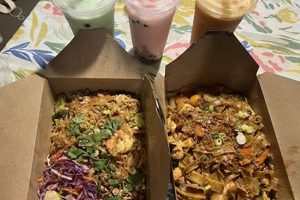
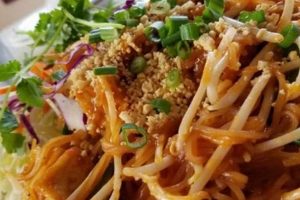
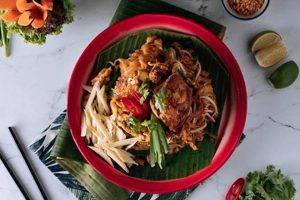
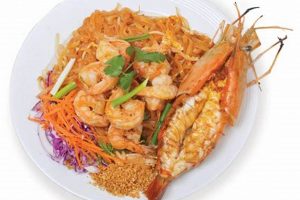
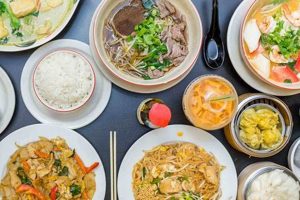
A comparison between the culinary traditions of Thailand and Vietnam reveals distinct approaches to Southeast Asian cuisine. One emphasizes bold, complex flavor profiles often achieved through a balance of sweet, sour, salty, spicy, and bitter notes. The other leans towards fresh, herbaceous flavors with a focus on lighter, more nuanced dishes. For example, the generous use of coconut milk, chilies, and fish sauce typifies one, while the preference for fresh herbs, rice paper, and dipping sauces defines the other.
Understanding the nuances of these two food cultures provides insight into their respective histories and geographical influences. One’s intense flavors reflect its position as a trading hub, incorporating ingredients and techniques from neighboring countries like India and China. The other’s emphasis on freshness and light preparations reflects a climate conducive to year-round agriculture and a history shaped by French colonialism, which influenced its baking traditions and use of certain ingredients. Appreciating these differences allows for a richer dining experience and a broader understanding of Southeast Asian cultural heritage.
This article will delve into key aspects of both, exploring common ingredients, cooking techniques, signature dishes, and the overall dining experience to provide a comprehensive comparison. It will further examine how both have evolved and adapted to global palates, contributing to their widespread popularity worldwide.
Choosing between Thai and Vietnamese cuisine often depends on personal preferences and the specific dining experience sought. Understanding key differences can help navigate menus and ensure satisfaction.
Tip 1: Consider Spice Tolerance. Thai dishes frequently incorporate chili peppers, ranging from mild to extremely hot. Vietnamese cuisine generally offers milder spice levels, allowing diners to adjust heat with condiments.
Tip 2: Explore Broth-Based Dishes. Both offer excellent soups. Pho, a Vietnamese noodle soup, features a delicate broth often infused with star anise and cinnamon. Tom Yum, a Thai soup, is known for its sour and spicy broth flavored with lemongrass, galangal, and lime leaves.
Tip 3: Pay Attention to Texture. Thai dishes often combine contrasting textures, such as crunchy peanuts, soft noodles, and crisp vegetables. Vietnamese food emphasizes fresh ingredients with a focus on light and airy textures, like rice paper rolls and vermicelli noodles.
Tip 4: Understand the Role of Sauces. Fish sauce is a staple in both cuisines, but its application differs. Thai cuisine uses fish sauce more liberally as a foundational flavor, while Vietnamese cuisine often employs it as a dipping sauce, allowing diners to control the saltiness.
Tip 5: Be Mindful of Coconut Milk. Coconut milk is a prevalent ingredient in many Thai curries and desserts, lending richness and sweetness. Vietnamese cuisine uses coconut milk less frequently, resulting in lighter, more refreshing dishes.
Tip 6: Experiment with Herbs. Vietnamese cuisine utilizes a wide array of fresh herbs, such as mint, cilantro, and basil, adding aromatic complexity to dishes. While Thai food also incorporates herbs, it often balances them with bolder flavors like chili and lime.
Tip 7: Consider Regional Variations. Both Thai and Vietnamese cuisine exhibit regional variations. Northern Thai food, for example, often features milder flavors and sticky rice, while Central Vietnamese cuisine incorporates more refined techniques and presentation.
In summary, careful consideration of spice levels, broth characteristics, texture profiles, the use of sauces, and the presence of coconut milk can enhance the enjoyment of both. Understanding regional variations further refines the dining experience.
With these insights, one can approach the selection between Thai and Vietnamese offerings with greater confidence, ensuring a satisfying and culturally enriching culinary adventure.
1. Spice Intensity
Spice intensity serves as a primary distinguishing factor between Thai and Vietnamese culinary traditions. Thai cuisine frequently utilizes chili peppers to achieve a range of heat levels, often incorporating them directly into dishes or offering chili-based condiments. Green chilies, bird’s eye chilies, and dried chilies are common, contributing varying degrees of pungency. For instance, Thai green curry relies on green chilies for its heat, while dishes like Pad Thai often offer crushed peanuts and chili flakes as optional additions to control spice levels. This emphasis allows for significant variation in heat levels, catering to a wide spectrum of spice tolerance.
Conversely, Vietnamese food generally features less assertive spice levels in the main dish preparation. While chili peppers are present, they are more often offered as a side condiment, such as fresh chilies in fish sauce or chili paste. This allows individuals to adjust the spiciness according to their preference without altering the fundamental flavor profile of the dish. For example, a bowl of Pho rarely contains significant chili heat unless the diner adds sriracha or chili oil. This approach prioritizes the fresh flavors of herbs and the delicate balance of the broth, making it accessible to a broader audience.
The difference in spice intensity reflects distinct culinary philosophies. Thai cooking often employs spice as an integral component of the overall flavor profile, creating complex and layered tastes. Vietnamese cooking tends to use spice as an accent, complementing the existing flavors and adding a touch of heat without overpowering the dish. Understanding this distinction is crucial for individuals seeking to explore and appreciate the nuances of these Southeast Asian cuisines.
2. Herb Abundance
Herb abundance distinguishes Vietnamese cuisine from Thai cuisine. While both culinary traditions incorporate fresh herbs, Vietnamese dishes prioritize and showcase their aromatic contributions to a greater extent. This emphasis on herbaceousness stems from both geographical factors and culinary philosophy. Vietnam’s tropical climate supports the year-round cultivation of a diverse range of herbs, including mint, cilantro, Thai basil, perilla, and rice paddy herb, each contributing unique flavor notes. These herbs are not merely garnishes but integral components, often served in generous quantities alongside main dishes to be incorporated at the diner’s discretion.
The practical significance of understanding this difference lies in appreciating the distinct flavor profiles each cuisine achieves. Vietnamese dishes, such as Pho and Goi Cuon (fresh spring rolls), rely on the interplay of fresh herbs with other ingredients to create a balanced and refreshing taste experience. The herbs contribute not only aromatic complexity but also textural contrast. In comparison, while Thai cuisine also uses herbs like lemongrass, galangal, and kaffir lime leaves, these are often employed in conjunction with bolder flavors like chili, fish sauce, and coconut milk. Examples include Tom Yum soup, where lemongrass and galangal contribute to the aromatic base, and green curry, where kaffir lime leaves enhance the overall flavor. In these instances, herbs contribute to the complexity of the dish but do not dominate the palate in the same way as in Vietnamese cuisine. Furthermore, differences in culinary techniques reinforce the importance of the flavors derived from the herbs, Thai cuisine tends to incorporate herbs in earlier cooking process such as infusing oil with herbs while Vietnamese cuisine add fresh herbs at the last part.
In summary, the herb abundance in Vietnamese cuisine is a defining characteristic, influencing flavor profiles, preparation methods, and the overall dining experience. While Thai cuisine also incorporates herbs, Vietnamese dishes place a greater emphasis on their fresh, aromatic contributions. Understanding this difference is crucial for those seeking to appreciate the subtle nuances and distinct characteristics of these two Southeast Asian culinary traditions. This knowledge enhances the ability to discern the unique qualities and flavors associated with each cuisine, ultimately leading to a more informed and enjoyable dining experience.
3. Sauce prominence

Sauce prominence represents a key differentiating factor in the landscapes of Thai and Vietnamese cuisines, significantly impacting overall flavor profiles and dining customs. While both traditions utilize sauces extensively, their roles, composition, and application methods differ considerably.
- Fish Sauce Application
Fish sauce, a fermented fish liquid, is foundational in both. However, Thai cuisine typically incorporates it directly into dishes during the cooking process, acting as a primary seasoning agent and contributing umami depth. In contrast, Vietnamese cuisine frequently presents fish sauce as a dipping condiment, often diluted and flavored with ingredients like lime juice, garlic, and chilies, allowing diners to control the salinity and flavor intensity of each bite. This difference influences the base flavor profile of each cuisine, with Thai dishes often exhibiting a more pronounced fish sauce presence.
- Peanut Sauce Variations
Peanut sauce, a creamy and slightly sweet sauce, appears in both. In Thai cuisine, it’s a hallmark of dishes like satay and some variations of Pad Thai. The Thai version tends to be richer, with a heavier emphasis on coconut milk and sometimes red curry paste, providing a complex sweet, savory, and spicy flavor. Vietnamese peanut sauce, often accompanying spring rolls (Goi Cuon), is typically lighter, featuring a more pronounced peanut flavor and a thinner consistency. This contrast highlights differing approaches to balancing sweet and savory elements within each cuisine.
- Nuoc Cham Complexity
Nuoc Cham, a fundamental Vietnamese dipping sauce, is characterized by its nuanced balance of sweet, sour, salty, and spicy notes. It often features fish sauce, lime juice, sugar, garlic, and chilies. Its complexity stems from the precise ratio of these ingredients, varying from region to region and even household to household. While Thai cuisine utilizes various dipping sauces, there isn’t one single, universally recognized sauce equivalent to Nuoc Cham in its pervasive presence and emblematic status. This absence signifies the Vietnamese emphasis on individualized flavor customization through dipping sauces.
- Curry Sauce Intensity
While both cuisines utilize curry sauces, their characteristics diverge. Thai curries, such as green, red, and yellow curry, are rich, creamy, and often intensely flavored with chili peppers, spices, and coconut milk. The curry sauce is integral to the dish, coating the main ingredients and infusing them with complex flavors. Vietnamese curries, while influenced by similar ingredients, tend to be lighter and less intensely spiced, often featuring a higher proportion of vegetables and a less creamy consistency. This difference underscores the Thai tendency towards bolder, more assertive flavors compared to the more subtle and nuanced approach in Vietnamese cooking.
These differences in sauce prominence reveal fundamental culinary philosophies. Thai cuisine uses sauces as foundational building blocks, creating intense and layered flavor profiles. Vietnamese cuisine, conversely, often employs sauces as customizable accents, allowing diners to tailor the taste of each dish to their individual preferences. Understanding this distinction is crucial to appreciating the distinct character of each culinary tradition, as it impacts everything from the overall flavor intensity to the dining experience itself.
4. Coconut Usage

Coconut usage represents a significant point of divergence between Thai and Vietnamese cuisines, influencing the texture, flavor, and overall character of dishes. While both culinary traditions utilize coconut in various forms, its prominence and application differ considerably, reflecting distinct regional preferences and cooking techniques.
- Coconut Milk in Thai Curries
Coconut milk forms the cornerstone of many Thai curries, providing richness, sweetness, and a creamy texture. Green curry, red curry, and Panang curry all rely heavily on coconut milk to temper the heat of chilies and blend the flavors of spices and herbs. The fat content in coconut milk also helps to emulsify the curry paste, creating a smooth and cohesive sauce. This reliance on coconut milk contributes to the signature richness and depth of Thai curries, distinguishing them from their Vietnamese counterparts.
- Limited Use in Vietnamese Savory Dishes
Vietnamese cuisine, in contrast, features a more restrained use of coconut milk in savory dishes. While coconut may occasionally appear in certain regional specialties, it is not a ubiquitous ingredient in main courses like pho or bun cha. Its role is often relegated to desserts or specific regional preparations, such as certain types of braised dishes, where it adds a subtle sweetness and creaminess without dominating the flavor profile. This relative absence distinguishes the lighter, more broth-based character of many Vietnamese savory dishes from the richer, creamier profile of Thai curries.
- Coconut Water and Shredded Coconut Applications
Beyond coconut milk, both cuisines utilize other coconut products, albeit in differing proportions. Coconut water, for instance, may be used in Vietnamese cuisine to add a touch of sweetness and moisture to certain braised dishes or desserts. Shredded coconut finds applications in both, often as a topping for desserts or as an ingredient in sweet snacks. However, these applications are less central to the overall culinary identity of either cuisine compared to the pervasive presence of coconut milk in Thai curries.
- Regional Variations and Historical Influences
The differing levels of coconut usage likely stem from a combination of regional variations and historical influences. Southern Thailand, for example, has a longer history of coconut cultivation and trade, contributing to its widespread use in the local cuisine. Vietnamese cuisine, influenced by French colonial traditions, may have prioritized lighter broths and fresh ingredients over rich, coconut-based sauces. These factors have shaped the distinct culinary landscapes of each country, contributing to the observed differences in coconut usage.
In summary, the contrasting levels of coconut usage serve as a crucial differentiator between Thai and Vietnamese cuisines. The abundant use of coconut milk in Thai curries contributes to their signature richness and complexity, while the limited presence in Vietnamese savory dishes reflects a preference for lighter, more broth-based preparations. These variations highlight the diverse culinary traditions within Southeast Asia, enriching the dining experience and expanding the appreciation for distinct flavor profiles.
5. Noodle Variety

Noodle variety presents a significant lens through which to examine the distinctions between Thai and Vietnamese cuisines. The types of noodles employed, their preparation methods, and their integration into specific dishes reveal fundamental differences in culinary philosophy and regional influences.
- Rice Noodle Dominance
Rice noodles form the cornerstone of both Thai and Vietnamese cuisine, though variations exist. Both feature thin rice vermicelli (similar to bee hoon), used in dishes like Pad Thai and Bun Cha. Wide rice noodles ( sen yai in Thai, similar to ho fun), feature in dishes such as Pad See Ew, are also prevalent. However, certain Vietnamese dishes, like Cao Lau, utilize noodles specific to the region (Hoi An), made with water from local wells, which gives them unique textures and flavors. The ubiquity of rice noodles underscores the importance of rice as a staple grain in both cultures.
- Wheat Noodle Presence
While rice noodles dominate, wheat noodles hold a more prominent position in certain Vietnamese dishes than in Thai cuisine. Mi Quang, a central Vietnamese noodle soup, features thick, yellow wheat noodles seasoned with turmeric. The influence of Chinese culinary traditions is more pronounced in this context. While Ba Mee (egg noodles) exist in Thai cuisine, they are less ubiquitous and often served in a drier format, like Ba Mee Haeng (dry egg noodles), highlighting a divergence in the preferred noodle type for soup-based dishes.
- Noodle Preparation Methods
Noodle preparation methods also contribute to the distinctions. Stir-frying, as seen in Pad Thai and Pad See Ew, is a prevalent Thai technique, resulting in noodles with a slightly caramelized exterior and smoky flavor. Vietnamese noodles are often served fresh or blanched, emphasizing their delicate texture. In noodle soups like Pho, the noodles are carefully cooked to maintain a tender, yet slightly firm consistency. These varied cooking methods underscore the differing textural preferences within each cuisine.
- Regional Noodle Specialties
Both cuisines boast regional noodle specialties that showcase local ingredients and techniques. Khao Soi, a Northern Thai curry noodle soup, features crispy fried noodles as a topping, providing textural contrast and richness. Bun Bo Hue, a central Vietnamese noodle soup, utilizes thick, round rice noodles with a unique, slightly chewy texture. Exploring these regional specialties further illuminates the diverse applications of noodles within each culinary tradition and the cultural significance they hold.
In conclusion, noodle variety, encompassing noodle types, preparation methods, and regional specialties, significantly contributes to the overall character and differentiation between Thai and Vietnamese cuisines. While rice noodles form a shared foundation, the subtle variations in their application, alongside the contrasting roles of wheat noodles and regional specialties, highlight the distinct culinary landscapes of each nation. Examining noodle dishes provides valuable insights into the historical influences, culinary techniques, and regional preferences that shape these Southeast Asian food traditions.
Frequently Asked Questions
This section addresses common inquiries and clarifies key differences between the culinary traditions of Thailand and Vietnam, providing concise and informative answers.
Question 1: Is Thai food inherently spicier than Vietnamese food?
Thai cuisine often incorporates chilies directly into dishes, resulting in a generally higher spice level. Vietnamese cuisine typically offers chilies as a condiment, allowing individuals to adjust heat according to personal preference. Therefore, while both can be spicy, Thai food, as prepared, tends to exhibit greater inherent spiciness.
Question 2: Do both cuisines rely equally on fish sauce?
Fish sauce is a staple in both, but its usage differs. Thai cuisine frequently utilizes fish sauce as a primary flavoring agent during cooking. Vietnamese cuisine commonly employs it as a dipping sauce, often diluted and combined with other ingredients like lime juice and garlic.
Question 3: Is coconut milk a common ingredient in Vietnamese cuisine?
Coconut milk is a prevalent ingredient in many Thai dishes, particularly curries and desserts, providing richness and sweetness. Vietnamese cuisine utilizes coconut milk less frequently in savory dishes, reserving it more often for desserts or specific regional specialties.
Question 4: Which cuisine offers a wider variety of noodle dishes?
Both cuisines feature diverse noodle preparations. Thai cuisine showcases variations like Pad Thai and Pad See Ew, while Vietnamese cuisine offers Pho, Bun Cha, and Cao Lau. However, Vietnamese cuisine incorporates wheat noodles more prominently than Thai cuisine, particularly in dishes influenced by Chinese culinary traditions.
Question 5: Are there significant regional variations within each cuisine?
Both Thai and Vietnamese cuisines exhibit considerable regional diversity. Northern Thai food often features milder flavors and sticky rice, while Central Vietnamese cuisine incorporates more refined techniques and presentation. Exploring these regional variations provides a more nuanced understanding of each culinary tradition.
Question 6: Which cuisine emphasizes fresh herbs more prominently?
Vietnamese cuisine generally emphasizes the abundance and importance of fresh herbs like mint, cilantro, and basil to a greater extent than Thai cuisine. These herbs are often served in generous quantities alongside dishes, contributing aromatic complexity and textural contrast.
In summary, Thai and Vietnamese cuisines, while sharing Southeast Asian roots, differ substantially in spice levels, fish sauce application, coconut milk usage, noodle varieties, and herb prominence. Understanding these distinctions allows for a more informed and appreciative culinary experience.
The following section will explore specific signature dishes from both cuisines, further illustrating their unique characteristics and culinary techniques.
Thai Food vs Vietnamese
The preceding analysis has explored core elements that distinguish “thai food vs vietnamese” cuisine. Key differentiators include spice intensity, herb usage, sauce application, coconut milk presence, and noodle diversity. Thai cuisine frequently utilizes chilies directly within dishes, while Vietnamese cuisine often offers them as condiments. Fish sauce functions as a primary flavoring agent in Thai dishes and a dipping sauce in Vietnamese cuisine. Coconut milk is prevalent in Thai curries but less common in Vietnamese savory preparations. Finally, wheat noodles are more prominent in certain Vietnamese dishes compared to Thai cuisine. These aspects underscore fundamental differences in culinary philosophy and flavor profiles.
Understanding the nuances between “thai food vs vietnamese” allows for a more informed appreciation of each culinary tradition. Further exploration into regional variations and historical influences will continue to refine this understanding. The ongoing evolution of these cuisines promises continued diversification and adaptation to global palates, ensuring their enduring presence in the international culinary landscape. Continued research and critical analysis are essential to fully grasp the richness and complexity of both.