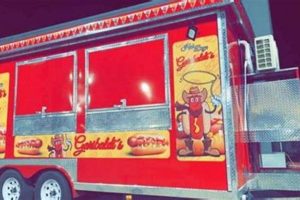
A mobile culinary business operating within a modified Citroen H Van represents a unique blend of automotive history and contemporary food service. These vehicles, recognizable by their corrugated body panels and distinctive design, are repurposed to house kitchen equipment, allowing vendors to offer a variety of food and beverages from a mobile platform. For example, one might encounter a vintage Citroen H Van serving gourmet coffee and pastries at a local farmers market.
The appeal of these transformed vehicles lies in their inherent charm and visual distinctiveness. They provide a memorable and aesthetically pleasing backdrop for a business, attracting customers and creating a sense of nostalgia. Furthermore, the compact design of the H Van makes it suitable for navigating crowded urban environments and participating in events where space is limited. Historically, the Citroen H Van was known for its practicality and versatility, attributes that continue to be valued in its repurposed form.
The subsequent sections will delve into specific examples of businesses utilizing these modified vans, exploring the challenges and opportunities associated with operating a mobile food service from a vintage vehicle, and examining the legal and regulatory considerations that owners must address. The financial aspects, including acquisition costs and ongoing operational expenses, will also be explored in detail.
Operational Guidance for Modified Citroen H Vans in the Food Service Industry
The following guidelines are presented to assist individuals and businesses considering the utilization of a modified Citroen H Van for food service operations. These recommendations are designed to optimize functionality, ensure compliance, and enhance long-term viability.
Tip 1: Thoroughly Inspect the Vehicle’s Structural Integrity. Due to their age, Citroen H Vans may exhibit corrosion or structural weaknesses. Prior to modification, a comprehensive inspection by a qualified mechanic is essential to ensure the vehicle’s safety and suitability for conversion. Address any necessary repairs before proceeding with customization.
Tip 2: Prioritize Efficient Space Planning. The interior of a Citroen H Van is limited. Careful consideration should be given to the layout of kitchen equipment, storage, and service areas. A well-planned design will maximize functionality and minimize wasted space, improving operational efficiency.
Tip 3: Invest in Reliable and Appropriately Sized Equipment. Choosing equipment that fits the vehicle’s dimensions and electrical capacity is crucial. Opt for energy-efficient appliances to minimize power consumption and reduce the strain on the vehicle’s electrical system. Regular maintenance of all equipment is also important.
Tip 4: Ensure Adequate Ventilation and Fire Suppression Systems. Cooking operations generate heat, smoke, and potentially hazardous fumes. Installing a properly sized ventilation system is essential for maintaining a safe and comfortable working environment. Fire suppression systems should also be installed and regularly inspected to mitigate the risk of fire.
Tip 5: Adhere to All Relevant Health and Safety Regulations. Food safety regulations vary by jurisdiction. It is imperative to research and comply with all applicable regulations regarding food handling, storage, and preparation. Regular inspections and certifications may be required.
Tip 6: Implement a Robust Waste Management System. Food waste can quickly accumulate and create unsanitary conditions. Establish a system for collecting and disposing of waste properly. Consider using compostable materials to minimize environmental impact.
Tip 7: Secure Necessary Permits and Licenses. Operating a mobile food business requires obtaining the necessary permits and licenses from local authorities. Research and understand the specific requirements in your area, including zoning regulations, health permits, and business licenses. Failure to comply with these regulations can result in fines or closure.
Adherence to these guidelines can contribute to the successful and sustainable operation of a food service business utilizing a modified Citroen H Van. Prioritization of safety, efficiency, and regulatory compliance is paramount.
The following sections will further expand on the practical aspects of running this business, offering detailed strategies for success and long-term growth.
1. Vehicle Acquisition

The acquisition of a Citroen H Van forms the foundational step in establishing a mobile food business centered around this iconic vehicle. The condition and suitability of the acquired van directly impact the subsequent modifications, operational capabilities, and overall longevity of the business venture. A poorly chosen vehicle, exhibiting significant structural damage or mechanical deficiencies, can lead to escalating repair costs, delayed timelines, and ultimately, diminished profitability. For instance, purchasing a van with extensive rust damage necessitates costly restoration work before any food service equipment can be installed. Conversely, a well-maintained van reduces initial investment and allows for a more streamlined conversion process.
Several factors influence the vehicle acquisition process. Market availability dictates the range of options, encompassing both restored and unrestored vans. The intended culinary specialization influences the necessary vehicle size and configuration. Regulatory requirements pertaining to vehicle modifications, emissions standards, and food safety guidelines further constrain the selection process. Consider, for example, that the size of the kitchen will determine the number of items you can have on your menu.
In summary, the strategic selection of a suitable Citroen H Van is paramount to the successful establishment of a mobile food business. A thorough assessment of vehicle condition, a clear understanding of operational requirements, and meticulous consideration of regulatory stipulations are crucial for mitigating risks and maximizing the potential of this distinctive business model. The subsequent discussions will delve into the equipment and customization aspects of this vehicle.
2. Equipment Installation

Equipment installation within a repurposed Citroen H Van represents a critical stage in establishing a functional and compliant mobile food business. The inherent spatial constraints and structural limitations of the vehicle necessitate meticulous planning and execution of this phase. Improper installation can lead to operational inefficiencies, safety hazards, and non-compliance with regulatory standards. For example, poorly ventilated cooking equipment can create unsafe working conditions and violate health codes. Similarly, inadequately secured appliances pose a risk during transit, potentially causing damage or injury. Thus, equipment installation is not merely a logistical task, but a determinant of both safety and operational viability. The specific equipment required varies dependent on the nature of the food being prepared and served. A coffee-focused business will need different equipment compared to a mobile pizza restaurant.
Effective equipment installation necessitates a comprehensive understanding of electrical load management, plumbing considerations, and ventilation requirements. The vehicle’s electrical system must be capable of supporting the power demands of all installed appliances, requiring careful calculation of amperage and the implementation of appropriate circuit protection. Plumbing systems must be designed to provide potable water and safely dispose of wastewater, complying with relevant environmental regulations. Furthermore, adequate ventilation is essential to remove heat, smoke, and odors, ensuring a comfortable and safe working environment. Installing a commercial-grade refrigeration unit, for example, must factor in both power consumption and proper placement for efficient cooling and access. Consideration must also be given to the structural reinforcement to accommodate heavier equipment.
In conclusion, equipment installation within a Citroen H Van demands meticulous attention to detail, adherence to safety standards, and compliance with regulatory requirements. The careful selection and strategic placement of equipment are crucial for maximizing operational efficiency, ensuring the safety of personnel, and mitigating potential hazards. The complexities of this phase necessitate a collaborative approach involving experienced technicians, licensed electricians, and qualified plumbers. Successfully executed equipment installation is a cornerstone of a thriving and sustainable mobile food business operating from this unique platform. The regulatory requirements further amplify the challenge.
3. Regulatory Compliance

Regulatory compliance forms a critical and multifaceted component of operating a mobile food business from a Citroen H Van. These vintage vehicles, when repurposed for commercial food service, are subject to a complex web of local, regional, and sometimes national regulations designed to ensure public health and safety.
- Food Safety Regulations
These regulations govern the handling, preparation, storage, and service of food. They mandate specific equipment requirements, such as refrigeration units capable of maintaining specified temperatures, and handwashing facilities with hot and cold running water. Regular inspections are conducted to verify adherence to these standards, and violations can result in fines, temporary closures, or even permanent revocation of operating permits. A mobile food vendor operating from a Citroen H Van must, for instance, demonstrate proper food handling techniques and maintain accurate temperature logs to avoid potential health code violations.
- Vehicle and Equipment Standards
In addition to food safety, the vehicle itself must meet specific standards. These include regulations regarding vehicle safety, emissions, and modifications. Structural alterations to accommodate cooking equipment may require engineering certifications to ensure the vehicle’s structural integrity remains sound. Electrical and plumbing systems must be installed by licensed professionals and conform to relevant codes. For example, the installation of a propane tank for cooking must comply with regulations governing tank size, venting, and safety shut-off mechanisms.
- Zoning and Location Restrictions
Many municipalities have zoning regulations that restrict where mobile food vendors can operate. These regulations may prohibit operation in residential areas, near schools, or within a certain distance of brick-and-mortar restaurants. Obtaining the necessary permits to operate in designated areas is crucial. Furthermore, specific events or locations may require additional permits or licenses. A mobile food business operating from a Citroen H Van must research and comply with these location-specific regulations to avoid fines or impoundment of the vehicle.
- Business Licensing and Permitting
Operating a mobile food business requires obtaining a variety of licenses and permits, including a general business license, a food service permit, and possibly specialized permits for operating a vehicle-based business. These permits often require passing inspections and demonstrating compliance with all applicable regulations. Maintaining current and valid licenses is essential for legal operation. Failure to possess the required licenses can lead to significant penalties. For example, businesses must understand and secure the specific permits needed to operate within a designated area and not assume that one permit allows them to operate anywhere within a city.
These interconnected facets of regulatory compliance present a significant challenge for businesses operating a food truck from a vintage Citroen H Van. However, by prioritizing compliance, vendors can ensure the safety of their customers, avoid costly penalties, and build a sustainable and reputable business. Neglecting any of these facets jeopardizes the entire business model.
4. Menu Development

Menu development constitutes a pivotal element in the success of a mobile food business operating from a Citroen H Van. The restricted spatial capacity of the vehicle directly impacts the complexity and diversity of the menu. The available cooking equipment, refrigeration capabilities, and storage space dictate the types of dishes that can be efficiently prepared and served. A menu exceeding the van’s operational capabilities results in inefficiencies, waste, and compromised food quality. Conversely, a well-designed menu optimized for the van’s limitations maximizes profitability and customer satisfaction. A food truck specializing in gourmet grilled cheese sandwiches, for example, can effectively utilize a limited space with relatively simple equipment compared to a food truck offering an extensive menu of international cuisines.
The menu should not only be tailored to the vehicle’s physical constraints but also strategically aligned with the target market and the unique aesthetic of the Citroen H Van. The vintage charm of the vehicle can be leveraged to create a nostalgic dining experience, suggesting menu items that evoke a sense of tradition or comfort. A Citroen H Van operating in a tourist area might feature regionally specific dishes, capitalizing on the van’s visual appeal to attract visitors. Alternatively, a van operating in a business district could offer quick, convenient, and high-quality lunch options, appealing to busy professionals. The menu must also consider the sourcing of ingredients, prioritizing local and sustainable options whenever feasible to enhance the brand image and appeal to environmentally conscious consumers.
In summary, menu development for a mobile food business utilizing a Citroen H Van is a critical exercise in balancing operational constraints, target market preferences, and the vehicle’s unique brand identity. A well-crafted menu maximizes efficiency, enhances profitability, and reinforces the overall customer experience. Careful consideration of space limitations, equipment capabilities, and the vehicle’s visual appeal is essential for creating a menu that resonates with customers and contributes to the long-term success of the business. This understanding of how menu development is key to Citroen H Van is as a tool for the overall structure and design of the food truck itself.
5. Location Strategy
The location strategy employed by a mobile food business operating from a Citroen H Van directly influences its potential for success. The unique characteristics of the vehicle, including its size and visual appeal, necessitate a carefully considered approach to site selection. A prime location can maximize visibility, attract a target clientele, and generate consistent revenue. Conversely, a poorly chosen location can result in low foot traffic, limited sales, and ultimately, business failure. The selection process must consider factors such as pedestrian flow, proximity to competing businesses, accessibility, and any applicable zoning regulations. For example, positioning a Citroen H Van near a popular park during peak hours leverages the vehicles aesthetic appeal and caters to a concentrated group of potential customers.
Effective location strategy also entails understanding local regulations and permit requirements. Many municipalities have specific guidelines governing where mobile food vendors can operate, including restrictions on proximity to established restaurants and limitations on operating hours. Securing the necessary permits and adhering to these regulations is crucial for avoiding fines and maintaining a compliant business operation. A Citroen H Van selling coffee and pastries might target farmers’ markets or community events, securing the necessary permits in advance and coordinating with event organizers to ensure optimal placement and customer access. Successful mobile food truck businesses will often switch locations day-to-day depending on event calendars and the daily activity of local crowds. This can be difficult since the Citroen H Van may not be as quick or reliable to travel with compared to newer food trucks.
In summary, the location strategy for a Citroen H Van food business is a critical determinant of profitability and long-term sustainability. A data-driven approach, coupled with an understanding of local regulations and consumer behavior, is essential for selecting optimal locations that maximize exposure, attract customers, and ensure compliance. The challenge lies in balancing the desire for high-traffic areas with the need to secure permits and navigate potential competition. Ultimately, a well-executed location strategy transforms the unique aesthetic of the Citroen H Van into a powerful marketing tool and a source of competitive advantage.
6. Marketing Approach
A comprehensive marketing approach is inextricably linked to the success of a mobile food business operating from a Citroen H Van. The vehicle’s inherent visual appeal, a defining characteristic of the operation, serves as a foundational element of its marketing strategy. However, leveraging this visual appeal requires a deliberate and multifaceted approach that extends beyond simply parking the van in a visible location. The correlation between a targeted marketing campaign and increased revenue generation is significant. For example, a Citroen H Van selling artisanal ice cream might utilize social media platforms to showcase visually appealing photographs of its products and its unique vehicle, effectively attracting potential customers. A failure to capitalize on this visual asset represents a missed opportunity for brand building and revenue growth.
The marketing approach must also consider the specific target audience and the local competitive landscape. Understanding customer preferences, dietary needs, and spending habits informs menu development, pricing strategies, and promotional activities. Competitive analysis reveals opportunities to differentiate the business and carve out a unique market position. For instance, if several coffee shops already exist in the vicinity, a Citroen H Van might focus on offering specialty teas or unique pastries to attract a different customer segment. Furthermore, collaboration with local businesses or participation in community events can broaden brand awareness and generate positive publicity. Active engagement on social media channels, coupled with targeted advertising campaigns, serves to further amplify the reach of the marketing efforts. This can take the form of advertisements in local newspapers.
In summary, a well-defined marketing approach is not merely an optional add-on, but a crucial determinant of the financial viability of a Citroen H Van mobile food business. By strategically leveraging the vehicle’s inherent visual appeal, understanding the target market, and adapting to the competitive landscape, operators can effectively attract customers, build brand loyalty, and achieve sustainable profitability. Neglecting the marketing aspect will diminish the impact of even the highest-quality food and most attractive vehicle. The business should always maintain its unique brand image.
7. Maintenance Schedule

The implementation of a rigorous maintenance schedule is paramount to the operational longevity and financial viability of a food service business utilizing a Citroen H Van. Due to the vehicle’s age and potential for mechanical complexities, a proactive maintenance approach mitigates the risk of breakdowns, minimizes downtime, and safeguards the investment. Neglecting routine maintenance on a Citroen H Van often results in costly repairs and interruptions to service, directly impacting revenue generation. For instance, failure to regularly inspect and replace worn brake components can lead to brake failure, necessitating extensive repairs and potential loss of income during the repair period.
A comprehensive maintenance schedule encompasses several key areas. Regular inspection and servicing of the engine, transmission, and braking systems are essential for ensuring reliable vehicle operation. Furthermore, diligent attention must be paid to the electrical system, which powers both the vehicle and the food service equipment. Maintenance should also include regular cleaning and sanitation of the food preparation area, refrigeration units, and waste disposal systems, adhering to stringent health and safety regulations. Consider, for example, the necessity of regularly calibrating refrigeration equipment to ensure proper food storage temperatures, preventing spoilage and potential health hazards. Proper sanitation of food surfaces helps prevent bacteria growth.
In summary, a meticulously planned and consistently executed maintenance schedule is not merely an expense, but a strategic investment in the enduring success of a mobile food business reliant on a Citroen H Van. Addressing potential mechanical issues before they escalate, maintaining a safe and sanitary food preparation environment, and adhering to regulatory requirements are all critical components of a comprehensive maintenance program. The commitment to proactive maintenance directly translates to enhanced operational efficiency, reduced repair costs, and a sustained competitive advantage in the mobile food service industry. The vehicle itself can be a key advantage if managed appropriately.
Frequently Asked Questions
The following questions address common inquiries and concerns regarding the establishment and operation of mobile food businesses utilizing repurposed Citroen H Vans. The information provided aims to offer clarity on key aspects of this unique business model.
Question 1: What are the primary advantages of using a Citroen H Van for a mobile food business?
The principal advantage resides in the vehicle’s distinctive aesthetic, offering a unique and memorable visual identity that can attract customers and enhance brand recognition. The compact size of the H Van also allows for operation in locations with limited space.
Question 2: What are the key challenges associated with repurposing a Citroen H Van for food service?
Challenges primarily stem from the vehicle’s age, which can necessitate extensive restoration and mechanical repairs. The limited interior space requires careful planning and efficient equipment installation. Compliance with modern health and safety regulations also presents a significant hurdle.
Question 3: What types of food businesses are best suited for a Citroen H Van?
Businesses offering streamlined menus with minimal equipment requirements are generally best suited. Examples include coffee and pastry service, gourmet sandwiches, crepes, and other easily prepared items that require limited space and equipment.
Question 4: What are the essential permits and licenses required to operate such a business?
The specific permits and licenses vary by location, but typically include a general business license, a food service permit, and permits related to vehicle operation and modifications. Compliance with local zoning regulations is also essential.
Question 5: What is the typical cost associated with acquiring and modifying a Citroen H Van for food service?
The cost varies widely depending on the condition of the vehicle and the extent of the modifications. Fully restored and modified vans can range from $50,000 to $100,000 or more. Unrestored vans can be acquired for considerably less, but require significant investment in restoration and customization.
Question 6: How can the limited space within the van be optimized for efficient food preparation?
Careful space planning is paramount. Utilizing compact, multi-functional equipment, maximizing vertical storage, and streamlining the menu are all effective strategies for optimizing the limited interior space.
These FAQs provide a fundamental understanding of the key considerations involved in operating a Citroen H Van mobile food business. Further research and due diligence are essential before embarking on such a venture.
The subsequent section will offer concluding remarks and a summary of the key takeaways from this exploration.
Conclusion
The preceding exploration has illuminated the various facets of operating a mobile food business from a repurposed Citroen H Van. The analysis encompassed vehicle acquisition, equipment installation, regulatory compliance, menu development, location strategy, marketing approaches, and maintenance schedules. Each element presents unique challenges and opportunities that must be addressed with meticulous planning and execution. The distinctive aesthetic of the “hy citroen food truck” offers a potent marketing advantage, but its age and inherent limitations necessitate a strategic and pragmatic approach.
Successful implementation requires a comprehensive understanding of the interplay between these various factors. While the visual allure of the vehicle can attract customers, sustained success hinges on operational efficiency, regulatory adherence, and a commitment to delivering a high-quality product and service. Prospective operators must carefully weigh the potential rewards against the inherent challenges and conduct thorough due diligence before committing to this unique and demanding business model.