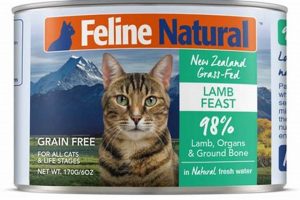
Introducing wet food into a feline’s diet can present challenges, especially if the animal is accustomed to dry kibble. Successfully transitioning a cat to a wet food diet often requires a patient and strategic approach. For example, gradually mixing small amounts of canned food with the cat’s regular dry food can encourage acceptance.
The inclusion of wet food in a cat’s diet offers several advantages. Wet food provides a higher moisture content, which supports kidney health and helps prevent urinary tract issues. It can also be more palatable for older cats or those with dental problems, facilitating easier consumption and nutrient absorption. Historically, cats derived moisture from their prey, making wet food a more natural dietary option.
This discussion will explore various techniques to facilitate the acceptance of wet food by felines. Strategies include adjusting food temperature, exploring different flavors and textures, and managing feeding schedules to maximize success in converting a cat’s diet.
Strategies for Introducing Wet Food to Felines
The following methods offer a structured approach to encourage felines to consume wet food. Consistency and patience are crucial for success.
Tip 1: Gradual Incorporation: Initiate the process by blending a minuscule quantity of wet food with the feline’s preferred dry kibble. Over several days, steadily increase the proportion of wet food while reducing the dry kibble, allowing the cat to adapt to the new texture and flavor.
Tip 2: Temperature Adjustment: Enhance palatability by serving the wet food at room temperature. This can be achieved by removing the food from refrigeration approximately 30 minutes prior to feeding, or by briefly warming it. A slight increase in temperature can intensify the aroma, further stimulating the cat’s appetite.
Tip 3: Flavor and Texture Variety: Cats exhibit individual preferences. Experiment with different flavors (e.g., chicken, fish, beef) and textures (e.g., pate, shredded, gravy) to identify the most appealing option. Offering a range of choices can help overcome initial resistance.
Tip 4: Strategic Feeding Schedule: Establish a consistent feeding schedule, offering wet food at the same times each day. Allow the cat to consume the food for a defined period (e.g., 20-30 minutes), then remove any uneaten portion. This helps establish hunger cues and reduces the opportunity for the food to spoil.
Tip 5: Enhance Palatability with Toppers: If the cat remains hesitant, consider adding a small amount of a favored treat or topping to the wet food. Options include crumbled freeze-dried meat, a sprinkle of catnip, or a small amount of tuna juice. This can make the wet food more enticing.
Tip 6: Plate Presentation: Some cats are sensitive to the type of bowl used. Opt for a shallow, wide bowl that does not irritate their whiskers. Clean the bowl thoroughly after each feeding to prevent the buildup of odors that might deter the cat.
Tip 7: Limit Free Feeding of Dry Food: If the cat has access to dry food throughout the day, reduce or eliminate this option to encourage consumption of the wet food during scheduled mealtimes. A hungry cat is more likely to try new foods.
Implementing these strategies with patience and consistency can improve the likelihood of successfully integrating wet food into the feline’s diet, promoting overall health and well-being.
The successful transition necessitates a gradual and adaptive approach, mindful of the cat’s individual preferences and tolerances. The subsequent discussion will address potential challenges and troubleshooting techniques.
1. Gradual Introduction

Gradual introduction represents a cornerstone strategy in successfully transitioning a feline to a diet that includes canned food. Abrupt dietary changes can induce stress and digestive upset, potentially leading to food aversion. A measured approach allows the cat to adapt to the new texture, smell, and taste, significantly increasing the likelihood of acceptance.
- Minimizing Neophobia
Neophobia, the fear of new things, is common among felines. Introducing canned food slowly helps mitigate this fear. Start by mixing a very small amount (e.g., a teaspoon) of canned food with the cat’s regular dry kibble. This allows the cat to familiarize itself with the new food in a non-threatening way. The initial introduction serves as an exposure exercise, lessening potential anxiety.
- Digestive Adaptation
The digestive system requires time to adjust to new food compositions. Canned food typically has a higher moisture content and different protein/fat ratios than dry kibble. Gradual incorporation allows the gut microbiota to adapt, reducing the risk of digestive issues such as diarrhea or vomiting. Begin with a low concentration of canned food and incrementally increase it over several days or weeks, observing the cat’s stool consistency.
- Taste and Texture Acclimation
Cats are often sensitive to changes in food texture and flavor. Mixing small amounts of canned food with familiar dry food allows the cat to gradually become accustomed to the new sensory experience. This process is particularly important for cats accustomed to a solely dry food diet. The gradual acclimation minimizes the chances of the cat rejecting the food due to unfamiliarity.
- Behavioral Reinforcement
The gradual approach can be used as a form of positive reinforcement. If the cat consumes the initial mixture without hesitation, it reinforces the behavior. Over time, as the proportion of canned food increases, the cat associates the new food with a positive experience. This behavioral conditioning can increase the cat’s willingness to accept canned food long-term.
In conclusion, a phased integration of canned food, driven by the principle of gradual introduction, is paramount for facilitating dietary acceptance in felines. This approach minimizes stress, promotes digestive health, and fosters positive associations with the new food, ultimately supporting a successful transition.
2. Flavor/Texture Variety

The success of incorporating canned food into a feline’s diet is inextricably linked to providing a diverse range of flavors and textures. Cats exhibit highly individual preferences, and what appeals to one animal may be completely rejected by another. Therefore, limiting the offering to a single type of canned food significantly decreases the probability of acceptance. For example, a cat accustomed to fish-based dry kibble may initially reject a chicken-flavored pt. Without experimenting with alternative flavors and textures, a pet owner might mistakenly conclude that the cat simply dislikes canned food in general.
The importance of flavor variety stems from a cat’s acute sense of smell and taste, both of which contribute to food palatability. Offering diverse protein sources such as fish, poultry, and red meat can pique a cat’s interest and cater to its nutritional needs. Similarly, texture plays a crucial role. Some cats prefer a smooth pt, while others favor shredded or minced options. The texture affects the oral sensation and swallowing ease, particularly important for cats with dental issues. For instance, an older cat with sensitive gums may struggle with chunkier textures but readily consume a smooth mousse.
Understanding the interplay between flavor and texture enables informed decisions when introducing canned food. A systematic approach involving the introduction of various formulations is recommended. Documenting the cat’s reaction to each option provides valuable insight into its individual preferences. This knowledge enables pet owners to tailor their canned food offerings, thereby maximizing the likelihood of a successful dietary transition and ensuring the feline receives the nutritional benefits of wet food. Ignoring this aspect can lead to unnecessary frustration and a failed attempt to incorporate canned food into the cats regimen.
3. Temperature Matters
The temperature of canned food significantly influences its palatability and, consequently, a feline’s willingness to consume it. Manipulating food temperature represents a strategic approach in encouraging cats to accept canned food as part of their diet.
- Aroma Enhancement
Volatile organic compounds, responsible for aroma, are released more readily at warmer temperatures. A feline’s sense of smell plays a pivotal role in food acceptance. Warming canned food, even slightly, intensifies its aroma, making it more appealing. For example, a can of refrigerated tuna may have a faint scent, but warming it to room temperature or slightly above significantly amplifies its characteristic odor, potentially stimulating the cat’s appetite.
- Palatability Perception
Temperature affects the perceived texture and taste of food. Cold food can numb the taste buds, reducing the perceived flavor intensity. Serving canned food directly from the refrigerator might mask its appealing characteristics. Conversely, warming it to approximately body temperature (around 100F or 38C) can enhance the flavor profile and improve the overall palatability. This is particularly relevant for cats with decreased olfactory sensitivity due to age or illness.
- Mimicking Natural Prey
In a natural setting, a feline’s prey would be at body temperature. While this is not the primary reason to warm canned food, it does contribute to a more natural feeding experience. Offering food at a more biologically appropriate temperature might subconsciously increase acceptance. This connection to natural feeding patterns can be particularly useful for cats who are resistant to new food types.
- Overcoming Food Aversion
If a cat has previously had a negative experience with canned food (e.g., medication mixed in), it might develop an aversion. Presenting the food at a different temperature can sometimes break this association. By altering the sensory experience, the cat may be less likely to associate the new offering with the previous negative event. Careful introduction at a slightly warmer temperature can often lead to acceptance.
Adjusting the temperature of canned food is a simple yet effective technique to increase its appeal to felines. By enhancing aroma, improving palatability, mimicking natural feeding, and potentially overcoming food aversions, controlling food temperature emerges as an essential component of successfully transitioning a cat to a canned food diet.
4. Feeding Schedule

A consistent feeding schedule serves as a foundational element in the process of introducing canned food to felines. The timing and structure of mealtimes directly influence a cat’s appetite and willingness to try new foods. Irregular feeding patterns or constant access to dry kibble can diminish a cat’s motivation to consume wet food, making the transition significantly more challenging. For instance, a cat that grazes on dry food throughout the day is less likely to be hungry and receptive when offered canned food, irrespective of its flavor or temperature.
Implementing a structured feeding schedule involves establishing specific meal times and removing uneaten food after a designated period, typically 20-30 minutes. This controlled access to food promotes a sense of anticipation and hunger, thereby increasing the likelihood of the cat sampling the canned food offering. Consider the scenario where a cat is fed dry food ad libitum; introducing a scheduled feeding of canned food twice a day, with the dry food removed in between, often results in increased consumption of the wet food. Moreover, a structured schedule facilitates the observation of a cat’s eating habits and any potential adverse reactions to the new food, such as digestive upset or allergies.
In conclusion, a well-defined feeding schedule represents a critical component in successfully transitioning a cat to canned food. It fosters hunger, encourages experimentation, and allows for effective monitoring of the cat’s response to the dietary change. While flavor, texture, and temperature are important considerations, a strategic feeding schedule creates the necessary conditions for these factors to exert their influence, ultimately contributing to a smooth and successful dietary transition.
5. Presentation
The manner in which canned food is presented to a feline exerts a significant influence on its consumption. The visual and olfactory cues associated with the feeding environment can either encourage or deter a cat from eating. Factors such as the type of bowl, its cleanliness, and the food’s arrangement contribute to the overall feeding experience. For instance, a cat might refuse food presented in a deep bowl that irritates its whiskers, even if the food itself is palatable. Similarly, a bowl with lingering odors from previous meals can deter consumption, irrespective of the food’s freshness.
Bowl selection plays a crucial role in optimizing food presentation. Shallow, wide bowls minimize whisker fatigue and allow the cat to eat comfortably. Material also matters; ceramic or stainless-steel bowls are generally preferable as they are easy to clean and less likely to retain odors compared to plastic. Consider a scenario where two cats are offered the same canned food, one in a deep plastic bowl and the other in a shallow ceramic dish. The cat with the deeper bowl consistently eats less, demonstrating the impact of bowl design. Furthermore, the physical arrangement of the food within the bowl influences acceptance. A tidy presentation, where the food is neatly arranged rather than slopped, can be more appealing to some felines.
In conclusion, the presentation of canned food is an integral, though often overlooked, aspect of successfully transitioning a cat to a wet food diet. Careful attention to bowl selection, hygiene, and the arrangement of the food can significantly increase its appeal. Recognizing the impact of these factors empowers pet owners to optimize the feeding environment and foster a positive association with canned food, thus promoting improved dietary habits in felines. Overlooking presentation can negate the benefits of carefully selected flavors or gradual introduction strategies.
6. Reduce Dry Access

The strategic reduction of access to dry kibble is a critical component in successfully transitioning a feline to a diet that incorporates canned food. Unfettered access to dry food throughout the day diminishes a cat’s appetite and motivation to explore alternative food options, including wet food.
- Hunger Promotion
Limiting dry food encourages a state of mild hunger, making the cat more receptive to new food offerings. When dry food is constantly available, the cat can graze throughout the day, never experiencing true hunger. By restricting access to dry kibble, the cat is more likely to approach the canned food with genuine interest, increasing the chances of acceptance. For example, a cat that typically nibbles on dry food all day might readily consume canned food when offered at scheduled meal times after dry food has been removed.
- Behavioral Modification
Restricting dry food alters the cat’s feeding behavior. It shifts from a grazing pattern to a meal-focused approach. This change makes the cat more attentive to the presentation and aroma of the canned food. Furthermore, scheduled mealtimes provide opportunities for positive reinforcement. If the cat eats the canned food, it receives nourishment; if it refuses, it experiences mild hunger, reinforcing the desirability of the wet food in subsequent meals. A consistent approach gradually conditions the cat to accept the canned food as a reliable food source.
- Dietary Dependency Reduction
Cats can develop a strong preference for the texture and taste of dry food, leading to a dietary dependency. Reducing dry food availability helps weaken this dependency and encourages the cat to explore other food sources. When the cat realizes that dry food is not always available, it becomes more open to trying canned food as a means of satisfying its hunger. This strategy is especially effective in weaning cats off highly palatable but less nutritionally balanced dry foods.
- Enhanced Nutritional Balance
Reducing dry food intake allows for a greater proportion of the cat’s diet to be comprised of canned food. This shift can lead to improved hydration, as canned food has a significantly higher moisture content than dry kibble. Furthermore, a higher proportion of canned food allows for greater control over the cat’s macronutrient intake, ensuring a balanced diet that meets its specific nutritional needs. A diet primarily consisting of canned food often translates to healthier urinary tract function due to the increased water intake.
The effective reduction of dry food access directly impacts the likelihood of success in introducing canned food to felines. By promoting hunger, modifying behavior, reducing dietary dependency, and enhancing nutritional balance, this strategy creates a more favorable environment for the acceptance of canned food, ultimately benefiting the cat’s overall health and well-being. The controlled restriction of dry food is not about deprivation; it is a calculated approach to encourage dietary diversity and improve nutritional intake.
7. Palatability Boosters

Palatability boosters represent a strategic intervention when integrating canned food into a feline’s diet. These additions aim to enhance the appeal of wet food, particularly when faced with a discerning or hesitant eater. Their utility lies in overcoming initial resistance and fostering a positive association with canned food, thereby facilitating a more seamless dietary transition.
- Enticing Aromatics
Aromatics stimulate the olfactory senses, playing a crucial role in feline food selection. Sprinkling freeze-dried meat crumbles or a small amount of tuna juice atop the canned food introduces a more enticing aroma. For instance, a cat accustomed to fish-flavored dry food may be more inclined to try chicken-based canned food when enhanced with a fish-derived aromatic. This approach leverages the cat’s existing preferences to encourage experimentation with new food types. The implications for dietary transition are significant, as a more appealing aroma can overcome initial hesitation and increase the likelihood of consumption.
- Textural Enhancements
Manipulating the texture of canned food can improve its acceptability. Adding a small amount of warm water to the canned food can create a smoother, more palatable consistency. Alternatively, incorporating finely chopped cooked chicken or fish introduces a more substantial texture that may appeal to cats who prefer a more “meaty” experience. For example, a cat that rejects a smooth pt might readily consume the same pt when mixed with finely shredded chicken. The enhanced textural experience can overcome texture-based aversions, paving the way for greater acceptance of canned food.
- Nutritional Supplements
Incorporating nutritional supplements can subtly enhance the flavor and nutritional profile of canned food. Adding a small amount of salmon oil provides essential fatty acids and a distinct flavor that many cats find appealing. Similarly, a sprinkle of nutritional yeast adds B vitamins and a savory flavor. The underlying premise is to augment the food’s existing characteristics in a way that is both palatable and beneficial. This strategy can be particularly useful for cats with underlying health conditions, as it provides an opportunity to simultaneously improve their nutritional intake and encourage consumption of the canned food.
- Familiar Flavors
Introducing familiar flavors as boosters can bridge the gap between a cat’s existing preferences and the new canned food. For example, if a cat favors a specific brand of dry food, crumbling a small amount of that dry food over the canned food can make it more appealing. This approach leverages the cat’s pre-existing positive associations with the dry food to create a more favorable perception of the canned food. By incorporating familiar elements, the transition to a new diet can be less stressful and more readily accepted.
The strategic use of palatability boosters offers a nuanced approach to overcoming resistance to canned food in felines. By targeting the senses of smell, taste, and texture, these enhancements can significantly increase the appeal of wet food, facilitating a smoother and more successful dietary transition. Careful consideration of individual feline preferences is paramount to maximizing the effectiveness of this strategy.
Frequently Asked Questions
This section addresses common queries concerning the introduction of canned food to a feline’s diet, providing factual and concise answers to aid owners in this transition.
Question 1: Is it necessary for a cat to consume canned food?
While not strictly necessary, canned food offers benefits such as increased hydration, which is particularly important for kidney health. It can also be more palatable for older cats with dental issues.
Question 2: How long should the transition process take?
The transition period varies, but a gradual approach spanning several days to weeks is generally recommended. This allows the cat to adjust to the new texture and flavor without digestive upset.
Question 3: What if the cat refuses all types of canned food?
Persistence and patience are key. Experiment with different flavors and textures. Warming the food or adding palatability enhancers may also prove beneficial.
Question 4: Can dry and canned food be mixed permanently?
Mixing is acceptable, provided the cat consumes the mixture within a reasonable timeframe to prevent spoilage. However, offering separate meals allows for better monitoring of individual food intake.
Question 5: Is it safe to warm canned food in a microwave?
Microwaving is permissible, but ensure the food is not heated excessively, as this can create hot spots. Stir the food thoroughly and test the temperature before serving.
Question 6: How does one address digestive upset during the transition?
If digestive issues arise, reduce the amount of canned food being introduced and gradually increase it at a slower pace. Consulting a veterinarian is advisable if the symptoms persist.
In summary, successfully integrating canned food into a feline’s diet requires a tailored approach, acknowledging individual preferences and tolerances. Patience and consistent application of the strategies outlined contribute significantly to a positive outcome.
The following section will explore troubleshooting techniques for particularly challenging cases, where standard methods prove insufficient.
Conclusion
The preceding exploration of how to get a cat to eat canned food illuminates the multifaceted nature of this dietary transition. Gradual introduction, flavor and texture variety, temperature considerations, structured feeding schedules, optimized presentation, reduced dry food access, and judicious use of palatability boosters represent essential strategies. The integration of these elements, tailored to the individual feline’s preferences and behaviors, is paramount for success.
Implementing the outlined approaches with patience and careful observation enhances the likelihood of a positive outcome, ultimately benefiting the feline’s health and well-being. The sustained commitment to these methods underscores the responsibility of pet ownership and promotes optimal dietary habits for long-term feline health. Further research into feline dietary preferences and optimized transition methodologies remains crucial for advancing the standard of care in feline nutrition.


![[FAQ] Can I Feed Goldfish Betta Food? Risks & Tips | World’s Most Delicious Foods: Must-Try Dishes from Every Country](https://lisasfoods.com/wp-content/uploads/2026/05/th-278-300x200.jpg "[FAQ] Can I Feed Goldfish Betta Food? Risks & Tips World’s Most Delicious Foods: Must-Try Dishes from Every Country")