The duration that prepared Thai cuisine remains safe for consumption when refrigerated is a frequently asked question. Understanding food safety guidelines is crucial in preventing foodborne illnesses. Generally, most cooked foods, including Thai dishes, can be safely stored in the refrigerator for a limited period.
Adhering to recommended refrigeration times is essential for several reasons. It minimizes the risk of bacterial growth, preserves the quality and flavor of the food, and reduces food waste. Historically, before modern refrigeration, preservation techniques such as salting, pickling, and drying were used to extend the shelf life of foods. Refrigeration offers a more convenient and effective method for short-term preservation.
Several factors influence the safe storage time of refrigerated Thai food. These factors include the specific ingredients used in the dish, the temperature of the refrigerator, and how the food was initially handled and stored. Proper handling and refrigeration practices are vital in maximizing the safe consumption window of leftover Thai food.
Tips for Refrigerating Thai Food Safely
Maximizing the safe storage period of refrigerated Thai food requires attention to detail and adherence to food safety best practices. The following tips aim to provide practical guidance for ensuring both safety and quality.
Tip 1: Cool Food Rapidly: Allow cooked Thai dishes to cool to room temperature before refrigerating, but limit the time at room temperature to no more than two hours. This prevents bacterial growth that thrives in warm environments.
Tip 2: Divide into Smaller Portions: Separating large quantities of food into smaller, shallower containers facilitates quicker cooling in the refrigerator. This rapid cooling inhibits bacterial proliferation.
Tip 3: Use Airtight Containers: Store Thai food in airtight containers to prevent cross-contamination and minimize exposure to air, which can lead to spoilage and flavor degradation.
Tip 4: Maintain Proper Refrigerator Temperature: Ensure the refrigerator temperature is consistently maintained at or below 40F (4C). Use a refrigerator thermometer to monitor the temperature regularly.
Tip 5: Label and Date Containers: Clearly label each container with the date the food was cooked or refrigerated. This allows for easy tracking of storage duration and facilitates informed consumption decisions.
Tip 6: Consume Within Recommended Timeframe: Generally, consume refrigerated Thai food within three to four days. Discard any leftovers that have been refrigerated for longer, even if they appear and smell acceptable.
Tip 7: Reheat Thoroughly: When reheating Thai food, ensure it reaches an internal temperature of 165F (74C) to kill any potentially harmful bacteria that may have developed during storage.
Following these guidelines significantly reduces the risk of foodborne illness and helps maintain the quality of refrigerated Thai food. Prioritizing food safety ensures a more enjoyable and healthy culinary experience.
Adhering to proper food handling and storage techniques extends the usability of leftover Thai dishes, contributing to reduced food waste and optimized resource utilization.
1. Ingredients

The composition of Thai dishes significantly influences their shelf life when refrigerated. Certain ingredients are more prone to spoilage, impacting the overall safety and quality of the food over time. Careful consideration of these components is essential for determining how long refrigerated Thai food remains suitable for consumption.
- Coconut Milk
Coconut milk, a common ingredient in many Thai curries and soups, is susceptible to rapid bacterial growth. Its high fat content provides a favorable environment for microorganisms, leading to quicker spoilage compared to dishes without coconut milk. Consequently, Thai dishes containing coconut milk typically have a shorter safe refrigeration period.
- Seafood
Seafood, including shrimp, fish, and shellfish, is highly perishable. These ingredients contain enzymes and bacteria that accelerate decomposition, even under refrigeration. Thai dishes featuring seafood should be consumed promptly and generally have a shorter refrigeration lifespan than those with meat or vegetarian options.
- Fresh Herbs
Fresh herbs like basil, cilantro, and mint, commonly used in Thai cuisine, can wilt and lose their flavor quickly. While not necessarily a food safety concern, their degradation can negatively impact the overall quality and palatability of the dish. Moreover, moist herbs can promote microbial growth if not stored properly.
- Rice Noodles
Cooked rice noodles can become sticky and clump together during refrigeration, affecting the texture and overall appeal of the dish. While not a direct food safety hazard, this textural change can diminish the eating experience. Proper storage in airtight containers can help mitigate this issue.
In conclusion, the specific ingredients used in Thai dishes play a crucial role in determining their safe refrigeration duration. Ingredients like coconut milk and seafood require particular attention due to their increased susceptibility to spoilage. By understanding the impact of these components, individuals can make informed decisions about storing and consuming leftover Thai food, minimizing the risk of foodborne illness and maximizing culinary enjoyment.
2. Preparation Methods

The techniques employed during the preparation of Thai food exert a considerable influence on its subsequent longevity in refrigeration. Adherence to proper cooking procedures is paramount in eliminating harmful bacteria and extending the safe consumption window of leftovers. Inadequate cooking, conversely, leaves pathogenic microorganisms viable, accelerating spoilage and increasing the risk of foodborne illness, directly impacting the duration Thai food remains safe to eat after refrigeration.
For instance, stir-fried dishes require high heat to rapidly cook ingredients and minimize bacterial growth. If ingredients are not thoroughly heated, pathogens may survive, leading to quicker deterioration during refrigeration. Similarly, proper handling of raw meats and vegetables is essential to prevent cross-contamination, which can introduce bacteria and reduce the refrigerated shelf life. Consider a scenario where raw chicken is prepared on a cutting board, and then vegetables are chopped on the same board without proper sanitization. The vegetables will then become a vector for potentially harmful bacteria, which in turn, would impact the shelf life of the Thai dish when stored in the fridge.
In summary, meticulous preparation methods are integral to extending the refrigerated lifespan of Thai cuisine. Thorough cooking, proper food handling, and the prevention of cross-contamination serve as cornerstones for ensuring food safety and quality. Comprehending the cause-and-effect relationship between preparation techniques and refrigerated shelf life is pivotal in minimizing the risks associated with consuming leftover Thai food, ensuring food safety within recommended storage durations.
3. Refrigeration Temperature

Refrigeration temperature serves as a critical determinant of how long prepared Thai food can be safely stored. The primary purpose of refrigeration is to slow the growth of microorganisms that cause spoilage and foodborne illnesses. Lower temperatures inhibit microbial activity, extending the period during which the food remains safe for consumption. Conversely, higher temperatures accelerate microbial growth, substantially reducing the safe storage window. A practical example involves maintaining a refrigerator at 45F (7.2C) versus 38F (3.3C). At the higher temperature, bacterial proliferation occurs at a faster rate, potentially rendering the Thai food unsafe after only one or two days, whereas at the lower temperature, it might remain safe for three or four days.
The ideal refrigeration temperature for preserving Thai food, and most other cooked foods, is at or below 40F (4C). Regular monitoring of refrigerator temperature is advisable, utilizing a thermometer placed inside the unit. Overcrowding the refrigerator can impede proper air circulation, leading to uneven cooling and localized temperature increases, thereby compromising food safety. Conversely, ensuring adequate spacing between items promotes consistent temperature maintenance throughout the refrigerator. The placement of Thai food within the refrigerator also matters; placing it on a higher shelf might expose it to warmer temperatures if the unit’s cooling mechanism is located at the bottom.
In summary, refrigeration temperature exerts a direct influence on the safe storage duration of Thai cuisine. Maintaining a consistent temperature at or below 40F (4C) is crucial for minimizing bacterial growth and extending the food’s edibility period. However, it is important to note that even under ideal refrigeration conditions, the recommended storage time for most cooked Thai food is three to four days. Beyond this timeframe, the risk of bacterial contamination increases significantly, regardless of temperature. Regular temperature monitoring, proper food placement, and timely consumption are key elements in ensuring food safety when storing leftover Thai dishes.
4. Storage Containers

The type of container used to store leftover Thai food significantly impacts its longevity in the refrigerator. The primary function of a storage container is to create a barrier between the food and the external environment, thereby minimizing exposure to air, moisture, and potential contaminants. Containers that fail to provide an adequate seal can accelerate spoilage and reduce the duration that Thai food remains safe for consumption. For instance, a container with a loose-fitting lid allows air to circulate, promoting bacterial growth and leading to faster degradation of flavor and texture. This, in turn, shortens the recommended timeframe for safe consumption.
Optimal storage containers are airtight and made of food-grade materials. Airtight containers prevent the influx of air, which is a critical factor in inhibiting the growth of aerobic bacteria and preventing oxidation, a process that can lead to undesirable changes in taste and appearance. Food-grade materials are essential to ensure that the container does not leach harmful chemicals into the food. Glass and certain types of plastic are generally considered safe choices. A practical example is storing a coconut milk-based curry in a container with a well-sealing lid versus a container with a warped or ill-fitting lid. The curry in the well-sealed container will likely maintain its quality and safety for a longer period, assuming other factors such as refrigeration temperature are controlled.
In conclusion, the selection of appropriate storage containers is an indispensable element in preserving the quality and safety of refrigerated Thai food. Using airtight, food-grade containers effectively minimizes exposure to environmental factors that contribute to spoilage, thereby extending the duration for which the food remains suitable for consumption. While proper refrigeration and timely consumption remain critical, the container’s role should not be underestimated in ensuring the overall safety and palatability of leftover Thai cuisine.
5. Initial food handling

The initial handling of Thai food significantly dictates its shelf life when refrigerated. Improper handling introduces bacteria, accelerates spoilage, and diminishes the duration for which the food remains safe to eat. Cross-contamination from raw ingredients, unsanitized surfaces, or unclean utensils directly impacts the bacterial load present in the cooked dish. A higher initial bacterial load translates to faster spoilage, even under optimal refrigeration conditions. For example, using the same cutting board for raw chicken and then cooked vegetables without proper sanitization contaminates the vegetables with Salmonella or Campylobacter, leading to a faster decline in food quality and safety when refrigerated.
Proper initial food handling encompasses several critical steps. Washing hands thoroughly before, during, and after food preparation is paramount in minimizing the transfer of bacteria. Ensuring that all surfaces and utensils that come into contact with the food are clean and sanitized reduces the risk of cross-contamination. Cooking food to the appropriate internal temperature, as previously mentioned, is crucial for killing harmful pathogens. Cooling the food to room temperature rapidly, within a two-hour timeframe, before refrigeration further inhibits bacterial growth. Delaying refrigeration for extended periods provides a window for bacterial proliferation, negatively impacting the safe storage period. One practical application of this understanding is immediately transferring leftover Thai curry to shallow containers and placing them in an ice bath to accelerate cooling before refrigerating. This prevents the center of a large pot of curry from remaining warm for an extended period, fostering bacterial growth.
In summary, initial food handling is a foundational element in determining the refrigerated lifespan of Thai food. Adhering to strict hygiene practices, preventing cross-contamination, cooking to safe temperatures, and ensuring rapid cooling before refrigeration are essential for minimizing bacterial growth and extending the safe storage duration. Neglecting these initial steps undermines the effectiveness of refrigeration and compromises food safety, irrespective of subsequent storage conditions. Recognizing and implementing proper initial food handling techniques is therefore paramount in safeguarding against foodborne illnesses and maintaining the quality of leftover Thai cuisine.
6. Dish Type

The specific type of Thai dish significantly influences its refrigerated shelf life. Variations in ingredients and preparation methods among different Thai dishes contribute to differing rates of spoilage. Understanding these dish-specific factors is critical for accurately assessing how long various Thai meals can be safely stored in the refrigerator.
- Curries Containing Coconut Milk
Thai curries that feature coconut milk, such as green curry, red curry, and massaman curry, tend to have a shorter refrigerated lifespan compared to other dishes. Coconut milk is rich in fats, providing an environment conducive to microbial growth. Additionally, coconut milk can separate and become rancid relatively quickly. As a result, curries of this type should ideally be consumed within two to three days of refrigeration to ensure safety and optimal flavor.
- Stir-Fries with Protein
Thai stir-fries that incorporate protein sources, such as chicken, beef, pork, or tofu, present a different set of considerations. The type of protein, how thoroughly it was cooked, and how it was handled prior to cooking all influence the dish’s refrigerated stability. Stir-fries with well-cooked protein can often last three to four days in the refrigerator, provided they were cooled properly and stored in airtight containers. However, dishes with seafood protein, due to its higher perishability, may require consumption within a shorter timeframe.
- Noodle Dishes
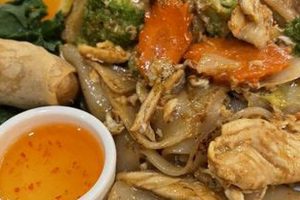
Thai noodle dishes, such as Pad Thai and Pad See Ew, exhibit a unique characteristic. The noodles themselves can absorb moisture and become soggy over time, affecting the texture and palatability of the dish. Moreover, the sauce and other ingredients can contribute to spoilage. While the safety of these dishes, when properly refrigerated, may extend to three to four days, the quality often diminishes significantly. Therefore, consuming noodle dishes sooner rather than later is generally recommended.
- Soups
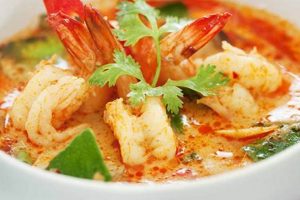
Thai soups, like Tom Yum and Tom Kha, are generally more resistant to spoilage due to their high liquid content and the presence of acidic ingredients, such as lime juice or lemongrass, which can inhibit bacterial growth. These soups can often be safely refrigerated for up to four days, but as with other dishes, factors such as ingredients and preparation methods remain critical determinants. Soups containing coconut milk or seafood may still warrant earlier consumption.
In conclusion, dish type exerts a distinct influence on the refrigerated shelf life of Thai food. Curries containing coconut milk tend to have shorter storage periods, stir-fries with protein require careful consideration of protein type and cooking method, noodle dishes can suffer from textural degradation, and soups generally exhibit greater resistance to spoilage. These dish-specific considerations, combined with proper handling, refrigeration, and timely consumption, are essential for ensuring food safety and maintaining the quality of leftover Thai cuisine.
Frequently Asked Questions
This section addresses common inquiries regarding the safe storage duration of Thai food in the refrigerator, providing concise answers based on established food safety guidelines.
Question 1: How long can Thai curry containing coconut milk be safely stored in the refrigerator?
Thai curries with coconut milk are best consumed within two to three days of refrigeration. The high fat content in coconut milk encourages faster bacterial growth compared to other ingredients.
Question 2: Can Thai stir-fries with meat or tofu be refrigerated for longer than three days?
Stir-fries with well-cooked meat or tofu can generally be refrigerated for three to four days. Ensure the dish was cooled quickly and stored in an airtight container to maximize its refrigerated lifespan. Dishes with seafood protein should be consumed sooner.
Question 3: What is the recommended storage time for Thai noodle dishes like Pad Thai or Pad See Ew?
Thai noodle dishes, while potentially safe for three to four days in the refrigerator, often experience a decline in texture and quality. Consuming these dishes within one to two days is recommended to preserve their original appeal.
Question 4: How long can Thai soups, such as Tom Yum or Tom Kha, be safely refrigerated?
Thai soups can typically be refrigerated for up to four days. However, variations in ingredients, such as coconut milk or seafood, may necessitate earlier consumption. Monitor for any signs of spoilage before consuming.
Question 5: Is it safe to eat refrigerated Thai food after five days if it looks and smells normal?
Consuming refrigerated Thai food after five days is not recommended, even if it appears and smells acceptable. Bacteria can grow to harmful levels without causing noticeable changes in appearance or odor.
Question 6: Does freezing Thai food extend its shelf life indefinitely?
Freezing Thai food significantly extends its shelf life but does not do so indefinitely. While freezing prevents bacterial growth, quality degradation can still occur over time. Most Thai dishes can be frozen for one to three months without significant loss of quality.
In summary, while various factors influence the refrigerated lifespan of Thai cuisine, adhering to recommended storage times and prioritizing food safety are paramount. Regular monitoring of food quality and discarding leftovers after the recommended timeframe minimizes the risk of foodborne illness.
The information provided offers general guidelines. Consult with a food safety expert or refer to local food safety regulations for specific recommendations.
Determining the Safe Storage Duration of Refrigerated Thai Cuisine
The preceding exploration has underscored the multifaceted nature of determining how long Thai food is good for in the fridge. Factors ranging from initial ingredient composition and preparation methods to storage container selection and refrigeration temperature collectively influence the potential for bacterial proliferation and subsequent spoilage. A consistent adherence to recommended storage guidelines, typically within a three-to-four-day window, is critical for mitigating the risk of foodborne illness. Deviations from these guidelines, particularly with dishes containing coconut milk or seafood, necessitate heightened scrutiny and potentially earlier consumption.
The responsibility for ensuring food safety rests ultimately with the individual consumer. Diligent application of the principles outlined herein, coupled with a proactive approach to monitoring food quality and discarding questionable leftovers, serves as the most effective strategy for safeguarding against potential health risks. Maintaining awareness and consistently implementing best practices in food handling and storage is paramount in preserving well-being.