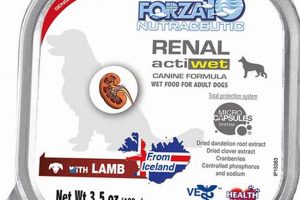
Dietary formulation created at home specifically to address canine hepatic dysfunction focuses on providing easily digestible nutrients while minimizing strain on the compromised organ. Such diets often incorporate lean proteins, moderate amounts of fats, and complex carbohydrates, carefully selected to support liver regeneration and function. The goal is to reduce the accumulation of toxins and waste products that the liver is unable to efficiently process.
Tailoring nutrition to the individual needs of a dog with hepatic compromise offers potential advantages over commercially prepared alternatives. Benefits may include improved palatability, enhanced control over ingredient quality and quantity, and the ability to address specific deficiencies or sensitivities. Historically, veterinarians have recommended dietary modifications as a cornerstone of managing canine hepatic conditions, recognizing the significant impact of nutrition on overall liver health and disease progression.
The subsequent sections will delve into essential considerations for creating appropriate meal plans, including key nutrient requirements, ingredient selection guidelines, potential risks and mitigation strategies, and the critical role of veterinary consultation in ensuring a balanced and therapeutic diet. Furthermore, practical recipes and feeding guidelines will be presented to assist caregivers in safely and effectively implementing this approach.
Essential Considerations
The following recommendations aim to provide guidance in formulating appropriate dietary regimens for canines diagnosed with hepatic disorders. Adherence to these guidelines, in conjunction with veterinary oversight, is crucial for optimizing therapeutic efficacy.
Tip 1: Prioritize Veterinary Consultation: Before initiating any dietary modification, consultation with a qualified veterinarian is paramount. A comprehensive assessment, including blood work and imaging, is necessary to accurately diagnose the specific hepatic condition and its severity.
Tip 2: Control Protein Intake: Select high-quality, easily digestible protein sources such as eggs, lean poultry, or fish. Moderation is key; excessive protein can exacerbate hepatic encephalopathy, while inadequate protein can hinder liver regeneration.
Tip 3: Moderate Fat Content: Opt for healthy fats, such as omega-3 fatty acids from fish oil, in moderate amounts. While fats provide energy, excessive intake can contribute to fat accumulation in the liver.
Tip 4: Emphasize Complex Carbohydrates: Incorporate readily digestible complex carbohydrates, such as cooked sweet potatoes or white rice. These provide a sustainable energy source while minimizing glucose fluctuations.
Tip 5: Supplement with Antioxidants: Consider supplementing with antioxidants, such as Vitamin E and Vitamin C, to combat oxidative stress within the liver. Consult with a veterinarian regarding appropriate dosages.
Tip 6: Monitor Mineral Levels: Pay close attention to mineral content, particularly copper and iron. In some hepatic conditions, copper accumulation is problematic, necessitating dietary restriction.
Tip 7: Ensure Adequate Fiber: Include moderate amounts of soluble fiber, such as psyllium husk, to aid in toxin excretion through the digestive tract.
Adherence to these dietary principles, under veterinary supervision, can significantly contribute to improved quality of life and prolonged survival for canines with hepatic compromise. Careful monitoring of clinical signs and regular veterinary follow-up are essential for optimizing treatment outcomes.
The subsequent section will address potential risks associated with home-prepared diets and strategies for minimizing these risks to ensure canine patient safety.
1. Protein Source

Protein source is a critical determinant of the efficacy of any dietary regimen designed for canines with hepatic disease. The canine liver plays a central role in protein metabolism, including the synthesis of essential proteins, detoxification of ammonia, and regulation of amino acid levels. When hepatic function is compromised, the liver’s ability to perform these functions diminishes, potentially leading to hyperammonemia, hepatic encephalopathy, and impaired protein synthesis. Therefore, the type and quantity of protein provided in home-prepared diets must be carefully considered to minimize metabolic strain while supporting liver regeneration. For example, using highly digestible proteins like eggs or lean poultry reduces the production of ammonia during digestion compared to less digestible protein sources like some red meats. This minimizes the risk of encephalopathy by decreasing the burden on the liver’s detoxification pathways.
The quality of the protein source directly impacts its digestibility and amino acid profile. Higher quality protein sources typically contain a more complete and balanced array of essential amino acids, which are crucial for liver cell repair and regeneration. In contrast, protein sources with poor digestibility or incomplete amino acid profiles may require the liver to work harder to process them, potentially exacerbating existing hepatic dysfunction. Furthermore, some commercial kibbles use lower quality proteins that can contribute to inflammation within the liver, negating the purpose of using a special diet in the first place. Consequently, home preparation allows for precise control over protein quality, ensuring the inclusion of sources that are both easily digestible and rich in essential amino acids.
In summary, protein source selection is a pivotal element in the formulation of home-prepared diets for canine hepatic disease. The use of highly digestible, high-quality protein sources minimizes metabolic stress, supports liver regeneration, and reduces the risk of complications such as hepatic encephalopathy. The ability to meticulously control protein source characteristics is a key advantage of home preparation, allowing for the tailoring of diets to the specific needs and tolerances of individual canine patients. Challenges include accurately calculating protein requirements and sourcing ingredients consistently, underscoring the necessity for ongoing veterinary consultation.
2. Fat Modulation

Fat modulation represents a critical component in the management of canine hepatic disease through home-prepared diets. Hepatic disorders frequently impair the liver’s capacity to efficiently process and metabolize lipids, leading to potential complications such as steatosis (fatty liver), impaired bile production, and exacerbated inflammation. The level and type of dietary fat, therefore, require careful adjustment to minimize hepatic workload and support optimal function.
A high-fat diet can overwhelm a compromised liver, contributing to further accumulation of triglycerides within hepatocytes and hindering its ability to perform essential functions like detoxification and protein synthesis. Conversely, insufficient fat intake can lead to inadequate energy intake, potentially resulting in muscle wasting and impaired healing. The optimal approach involves providing moderate quantities of easily digestible fats, such as medium-chain triglycerides (MCTs) or omega-3 fatty acids. For example, incorporating fish oil as a source of omega-3s can help reduce inflammation and support liver cell regeneration. Similarly, using coconut oil, which is rich in MCTs, can provide a readily available energy source that requires less hepatic processing compared to long-chain triglycerides. However, it is essential to monitor the dog’s response to these fat sources and adjust the quantity accordingly, as individual tolerances may vary.
In conclusion, fat modulation is an indispensable element in the creation of home-prepared diets for canines with hepatic compromise. Strategic selection and precise control over fat levels, with an emphasis on easily digestible and anti-inflammatory options, can significantly reduce hepatic strain and support overall health. Challenges include accurately determining the ideal fat intake for each dog’s specific condition and consistently sourcing high-quality ingredients. Continuous veterinary oversight and monitoring are essential to ensure the long-term safety and efficacy of this dietary approach.
3. Carbohydrate Selection

Carbohydrate selection is a foundational component in the formulation of home-prepared diets intended to manage canine hepatic disease. The liver plays a critical role in glucose metabolism; its dysfunction can manifest as impaired glucose storage, altered insulin sensitivity, and an increased susceptibility to hypoglycemia. Therefore, the type and source of carbohydrates included in the diet significantly influence glycemic control and overall hepatic health. Complex carbohydrates, such as cooked sweet potatoes or brown rice, provide a sustained release of glucose, minimizing abrupt fluctuations in blood sugar levels. These options are preferable to simple sugars, which can overwhelm the liver’s processing capacity and exacerbate metabolic imbalances. For example, feeding easily digestible complex carbohydrates supports the liver in maintaining stable energy levels without imposing undue metabolic strain.
Furthermore, the fiber content of selected carbohydrates influences the enterohepatic circulation of bile acids and the elimination of toxins. Soluble fiber, such as that found in oats or psyllium husk, binds to bile acids in the intestinal tract, promoting their excretion and reducing their reabsorption back into the liver. This process decreases the hepatic workload associated with bile acid recycling. Insoluble fiber, present in vegetables like green beans, adds bulk to the stool and supports regular bowel movements, facilitating the removal of waste products and minimizing the accumulation of toxins that might otherwise burden the liver. As an example, incorporating fiber-rich vegetables aids in toxin elimination and alleviates the strain on compromised hepatic function.
In summary, carbohydrate selection constitutes an essential consideration in crafting therapeutic home-prepared diets for dogs with hepatic disorders. The prioritization of complex carbohydrates and the inclusion of appropriate fiber types contribute to stable glycemic control, enhanced toxin elimination, and reduced hepatic strain. Challenges in implementing these principles include accurately assessing individual carbohydrate tolerances and ensuring balanced nutritional profiles. Continuous veterinary supervision and careful monitoring are imperative to optimize dietary efficacy and ensure canine patient safety.
4. Mineral Balance

Mineral balance is a critical consideration in home-prepared diets for canine hepatic disease. The compromised liver often exhibits impaired mineral metabolism, predisposing affected animals to deficiencies or toxicities. Precise control over mineral content becomes paramount to mitigate complications and support residual hepatic function. Imbalances, particularly concerning copper, iron, and zinc, can significantly exacerbate liver pathology. Copper storage disease, for instance, is a well-documented condition where copper accumulates in hepatocytes, leading to inflammation and necrosis. Therefore, dietary formulations for such cases necessitate strict copper restriction and, potentially, the inclusion of chelating agents. Conversely, some hepatic disorders may result in impaired iron absorption, requiring careful monitoring and potential supplementation.
Achieving appropriate mineral balance in home-prepared diets demands a comprehensive understanding of individual canine needs and the specific characteristics of the hepatic condition. Reliance solely on generalized recipes is insufficient; instead, a veterinarian should guide the formulation process, considering blood mineral levels and liver biopsy results. Regular monitoring of serum mineral concentrations is essential to identify and address any emerging imbalances proactively. Furthermore, the bioavailability of minerals in the diet is crucial. For example, minerals bound to phytates in certain plant-based ingredients may exhibit reduced absorption, necessitating adjustments in overall mineral content or the inclusion of specific mineral supplements.
In summary, maintaining proper mineral balance is an indispensable aspect of home-prepared diets for dogs with liver disease. Careful assessment of individual needs, precise control over dietary mineral composition, and regular monitoring are crucial for preventing complications and supporting optimal hepatic function. Challenges include the inherent variability in ingredient mineral content and the potential for interactions between different minerals. Consequently, stringent adherence to veterinary recommendations and diligent monitoring are essential for ensuring canine patient safety and maximizing the therapeutic potential of home-prepared diets.
5. Antioxidant Support
Antioxidant support constitutes a crucial element in the nutritional management of canine hepatic disease, particularly within the context of home-prepared diets. Hepatic dysfunction often leads to increased oxidative stress, damaging liver cells and impeding their regenerative capacity. A diet rich in antioxidants can mitigate this damage, supporting liver health and function.
- Vitamin E’s Hepatoprotective Role
Vitamin E, a fat-soluble antioxidant, protects cell membranes from lipid peroxidation, a process that damages cells via free radicals. In canine hepatic disease, increased levels of lipid peroxidation products are often observed. Supplementation with Vitamin E, at levels guided by veterinary assessment, can reduce cellular damage and support liver regeneration. For example, studies have shown improved liver enzyme levels in dogs with chronic hepatitis supplemented with Vitamin E.
- The Synergistic Effect of Vitamin C
Vitamin C, a water-soluble antioxidant, works synergistically with Vitamin E to combat oxidative stress. It regenerates Vitamin E after it neutralizes a free radical, effectively extending its antioxidant capacity. Furthermore, Vitamin C supports the immune system, which can be compromised in dogs with liver disease. Citrus fruits are often considered, but careful ingredient selection is required due to potential sensitivities.
- Selenium as a Cofactor in Antioxidant Enzymes
Selenium is an essential mineral and a cofactor for glutathione peroxidase, a critical enzyme in the body’s antioxidant defense system. Glutathione peroxidase neutralizes hydrogen peroxide, preventing the formation of more damaging free radicals. Ensuring adequate selenium intake supports this enzyme’s activity, enhancing overall antioxidant capacity.
- The Role of Flavonoids and Polyphenols
Flavonoids and polyphenols, found in various fruits and vegetables, possess potent antioxidant properties. They scavenge free radicals and may also exhibit anti-inflammatory effects. Incorporating moderate amounts of carefully selected vegetables, such as blueberries or artichokes, can contribute to antioxidant support, but it is important to consider potential interactions with other nutrients and the dog’s overall health status.
The integration of these antioxidant strategies within a home-prepared dietary plan necessitates careful consideration of individual canine needs, potential interactions between nutrients, and consistent veterinary oversight. The ultimate goal is to create a diet that effectively mitigates oxidative stress, supports liver health, and improves the overall well-being of the canine patient.
6. Veterinary Guidance

The formulation of home-prepared diets for canines diagnosed with hepatic disease necessitates stringent veterinary oversight. Hepatic disorders present with diverse etiologies and varying degrees of severity, requiring individualized nutritional plans to mitigate disease progression and optimize therapeutic outcomes. A veterinarian possesses the expertise to accurately diagnose the underlying cause of liver dysfunction, assess the extent of hepatic damage, and establish realistic treatment goals. Without such professional guidance, well-intentioned dietary modifications may inadvertently exacerbate the condition, leading to adverse consequences. For instance, a canine patient with copper storage disease requires a diet meticulously restricted in copper content. Incorrectly estimating copper levels in home-prepared meals, absent veterinary analysis and guidance, can contribute to further copper accumulation in the liver, accelerating hepatic damage.
Veterinary involvement extends beyond initial diagnosis and diet formulation. Regular monitoring of clinical signs, blood parameters (liver enzymes, bilirubin, ammonia levels), and, in some cases, repeat liver biopsies, are essential to assess the effectiveness of the dietary intervention and make necessary adjustments. Consider a scenario where a home-prepared diet, initially deemed suitable, leads to a progressive increase in serum liver enzyme levels. A veterinarian, through careful analysis of the dog’s clinical status and laboratory results, can identify potential issues, such as inadequate protein intake or the development of a concurrent medical condition, and modify the dietary plan accordingly. Furthermore, a veterinarian can guide caregivers through the practical challenges of ingredient sourcing, meal preparation, and gradual dietary transitions. They can also address caregiver concerns and provide ongoing support, enhancing adherence to the therapeutic plan.
In summary, veterinary guidance is an indispensable component of successful home-prepared dietary management for canine hepatic disease. It ensures accurate diagnosis, individualized diet formulation, ongoing monitoring, and timely adjustments, maximizing the potential for improved patient outcomes. The complexities of liver disease and nutritional requirements mandate a collaborative approach between caregivers and veterinary professionals to navigate the challenges and optimize the therapeutic benefits of this dietary strategy. Neglecting veterinary oversight introduces significant risks and undermines the potential efficacy of home-prepared diets.
Frequently Asked Questions
The following questions address common concerns regarding the use of home-prepared diets in the management of canine hepatic disease. The answers provided aim to offer clarity and emphasize the importance of professional veterinary guidance in this context.
Question 1: Is home-prepared diet inherently superior to commercial diets for canine liver disease?
A home-prepared diet is not automatically superior. The advantage lies in the ability to precisely control ingredients and nutrient ratios, potentially tailoring the diet to a dog’s specific needs. However, this requires in-depth knowledge of canine nutrition and hepatic disease, as well as veterinary oversight.
Question 2: Can a diet adequately address liver failure without medication?
Diet is a critical component of managing hepatic disease, but it rarely constitutes a standalone solution for liver failure. Medication is often necessary to address underlying causes, manage complications, and support liver function. Dietary changes complement, rather than replace, medical treatment.
Question 3: Are online recipes for home-prepared meals for liver disease reliably safe and effective?
The reliability of online recipes varies significantly. Many lack scientific validation and may not meet a dog’s specific nutritional requirements. Relying solely on online sources is strongly discouraged; professional veterinary guidance is essential to ensure safety and efficacy.
Question 4: What are the primary risks associated with improperly formulated homemade diets for liver disease?
Potential risks include nutrient deficiencies or excesses, imbalances in mineral ratios (e.g., copper accumulation), and the inclusion of ingredients that may exacerbate hepatic inflammation or encephalopathy. Such errors can worsen the condition and compromise the dog’s health.
Question 5: How frequently should a dog on a home-prepared diet for liver disease be evaluated by a veterinarian?
The frequency of veterinary evaluations depends on the severity and stability of the hepatic condition. Initially, frequent monitoring (e.g., every 2-4 weeks) is crucial to assess dietary response and make adjustments. As the condition stabilizes, less frequent evaluations (e.g., every 3-6 months) may suffice, but professional veterinary judgment must guide this decision.
Question 6: Can supplements safely compensate for deficiencies in a poorly balanced homemade diet for liver disease?
While targeted supplementation may address specific deficiencies, it cannot fully compensate for a fundamentally unbalanced diet. Attempting to correct imbalances through supplementation alone can lead to other nutritional complexities and may not effectively address the underlying issues. A properly formulated diet is the foundation, with supplements used judiciously under veterinary guidance.
The information above underscores the critical need for professional veterinary guidance in all aspects of home-prepared dietary management for canine hepatic disease. Without such guidance, significant risks exist, and the potential for therapeutic benefit is substantially diminished.
The subsequent section will address potential challenges and mitigation strategies for caregivers embarking on home-prepared diets for their canine companions with hepatic compromise.
Homemade Dog Food for Liver Disease
This exploration into homemade dog food for liver disease underscores the complexities inherent in managing canine hepatic dysfunction through dietary intervention. Key points include the necessity for precise nutrient control, the potential for adverse effects from improperly balanced diets, and the paramount importance of veterinary guidance. The creation of such specialized diets demands a thorough understanding of canine nutritional requirements, hepatic physiology, and the specific nuances of the individual animal’s condition.
Given the significant risks associated with poorly formulated diets, caregivers must prioritize collaboration with a qualified veterinarian to ensure both the safety and efficacy of any home-prepared plan. The well-being of the canine patient hinges on informed decisions, meticulous implementation, and continuous monitoring, highlighting the responsibility borne by those who choose this path.

![Cesar Dog Food: Is It Good for Dogs? [Review] | World’s Most Delicious Foods: Must-Try Dishes from Every Country](https://lisasfoods.com/wp-content/uploads/2026/05/th-276-300x200.jpg "Cesar Dog Food: Is It Good for Dogs? [Review] World’s Most Delicious Foods: Must-Try Dishes from Every Country")
![Best? Is Pure Harmony a Good Dog Food? [Review] | World’s Most Delicious Foods: Must-Try Dishes from Every Country](https://lisasfoods.com/wp-content/uploads/2026/05/th-271-300x200.jpg "Best? Is Pure Harmony a Good Dog Food? [Review] World’s Most Delicious Foods: Must-Try Dishes from Every Country")