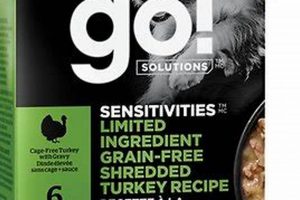
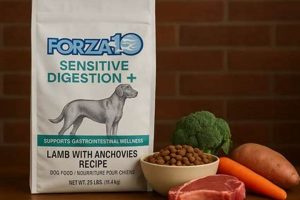
A nutritional plan for canines characterized by an elevated proportion of protein and a reduced quantity of carbohydrates. This dietary approach often emphasizes ingredients such as meat, poultry, fish, and eggs while minimizing grains, potatoes, and other carbohydrate-rich components. It aims to mimic the ancestral diet of dogs, which were primarily carnivores.
The primary rationale behind this type of feeding strategy is to support muscle development, energy levels, and overall health by utilizing protein as the main energy source rather than carbohydrates. Some proponents believe it can aid in weight management, improve glycemic control in diabetic dogs, and reduce the risk of certain health conditions associated with excessive carbohydrate intake. Its development has been influenced by evolving understandings of canine physiology and nutritional needs.
The subsequent sections will delve into the specific benefits, potential risks, ingredient considerations, and practical implementation of this specific feeding program for canine companions, offering insights for informed decision-making.
Guidance for Implementation
The following recommendations are intended to provide clarity on safely and effectively incorporating a dietary approach emphasizing protein and limiting carbohydrates into a canine’s nutritional regimen.
Tip 1: Consult a Veterinary Professional. Prior to implementing significant dietary changes, seek guidance from a veterinarian or a board-certified veterinary nutritionist. This consultation ensures the diet is appropriate for the dog’s age, breed, health status, and activity level.
Tip 2: Transition Gradually. Abrupt dietary shifts can lead to gastrointestinal upset. Introduce the new food gradually over a period of 7-10 days, progressively increasing the proportion of the new diet while decreasing the old.
Tip 3: Monitor Body Condition. Regularly assess the dog’s body condition score. Adjust feeding amounts to maintain an ideal weight, ensuring the dog is neither underweight nor overweight.
Tip 4: Prioritize High-Quality Protein Sources. Select foods that feature named animal protein sources (e.g., chicken, beef, salmon) as the primary ingredients. Avoid products with vague or unspecified protein sources.
Tip 5: Evaluate Carbohydrate Content. Scrutinize the ingredient list and guaranteed analysis to determine the carbohydrate content. Opt for foods with lower levels of grains, starches, and sugars.
Tip 6: Ensure Nutritional Completeness. Verify that the chosen food is formulated to meet the Association of American Feed Control Officials (AAFCO) nutrient profiles for the dog’s life stage (growth, adult maintenance, or all life stages). This ensures complete and balanced nutrition.
Tip 7: Observe for Adverse Reactions. Monitor the dog for any signs of adverse reactions, such as digestive upset, skin issues, or changes in energy levels. If any concerns arise, discontinue the new diet and consult a veterinarian.
Tip 8: Adjust Based on Activity Level. Active dogs may require a higher caloric intake to meet their energy demands. Adjust the feeding amounts accordingly, keeping a close eye on body condition.
Adhering to these guidelines can help maximize the potential benefits of this dietary strategy while minimizing potential risks.
The subsequent sections will explore specific ingredients and considerations for preparing meals at home, in addition to exploring commercially available options.
1. Muscle Mass Maintenance

Adequate protein intake is intrinsically linked to muscle mass maintenance in canines. Protein provides the essential amino acids required for the synthesis and repair of muscle tissue. A diet deficient in protein can lead to muscle atrophy, reduced strength, and impaired metabolic function. Consequently, a dietary approach focusing on high protein, coupled with reduced carbohydrates, prioritizes the provision of these vital building blocks, fostering an environment conducive to preserving and potentially increasing lean muscle mass.
Consider, for example, the case of a working dog, such as a herding breed or a search and rescue canine. These animals require significant muscle strength and endurance to perform their duties effectively. A diet rich in protein supports the demands placed on their musculoskeletal system, enabling them to maintain their physical capabilities. In contrast, a diet relying heavily on carbohydrates for energy may not provide sufficient protein to sustain muscle mass, potentially leading to decreased performance and increased risk of injury.
In conclusion, the provision of adequate protein, facilitated by a dietary framework that also limits carbohydrates, directly influences the maintenance of muscle mass in canines. This understanding is of practical significance for maintaining the physical well-being, performance capabilities, and overall health of dogs across various life stages and activity levels, but particularly for active and working breeds. However, a careful adjustment of the protein ratio is important, because excessive levels of protein can create kidney conditions.
2. Glycemic Control Benefits

The management of blood glucose levels, or glycemic control, assumes critical importance in canine nutrition, particularly in the context of dietary strategies emphasizing high protein and reduced carbohydrates. This approach can have profound effects on insulin sensitivity and overall metabolic health, especially in dogs predisposed to or diagnosed with diabetes mellitus.
- Reduced Postprandial Glucose Spike
A diet lower in carbohydrates and higher in protein generally results in a blunted postprandial glucose spike. This means that after eating, the dog’s blood sugar level does not rise as sharply compared to when consuming a carbohydrate-rich meal. The slower, more gradual absorption of glucose from protein and fat sources helps stabilize blood sugar levels, reducing the burden on the pancreas to release insulin.
- Improved Insulin Sensitivity
Chronic exposure to high levels of glucose can lead to insulin resistance, where the body’s cells become less responsive to the effects of insulin. By minimizing carbohydrate intake and relying more on protein and fats for energy, the cells can regain sensitivity to insulin over time. Improved insulin sensitivity allows glucose to be more effectively utilized by cells, further contributing to blood sugar regulation.
- Management of Diabetes Mellitus
For diabetic dogs, a dietary strategy characterized by higher protein and lower carbohydrates can be a valuable tool in managing the disease. By reducing the carbohydrate load, the amount of exogenous insulin required to maintain normal blood sugar levels may be reduced. This can simplify insulin management and potentially lower the risk of hypoglycemic episodes. This is not a standalone treatment and MUST be combined with insulin therapy if this has been recommended by a veterinarian.
- Weight Management
Obesity often exacerbates insulin resistance and metabolic dysfunction. Diets emphasizing protein and limiting carbohydrates can promote weight loss and lean muscle mass development. This, in turn, can improve insulin sensitivity and glycemic control, creating a positive feedback loop for overall metabolic health. Increased protein content can help the dog feel fuller for longer, helping prevent overeating.
In summary, the glycemic control benefits derived from a diet high in protein and low in carbohydrates are multifaceted, impacting postprandial glucose spikes, insulin sensitivity, diabetes management, and weight regulation. These combined effects underscore the potential of this dietary approach to enhance canine metabolic health, particularly in those with compromised glucose tolerance. Such a diet must only be followed with the express guidance of a veterinarian or veterinary nutritionist.
3. Appropriate Protein Sources

The efficacy of a high-protein, low-carbohydrate dietary regimen for canines is intrinsically linked to the selection of suitable protein sources. The term “high-protein” is insufficient without considering the quality and digestibility of the protein provided. Protein sources must supply an adequate profile of essential amino acids, which are the building blocks the canine body cannot synthesize on its own. Deficiencies in one or more of these amino acids can compromise muscle development, immune function, and overall health, even if the total protein intake is nominally high. Therefore, appropriate protein sources form a cornerstone of a nutritionally sound high-protein, low-carbohydrate diet.
Consider, for instance, a diet relying heavily on plant-based protein isolates. While the overall protein content may meet the requirements of a “high-protein” diet, the amino acid profile may be incomplete or less bioavailable compared to animal-derived proteins. For example, plant proteins may be deficient in taurine, an amino acid crucial for cardiac function in dogs. Conversely, a diet formulated with high-quality animal proteins, such as chicken, beef, fish, or eggs, provides a more complete and readily digestible source of essential amino acids. These protein sources support muscle maintenance, tissue repair, and enzyme production, thereby enhancing the benefits of a reduced-carbohydrate approach. Practical application necessitates careful label reading and an understanding of protein bioavailability. The inclusion of multiple high-quality protein sources is generally preferable to relying on a single source, ensuring a comprehensive amino acid profile.
In conclusion, the selection of appropriate protein sources is not merely a supplementary consideration, but a fundamental determinant of the success and safety of a high-protein, low-carbohydrate canine diet. It is of paramount importance that the chosen protein sources are both high in quantity and quality, providing a complete array of essential amino acids in a bioavailable form. A failure to prioritize appropriate protein sources undermines the intended benefits of the diet and may lead to adverse health consequences. Consultation with a veterinary nutritionist is recommended to ensure optimal protein source selection and diet formulation.
4. Optimal fat inclusion

In the context of a canine dietary strategy that emphasizes high protein and limits carbohydrates, the inclusion of an optimal quantity of fat is not merely a supplementary element, but rather a critical determinant of its overall effectiveness and nutritional balance. Fat serves as a concentrated source of energy, becoming particularly important when carbohydrate intake is restricted. Without adequate fat, the body may catabolize protein for energy, thereby undermining the protein’s primary function in muscle maintenance and repair. Furthermore, fats play a vital role in the absorption of fat-soluble vitamins (A, D, E, and K) and provide essential fatty acids (EFAs), such as omega-3 and omega-6, which are crucial for skin and coat health, immune function, and cognitive performance. Therefore, the careful inclusion of fat is not an optional consideration, but an integral component of a properly formulated high-protein, low-carbohydrate diet.
Consider the example of a sled dog participating in endurance races. These canines require an exceptionally high caloric intake to sustain their energy expenditure. A diet deficient in fat, even if high in protein, would fail to meet their energy demands, leading to weight loss, fatigue, and impaired performance. In contrast, a diet with adequate fat allows them to efficiently utilize fat as the primary fuel source, sparing protein for its anabolic functions. The type of fat included is also critical; sources rich in EFAs, such as fish oil or flaxseed oil, provide additional benefits beyond energy provision. Practical considerations involve careful monitoring of stool consistency and body condition, as excessive fat intake can lead to digestive upset, while insufficient fat can result in weight loss and dry skin. Careful adjustment and adaptation is very important.
In summary, optimal fat inclusion is not merely a secondary consideration in a high-protein, low-carbohydrate canine dietary plan, but an essential component for energy provision, nutrient absorption, and overall health maintenance. Failure to adequately address fat requirements can negate the intended benefits of the diet and potentially lead to adverse health outcomes. Therefore, careful attention to the quantity, quality, and source of fat is paramount when formulating this type of dietary regimen for canines. Consultation with a veterinary nutritionist is advisable to ensure that fat inclusion is optimized for the individual dog’s needs and circumstances.
5. Veterinary oversight essential

The implementation of a high-protein, low-carbohydrate canine dietary regimen without veterinary supervision poses significant risks to the animal’s health and well-being. This stems from the inherent complexities of canine nutritional physiology and the potential for unforeseen consequences when altering macronutrient ratios. A veterinarian’s expertise is crucial in assessing the suitability of this dietary approach for an individual dog, considering factors such as age, breed, activity level, pre-existing medical conditions, and current medication regimens. Attempting to implement such a diet without professional guidance can inadvertently exacerbate underlying health issues or create new ones. For example, dogs with pre-existing kidney disease may experience further renal compromise due to the increased nitrogenous waste produced from protein metabolism. Furthermore, a blanket application of this dietary approach disregards individual metabolic needs and potential nutrient imbalances, potentially resulting in deficiencies or excesses of essential vitamins and minerals. The guidance of a veterinarian is an essential safeguard in the adoption of this dietary strategy.
A practical example illustrates the importance of veterinary oversight. Consider a senior dog with osteoarthritis. While a high-protein, low-carbohydrate diet may seem beneficial for weight management and muscle maintenance, it could inadvertently interact with non-steroidal anti-inflammatory drugs (NSAIDs) commonly prescribed for pain relief. Some NSAIDs are metabolized in the liver, and a high-protein diet may alter hepatic enzyme activity, affecting drug efficacy or increasing the risk of adverse effects. A veterinarian can assess the potential for such interactions and adjust the diet or medication regimen accordingly. Additionally, veterinary professionals can perform routine blood work to monitor kidney function, liver enzymes, and electrolyte balance, allowing for early detection of any adverse effects from the dietary change. It must be stressed that there is no one size fits all approach to diet and veterinary expertise is critical to tailor the optimal approach.
In conclusion, veterinary oversight is not merely a recommended precaution, but a fundamental prerequisite for the safe and effective implementation of a high-protein, low-carbohydrate diet in canines. The potential risks associated with this dietary approach, ranging from exacerbating underlying medical conditions to creating nutrient imbalances and drug interactions, necessitate the expertise of a qualified veterinary professional. Ignoring this imperative can compromise the dog’s health and well-being, underscoring the vital role of veterinary supervision in all aspects of canine nutrition.
Frequently Asked Questions
The following section addresses common inquiries regarding a high-protein, low-carbohydrate dietary approach for canines. The aim is to clarify misconceptions and provide evidence-based information.
Question 1: Is a high-protein, low-carbohydrate diet inherently superior to other feeding strategies for all dogs?
No. The suitability of a high-protein, low-carbohydrate diet varies depending on individual factors such as age, breed, activity level, and pre-existing health conditions. A veterinarian’s assessment is crucial to determine its appropriateness.
Question 2: Can a high-protein, low-carbohydrate diet cause kidney damage in healthy dogs?
In healthy dogs with normal kidney function, a high-protein diet is not typically associated with kidney damage. However, dogs with pre-existing kidney disease may require a modified protein intake, necessitating veterinary guidance.
Question 3: Are all commercially available “high-protein” dog foods suitable for a low-carbohydrate dietary approach?
Not necessarily. The total carbohydrate content must be evaluated independently of the protein level. Careful examination of the ingredient list and guaranteed analysis is essential to determine the carbohydrate content.
Question 4: What are the potential risks of feeding a high-protein, low-carbohydrate diet to a growing puppy?
Improperly formulated high-protein, low-carbohydrate diets may not provide the balanced nutrition required for optimal growth and development in puppies. Calcium-to-phosphorus ratios and overall mineral content are of particular concern, requiring careful formulation and veterinary monitoring.
Question 5: Can a high-protein, low-carbohydrate diet cure diabetes in dogs?
A high-protein, low-carbohydrate diet can assist in managing diabetes by improving glycemic control, but it is not a cure. Insulin therapy and veterinary monitoring remain essential components of diabetes management.
Question 6: Are grain-free diets automatically low in carbohydrates?
No. Grain-free diets may still contain high levels of carbohydrates from other sources, such as potatoes, peas, or tapioca. Carbohydrate content must be assessed independently of the presence or absence of grains.
In conclusion, a high-protein, low-carbohydrate dietary approach for canines necessitates careful consideration of individual factors, protein quality, carbohydrate content, and potential risks. Veterinary supervision is paramount to ensure safety and efficacy.
The following section will explore specific ingredient choices and formulation strategies for creating high-protein, low-carbohydrate diets.
High Protein Low Carb Dog Food Diet
This exploration of the “high protein low carb dog food diet” has underscored its multifaceted nature. The critical roles of muscle maintenance, glycemic control, and appropriate protein sources were emphasized, alongside the necessity of optimal fat inclusion and veterinary oversight. The information presented aims to provide a comprehensive understanding of this dietary approach, moving beyond simplistic notions to highlight the nuances that influence its effectiveness and safety.
The decision to implement a “high protein low carb dog food diet” should be approached with diligence and a commitment to informed decision-making. Prioritizing veterinary consultation, carefully evaluating ingredient composition, and diligently monitoring the animal’s health are paramount. The long-term implications of dietary choices demand responsible and evidence-based practices, securing canine well-being.
![Nutro: Best Small Breed Dog Food [Expert Tips] | World’s Most Delicious Foods: Must-Try Dishes from Every Country](https://lisasfoods.com/wp-content/uploads/2026/05/th-346-300x200.jpg "Nutro: Best Small Breed Dog Food [Expert Tips] World’s Most Delicious Foods: Must-Try Dishes from Every Country")