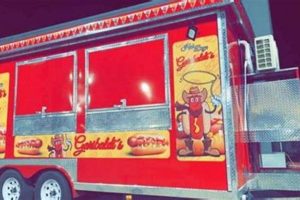
The receptacle utilized within a mobile food vending unit to collect wastewater from handwashing sinks, dishwashing sinks, and other non-toilet plumbing fixtures is a critical component of its sanitation system. This holding system prevents the discharge of potentially contaminated water onto public or private property, maintaining hygienic standards for food preparation and service. It is a vital part of a self-contained unit, allowing for operation in locations lacking direct sewer connections. An example is a portable food establishment operating at a festival or event, where wastewater is collected and later disposed of at an approved facility.
Proper wastewater management within mobile food businesses offers numerous benefits, including compliance with health regulations and the prevention of environmental contamination. Historically, inadequate disposal practices have led to public health concerns and environmental damage. The implementation of standardized holding systems has mitigated these risks, enabling the safe and sustainable operation of mobile food vendors. A correctly sized and maintained receptacle contributes to a positive public image for the vendor and the industry as a whole.
The following sections will delve into the regulations governing these systems, the various types available, proper maintenance procedures, and best practices for safe and environmentally responsible wastewater disposal. Understanding these elements is crucial for any food truck operator seeking to maintain a compliant and successful business.
Essential Guidelines for Wastewater Management in Mobile Food Units
The following guidelines address key aspects of managing wastewater generated by mobile food vending units, ensuring compliance and promoting environmentally responsible practices.
Tip 1: Capacity Planning: Assess the volume of wastewater generated based on the food truck’s menu, estimated customer traffic, and handwashing requirements. Select a holding receptacle with sufficient capacity to accommodate this volume between disposal cycles. Insufficient capacity can lead to overflow and potential health hazards.
Tip 2: Material Selection: Choose a durable, food-grade material for the holding receptacle. Options include polyethylene or stainless steel. These materials are resistant to corrosion, easy to clean, and prevent contamination of the wastewater. Regular inspection for cracks or leaks is essential.
Tip 3: Secure Installation: Ensure the holding receptacle is securely mounted within the food truck to prevent movement or spillage during transit. Use appropriate mounting brackets and restraints that comply with relevant safety standards. Proper installation minimizes the risk of accidents and environmental contamination.
Tip 4: Proper Venting: Install a venting system to allow air to escape as wastewater enters the receptacle, preventing pressure buildup and odors. The vent should be screened to prevent the entry of insects and debris. A properly vented receptacle improves sanitation and reduces the risk of explosions or structural damage.
Tip 5: Regular Cleaning: Establish a routine cleaning schedule for the holding receptacle. Use a food-grade sanitizer to disinfect the interior surface, removing any buildup of grease or food particles. Regular cleaning prevents the growth of bacteria and maintains sanitary conditions.
Tip 6: Legal Disposal: Wastewater must be disposed of at an approved wastewater treatment facility or designated disposal site. Documentation of proper disposal may be required by local health authorities. Avoid illegal dumping, which can result in fines and legal penalties.
Tip 7: Record-Keeping: Maintain accurate records of wastewater disposal, including dates, locations, and quantities disposed of. These records may be required for inspection purposes and can demonstrate compliance with environmental regulations. Detailed records also assist in optimizing the holding receptacle size and disposal frequency.
Adherence to these guidelines will facilitate safe, compliant, and environmentally sound wastewater management within mobile food vending operations. Consistent implementation contributes to public health and protects the environment.
The following sections will delve into specific considerations for selecting the appropriate holding receptacle, implementing effective cleaning protocols, and navigating the regulatory landscape.
1. Capacity Requirements

The sizing of wastewater holding systems is a critical consideration for mobile food vending units. Insufficient capacity leads to operational disruptions, while excessive capacity adds unnecessary weight and cost. Determining appropriate capacity involves careful analysis of various operational factors.
- Menu Complexity and Water Usage
Elaborate menus involving extensive washing and preparation processes generate greater volumes of wastewater. Food trucks specializing in fried items, for example, may require less washing than those preparing fresh produce. An accurate assessment of water usage for food preparation and cleaning is essential for determining the necessary holding capacity.
- Handwashing Frequency and Regulations
Health regulations mandate frequent handwashing by food handlers. The number of employees, customer volume, and specific food safety protocols all influence handwashing frequency. Holding systems must accommodate the wastewater generated by handwashing, ensuring compliance with hygiene standards and preventing the spread of pathogens.
- Dishwashing Volume and Equipment
The type of dishwashing equipment and the volume of dishes, utensils, and cookware cleaned impact wastewater generation. High-volume operations may benefit from water-efficient dishwashing systems to minimize wastewater production. The size of the holding receptacle must be adequate to handle the anticipated dishwashing wastewater volume.
- Operational Hours and Disposal Frequency
Extended operational hours increase the cumulative wastewater volume. The availability of disposal facilities and the frequency of disposal cycles influence the required holding capacity. Longer intervals between disposal necessitate larger holding systems to prevent overflows and maintain sanitary conditions. Coordination with disposal services is essential for effective wastewater management.
Effective capacity planning for wastewater holding systems minimizes operational disruptions, ensures regulatory compliance, and promotes sustainable waste management practices within mobile food vending operations. Neglecting these factors can lead to health hazards, environmental concerns, and legal ramifications.
2. Material Composition

The material composition of a wastewater holding receptacle directly influences its suitability for use in a mobile food vending unit. The selection of materials affects durability, sanitation, and compliance with health regulations. For example, a holding receptacle constructed of porous or non-food-grade plastic can harbor bacteria and leach harmful chemicals into the wastewater, posing a risk of contamination. Conversely, using materials resistant to corrosion, such as stainless steel or certain types of polyethylene, mitigates these risks, ensuring the integrity of the stored wastewater and preventing environmental contamination due to leaks or degradation.
The practical significance of understanding material composition is evident in the stringent requirements set forth by health departments. Many jurisdictions mandate the use of food-grade materials that are easily cleanable and resistant to chemical degradation from cleaning agents. Neglecting these requirements can result in failed inspections and operational shutdowns. Moreover, the longevity of the holding receptacle is directly tied to its material. A holding receptacle constructed from a low-quality, brittle plastic is more susceptible to cracking and leaking under the stress of constant movement and temperature fluctuations within a food truck environment. This leads to costly repairs and potential environmental hazards.
In summary, the selection of appropriate materials for wastewater holding receptacles is paramount for ensuring food safety, maintaining operational efficiency, and adhering to regulatory standards. Challenges may arise in balancing cost considerations with the long-term benefits of durable, food-grade materials. However, prioritizing material quality is a necessary investment for any mobile food vendor committed to responsible and sustainable business practices. This ultimately contributes to a positive public perception and minimizes the risk of costly violations or health-related incidents.
3. Regulatory Compliance

Adherence to regulatory standards is paramount for the operation of a food truck equipped with a wastewater holding system. These regulations, typically enforced by local health departments, dictate specifications for tank capacity, construction materials, installation procedures, and disposal methods. Non-compliance can result in fines, operational shutdowns, and potential legal repercussions. The purpose of these regulations is to safeguard public health and prevent environmental contamination from improperly managed wastewater.
The dimensions of the holding system are directly influenced by regulatory requirements pertaining to minimum capacity, which is calculated based on factors such as the number of sinks, anticipated water usage, and operational hours. Regulations also stipulate the use of approved materials, such as food-grade plastics or stainless steel, to prevent the leaching of harmful substances into the wastewater. Proper installation, including secure mounting and adequate venting, is mandated to prevent spills and the buildup of dangerous gases. Moreover, approved disposal methods, often requiring disposal at designated wastewater treatment facilities, are essential to prevent the contamination of waterways and soil. For example, a food truck operating without a properly sized and certified wastewater tank may face immediate closure by health inspectors.
In summary, regulatory compliance is an indispensable component of operating a food truck with a wastewater holding system. It ensures adherence to safety and environmental standards, protects public health, and safeguards the operator from legal and financial penalties. Challenges may arise in navigating the complex and varying regulations across different jurisdictions, but proactive engagement with local health departments and a commitment to best practices are crucial for sustained and responsible operation. Prioritizing compliance not only fulfills legal obligations but also fosters a reputation for safety and reliability, enhancing the long-term viability of the business.
4. Disposal Procedures

Proper wastewater disposal is a critical component of operating a food truck equipped with a holding receptacle. Inadequate disposal practices pose significant risks to public health and the environment, while adherence to prescribed procedures ensures responsible and compliant operation.
- Designated Disposal Sites
Wastewater must be disposed of at approved facilities, typically wastewater treatment plants or designated collection points. These facilities are equipped to handle the treatment and safe disposal of wastewater, preventing contamination of natural water sources and soil. Unauthorized disposal, such as dumping into storm drains or onto the ground, is illegal and carries significant penalties.
- Documentation and Record-Keeping
Accurate documentation of disposal activities is essential for demonstrating compliance with regulatory requirements. Records should include the date, location, and volume of wastewater disposed of, as well as the name of the disposal facility. These records may be subject to inspection by health officials, and their absence can result in fines or operational restrictions.
- Wastewater Handling Protocols
Safe handling protocols must be implemented to prevent spills and exposure during the disposal process. Operators should use appropriate equipment, such as hoses and pumps, to transfer wastewater from the holding receptacle to the disposal facility. Personal protective equipment, including gloves and eye protection, should be worn to minimize the risk of contact with potentially contaminated wastewater.
- Grease Management
Grease traps or interceptors may be required to prevent grease from entering the wastewater system. Grease can clog pipes and disrupt the treatment process at wastewater treatment plants. Regular cleaning and maintenance of grease traps are essential for ensuring their effectiveness and preventing costly repairs to the wastewater disposal system.
The implementation of proper disposal procedures is not only a legal requirement but also a fundamental aspect of responsible food truck operation. By adhering to these guidelines, operators can minimize their environmental impact, protect public health, and ensure the long-term sustainability of their business.
5. Maintenance Protocols

The implementation of robust maintenance protocols is crucial for ensuring the longevity, sanitary operation, and regulatory compliance of a wastewater holding system in a mobile food vending unit. Neglecting regular maintenance can lead to system failures, health hazards, and costly repairs, ultimately impacting the viability of the food truck business.
- Routine Cleaning and Sanitization
Regular cleaning and sanitization of the holding receptacle are essential for preventing the buildup of grease, food particles, and bacteria. This involves flushing the tank with a sanitizing solution after each use or at regular intervals, depending on the volume of wastewater generated. Failure to clean the tank regularly can lead to the formation of biofilms, which can harbor pathogens and create offensive odors. For instance, a food truck preparing greasy foods may require more frequent cleaning to prevent clogs and maintain sanitary conditions.
- Leak Detection and Repair
Regular inspection for leaks is critical for preventing environmental contamination and water loss. This involves visually inspecting the tank, fittings, and connections for any signs of cracks, corrosion, or seepage. Even small leaks can lead to significant water loss over time and may indicate more serious structural issues. Prompt repair of leaks is essential for maintaining the integrity of the wastewater management system. An example would be checking the tank after each trip to ensure that the vibration of the truck has not caused any connections to come loose.
- Ventilation System Maintenance
The ventilation system allows air to escape as wastewater enters the tank, preventing pressure buildup and odors. The vent should be inspected regularly to ensure it is free from obstructions, such as debris or insects. A clogged vent can cause pressure imbalances that damage the tank or release unpleasant odors into the food truck. Regular cleaning of the vent screen is necessary to maintain proper airflow. For example, the buildup of grease vapor can block the vent preventing its function.
- Grease Trap Maintenance
If the food truck is equipped with a grease trap, regular maintenance is essential for preventing grease from entering the wastewater system. This involves removing accumulated grease and solids from the trap at regular intervals. Neglecting grease trap maintenance can lead to clogs in the tank, plumbing, and disposal system, resulting in costly repairs and potential environmental damage. The frequency of grease trap maintenance will depend on the volume of grease generated by the food truck’s operations.
Effective maintenance protocols are not merely a matter of best practices but a necessity for ensuring the safe, sanitary, and compliant operation of a wastewater holding system in a mobile food vending unit. By investing in regular maintenance, food truck operators can minimize the risk of system failures, protect public health, and ensure the long-term sustainability of their business.
Frequently Asked Questions
This section addresses common inquiries regarding wastewater holding systems in mobile food vending units. Understanding these aspects is crucial for compliant and sustainable operations.
Question 1: What constitutes “grey water” in the context of a food truck?
In the context of mobile food vending, “grey water” refers to wastewater generated from handwashing sinks, dishwashing sinks, and food preparation sinks. It excludes toilet waste (black water).
Question 2: What are the typical capacity requirements for a wastewater holding system in a food truck?
Capacity requirements vary based on the food truck’s menu, number of employees, and operational hours. Local regulations often dictate minimum capacity requirements, typically ranging from 20 to 50 gallons.
Question 3: What materials are approved for the construction of wastewater holding systems in food trucks?
Approved materials typically include food-grade plastics (e.g., polyethylene) and stainless steel. These materials are durable, corrosion-resistant, and easily sanitized.
Question 4: How often should a wastewater holding system be emptied?
The frequency of emptying depends on the tank’s capacity and the volume of wastewater generated. Regular monitoring of the tank level is recommended, and emptying should occur before the tank reaches capacity.
Question 5: Where is wastewater from a food truck legally disposed of?
Wastewater must be disposed of at approved facilities, such as wastewater treatment plants or designated disposal sites. Illegal dumping can result in fines and legal penalties.
Question 6: What are the key maintenance requirements for a wastewater holding system in a food truck?
Key maintenance requirements include regular cleaning and sanitization of the tank, inspection for leaks, and maintenance of the ventilation system. Grease traps, if installed, must also be regularly cleaned.
Adherence to these guidelines is essential for ensuring compliant and environmentally responsible operation of food trucks. Ignoring proper wastewater management can lead to serious consequences.
The next section will explore advanced strategies for optimizing wastewater management in mobile food vending operations.
Grey Water Tank Food Truck
This exploration has underscored the significance of a “grey water tank food truck” system within mobile food vending. Key considerations encompass capacity planning, material selection, regulatory adherence, appropriate disposal procedures, and consistent maintenance protocols. Neglecting any of these areas presents tangible risks to public health, environmental integrity, and sustained business viability.
The ongoing evolution of environmental regulations and increasing public awareness necessitate a proactive approach to wastewater management. Continued diligence in implementing best practices and embracing innovative technologies will be essential for ensuring the long-term sustainability and responsible operation of mobile food businesses. The commitment to proper wastewater handling is not merely a legal obligation but a fundamental responsibility.