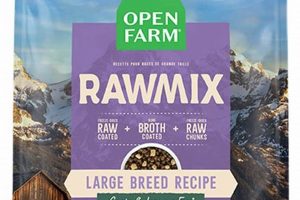
Diets formulated without cereal grains and avian-derived ingredients represent a specialized category within canine nutrition. These formulations cater to dogs with specific sensitivities or allergies. An example would be a kibble blend composed of novel proteins like fish or lamb, combined with alternative carbohydrate sources such as sweet potatoes or peas, excluding common grains like wheat, corn, and rice, and avoiding ingredients derived from chicken, turkey, or duck.
The significance of these diets lies in their potential to alleviate adverse reactions in susceptible animals. Elimination of common allergenic ingredients can lead to improvements in skin health, digestive function, and overall well-being. Historically, such restricted diets were primarily prescribed by veterinarians for diagnostic purposes or therapeutic management of confirmed food sensitivities. However, increasing awareness among pet owners has led to wider adoption as a proactive dietary choice.
The following sections will delve into the rationale behind selecting this type of diet, examine the ingredients typically included and excluded, and discuss potential advantages and considerations for optimal canine health.
Guidance for Selecting Grain-Free, Poultry-Free Canine Diets
The following provides guidance for choosing appropriate nutrition when cereal grains and avian-derived ingredients are to be avoided. Careful consideration should be given to each factor to ensure the selected diet meets the individual dog’s needs.
Tip 1: Consult with a Veterinarian. Veterinary consultation is recommended prior to initiating significant dietary alterations. A veterinary professional can assess the dog’s individual health status, identify potential sensitivities, and guide the selection of an appropriate nutritional profile.
Tip 2: Scrutinize Ingredient Lists. Thoroughly review the ingredient list of potential products. Ensure the absence of all cereal grains, including but not limited to wheat, corn, rice, barley, and oats. Verify that all avian-derived components, such as chicken, turkey, duck, eggs, and poultry by-products, are also excluded.
Tip 3: Prioritize Novel Protein Sources. Opt for diets featuring novel protein sources that the dog has not previously been exposed to. Examples include fish (salmon, whitefish), lamb, venison, rabbit, or kangaroo. These protein sources are less likely to trigger allergic reactions in dogs with food sensitivities.
Tip 4: Evaluate Carbohydrate Sources. Assess the carbohydrate sources used in the formulation. Common alternatives to grains include sweet potatoes, potatoes, peas, lentils, and tapioca. Ensure the selected carbohydrates are easily digestible for the individual dog.
Tip 5: Consider Life Stage and Activity Level. Select a diet formulated to meet the dog’s specific life stage (puppy, adult, senior) and activity level. Nutrient requirements vary depending on these factors, and choosing an appropriate formulation is crucial for maintaining optimal health.
Tip 6: Monitor for Improvements and Adverse Reactions. Closely monitor the dog’s response to the new diet. Look for improvements in skin health, digestive function, and overall well-being. Be vigilant for any signs of adverse reactions, such as vomiting, diarrhea, or increased itching.
Tip 7: Introduce the New Food Gradually. A gradual transition to the new diet over a period of 7-10 days is advisable. This allows the dog’s digestive system to adjust to the new ingredients and minimizes the risk of gastrointestinal upset.
These guidelines emphasize the importance of careful ingredient scrutiny, veterinary guidance, and individualized assessment when selecting a grain-free, poultry-free diet for canines. Adherence to these principles supports optimal nutrition and health management.
The next section will address potential drawbacks or considerations associated with these specialized diets, promoting a balanced understanding of their role in canine nutrition.
1. Ingredient Sourcing

The quality and origin of ingredients in grain-free, poultry-free canine diets are of paramount importance. The absence of common allergens like grains and poultry necessitates the use of alternative ingredients, and the sourcing of these substitutes directly impacts the nutritional value, safety, and sustainability of the final product. For instance, a fish-based diet relies heavily on the source of the fish. Sustainably harvested wild-caught salmon, verified for heavy metal content and sourced from reputable fisheries, provides a significantly superior nutritional profile compared to farmed fish raised with antibiotics and potentially contaminated with pollutants.
Similarly, the source of carbohydrate alternatives such as sweet potatoes or lentils influences the diet’s overall quality. Organically grown sweet potatoes from certified farms, free from pesticides and herbicides, offer a healthier option compared to conventionally grown produce exposed to chemical treatments. Transparency regarding ingredient sourcing practices is therefore crucial. Reputable manufacturers often provide detailed information about their suppliers, certifications, and quality control measures, allowing consumers to make informed decisions based on verifiable data. An example of a good sourcing practice is a meat source from US farms over a meat source from China.
In conclusion, ingredient sourcing is an indispensable element of high-quality grain-free, poultry-free canine nutrition. Careful consideration of ingredient origins, sustainability practices, and manufacturer transparency ensures a nutritionally sound and safe diet for sensitive dogs. Without rigorous ingredient sourcing, the potential benefits of avoiding grains and poultry are diminished, potentially compromising canine health and well-being.
2. Nutritional Adequacy

The inherent characteristic of grain-free, poultry-free canine diets to exclude common ingredient groups necessitates a heightened focus on nutritional adequacy. Removing grains and poultry can inadvertently lead to nutrient imbalances if alternative ingredients are not carefully selected and properly formulated. A complete and balanced diet must provide all essential nutrients, including protein, fats, carbohydrates, vitamins, and minerals, in appropriate proportions to meet the dog’s physiological needs. Simply eliminating ingredients without considering the nutritional consequences can result in deficiencies or excesses, potentially causing adverse health effects.
To ensure nutritional adequacy, grain-free, poultry-free formulations must rely on alternative protein sources, such as fish, lamb, or novel proteins like venison or rabbit. These protein sources must be present in sufficient quantity and quality to meet the dog’s amino acid requirements. Similarly, carbohydrate sources like sweet potatoes, peas, or lentils must provide adequate energy while also contributing essential fiber and micronutrients. The diet must also be carefully supplemented with vitamins and minerals to compensate for any potential deficiencies resulting from the exclusion of grains and poultry. One real-world example: a homemade grain-free, poultry-free diet lacking sufficient taurine, which is often found in poultry, can predispose a dog to dilated cardiomyopathy, a serious heart condition.
Therefore, verifying that a grain-free, poultry-free diet meets the Association of American Feed Control Officials (AAFCO) nutrient profiles for the dog’s life stage is crucial. This guarantees that the diet has been formulated to provide all essential nutrients in adequate amounts. While these diets can be beneficial for dogs with specific sensitivities, prioritizing nutritional adequacy is paramount. Careful formulation, appropriate ingredient selection, and adherence to established nutritional guidelines are essential to ensuring the long-term health and well-being of dogs consuming these specialized diets.
3. Digestibility Factors

Digestibility represents a critical consideration within the context of grain-free, poultry-free canine diets. The exclusion of common ingredients like cereal grains and avian proteins can significantly alter the digestive process, influencing nutrient absorption and overall gastrointestinal health. If the substitute ingredients are poorly digested, even a nutritionally complete diet may fail to provide adequate nourishment. For instance, certain legumes, when improperly processed or included in excessive amounts, can lead to increased flatulence and reduced mineral absorption due to the presence of phytates and other anti-nutritional factors. The cause is often related to the dog’s natural ability to process these non-traditional ingredients.
The inclusion of highly digestible protein and carbohydrate sources becomes paramount. Ingredients like hydrolyzed proteins, which are pre-digested to smaller peptides, or easily digestible carbohydrates like sweet potatoes, can enhance nutrient bioavailability and minimize digestive upset. Moreover, the presence of prebiotics and probiotics can further support gut health by promoting a balanced gut microbiome. The effect of these additives is to increase the population of beneficial bacteria, leading to improved digestion and immune function. For example, a dog with a sensitive stomach switched to a grain-free, poultry-free diet utilizing hydrolyzed salmon protein and supplemented with probiotics often exhibits improved stool quality and reduced gastrointestinal inflammation.
In conclusion, digestibility factors are inextricably linked to the efficacy of grain-free, poultry-free canine diets. Selection of highly digestible ingredients, appropriate processing techniques, and the inclusion of gut-supportive additives are essential to maximize nutrient absorption and minimize digestive disturbances. This understanding emphasizes the practical significance of considering digestibility as a fundamental component of formulating and selecting these specialized diets, thereby promoting the overall health and well-being of canines with sensitivities or allergies. Neglecting digestibility can undermine the intended benefits of a grain-free, poultry-free approach, potentially leading to adverse health outcomes.
4. Allergen Avoidance

The primary impetus behind the selection of canine diets devoid of cereal grains and avian-derived ingredients stems from the principle of allergen avoidance. Food allergies or sensitivities represent adverse immune reactions to specific food proteins. Grains, particularly wheat and corn, and poultry, including chicken and turkey, are frequently implicated as common allergens in canines. Affected animals exhibit a range of clinical signs, including pruritus (itching), dermatitis (skin inflammation), gastrointestinal disturbances (vomiting, diarrhea), and, in severe cases, anaphylaxis. The removal of these potentially problematic ingredients is therefore a direct strategy to mitigate allergic reactions and alleviate associated symptoms.
The effectiveness of grain-free, poultry-free diets in managing food allergies hinges on accurate identification of the offending allergens and meticulous avoidance thereof. Diagnostic elimination trials, guided by veterinary professionals, are often employed to pinpoint the specific triggers. These trials involve feeding a restricted diet composed of novel protein and carbohydrate sources for a defined period, followed by gradual reintroduction of individual ingredients to monitor for adverse reactions. A real-world example would be a dog presenting with chronic skin lesions that resolve completely when fed a lamb and sweet potato diet, only to recur upon reintroduction of chicken. This would strongly suggest a chicken allergy. By extension, a food product labeled “grain free poultry free” helps to ensure that these common allergens are absent.
In conclusion, allergen avoidance is the cornerstone of therapeutic applications for diets lacking grains and poultry in canine nutrition. While these diets are not inherently superior for all dogs, their judicious use, based on sound diagnostic principles and careful ingredient selection, can significantly improve the quality of life for canines suffering from food allergies or sensitivities. The success of allergen avoidance strategies underscores the importance of accurate diagnosis, meticulous ingredient sourcing, and veterinary oversight in managing canine food allergies effectively. The absence of grains and poultry helps to define the food as suitable for dogs with these particular allergens.
5. Dietary Fiber

Dietary fiber assumes a crucial role within grain-free, poultry-free canine diets, influencing digestive health and overall well-being. Grains traditionally serve as a primary source of fiber in conventional dog foods. Therefore, the removal of grains necessitates the incorporation of alternative fiber sources to maintain optimal gastrointestinal function. A deficiency in dietary fiber can lead to constipation, irregular bowel movements, and increased risk of colon-related issues. Conversely, adequate fiber intake promotes healthy gut motility, supports beneficial gut bacteria, and aids in the formation of properly structured stools. Furthermore, certain types of fiber can contribute to feelings of satiety, which is particularly beneficial for weight management in overweight or obese dogs.
Within grain-free, poultry-free formulations, fiber is often derived from sources such as sweet potatoes, peas, beet pulp, flaxseed, and various fruits and vegetables. These ingredients provide a mix of soluble and insoluble fiber, each offering distinct physiological benefits. Soluble fiber, found in ingredients like beet pulp, absorbs water, forming a gel-like substance that slows digestion and helps regulate blood sugar levels. Insoluble fiber, abundant in sources like flaxseed, adds bulk to the stool, promoting regular bowel movements and preventing constipation. A notable example is the use of pumpkin as a fiber supplement in grain-free diets to alleviate occasional digestive upset in dogs. The specific fiber blend utilized in a particular diet should be carefully considered based on the individual dog’s needs and digestive sensitivities.
In summary, dietary fiber is an indispensable component of grain-free, poultry-free canine diets. The absence of grains mandates the strategic inclusion of alternative fiber sources to maintain digestive health and prevent adverse gastrointestinal consequences. Selecting diets with a balanced mix of soluble and insoluble fiber, derived from high-quality ingredients, is essential for ensuring optimal canine health. The role of fiber extends beyond simple digestive regulation; it also influences satiety, blood sugar control, and the health of the gut microbiome, solidifying its importance in this dietary category.
6. Cost Implications

The financial aspect represents a significant consideration when evaluating grain-free, poultry-free diets for canines. These specialized formulations often command a higher price point compared to conventional dog foods. This cost differential arises from several factors related to ingredient sourcing, processing, and formulation.
- Premium Ingredient Sourcing
Grain-free, poultry-free diets frequently rely on alternative protein and carbohydrate sources that are inherently more expensive than commodity grains and poultry by-products. Novel proteins like salmon, lamb, venison, or rabbit require specialized sourcing and handling, contributing to increased raw material costs. Similarly, carbohydrate alternatives such as sweet potatoes, peas, and lentils may be more expensive to cultivate and process compared to corn or wheat. The selection of premium ingredients directly impacts the overall cost of the final product.
- Specialized Formulation and Processing
Formulating a nutritionally complete and balanced grain-free, poultry-free diet requires careful attention to ingredient ratios and nutrient supplementation. Manufacturers may invest in specialized formulation expertise and quality control measures to ensure that the diet meets established nutritional standards and avoids potential deficiencies. Furthermore, the processing of alternative ingredients can be more complex and costly than processing traditional grains and poultry. For example, the extrusion process may require adjustments to accommodate different ingredient textures and densities, potentially increasing manufacturing costs.
- Market Demand and Niche Positioning
Grain-free, poultry-free diets occupy a niche market segment catering to pet owners seeking specialized nutrition for their dogs. The relatively smaller market size, compared to conventional dog food, can limit economies of scale and contribute to higher production costs. Additionally, manufacturers may employ premium branding and marketing strategies to position these diets as high-end products, further influencing the price point. The perception of enhanced nutritional value and health benefits can justify a higher price in the eyes of some consumers.
- Veterinary Recommendation and Therapeutic Applications
In some instances, grain-free, poultry-free diets are recommended by veterinarians for the management of specific health conditions, such as food allergies or sensitivities. Veterinary recommendation can increase demand for these specialized diets and contribute to their higher cost. Pet owners may be willing to pay a premium for a diet that is perceived to improve their dog’s health and well-being, particularly when guided by professional veterinary advice.
In conclusion, the cost implications associated with grain-free, poultry-free canine diets are multifaceted, reflecting factors related to ingredient sourcing, formulation, processing, market dynamics, and veterinary influence. While these diets may offer potential benefits for dogs with specific sensitivities or allergies, the higher price point represents a significant consideration for budget-conscious pet owners. Careful evaluation of the nutritional value, ingredient quality, and individual dog’s needs is essential to determine whether the benefits justify the increased expense.
Frequently Asked Questions
The following addresses common inquiries surrounding canine diets formulated without cereal grains and avian-derived ingredients. This information is intended to provide clarity on the purpose, benefits, and considerations associated with these specialized nutritional approaches.
Question 1: What is the primary purpose of Grain Free Poultry Free Dog Food?
The primary purpose is to provide a diet suitable for dogs with sensitivities or allergies to common ingredients such as cereal grains (wheat, corn, rice) and poultry products (chicken, turkey, duck, eggs). It serves to eliminate potential allergens and alleviate associated symptoms like skin irritation or digestive upset.
Question 2: Is Grain Free Poultry Free Dog Food inherently healthier for all dogs?
No, it is not inherently healthier for all dogs. Its benefits are primarily realized in dogs with specific sensitivities or allergies to grains or poultry. For dogs without these issues, a conventional, well-balanced diet may be equally suitable.
Question 3: What alternative ingredients are typically used in Grain Free Poultry Free Dog Food?
Common alternative ingredients include novel protein sources (lamb, fish, venison, rabbit), and carbohydrate sources (sweet potatoes, peas, lentils, tapioca). The specific ingredients vary depending on the formulation and manufacturer.
Question 4: Are there any potential drawbacks to feeding Grain Free Poultry Free Dog Food?
Potential drawbacks include a higher cost compared to conventional diets, the risk of nutritional imbalances if the diet is not properly formulated, and the potential for digestive issues if the alternative ingredients are not highly digestible. Careful ingredient selection and veterinary consultation are recommended.
Question 5: How can one determine if a dog needs Grain Free Poultry Free Dog Food?
A definitive determination requires veterinary assessment. Common signs of food sensitivities include chronic skin irritation (itching, redness, hair loss), digestive upset (vomiting, diarrhea), and recurrent ear infections. Diagnostic elimination trials, under veterinary supervision, are often used to identify specific allergens.
Question 6: What should one look for when selecting a Grain Free Poultry Free Dog Food?
Key considerations include a clearly defined ingredient list, a guaranteed analysis that meets AAFCO nutrient profiles for the dog’s life stage, a reputable manufacturer with transparent sourcing practices, and positive reviews from other consumers. Veterinary input is invaluable in making an informed choice.
In summary, diets devoid of cereal grains and avian products serve a valuable purpose in managing canine food sensitivities. However, they are not universally superior and necessitate careful consideration of ingredient quality, nutritional adequacy, and individual canine needs. Professional veterinary guidance is strongly recommended.
The following section explores specific canine health conditions that may benefit from these dietary restrictions.
Grain Free Poultry Free Dog Food
This exploration has illuminated the nuances of canine nutrition centered around diets excluding cereal grains and avian-derived components. Key points include the primary purpose of these formulations in addressing food sensitivities, the importance of meticulous ingredient sourcing and nutritional balance, considerations regarding digestibility and cost, and the necessity for veterinary guidance in making informed dietary choices. Diets described as “grain free poultry free dog food” are not inherently superior but represent a targeted approach for specific canine needs.
Moving forward, a continued emphasis on scientific research, ingredient transparency, and responsible marketing practices is crucial. Pet owners are encouraged to engage in open communication with veterinary professionals, prioritizing the individual health and well-being of their canine companions. The ethical and sustainable production of these specialized diets remains a vital consideration for the pet food industry.