The initial nourishment provided to newly hatched fish, often referred to as “first foods,” is critical for their survival and development. These foods must be appropriately sized, highly digestible, and nutritionally complete to support the rapid growth of fry. Common examples include infusoria, microworms, liquid fry food, and finely crushed flake food.
Providing the correct initial diet is crucial because fry have limited mobility and small mouths. They require a concentrated food source readily available within their immediate environment. Neglecting this nutritional requirement can lead to stunted growth, increased susceptibility to disease, and ultimately, high mortality rates within the fry population. Historically, live cultures were the primary source of sustenance, but modern advancements have introduced commercially prepared options, offering convenience and consistency in nutrient content.
Understanding the specific dietary requirements of different fish species during this early stage is paramount. The following sections will delve into the types of commercially available options, methods for culturing live foods, and practical considerations for feeding regimes and environmental management, all tailored to optimize the health and vigor of developing fish.
Guidance on Nutritional Provisions for Fish Fry
Optimizing the dietary intake of developing fish is paramount to ensuring healthy growth and minimizing mortality. The following guidelines provide insights into the selection, preparation, and delivery of appropriately sized and nutritionally balanced diets for fry.
Tip 1: Select Appropriately Sized Particulate Matter. The physical dimensions of the nourishment offered must correlate directly with the fry’s mouth size. Overly large particles are inaccessible, while excessively small particles may lack sufficient caloric density.
Tip 2: Prioritize Highly Digestible Options. Fry possess underdeveloped digestive systems. Introducing easily digestible foods minimizes the risk of gastrointestinal distress and maximizes nutrient absorption. Examples include pre-digested liquid diets and finely pulverized flakes.
Tip 3: Supplement with Live Cultures Where Feasible. Live cultures, such as infusoria and microworms, offer a natural and often readily accepted food source. They provide essential enzymes and probiotics that aid in digestion and promote gut health.
Tip 4: Maintain Optimal Water Quality. Decaying uneaten nourishment can rapidly degrade water quality, leading to the proliferation of harmful bacteria and fungi. Implement regular water changes and employ filtration systems to mitigate this risk.
Tip 5: Avoid Overfeeding. Offer small, frequent feedings rather than large, infrequent meals. Overfeeding can lead to water quality issues and digestive problems, negating the benefits of otherwise appropriate dietary provisions.
Tip 6: Observe Fry Feeding Behavior. Closely monitor the fry’s feeding behavior to gauge their appetite and adjust feeding rates accordingly. A lack of interest in nourishment may indicate underlying health issues or suboptimal environmental conditions.
Tip 7: Acclimate Fry to Various Nourishment Sources. Introduce a diverse range of nourishment options early in their development to prevent dietary inflexibility later in life. This promotes adaptability and ensures access to a broader spectrum of essential nutrients.
These guidelines emphasize the critical role of informed nourishment strategies in fostering healthy fry development. Adhering to these principles will contribute to increased survival rates and the establishment of robust populations of juvenile fish.
The subsequent sections will explore the long-term implications of early nutritional management on the overall health and reproductive success of fish populations.
1. Size

The physical dimension of particles designated as nourishment for fish fry represents a critical factor dictating accessibility and subsequent nutritional uptake. The oral cavity of newly hatched fish is often exceedingly small, necessitating that offered items be appropriately sized for ingestion. If the food particulate exceeds the gape limitation of the fry, the nutritional benefit is nullified, irrespective of the food’s intrinsic nutritional value. Therefore, the selection criteria for appropriate nourishment must begin with a precise understanding of the fry’s mouth size at each stage of development. For example, newly hatched brine shrimp nauplii, measuring approximately 400-500 micrometers, are suitable for many, but not all, species of fry.
Failure to adhere to size constraints can result in starvation and subsequent mortality, even in environments abundant with potential food sources. In practical aquaculture settings, this translates to the need for size-graded or finely processed food products. Commercial fry foods are often available in multiple sizes, ranging from ‘dust’ to larger granular forms, allowing aquarists to match food size to the developing fry. Alternatively, live cultures such as infusoria, which are microscopic organisms, serve as a readily available and appropriately sized food source for extremely small fry.
In summation, the size parameter of provided nourishment for fish fry constitutes a primary limiting factor in their early survival. Understanding this relationship and implementing appropriate feeding strategies predicated on accurate assessment of fry mouth size, is essential for successful rearing and minimizing losses attributable to malnutrition. The implications extend beyond hobbyist aquariums to commercial fish farms, where optimizing fry survival directly impacts economic viability.
2. Digestibility

The digestibility of nourishment provided to fish fry represents a critical determinant of their survival and growth rates. Fry possess underdeveloped digestive systems that are not yet fully equipped to process complex food materials. Consequently, the provision of food sources that are easily broken down and assimilated is paramount to ensuring efficient nutrient absorption and minimizing the risk of digestive disorders. Failure to provide appropriately digestible food results in malnutrition, stunted growth, and increased susceptibility to disease, ultimately leading to elevated mortality rates. For example, complex carbohydrates and fibrous plant matter, while suitable for adult fish, are poorly digested by many fry species, leading to digestive impaction and nutrient deficiencies.
Selecting highly digestible options necessitates careful consideration of the food’s composition and processing. Live foods such as infusoria and newly hatched brine shrimp offer inherent advantages in this regard, as they contain natural enzymes that aid in their own breakdown, thereby facilitating digestion by the fry. Commercially prepared fry foods often undergo specialized processing techniques, such as pre-digestion or enzymatic treatment, to enhance their digestibility. Furthermore, the inclusion of specific ingredients, such as probiotics and prebiotics, can promote the development of a healthy gut microbiome, further improving digestive efficiency. An example is the use of finely ground, pre-soaked flake food designed to provide a more easily digestible source of nutrients for fry.
In summary, the digestibility of fry nourishment is intrinsically linked to their overall health and well-being. A thorough understanding of this relationship, coupled with the selection of appropriately digestible food sources, is essential for successful fry rearing. The consequences of neglecting this aspect are significant, ranging from impaired growth and development to increased mortality. Therefore, prioritizing digestibility is a fundamental principle in the formulation and provision of diets for developing fish, influencing both hobbyist practices and commercial aquaculture operations. The subsequent area for investigation involves the nutritional content required for optimum development.
3. Nutritional Content

The nutritional composition of nourishment given to fish fry is a crucial determinant of their early growth, development, and long-term health. The specific requirements vary depending on the species, but certain core components are universally essential for successful rearing. Provision of a nutritionally deficient diet during this critical developmental stage can lead to irreversible damage, stunted growth, skeletal deformities, and increased susceptibility to disease.
- Protein Requirements
Protein is fundamental for tissue development and growth in fry. The protein requirement for fry is generally higher than that of adult fish, often ranging from 40% to 60% of the diet. Specific amino acid profiles are also critical, as fry cannot synthesize certain amino acids, necessitating their inclusion in the diet. Insufficient protein intake can result in reduced growth rates and impaired immune function. For example, carnivorous fry species like Betta splendens require a higher protein content than herbivorous species.
- Lipid Composition
Lipids serve as a concentrated energy source and are essential for the absorption of fat-soluble vitamins. Essential fatty acids (EFAs), such as omega-3 and omega-6 fatty acids, are particularly important for brain development, vision, and overall health. A deficiency in EFAs can lead to neurological problems, impaired vision, and reduced growth rates. Marine fish fry typically require higher levels of EFAs compared to freshwater species. An example includes the addition of DHA (docosahexaenoic acid) to fry diets to enhance brain development and visual acuity.
- Vitamin and Mineral Supplementation
Vitamins and minerals are crucial for various metabolic processes, immune function, and skeletal development. Deficiencies in essential vitamins, such as vitamin A, vitamin D, and vitamin C, can lead to skeletal deformities, impaired vision, and increased susceptibility to disease. Minerals, such as calcium and phosphorus, are vital for bone formation and growth. Supplementation with a balanced vitamin and mineral premix is often necessary, particularly when using artificial diets. For instance, supplementing with vitamin D3 is essential for calcium absorption and proper bone development in fry raised indoors without access to natural sunlight.
- Carbohydrate Inclusion
While not as critical as protein and lipids, carbohydrates provide an additional energy source and can aid in nutrient absorption. Complex carbohydrates are generally preferred over simple sugars, as they provide a more sustained energy release. However, the carbohydrate requirement for fry is generally lower than that of adult fish. Excessive carbohydrate intake can lead to digestive issues and fat accumulation. A small amount of easily digestible carbohydrates, such as pre-gelatinized starch, can be beneficial for some fry species.
These nutritional elements work synergistically to support the rapid growth and development of fish fry. Failure to provide a diet that meets these specific nutritional requirements can have severe and lasting consequences. Commercial fry foods are often formulated to address these needs, but careful selection and monitoring of fry health are still essential to ensure optimal outcomes. Consideration of the specific species and their natural dietary habits remains paramount, reinforcing the need for tailored feeding strategies. Live cultures may also provide these nutrients.
4. Live cultures

Live cultures constitute a significant component of early nourishment strategies for fish fry, serving as a readily accessible and digestible food source. These cultures, encompassing microorganisms such as infusoria, rotifers, and microworms, offer several advantages compared to inert alternatives. They are appropriately sized for ingestion by newly hatched fry with limited mouth gape and underdeveloped digestive systems. Furthermore, live cultures possess inherent enzymatic activity, aiding in their breakdown and subsequent assimilation within the fry’s digestive tract. This facilitates more efficient nutrient absorption and reduces the risk of digestive impaction.
The cause-and-effect relationship between provision of live cultures and fry survival is well-documented. In aquaculture settings, the introduction of appropriately sized and dense live cultures to fry rearing tanks directly correlates with increased survival rates and enhanced growth performance. For example, in the rearing of clownfish (Amphiprioninae) larvae, rotifers (Brachionus sp.) serve as the primary food source during the initial weeks post-hatching. Their small size, high protein content, and ease of culture make them ideal for sustaining rapid growth. Similarly, infusoria, a diverse group of microscopic protozoa, are commonly utilized as the first food for extremely small fry, such as those of killifish (Cyprinodontiformes), offering a nutritionally complete and readily digestible option. The absence of such live food sources often results in mass mortality due to starvation and malnutrition.
In conclusion, live cultures play a vital role in the successful rearing of many fish fry species. Their digestibility, appropriate size, and inherent enzymatic activity contribute to enhanced nutrient absorption and improved survival rates. While commercially prepared fry foods offer convenience and standardized nutrient profiles, live cultures provide a natural and often superior alternative, particularly during the critical initial stages of development. Challenges associated with culturing live foods, such as maintaining stable culture conditions and preventing contamination, must be addressed to ensure their consistent availability and nutritional quality, solidifying their essential role in fry rearing protocols. The selection of the appropriate culture for feeding depends on what size and species of fry requires feeding.
5. Frequency

The temporal distribution of food provision, or frequency, significantly impacts the survival and growth rates of fish fry. Fry, due to their limited stomach capacity and high metabolic demands, necessitate frequent feeding. A consistent supply of appropriately sized and nutritionally balanced nourishment is essential to meet their energy requirements and support rapid development. Infrequent feeding can lead to periods of starvation, resulting in stunted growth, weakened immune systems, and increased susceptibility to disease. The effect of infrequent feeding is most pronounced in the earliest stages of development when fry rely heavily on exogenous food sources to fuel their rapid growth. For example, newly hatched zebrafish larvae ( Danio rerio ) require feeding multiple times per day, often as frequently as every 2-3 hours, to maintain optimal growth and survival rates. A reduction in feeding frequency leads to noticeable reductions in body size and increased mortality.
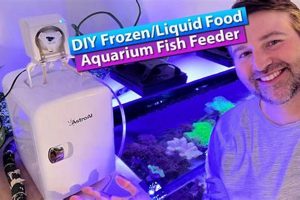
Optimizing feeding frequency involves a delicate balance. While frequent feeding is crucial, overfeeding can lead to deterioration of water quality due to the accumulation of uneaten food. This, in turn, creates an environment conducive to the proliferation of harmful bacteria and fungi, posing a direct threat to the health of the fry. Effective management of feeding frequency therefore requires careful monitoring of water parameters, such as ammonia and nitrite levels, and implementation of regular water changes to maintain a stable and healthy aquatic environment. Furthermore, the type of nourishment provided influences optimal feeding frequency. Live foods, such as infusoria and rotifers, can remain viable in the water column for extended periods, allowing for less frequent feeding compared to inert food particles that decompose more rapidly. The appropriate feeding frequency also depends on the species of fry being reared, with some species requiring more frequent meals than others due to variations in metabolic rates and digestive capabilities. Practical application of this understanding translates to meticulously planned feeding schedules, tailored to the specific needs of the fry and the characteristics of the rearing environment. In the aquarist hobby, automatic feeders are sometimes used to ensure consistent delivery of nourishment over extended periods.
In summary, feeding frequency is an important component of fry nourishment strategies. A consistent supply of food minimizes starvation and maximizes growth potential. Balancing this need with the requirement to maintain pristine water quality is an important aspect of fry-rearing, necessitating careful monitoring and adaptive feeding regimes. The understanding and diligent application of appropriate feeding frequency is crucial for maximizing survival rates and achieving optimal growth and health outcomes in developing fish. The link between frequency, water quality, and species-specific feeding habits becomes a focal point for achieving high survival rates of fry.
6. Water quality

Water quality is inextricably linked to the success of fry rearing, and the selection and management of sustenance plays a critical role in maintaining optimal aquatic conditions. Decomposition of uneaten sustenance is a primary driver of water quality degradation in fry rearing tanks. This decomposition process releases ammonia, a highly toxic compound to fish, particularly sensitive fry. Elevated ammonia concentrations can inhibit growth, compromise immune function, and ultimately lead to mortality. Similarly, the breakdown of sustenance consumes oxygen, potentially leading to hypoxic conditions that further stress fry. The type of sustenance provided directly affects the rate and extent of water quality deterioration. For instance, finely powdered dry sustenance tends to disperse and decompose more rapidly than live cultures, resulting in a faster decline in water quality. Therefore, the management of sustenance must be considered a crucial component of maintaining water quality for fry.
The establishment of appropriate water management protocols is essential to mitigate the negative effects of sustenance on water quality. Frequent water changes, typically daily or multiple times per day, are necessary to remove accumulated waste products and replenish oxygen levels. Filtration systems, including mechanical, chemical, and biological filters, can further assist in maintaining water quality. Mechanical filters remove particulate matter, preventing its decomposition and subsequent release of ammonia. Chemical filters, such as activated carbon, can adsorb dissolved organic compounds and toxins. Biological filters promote the growth of beneficial bacteria that convert ammonia and nitrite into less toxic nitrate. The effectiveness of these filtration systems is directly influenced by the feeding regime and the type of sustenance utilized. Live cultures, while beneficial from a nutritional perspective, can also contribute to water quality issues if introduced in excessive quantities or if the cultures themselves die and decompose. Proper stocking densities and regular monitoring of water parameters are necessary to ensure optimal balance.
Effective management of sustenance and water quality is fundamental for successful fry rearing. The appropriate selection and administration of sustenance, coupled with diligent water management protocols, creates an environment that supports optimal growth, minimizes mortality, and promotes the overall health and well-being of developing fish. The interaction between sustenance and water quality is dynamic and requires continuous monitoring and adaptation to maintain stability. Ultimately, the ability to provide clean water, coupled with optimal sustenance, is the most critical factor governing success in fish fry rearing ventures.The consideration and maintenance of water quality is important for different species as some species of fry requires high quality water to prevent death.
7. Species Specific

The dietary requirements of fish fry exhibit significant variation across different species. Recognizing and addressing these species-specific needs is paramount to successful fry rearing and the minimization of mortality rates. Ignoring species-specific dietary demands can lead to malnutrition, stunted growth, increased susceptibility to disease, and ultimately, high mortality rates during this critical developmental stage.
- Carnivorous Fry
Carnivorous fish fry require a diet rich in protein to support their rapid growth and development. This often necessitates the provision of live foods, such as rotifers or newly hatched brine shrimp, during their early stages. Examples include betta fry (Betta splendens) and many species of cichlids, which exhibit optimal growth and survival when fed a diet high in animal-based protein. Attempting to rear these species on primarily plant-based diets leads to severe nutritional deficiencies and compromised health. The implications of neglecting these dietary requirements is apparent in the reduced survival rates and increased susceptibility to disease observed in carnivorous fry deprived of sufficient protein.
- Herbivorous Fry
Herbivorous fish fry, in contrast, require a diet that incorporates plant matter to support their digestive processes and overall health. Examples include many species of algae eaters and some types of goldfish. These fry species possess digestive systems adapted to process plant-based foods, and their nutritional needs are best met through the provision of finely ground vegetable matter, algae cultures, or specialized commercial diets formulated for herbivorous fry. Supplying these fry with solely protein-rich sustenance can result in digestive disorders and malnutrition, hindering their growth and development.
- Omnivorous Fry
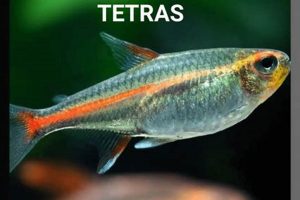
Omnivorous fish fry require a balanced diet that includes both plant and animal matter. The precise ratio of plant to animal material may vary depending on the species and stage of development. Many common aquarium fish, such as guppies and some species of tetras, fall into this category. Providing a diverse diet that encompasses both plant-based and animal-based sustenance ensures that these fry receive a comprehensive array of nutrients, supporting optimal growth and health. Commercial fry sustenance formulated for omnivorous species typically incorporate a blend of protein, carbohydrates, and vegetable matter to meet these balanced dietary requirements.
- Size and Mouth Morphology
Species-specific differences in size and mouth morphology directly impact the selection of appropriate food particle sizes for fry. Fry with small mouths necessitate the provision of microscopic sustenance, such as infusoria or finely ground commercial diets, while larger fry can consume larger food particles. The physical dimensions of the sustenance must be compatible with the fry’s mouth gape to ensure successful ingestion and nutrient uptake. Neglecting this aspect can lead to starvation, even in the presence of adequate sustenance, highlighting the importance of considering species-specific anatomical traits when selecting appropriate sustenance.
The aforementioned considerations highlight the critical importance of tailoring sustenance provision to the specific dietary needs of different fish fry species. Recognizing the unique requirements of carnivorous, herbivorous, and omnivorous fry, as well as their size and mouth morphology, is essential for maximizing survival rates and promoting healthy growth and development. Understanding that different fish species need different food for their fry is important to their life.
Frequently Asked Questions about Fry Fish Food
This section addresses common inquiries regarding the sustenance of developing fish, providing essential insights into the nutritional requirements and feeding strategies for fry.
Question 1: What constitutes appropriate initial sustenance for newly hatched fish?
The initial sustenance for fry typically consists of microscopic organisms and finely particulate matter, scaled to the size of the fry’s mouth. Examples include infusoria, rotifers, microworms, liquid fry sustenance, and finely crushed flake sustenance.
Question 2: Why is the size of fry fish sustenance so critical?
Fry possess limited mouth gape and underdeveloped digestive systems. If the sustenance particle is too large, the fry cannot ingest it. If too small, the caloric and nutrient density may be insufficient. Appropriate sizing ensures accessibility and adequate nutrient uptake.
Question 3: How often should fry be nourished?
Due to their rapid metabolic rates and limited stomach capacity, fry require frequent nourishment. Typically, small quantities of sustenance should be administered multiple times daily to maintain a consistent supply of energy and nutrients.
Question 4: How does sustenance selection impact water quality in fry rearing tanks?
Uneaten sustenance decomposes, releasing ammonia and consuming oxygen, degrading water quality. The type of sustenance influences the rate of degradation. Finely powdered sustenance typically degrades faster than live cultures, necessitating more frequent water changes.
Question 5: Are commercially prepared fry fish sustenance products adequate, or are live cultures necessary?
Both commercially prepared sustenance and live cultures offer viable options. Commercially prepared sustenance provides convenience and standardized nutrient profiles. Live cultures, such as infusoria and rotifers, offer inherent enzymatic activity and are often readily accepted by fry.
Question 6: Do the dietary requirements of fry vary across different fish species?
Yes, the dietary requirements of fry exhibit significant species-specific variation. Carnivorous fry require high-protein diets, while herbivorous fry require plant-based sustenance. Omnivorous fry necessitate a balanced combination of both. It is crucial to understand the specific dietary needs of the species being reared.
In conclusion, the successful nourishment of fish fry hinges on the careful consideration of sustenance size, feeding frequency, water quality management, and species-specific dietary needs. Attention to these factors promotes optimal growth and minimizes mortality during this critical developmental stage.
The next segment will explore long term issues.
Fry Fish Food
This exploration has underscored the critical importance of fry fish food in the early development of fish. Precise attention to particle size, digestibility, and nutritional content is paramount. Live cultures provide a natural and beneficial option, while feeding frequency must be carefully managed to balance nutritional needs with water quality maintenance. The species-specific nature of dietary requirements further complicates the process, demanding a nuanced understanding of individual fish needs.
The successful application of these principles directly translates to improved survival rates and healthier fish populations. Continued research and refinement of fry fish food formulations and feeding strategies are essential to optimizing aquaculture practices and ensuring the long-term sustainability of fish populations, both in captivity and in their natural habitats. The future of responsible aquaculture hinges on a continued commitment to understanding and meeting the unique nutritional demands of developing fish.