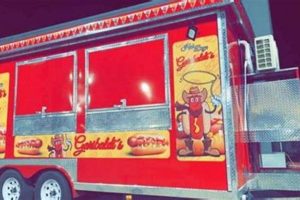
Equipment designed to maintain the serving temperature of prepared food in mobile food vending units constitutes a vital element in food truck operations. These devices, utilizing electricity, propane, or other heat sources, ensure that items such as sandwiches, soups, and prepared entrees remain at a safe and palatable temperature for customers. For instance, a warming drawer might hold cooked chicken at 140F, preventing bacterial growth while retaining moisture and flavor.
Maintaining optimal food temperature is crucial for several reasons. It minimizes the risk of foodborne illnesses, adhering to health code regulations. Furthermore, it positively impacts customer satisfaction by providing a more enjoyable dining experience. Historically, early food vendors faced significant challenges in keeping food warm, resulting in limited menu options and a higher risk of spoilage. Modern warming technology has expanded menu possibilities and reduced waste.
The subsequent sections will delve into the different types of warming devices available, factors influencing the selection of appropriate models, best practices for their operation and maintenance, and critical safety considerations for using these specialized appliances within the confined spaces of mobile food units.
Operational Recommendations for Mobile Food Warming Equipment
This section outlines critical strategies for maximizing the efficiency and safety of food warming devices within mobile vending environments. Implementing these guidelines contributes to regulatory compliance and consistent product quality.
Tip 1: Prioritize Equipment Certification: All warming equipment must bear certification from recognized testing agencies, such as NSF International or UL. This guarantees adherence to established safety and sanitation standards.
Tip 2: Conduct Regular Temperature Calibration: Thermostats on warming units should be calibrated regularly using a certified thermometer. Variations in temperature impact food safety and product consistency.
Tip 3: Implement a First-In, First-Out System: Employing a FIFO system for food storage within warming units ensures that older items are utilized before newer ones, minimizing waste and mitigating spoilage risks.
Tip 4: Maintain Proper Ventilation: Adequate ventilation within the food truck is essential to prevent the buildup of heat and moisture, both of which can compromise the performance and lifespan of warming equipment.
Tip 5: Follow Manufacturers Cleaning Guidelines: Adhere strictly to the manufacturer’s recommended cleaning procedures for all warming units. Improper cleaning can lead to equipment malfunction and sanitation issues.
Tip 6: Monitor Equipment Performance Regularly: Implement a daily inspection routine to identify any signs of equipment malfunction, such as unusual noises, temperature fluctuations, or physical damage. Address any issues promptly.
Tip 7: Provide Staff Training on Equipment Operation: Ensure that all staff members are thoroughly trained on the proper operation and safety procedures associated with the specific types of warming equipment used in the food truck.
Proper operation and maintenance of these specialized appliances not only prolongs equipment lifespan but also contributes significantly to operational efficiency and consistent product quality. The following section will provide a concluding summary of key considerations.
1. Temperature Consistency

Temperature consistency within equipment for food truck operations is paramount for both food safety and maintaining the quality of the prepared items. Reliable and consistent warming capabilities are not merely desirable; they are fundamental to compliant and successful operation.
- HACCP Compliance
Consistent temperature control is a foundational principle of Hazard Analysis and Critical Control Points (HACCP) plans. Food truck operators must demonstrate that food is held at specified temperatures to inhibit bacterial growth and prevent foodborne illnesses. Equipment incapable of maintaining consistent temperatures undermines the entire HACCP system and exposes the business to significant health risks and potential legal repercussions.
- Minimizing Temperature Fluctuations
Fluctuations in temperature can negatively impact the quality of food. Repeated cycling between warm and potentially unsafe temperatures causes food to dry out, become unappetizing, and lose its intended texture and flavor. Effective warming solutions minimize these fluctuations, preserving the palatability of items until they are served.
- Equipment Design and Calibration
The design of warming equipment directly influences temperature consistency. Well-insulated units, precise thermostat controls, and even heat distribution mechanisms are crucial for maintaining stable temperatures. Regular calibration of thermostats is essential to ensure that the displayed temperature accurately reflects the internal temperature of the unit, preventing unsafe holding conditions.
- Impact on Product Shelf Life
Consistent temperature maintenance extends the holding time for food products within a food truck environment. By preventing frequent temperature variations, the integrity of the food is preserved, reducing the potential for premature spoilage and minimizing waste. This results in direct cost savings and more efficient inventory management.
Achieving reliable temperature consistency in food truck equipment requires a multifaceted approach, encompassing appropriate equipment selection, stringent monitoring procedures, and a comprehensive understanding of food safety principles. The integration of these elements ensures that the warming solutions effectively contribute to both the safety and the quality of the food being served.
2. Energy Efficiency

The relationship between energy efficiency and food truck warming equipment is critical, influencing operational costs and environmental impact. Less efficient devices consume more power to maintain food at appropriate temperatures, resulting in higher electricity or fuel expenses. This effect is magnified in mobile food operations, where power sources may be limited and expensive, such as generators or battery systems. Implementing energy-saving equipment translates directly into lower overhead, enhancing profitability. For example, a warming cabinet with improved insulation and a programmable thermostat can significantly reduce energy consumption compared to older, less efficient models.
The integration of energy-efficient technology into food warming equipment includes advanced insulation materials, optimized heating element designs, and smart control systems. These systems actively manage temperature settings based on real-time needs, minimizing unnecessary energy expenditure. Furthermore, energy-efficient units often feature rapid heat-up and recovery times, further reducing overall energy usage. Consider a food truck utilizing a propane-powered steam table designed with energy-saving burners; it reduces propane consumption and the frequency of tank refills, contributing to improved cost-effectiveness.
Prioritizing energy efficiency in food warming equipment not only benefits the operator through reduced costs but also aligns with broader sustainability goals. Investing in energy-efficient appliances reduces carbon emissions and promotes responsible resource management. The selection of appropriate equipment requires a thorough analysis of energy consumption ratings and a comparison of long-term operational costs. Ultimately, the selection represents a balance between initial investment and long-term savings.
3. Size Constraints

Limited interior space is a defining characteristic of food trucks, significantly impacting the selection and deployment of warming equipment. Every square inch must be utilized efficiently, demanding compact and multi-functional warming solutions. The dimensions of warming units directly affect workflow, storage capacity, and the overall ergonomics of the mobile kitchen. Inadequate spatial planning can impede movement, slow down food preparation, and potentially compromise safety. For instance, a large, inefficient warming cabinet could occupy a disproportionate amount of valuable countertop space, hindering access to other essential equipment and limiting the types of menu items that can be efficiently prepared. Therefore, the consideration of size constraints is paramount when choosing appropriate devices.
Manufacturers are developing solutions to address these spatial limitations. Countertop models, stackable units, and warming drawers designed for under-counter installation offer space-saving alternatives to traditional, bulky equipment. Multi-functional appliances that combine warming with other capabilities, such as holding cabinets that can also proof dough, provide enhanced utility within a small footprint. Furthermore, careful consideration of door swing direction, cord placement, and ventilation requirements is essential to optimize the integration of warming equipment into the existing layout. A real-world example is a food truck specializing in sandwiches opting for a narrow, vertical warming cabinet instead of a wider, less space-efficient horizontal model, maximizing workspace for sandwich assembly.
The challenge of size constraints in food trucks necessitates a strategic approach to equipment selection. Operators must prioritize compact designs, multi-functionality, and efficient spatial integration. Failing to address these limitations can lead to operational inefficiencies, compromised workflow, and reduced menu versatility. Ultimately, the optimal warming solution balances functionality, capacity, and space utilization, contributing to a streamlined and profitable mobile food business.
4. Sanitation Standards

Sanitation standards are inextricably linked to the design, operation, and maintenance of food truck warming equipment. The purpose of these devices maintaining food at safe temperatures directly addresses a critical control point in preventing foodborne illnesses. Non-compliance with sanitation standards can result in the proliferation of bacteria, rendering food unsafe for consumption. As a result, regulatory agencies, such as local health departments, mandate strict adherence to these guidelines for food trucks to ensure public health. The causal relationship is evident: inadequate sanitation leads to bacterial contamination, which can then lead to widespread illness.
The materials used in the construction of food truck warming equipment are a direct reflection of sanitation standards. Stainless steel, a common material choice, is favored for its non-porous surface, ease of cleaning, and resistance to corrosion. Design features such as rounded corners and removable components are implemented to facilitate thorough cleaning and prevent the accumulation of food debris. Furthermore, equipment must be designed to withstand frequent cleaning with approved sanitizing agents without degradation or damage. A food truck neglecting routine cleaning of its warming units risks violating health codes and facing penalties, including temporary or permanent closure.
Proper implementation of sanitation standards, therefore, is not merely an option but a legal and ethical imperative for food truck operators. Equipment certification from recognized testing agencies, such as NSF International, provides assurance that warming units meet established sanitation criteria. Ongoing monitoring of internal temperatures, regular cleaning schedules, and staff training on proper sanitation practices are all essential components of a comprehensive food safety program. Neglecting any of these aspects undermines the integrity of the entire operation and jeopardizes the health of consumers.
5. Operational Simplicity

Operational simplicity in the context of food truck warming equipment refers to the ease with which the devices can be used, maintained, and understood by food truck staff. Its importance stems from the need to minimize training time, reduce the likelihood of errors, and ensure consistent performance within the demanding environment of mobile food service.
- Intuitive Controls and Interfaces
Warming equipment should feature clear, easily understandable controls, minimizing the potential for user error. Digital displays, pre-set temperature options, and straightforward on/off mechanisms contribute to operational simplicity. A complex interface increases training requirements and the risk of improper temperature settings, potentially compromising food safety.
- Simplified Cleaning and Maintenance Procedures
Equipment design should facilitate easy cleaning and maintenance. Removable components, accessible interiors, and smooth surfaces reduce the time required for sanitation and upkeep. Complex cleaning protocols increase the risk of neglect, potentially leading to hygiene issues and equipment malfunction.
- Readily Available Troubleshooting Resources
Clear, concise user manuals and easily accessible troubleshooting guides are essential for addressing operational issues. These resources should provide straightforward solutions to common problems, reducing downtime and minimizing the need for specialized technical assistance. The absence of adequate support materials increases reliance on external technicians, leading to delays and added costs.
- Standardized Components and Compatibility
Utilizing warming equipment with standardized components simplifies maintenance and repair. Interchangeable parts reduce the need for specialized inventory and expedite replacement procedures. Compatibility with standard power supplies and fuel sources also contributes to operational simplicity, minimizing the potential for compatibility issues.
The selection of warming equipment that prioritizes operational simplicity directly impacts the efficiency and effectiveness of food truck operations. By minimizing training requirements, simplifying maintenance procedures, and reducing the likelihood of user error, these devices contribute to a more streamlined and profitable mobile food service business.
6. Durability
The inherent operating environment of food trucks necessitates a high degree of durability in all equipment, including warming units. Constant movement, exposure to varying weather conditions, and frequent use place significant stress on these appliances. The consequence of inadequate durability is equipment failure, leading to downtime, repair costs, and potential loss of revenue. Robust construction materials and design are essential to withstand these rigors and ensure reliable performance over an extended lifespan. For example, a food truck traversing rough terrain requires warming equipment with reinforced frames and secure internal components to prevent damage from vibrations and impacts.
Durability in food warming equipment encompasses resistance to physical damage, corrosion, and wear from repeated use. Stainless steel construction, heavy-duty hinges, and sealed electronic components are design elements that contribute to longevity. Furthermore, resistance to temperature fluctuations and humidity is crucial, particularly in environments with extreme climates. Consider a food truck operating in a coastal area where salt air accelerates corrosion; equipment constructed from marine-grade stainless steel would be essential to prevent premature failure. Understanding the specific environmental challenges is critical in selecting warming units with appropriate durability features.
Ultimately, the investment in durable warming equipment represents a long-term cost-saving strategy. While the initial purchase price may be higher compared to less robust alternatives, the reduced maintenance costs, extended lifespan, and minimized downtime offset this initial investment over time. Moreover, reliable performance enhances operational efficiency and contributes to consistent food quality, positively impacting customer satisfaction and profitability. A food truck operator carefully assessing the construction and materials of warming units demonstrates a commitment to long-term operational sustainability.
7. Cost-effectiveness

Cost-effectiveness, in the context of food truck warming equipment, represents the balance between initial investment, operational expenses, and long-term value. Selecting warming solutions requires a comprehensive analysis that extends beyond the purchase price, encompassing energy consumption, maintenance requirements, and equipment lifespan. The objective is to maximize return on investment while maintaining food safety and quality.
- Initial Investment vs. Long-Term Savings
The upfront cost of warming equipment is a significant consideration. However, cheaper models may incur higher operational costs due to energy inefficiency or require more frequent repairs. Investing in more expensive, energy-efficient equipment with a longer lifespan can yield substantial savings over time. For example, a high-quality warming cabinet with superior insulation reduces energy consumption, leading to lower electricity bills and a faster return on the initial investment.
- Energy Consumption and Utility Costs
Energy consumption directly impacts operational expenses. Warming units powered by electricity or propane contribute significantly to monthly utility bills. Selecting models with energy-saving features, such as programmable thermostats and efficient heating elements, reduces energy usage and lowers operating costs. A food truck operating in an area with high electricity rates benefits significantly from energy-efficient warming equipment, maximizing profitability.
- Maintenance and Repair Expenses
Maintenance and repair costs are recurring expenses that contribute to the overall cost of owning warming equipment. Units with durable construction and readily available replacement parts minimize the likelihood of breakdowns and reduce repair expenses. Regular maintenance, such as cleaning and calibration, extends equipment lifespan and prevents costly repairs. A food truck with a proactive maintenance program can avoid unexpected equipment failures and minimize downtime.
- Lifespan and Replacement Frequency
The lifespan of warming equipment directly impacts its cost-effectiveness. Units with a longer lifespan require less frequent replacement, reducing capital expenditures. Selecting equipment from reputable manufacturers known for quality and reliability ensures a longer service life. A food truck that invests in high-quality warming equipment can avoid the expense and disruption of frequent replacements, maximizing long-term profitability.
Evaluating the cost-effectiveness of food truck warming equipment requires a holistic approach that considers initial investment, operational expenses, maintenance requirements, and equipment lifespan. Prioritizing energy efficiency, durability, and ease of maintenance maximizes return on investment and contributes to the long-term financial sustainability of the mobile food business. The optimal solution represents a balance between upfront costs and long-term value, ensuring reliable performance and minimizing operational expenses.
Frequently Asked Questions
This section addresses common inquiries regarding the selection, operation, and maintenance of devices designed to maintain the serving temperature of food within mobile vending units. The information presented aims to provide clarity and guidance for food truck operators.
Question 1: What are the primary types of available?
Warming devices include steam tables, warming cabinets, countertop food warmers, heat lamps, and soup kettles. Each type caters to specific menu items and operational needs. Selection should align with the volume, type of food, and available space.
Question 2: What certifications should be considered when purchasing?
Certification from recognized testing agencies, such as NSF International or UL, is crucial. These certifications indicate that the equipment meets established safety and sanitation standards, ensuring compliance with regulatory requirements.
Question 3: How frequently should be calibrated?
Thermostats on warming units should be calibrated regularly using a certified thermometer. The frequency depends on usage and environmental conditions, but monthly calibration is generally recommended to maintain accurate temperature control.
Question 4: What is the recommended cleaning protocol?
Adherence to the manufacturer’s recommended cleaning procedures is essential. Daily cleaning with approved sanitizing agents is typically required to prevent bacterial growth and maintain hygiene. Remove all food debris and sanitize all surfaces thoroughly.
Question 5: What are the key factors influencing energy efficiency?
Insulation quality, heating element design, and thermostat control mechanisms significantly impact energy efficiency. Models with advanced insulation and programmable thermostats minimize energy consumption and reduce operational costs.
Question 6: How can the lifespan of be extended?
Regular maintenance, proper cleaning, and adherence to the manufacturer’s operating instructions contribute to an extended lifespan. Addressing minor issues promptly and avoiding overloading the equipment also enhance longevity.
In summary, the appropriate selection, regular maintenance, and adherence to safety standards are paramount for effective utilization of equipment. Understanding these key aspects contributes to operational efficiency and regulatory compliance.
The subsequent section will explore case studies and real-world examples of successful implementation.
Conclusion
This exploration of devices designed to maintain food temperature within mobile vending units reveals their central role in operational success. Critical factors, including temperature consistency, energy efficiency, size constraints, sanitation standards, operational simplicity, durability, and cost-effectiveness, necessitate careful consideration. Neglecting these elements compromises food safety, diminishes product quality, and undermines profitability.
Effective utilization of food truck warmers requires a strategic approach encompassing informed equipment selection, rigorous maintenance protocols, and unwavering adherence to safety regulations. The future of mobile food vending hinges on the continued development and implementation of innovative, reliable, and sanitary warming solutions. Responsible operation is non-negotiable for safeguarding public health and ensuring the long-term viability of the industry.