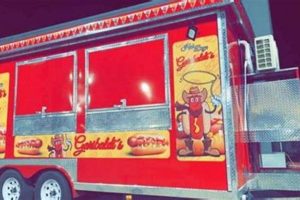
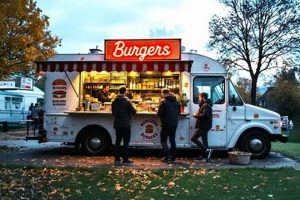
The mobile food industry offers two primary models for entrepreneurs: self-propelled vehicles equipped for food preparation and service, and towable units designed for similar purposes. Each presents unique advantages and disadvantages concerning mobility, operational space, initial investment, and regulatory compliance.
The evolution of mobile food vending has created accessible avenues for culinary professionals and business owners. Such ventures often provide lower startup costs compared to traditional brick-and-mortar restaurants, offering greater flexibility in location and menu offerings. Historical precedents demonstrate the adaptability and resilience of these businesses within fluctuating economic climates.
A comparative analysis reveals the key distinctions between these two mobile food business structures. Factors to consider include vehicle maintenance requirements, permitting processes based on local ordinances, and the implications for daily operational logistics and long-term business growth strategy.
Essential Considerations for Mobile Food Businesses
Careful planning and execution are crucial for success in the mobile food industry. Several factors differentiate the operational and financial considerations for each business model.
Tip 1: Assess Mobility Needs. Analyze operational requirements and service locations. A motorized unit provides immediate relocation capability, advantageous for frequent moves between venues. A towable unit, while less mobile, can be strategically positioned at a fixed location for extended periods.
Tip 2: Evaluate Spatial Requirements. Internal dimensions influence menu complexity and operational efficiency. A larger, self-propelled option generally offers increased workspace for staff and equipment. Towable models can offer comparable space with careful design and layout optimization.
Tip 3: Project Startup Costs Accurately. Budgeting should encompass not only the initial purchase or build cost, but also ongoing maintenance. Motorized units involve expenses such as engine repairs and insurance premiums. Towable units may require a separate tow vehicle, representing an additional investment.
Tip 4: Understand Local Regulations. Compliance with health codes and zoning ordinances is paramount. Some jurisdictions have distinct permitting processes based on the type of mobile food unit. Researching these requirements is essential before making a final decision.
Tip 5: Plan for Storage and Support. Consider the logistical implications of supplies and waste management. Self-contained units often require external provisioning and disposal. Towable units may necessitate a separate storage facility or support vehicle for efficient operation.
Tip 6: Account for Resale Value. The potential resale value varies significantly. Motorized units are subject to depreciation based on mileage and mechanical condition. Towable units may maintain their value better with proper care and maintenance.
These considerations provide a framework for evaluating which mobile food business model best aligns with individual business goals and operational constraints. Thorough due diligence is crucial for making an informed decision.
Ultimately, the decision hinges on a comprehensive evaluation of budget constraints, operational needs, and long-term business strategy.
1. Mobility

Mobility represents a core differentiator between the two mobile food business models. A self-propelled unit provides autonomous movement, allowing for rapid redeployment to different locations throughout the day or week. This inherent flexibility can be crucial for targeting diverse customer bases at peak times or responding to dynamic event schedules. In contrast, a towable unit requires a separate vehicle for relocation, introducing logistical constraints and increasing setup time at each new site. The decision to prioritize spontaneous movement versus a more stationary operational model directly impacts site selection strategies and revenue generation potential.
Consider, for example, a business model targeting lunch crowds in downtown business districts and evening customers at suburban events. A self-propelled option facilitates seamless transitions between these locations. Conversely, a business model focusing on weekend festivals or recurring events at a specific venue might find a towable option adequate, with the initial setup investment offset by reduced operational overhead related to frequent movement. The degree of flexibility necessary dictates the relative advantage of one business model over the other.
Ultimately, the value of enhanced mobility is contingent upon the operational strategy. Businesses prioritizing agility and responsiveness to market demands benefit most from the inherent mobility of a motorized unit. For ventures focusing on established locations or events, the reduced operational flexibility of a towable unit may be an acceptable trade-off for other advantages such as lower initial investment or increased operational space.
2. Space

Internal spatial dimensions directly influence the operational capabilities of mobile food businesses. Within a self-propelled option, space may be constrained by the vehicle’s pre-existing chassis and mechanical components. Conversely, a towable option can be designed with a focus solely on food preparation and service, potentially maximizing usable interior area. This spatial difference has implications for menu complexity, equipment capacity, and staff movement within the confined environment. Insufficient space can lead to operational bottlenecks, reduced efficiency, and limitations on the types of food that can be prepared and served. The relationship between operational needs and available workspace constitutes a key factor in the selection of the appropriate mobile food business structure.
For example, a business specializing in intricate culinary creations may require a larger prep area and specialized equipment, favoring the potential spatial advantages of a custom-built towable unit. In contrast, a menu focused on pre-prepared items or streamlined processes might function adequately within the more compact confines of a self-propelled option. Consider also the implications for staffing. A larger operational space facilitates efficient workflows for multiple employees, while cramped quarters may necessitate a smaller crew and simplified tasks. Therefore, the prospective menu and staffing model should inform the spatial requirements, guiding the choice between these mobile food business structures.
In conclusion, workspace directly impacts the range and efficiency of mobile food operations. Space limitations can hinder menu diversity, equipment capacity, and staffing arrangements. Conversely, a well-designed and appropriately sized workspace optimizes workflow and enhances operational capacity. The spatial dimensions inherent in the two mobile food models represent a critical consideration when aligning operational goals with the physical constraints of the business structure. Careful attention to this aspect of mobile food business design enhances efficiency, supports business strategy, and impacts profitability.
3. Cost

The financial implications represent a primary factor in selecting between a mobile food business model. Capital expenditure encompasses not only the initial purchase or construction cost but also ongoing operational expenses. A self-propelled option typically involves a higher initial investment due to the integrated vehicle and equipment. This outlay includes costs associated with the chassis, engine, transmission, and other automotive components. Conversely, a towable unit can often be acquired or custom-built for a lower initial price, as it lacks the mechanical complexity of a motorized vehicle. The subsequent operational expenses, such as fuel, insurance, and vehicle maintenance, also contribute significantly to the total cost of ownership. Thorough financial analysis is imperative to assess the long-term affordability of either approach.
Ongoing maintenance is a crucial consideration when evaluating the financial viability. Motorized units necessitate regular servicing, including engine maintenance, tire replacements, and potential repairs to the drive train. These expenses can be substantial, particularly for older vehicles or those with high mileage. Towable units, while lacking a motor, still require maintenance on axles, tires, and braking systems. Additionally, the cost of the tow vehicle must be factored into the equation. For example, consider a scenario where a new truck costs $80,000 with $5,000 annual maintenance, versus a trailer costing $50,000 and $2,000 maintenance plus $30,000 for a suitable tow vehicle and $3,000 annual tow vehicle maintenance. This illustrates the need for a comprehensive, multi-year cost projection to make an informed decision. Insurance costs also differ significantly, typically being higher for motorized units due to their greater inherent risk. Thus, prospective owners must consider the holistic financial landscape.
In summation, the financial considerations are diverse and far-reaching. The choice between a self-propelled or towable option depends on available capital, projected revenue, and tolerance for ongoing operational expenses. While the initial investment for a towable option may appear lower, the associated costs of a tow vehicle and ongoing maintenance must be carefully weighed. A detailed financial analysis, encompassing both initial and recurring expenses, is essential for determining the optimal and sustainable financial model for mobile food business success. Neglecting this comprehensive financial evaluation can lead to unforeseen burdens and hinder long-term profitability.
4. Regulations
The operational landscape of mobile food businesses is heavily influenced by a complex web of local, state, and federal regulations. These regulations, encompassing health codes, zoning ordinances, fire safety standards, and permitting requirements, represent a critical determinant in the viability of a mobile food venture. The specific regulations applicable to a self-propelled unit versus a towable unit can differ significantly, impacting operational costs, location choices, and overall business strategy. Navigating this regulatory maze effectively is paramount to ensure compliance and avoid costly penalties or operational disruptions. Failure to adhere to the established rules can result in immediate closure or significant financial repercussions, jeopardizing the business’s existence.
A key differentiator lies in the permitting process. Some jurisdictions categorize self-propelled units as vehicles, requiring adherence to motor vehicle regulations in addition to food service requirements. This can involve inspections, registration fees, and restrictions on parking and idling. Towable units, conversely, may be treated as temporary structures, subject to zoning ordinances governing signage, setbacks, and utility hookups. For example, a city might permit a self-contained unit to operate in designated “food truck zones,” while requiring a towable unit to obtain a special event permit for each location. Furthermore, health inspections vary; self-propelled units might undergo more frequent inspections due to their greater mobility and potential for foodborne illness outbreaks in diverse locations. Understanding these nuances is crucial. Ignoring such location specific or food preparations specific aspects of the regulatory environment, poses a high risk of operating illegally and facing severe consequences.
In conclusion, compliance with applicable regulations is not merely a procedural formality; it is a fundamental prerequisite for the sustainable operation of any mobile food business. Whether operating a self-propelled or towable unit, entrepreneurs must invest time and resources to thoroughly research and understand the regulatory landscape in their target markets. Seeking guidance from local health departments, zoning authorities, and industry associations can prove invaluable in navigating this complex terrain. By proactively addressing regulatory requirements, mobile food businesses can minimize risk, ensure operational continuity, and build a strong foundation for long-term success. Failing to do so exposes the business to potential fines, closures, and reputational damage, ultimately undermining its viability.
5. Maintenance

Maintenance considerations represent a critical divergence between self-propelled and towable mobile food business models. The nature and frequency of required maintenance directly impact operational uptime, profitability, and long-term business viability. Understanding these differences is crucial for informed decision-making.
- Vehicle Components vs. Structure
Self-propelled units necessitate maintenance of both the vehicle and the food preparation systems. This includes engine repairs, transmission servicing, and routine automotive maintenance, in addition to equipment maintenance (ovens, refrigerators, etc.). Towable units, lacking an engine and drivetrain, shift the focus to structural maintenance, such as axle servicing, tire replacements, and potential repairs to the trailer frame. The complexity and cost associated with vehicle component maintenance are typically higher than structural upkeep.
- Downtime Implications
Vehicle-related maintenance issues on self-propelled units can lead to extended downtime, particularly for major repairs. This loss of operational time translates directly into lost revenue. Towable units, while still subject to maintenance downtime, often offer the possibility of temporary replacement with another tow vehicle, mitigating the impact on operations. Careful scheduling of maintenance is critical to minimize operational disruption in both scenarios.
- Equipment Accessibility
Accessibility for equipment repairs differs significantly. In self-propelled units, the cramped quarters can hinder access to certain equipment components, increasing labor costs for repairs. Towable units, especially custom-built models, can be designed with serviceability in mind, improving access and potentially reducing repair times. Ergonomic design considerations impact long-term costs related to equipment maintenance.
- Preventative Measures and Lifespan
Preventative maintenance is crucial for both types of mobile food businesses, but the nature of the tasks varies. For self-propelled units, regular oil changes, fluid checks, and tune-ups extend the lifespan of the vehicle. For towable units, inspecting and lubricating axles, checking tire pressure, and maintaining the trailer frame contribute to longevity. Implementing a robust preventative maintenance program minimizes unexpected breakdowns and maximizes the operational lifespan of the chosen model. Properly maintained systems ensure long term value and reduce the risks of business interruptions.
The interplay of these maintenance-related factors significantly shapes the long-term cost and operational efficiency. While towable units avoid the complexities of vehicle maintenance, structural upkeep and tow vehicle considerations must be factored in. Self-propelled units, on the other hand, require robust vehicle maintenance programs to mitigate downtime. The choice of maintenance strategy depends on operational capabilities, financial resources, and risk tolerance. Selecting a fit for purpose structure minimizes potential setbacks in maintaining the food service vehicle.
6. Menu

Menu selection exerts a profound influence on the choice between a self-propelled unit and a towable unit. The complexity of the menu, equipment requirements, and food preparation processes directly impact spatial needs, utility demands, and overall operational logistics. Therefore, menu planning must precede the selection of the mobile food platform, ensuring a seamless integration of culinary aspirations and physical constraints.
- Equipment Intensity
Menus requiring specialized equipment such as large ovens, multiple fryers, or extensive refrigeration units necessitate a mobile platform with sufficient space and power capacity. Towable units, often custom-built, offer greater flexibility in accommodating diverse equipment configurations compared to the typically more confined interiors of self-propelled units. A menu featuring wood-fired pizzas, for instance, demands a robust oven that may be challenging to integrate into a standard self-propelled vehicle.
- Food Preparation Complexity
Elaborate menus with intricate preparation steps often require more counter space, multiple prep stations, and enhanced storage solutions. Self-propelled units may struggle to provide adequate workspace for complex culinary operations, potentially leading to inefficiencies and compromises in food quality. A menu centered on gourmet tacos with numerous handcrafted sauces and fillings benefits from the expansive workspace that a towable unit can provide.
- Utility Demands
High-demand equipment such as electric grills or commercial coffee machines place a significant strain on the mobile unit’s electrical system. Self-propelled units may have limited electrical capacity, necessitating generators or external power sources to support these demands. Towable units, with their greater spatial capacity, can accommodate larger generators or more sophisticated power management systems. A menu focused on espresso-based beverages requires a robust electrical infrastructure to operate multiple machines simultaneously.
- Storage Requirements
Menus incorporating fresh ingredients necessitate ample refrigerated and dry storage space. Self-propelled units often face limitations in storage capacity, requiring frequent restocking and potentially compromising ingredient quality. Towable units, with their customizable interiors, can be designed with optimized storage solutions to accommodate larger quantities of ingredients and minimize the need for frequent resupply runs. A menu highlighting fresh seafood demands substantial refrigerated storage to maintain product quality and safety.
The interplay between menu demands and platform capabilities necessitates a thorough analysis prior to investment. Selecting a mobile food business model that fails to adequately support the menu can lead to operational inefficiencies, compromised food quality, and diminished profitability. Menu compatibility with food truck vs food trailer models needs to be considered before any decision is finalized.
7. Location
The selection of operational location is inextricably linked to the choice between a self-propelled unit and a towable unit, exerting a profound influence on revenue potential, operational logistics, and regulatory compliance. Location considerations must extend beyond mere visibility and foot traffic, encompassing factors such as accessibility, permitting restrictions, and the target customer demographic. The mobility inherent in a self-propelled unit often facilitates access to diverse locations with varying levels of infrastructure, while the more stationary nature of a towable unit necessitates careful site selection to maximize its impact. The interplay between unit capabilities and locational attributes forms the cornerstone of a successful mobile food business strategy.
For example, a self-propelled unit may thrive in urban environments characterized by frequent events and changing customer patterns, capitalizing on its ability to relocate quickly and efficiently to high-demand areas. This model allows for participation in multiple events throughout a single day, maximizing revenue potential. Conversely, a towable unit may excel in more static locations such as industrial parks or suburban neighborhoods, where consistent customer flow and lower competition offer a stable operational environment. Consider the case of a food vendor near a construction site; a towable trailer positioned strategically over a long project duration can provide a reliable service for workers, whereas a food truck might visit sporadically due to its dynamic location opportunities. Additionally, location dictates utility needs; certain areas provide access to electrical hookups or water sources, favoring certain unit types over others depending on their design.
In conclusion, location represents a pivotal element in the success of mobile food businesses, and this importance shapes the viability of food truck vs food trailer decisions. Location dictates customer accessibility and operational capability, underscoring locations importance in business strategies. Understanding this connection is paramount for entrepreneurs seeking to optimize their operational footprint and maximize revenue potential. Effective site selection, informed by unit capabilities and regulatory constraints, represents the cornerstone of long-term success. Ignoring the interrelationship between location, food truck vs food trailer decisions, exposes the business to potential risks and diminished profitability, while leveraging the opportunity to capitalize on the most significant competitive advantages.
Frequently Asked Questions
The following addresses common inquiries regarding the selection and operation of mobile food units, offering clarification on key considerations.
Question 1: What are the primary differentiating factors between a food truck and a food trailer?
The core distinction lies in mobility. A food truck is self-propelled, offering independent movement, while a food trailer requires a separate vehicle for towing.
Question 2: Does the choice between food truck vs food trailer significantly impact startup costs?
Yes, initial investments differ. Food trucks generally command a higher upfront cost due to the integrated vehicle components. Food trailers may present a lower initial investment, though the cost of a suitable tow vehicle must be factored in.
Question 3: How do local regulations treat food truck vs food trailer operations?
Regulatory treatment varies by jurisdiction. Some municipalities categorize food trucks as vehicles, subject to motor vehicle regulations. Food trailers may be considered temporary structures, governed by zoning ordinances.
Question 4: Does menu complexity influence the selection of a food truck vs food trailer?
Menu complexity plays a pivotal role. Elaborate menus with diverse equipment needs often necessitate the greater spatial capacity afforded by a food trailer.
Question 5: Are there significant differences in maintenance requirements between food truck vs food trailer models?
Maintenance considerations diverge. Food trucks necessitate maintenance of both the vehicle and the food preparation systems. Food trailers primarily require structural maintenance.
Question 6: How does the choice of food truck vs food trailer affect operational location options?
Location flexibility varies. The self-propelled nature of a food truck grants access to diverse, dynamic locations. Food trailers thrive in more static, predictable environments.
In summary, the decision between a food truck and a food trailer involves careful consideration of mobility requirements, financial constraints, regulatory compliance, menu complexity, maintenance obligations, and location preferences.
This concludes the frequently asked questions section. Further insights into optimizing mobile food business operations will be discussed in the next section.
Comprehensive Analysis
The preceding analysis underscores the critical distinctions between the self-propelled and towable models within the mobile food industry. Factors such as mobility, spatial constraints, financial implications, regulatory compliance, maintenance requirements, menu complexity, and locational attributes significantly influence the selection of the appropriate business structure. Understanding these nuances is paramount for entrepreneurs seeking to maximize operational efficiency and ensure long-term sustainability.
The future success of any mobile food venture hinges on a thorough evaluation of these factors and their alignment with specific business objectives. Diligence in planning and adherence to regulatory frameworks are essential for navigating the complexities of the industry and achieving sustained profitability. This information ensures businesses stay informed to make the best choices for their food truck vs food trailer plans.