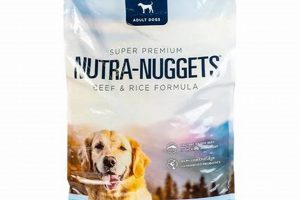
Products formulated to promote increased mass in canines typically feature a high caloric density and elevated levels of protein and fat. These formulations aim to provide sufficient energy and nutrients to support muscle development and overall weight increase in dogs that may be underweight due to various factors, such as illness, malnutrition, or high activity levels. An example would be a kibble specifically designed for active working dogs needing to replenish energy stores and build muscle tissue.
The selection of appropriate canine nutrition for weight gain is paramount in ensuring the animal’s health and well-being. Proper weight management contributes to improved energy levels, enhanced immune function, and reduced susceptibility to certain health conditions. Historically, addressing underweight conditions in dogs involved simply increasing food volume. However, modern approaches emphasize the nutritional composition of the food, ensuring a balanced intake of essential nutrients alongside increased caloric content.
The following discussion will delve into the key considerations when selecting the ideal nutritional strategy for promoting canine weight gain, including the crucial ingredients, appropriate feeding guidelines, and potential health implications. Furthermore, it will address the importance of veterinary consultation in developing a safe and effective weight gain plan tailored to the individual dog’s specific needs.
Guidance on Nutritional Strategies for Canine Weight Augmentation
The following guidelines offer insights into selecting and implementing dietary approaches designed to promote healthy weight gain in canines. These tips emphasize informed decision-making and responsible practices in addressing underweight conditions.
Tip 1: Consult a Veterinary Professional: Prior to implementing any dietary changes aimed at weight gain, seek guidance from a qualified veterinarian. A veterinary examination can identify underlying health conditions contributing to weight loss and ensure the chosen nutritional plan is appropriate and safe for the individual animal.
Tip 2: Prioritize High-Quality Protein Sources: Ensure the selected food incorporates a substantial amount of animal-based protein. Protein is crucial for muscle development, and a higher protein content supports the building of lean mass during the weight gain process. Examples of suitable protein sources include chicken, beef, lamb, and fish.
Tip 3: Evaluate Fat Content: Fat provides a concentrated source of calories, essential for promoting weight gain. Opt for formulations with a higher fat percentage, paying attention to the type of fat included. Beneficial fats include omega-3 and omega-6 fatty acids, which support overall health and coat condition.
Tip 4: Monitor Caloric Intake: Gradually increase the daily caloric intake, carefully monitoring the dog’s weight and body condition. Avoid rapid increases, which can lead to digestive upset. Adhere to the feeding guidelines provided by the manufacturer, adjusting as needed based on the individual dog’s response.
Tip 5: Consider Digestibility: Choose easily digestible ingredients to maximize nutrient absorption. Avoid foods containing excessive fillers, artificial additives, or ingredients known to cause sensitivities in the individual dog.
Tip 6: Implement Gradual Transitions: When introducing a new food, gradually transition from the old diet to the new over a period of several days to minimize digestive disturbances. This can involve mixing increasing amounts of the new food with decreasing amounts of the old food.
Tip 7: Monitor Body Condition Score: Regularly assess the dog’s body condition score to ensure healthy weight gain. The body condition score provides a subjective assessment of the animal’s fat reserves and muscle mass, allowing for adjustments to the feeding plan as needed.
Adhering to these guidelines facilitates a strategic and informed approach to augmenting canine weight, promoting optimal health and well-being. The importance of professional veterinary oversight throughout this process cannot be overstated.
The concluding sections will provide information about health considerations and advice on long-term maintenance.
1. Caloric Density

Caloric density, defined as the number of calories per unit of weight or volume of food, is a primary determinant of the effectiveness of nutrition designed for mass gain in canines. A direct relationship exists: greater caloric density directly facilitates easier consumption of a surplus of calories, a prerequisite for positive energy balance and subsequent weight gain. Specifically, food formulated for weight augmentation must provide a concentrated source of energy to enable the dog to consume sufficient calories without requiring an excessive volume of food, which could lead to digestive distress or reduced appetite. For example, a food with a density of 400 kcal/cup allows a dog to consume the required calories in fewer servings compared to food providing 300 kcal/cup, making it more conducive to increasing weight.
The strategic adjustment of caloric density impacts weight gain programs. Underweight dogs, especially those with decreased appetites due to illness or stress, benefit from calorically dense options. These formulations allow for the intake of necessary nutrients and energy in smaller portions, enhancing palatability and preventing overfeeding, which can result in gastrointestinal issues. In practice, this manifests as specialized food containing easily digestible ingredients and higher levels of fat, a nutrient-dense energy source. Furthermore, caloric density should be carefully balanced with other nutritional components like protein and essential micronutrients. A diet overly focused on caloric density without adequate protein can lead to disproportionate fat accumulation rather than lean muscle mass development.
In summary, caloric density forms a critical element in formulations intended to support canine weight gain. Its careful manipulation, along with other nutritional factors, is essential to ensuring effective and healthy mass augmentation. It is critical to consult a veterinarian to determine the appropriate caloric density based on the dog’s individual needs, activity level, and underlying health conditions.
2. Protein Composition

The protein composition of nutrition designed to promote weight gain in canines is of paramount importance. Adequate protein intake is crucial for supporting muscle mass development and overall tissue repair, which are essential components of healthy weight augmentation. The source, quantity, and amino acid profile of protein significantly influence the effectiveness of the diet.
- Amino Acid Profile
The amino acid profile dictates protein quality. Canine nutrition should contain a complete amino acid profile, meaning it includes all essential amino acids that dogs cannot synthesize on their own. Deficiencies in essential amino acids can hinder muscle growth, even with adequate overall protein intake. High-quality animal-based protein sources, such as meat, poultry, and fish, typically provide more complete and readily digestible amino acid profiles compared to plant-based proteins. For example, a formula relying heavily on corn or soy as the primary protein source may require supplementation to ensure all essential amino acids are adequately represented.
- Protein Digestibility
Digestibility refers to the proportion of protein that can be broken down and absorbed by the digestive system. Highly digestible protein sources maximize nutrient uptake, ensuring that the body can efficiently utilize the protein for muscle synthesis and other vital functions. Factors affecting digestibility include the protein source, processing methods, and the presence of antinutritional factors. Examples of highly digestible protein sources include hydrolyzed proteins and certain animal by-product meals that have undergone specific processing to enhance digestibility. Conversely, raw or poorly processed protein sources may have lower digestibility, reducing their effectiveness in promoting weight gain.
- Protein Percentage
The percentage of protein in the diet directly impacts muscle protein synthesis. Diets designed for weight gain typically contain a higher protein percentage compared to maintenance diets. While specific protein requirements vary based on factors such as age, breed, and activity level, a general guideline is to ensure the diet provides at least 25-30% protein on a dry matter basis. However, excessive protein intake beyond the body’s capacity for utilization can be inefficient and may place added stress on the kidneys. A balanced approach is crucial, tailoring the protein percentage to the individual dog’s needs.
- Source of Protein
The source of protein significantly influences its biological value and utilization. Animal-based proteins (e.g., chicken, beef, fish) generally possess higher biological value compared to plant-based proteins (e.g., soy, corn gluten). Animal-based proteins often have a more complete amino acid profile and are more easily digested by canines. While plant-based proteins can contribute to the overall protein content, relying solely on them may necessitate careful formulation to ensure adequacy and balance. A formula that lists “chicken meal” as a primary ingredient suggests a higher-quality protein source compared to one that lists “corn gluten meal” first.
Collectively, the amino acid profile, digestibility, percentage, and source of protein interact to determine the effectiveness of nutrition intended for canine weight augmentation. Optimal weight gain hinges on providing a balanced formulation featuring high-quality, digestible protein sources that meet the animal’s specific needs. A veterinarian’s guidance is essential to formulating individualized diet plans.
3. Fat Content

Elevated fat content is a characteristic of nutritional formulations intended to facilitate weight gain in canines. Fat serves as a concentrated source of energy, providing more than twice the calories per gram compared to carbohydrates or protein. This high caloric density makes fat an essential component for achieving the necessary energy surplus required for weight augmentation in underweight dogs. Furthermore, fat contributes to palatability, increasing the likelihood of sufficient food intake, particularly in animals with reduced appetites. For example, a weight gain formula might contain 15-20% fat, compared to a maintenance formula with 10-15% fat, enabling the dog to consume more calories without a significant increase in food volume. The composition of fats also matters, essential fatty acids, like omega-3 and omega-6, support skin and coat health and contribute to overall well-being during weight gain.
The strategic integration of fat impacts several aspects of a weight gain program. First, fat provides a sustained energy source, supporting consistent weight gain over time. Second, it aids in the absorption of fat-soluble vitamins (A, D, E, and K), which are vital for various physiological processes. Third, specific types of fats, such as medium-chain triglycerides (MCTs), can be particularly beneficial for dogs with digestive issues or malabsorption problems, providing readily available energy. However, the amount and type of fat must be carefully considered. Excessive fat intake without adequate protein and exercise can lead to disproportionate fat deposition rather than lean muscle mass development. Dogs with pre-existing conditions, such as pancreatitis, may require specialized low-fat, high-calorie diets under veterinary supervision.
In summary, fat content is a critical factor in nutritional products designed for augmenting weight in canines. Its strategic manipulation, alongside balanced protein and carbohydrate levels, is essential to ensure effective and healthy weight augmentation. While increased fat contributes significantly to caloric density and palatability, careful consideration must be given to the type of fat, the individual dog’s health status, and overall dietary balance. Therefore, veterinary consultation is crucial for determining the appropriate fat level in a weight gain diet, to ensure safety and efficacy.
4. Digestibility

Digestibility plays a crucial, often underestimated, role in the effectiveness of nutrition designed to promote weight gain in canines. It directly influences the extent to which a dog can absorb and utilize the nutrients within the food, thereby determining its impact on mass augmentation. If a canine food, regardless of its caloric density or protein content, is poorly digested, a significant portion of the nutrients will pass through the digestive system unabsorbed, negating its potential for weight gain. This ineffectiveness stems from the inability of the dog’s digestive enzymes to adequately break down the food components into smaller, absorbable molecules. For instance, a kibble comprised of highly processed ingredients and excessive fiber may exhibit reduced digestibility compared to one formulated with easily digestible animal proteins and moderate fiber content, even if the former contains a higher initial caloric count.
The impact of digestibility on weight gain manifests in several practical scenarios. Dogs recovering from illness, surgery, or suffering from malabsorption syndromes often experience compromised digestive function. In such cases, highly digestible formulations become especially important to ensure nutrient uptake despite the digestive impairment. Hydrolyzed protein sources, where proteins are pre-broken down into smaller peptides, are a common example of ingredients used to enhance digestibility in specialized diets. Similarly, the inclusion of prebiotics and probiotics can promote a healthy gut microbiome, facilitating more efficient digestion and nutrient absorption. Moreover, the processing methods employed during food manufacturing significantly affect digestibility. Excessive heat treatment can denature proteins and reduce their bioavailability, while gentle cooking methods or enzymatic treatments can preserve nutrient integrity and enhance digestibility.
In conclusion, prioritizing digestibility is paramount when selecting nutritional products to promote weight gain in canines. A high-quality food may prove ineffective if its nutrients are not readily absorbed. Factors such as ingredient selection, processing methods, and the inclusion of digestive aids can significantly impact digestibility and, consequently, the success of a weight gain program. Understanding the importance of digestibility and choosing easily digestible formulations is essential to ensuring that the dog receives the full nutritional benefit necessary for healthy and sustainable mass augmentation. It also serves as a key consideration when consulting with a veterinarian to choose the most effective diet for the unique needs of the animal.
5. Veterinary Oversight

The connection between veterinary oversight and canine weight gain strategies, including the selection and administration of specialized nutrition, represents a crucial component of responsible pet ownership. Weight loss in dogs can stem from a multitude of underlying medical conditions, ranging from parasitic infections to systemic diseases like diabetes or cancer. Before implementing any dietary changes intended to promote weight gain, a thorough veterinary examination is essential to identify and address any underlying health issues that may be contributing to the animal’s underweight condition. For instance, a dog experiencing chronic vomiting and diarrhea due to inflammatory bowel disease (IBD) will likely fail to gain weight effectively, regardless of the caloric density or protein content of the food provided, until the IBD is properly managed through medication and a tailored dietary plan recommended by a veterinarian.
The benefits of veterinary oversight extend beyond diagnosing underlying medical conditions. Veterinarians possess the expertise to assess a dog’s body condition score accurately, evaluate its muscle mass, and determine its individual caloric and nutrient requirements based on factors such as age, breed, activity level, and overall health status. This personalized assessment allows for the development of a customized feeding plan that optimizes weight gain while minimizing the risk of adverse effects, such as obesity or nutrient imbalances. For example, a highly active working dog will require a significantly higher caloric intake and different macronutrient ratios compared to a senior dog with reduced mobility. Furthermore, veterinarians can monitor the dog’s response to the weight gain program, adjusting the dietary plan as needed based on the animal’s progress and any emerging health concerns. Regular check-ups enable early detection of potential complications, ensuring the safety and efficacy of the weight gain strategy.
In summary, veterinary oversight is not merely an optional addendum but an indispensable element of any successful canine weight gain endeavor. It ensures that underlying medical conditions are addressed, that dietary plans are tailored to the individual dog’s needs, and that the weight gain process is monitored for both efficacy and safety. Neglecting veterinary consultation can lead to ineffective weight gain, exacerbate existing health problems, or even create new ones. Therefore, responsible pet owners prioritize veterinary involvement when addressing underweight conditions in their canine companions, recognizing it as a cornerstone of responsible and effective animal care.
Frequently Asked Questions
The following questions address common inquiries related to the selection and utilization of canine food designed to promote healthy weight gain. The answers provided aim to offer clear, concise, and informative guidance.
Question 1: Is specialized nutrition always necessary for a dog to gain weight?
Specialized nutrition is not universally required, but is often advisable. Simple increases in the quantity of standard maintenance food may not provide adequate caloric density or nutrient balance, potentially leading to digestive upset without substantial weight gain. Specialized formulas offer concentrated nutrition tailored to promoting healthy mass augmentation.
Question 2: How quickly should a dog gain weight on a weight gain diet?
Healthy weight gain is a gradual process. Rapid weight gain can be detrimental, potentially leading to digestive problems or excessive fat deposition. A reasonable goal is a weight increase of 1-2% of the dog’s current body weight per week, under veterinary supervision.
Question 3: Are there any potential health risks associated with feeding a diet designed for weight gain?
Yes. Potential risks include obesity, digestive upset (e.g., diarrhea, vomiting), and nutrient imbalances if the diet is not properly formulated or administered. Veterinary oversight is essential to mitigate these risks and ensure the diet is appropriate for the individual dog’s needs and health status.
Question 4: Can “human food” be used to help a dog gain weight?
While certain human foods can supplement a dog’s diet, relying solely on human food for weight gain is generally not recommended. Human foods may lack essential nutrients or contain ingredients that are toxic to dogs. If incorporating human food, it should be done under veterinary guidance to ensure nutritional adequacy and safety.
Question 5: How long should a dog remain on a weight gain diet?
The duration of a weight gain diet depends on the individual dog’s response and the underlying reason for the weight loss. Once the dog reaches a healthy weight and body condition, a gradual transition to a maintenance diet is typically recommended, under veterinary supervision, to prevent rebound weight loss or excessive weight gain.
Question 6: Is exercise important when a dog is on a weight gain diet?
Yes, appropriate exercise is crucial. While weight gain is the primary goal, promoting muscle development is also important. Regular, moderate exercise helps to build lean muscle mass, ensuring that the weight gain is healthy and balanced, rather than primarily fat accumulation. Exercise plans should be tailored to the individual dog’s capabilities and limitations.
In summary, while canine nutrition designed to promote weight gain can be a valuable tool, its effective and safe utilization hinges on careful consideration of the individual animal’s needs, adherence to appropriate feeding guidelines, and, most importantly, veterinary oversight.
The concluding section offers information on long-term weight maintenance.
Concluding Remarks on Canine Weight Augmentation Nutrition
The preceding discussion has illuminated key considerations surrounding nutrition for canine weight augmentation. Selection of appropriate dog food for gaining weight necessitates careful evaluation of caloric density, protein composition, fat content, and digestibility, all under the guidance of a veterinary professional. Ignoring these factors may yield suboptimal results or, worse, compromise the animal’s health. The information presented is intended to furnish stakeholders with the knowledge needed to make informed decisions regarding canine nutritional strategies.
Given the complex interplay of factors influencing canine weight and the potential health ramifications of inappropriate interventions, it is imperative to approach weight augmentation with diligence and veterinary collaboration. The long-term health and well-being of the animal are paramount, necessitating a holistic and responsible approach to dietary management. Future research should focus on refining our understanding of canine nutritional needs, ultimately improving outcomes for animals requiring weight gain interventions.