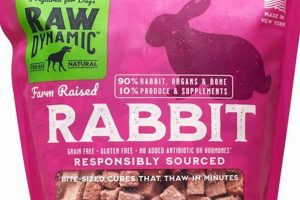
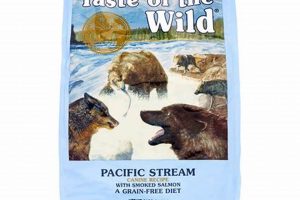
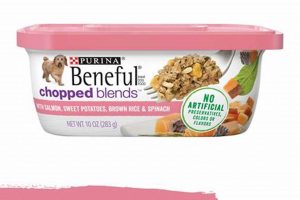
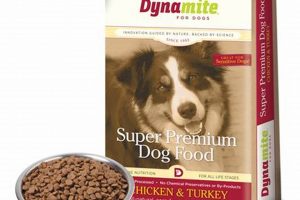
Dietary formulations designed to mitigate the regurgitation of stomach contents in canines are specialized food products. These products aim to reduce gastric acidity and promote efficient digestion, thereby lessening the likelihood of esophageal irritation and discomfort. Such foods often feature lower fat content, easily digestible proteins, and limited ingredients to minimize potential allergens and irritants. An example would be a prescription diet formulated with hydrolyzed protein and moderate fiber levels, intended to soothe the digestive tract of dogs experiencing frequent regurgitation.
Appropriate nutritional management plays a crucial role in alleviating the symptoms associated with canine gastric reflux. Selecting a suitable dietary option can significantly improve a dog’s comfort and quality of life by reducing the frequency and severity of episodes. Historically, dietary adjustments have been a cornerstone of managing gastrointestinal disorders in canines, predating advanced pharmaceutical interventions. The practice underscores the fundamental link between nutrition and overall well-being in animals experiencing digestive sensitivities.
The following sections will explore the specific ingredients to consider, dietary modifications that can be implemented, and feeding strategies that can contribute to the effective management of this condition. Further discussion will encompass identifying underlying causes, recognizing key symptoms, and consulting with veterinary professionals for tailored nutritional plans.
Dietary Management Strategies
Effective control of canine gastric reflux often necessitates a multi-faceted approach to dietary management. The following strategies represent key considerations for mitigating symptoms and promoting digestive health.
Tip 1: Gradual Dietary Transitions: Sudden changes in diet can exacerbate digestive upset. Introduce new food formulations slowly, blending progressively larger proportions of the new food with the existing diet over a period of 7-10 days. This allows the digestive system to adapt and minimizes the risk of adverse reactions.
Tip 2: Small, Frequent Meals: Instead of offering one or two large meals per day, divide the daily ration into several smaller, more frequent feedings. This reduces the volume of food in the stomach at any given time, lessening the pressure on the lower esophageal sphincter and reducing the likelihood of regurgitation.
Tip 3: Low-Fat Content: High-fat diets can delay gastric emptying, increasing the time food remains in the stomach and raising the risk of acid reflux. Opt for food formulations with a moderate to low fat content, typically below 15% on a dry matter basis.
Tip 4: Highly Digestible Protein Sources: Choose protein sources that are easily digestible, such as hydrolyzed protein or novel protein sources (e.g., fish, rabbit). These proteins are less likely to trigger allergic reactions or sensitivities that can contribute to gastrointestinal inflammation.
Tip 5: Limited Ingredient Diets: Formulations with a limited number of ingredients can help identify potential allergens or sensitivities that may be contributing to reflux. This approach simplifies the process of eliminating problematic ingredients from the diet.
Tip 6: Elevated Feeding Position: Feeding from an elevated bowl can help reduce the backflow of stomach contents into the esophagus, particularly in brachycephalic breeds. Ensure the bowl is raised to a comfortable height, allowing the dog to eat without straining.
Tip 7: Monitor Ingredient Lists: Be vigilant about scrutinizing ingredient lists, avoiding artificial additives, preservatives, and common allergens such as corn, wheat, and soy. A clean, straightforward ingredient profile is often indicative of a more digestible and less irritating food.
By implementing these dietary strategies, one can significantly improve the management of canine gastric reflux and promote enhanced gastrointestinal comfort and overall health.
The subsequent sections will delve further into potential underlying causes and medical treatments to consider alongside these crucial dietary adjustments.
1. Low-fat formulas

The inclusion of low-fat formulations in dietary management strategies for canines experiencing acid reflux is a significant consideration. Elevated dietary fat levels can exacerbate reflux symptoms by slowing gastric emptying, thereby increasing the duration during which gastric contents may be regurgitated. Therefore, the reduction of fat content in food designed for these canines is paramount.
- Reduced Gastric Emptying Time
Low-fat foods expedite the rate at which the stomach processes its contents. This diminished retention period minimizes the likelihood of pressure build-up and subsequent reflux events. For instance, a diet containing less than 10% fat on a dry matter basis will typically clear the stomach faster than one exceeding 20% fat.
- Decreased Gastric Acid Production
High-fat diets can stimulate increased production of gastric acid, potentially irritating the esophageal lining when reflux occurs. Lowering fat intake can contribute to a reduction in overall gastric acidity, mitigating the severity of reflux-induced discomfort. Observational studies indicate a correlation between high-fat meals and elevated acid levels in canine subjects.
- Enhanced Digestive Enzyme Activity
Low-fat formulas place less demand on pancreatic enzyme production, which can be beneficial for canines with compromised digestive function. This reduction in enzymatic burden allows for more efficient nutrient absorption and reduces the potential for undigested food particles to contribute to gastric irritation. Controlled feeding trials have demonstrated improved stool quality and nutrient assimilation in canines fed low-fat diets.
- Improved Esophageal Sphincter Function
Although not a direct effect, minimizing gastric distension through low-fat diets can indirectly support the competence of the lower esophageal sphincter. Reduced pressure on the sphincter decreases the likelihood of its transient relaxation, which is a primary mechanism of reflux. Radiographic studies illustrate the association between gastric volume and sphincter integrity.
In conclusion, the implementation of low-fat dietary formulations represents a crucial component in the comprehensive management of acid reflux in canines. By addressing key physiological mechanisms related to gastric emptying, acid production, and digestive enzyme activity, these formulas offer a tangible approach to mitigating symptoms and enhancing overall gastrointestinal health. Clinical observations consistently support the efficacy of low-fat diets in reducing the incidence and severity of reflux episodes.
2. Hydrolyzed Proteins

Hydrolyzed proteins represent a crucial component in dietary management for canines experiencing acid reflux. These proteins undergo a process of enzymatic breakdown, resulting in smaller peptide chains and amino acids. This modification directly addresses common issues associated with gastric reflux and digestive sensitivities.
- Reduced Allergenicity
The primary advantage of hydrolyzed proteins lies in their diminished allergenic potential. The process reduces the size of protein molecules, rendering them less likely to be recognized by the immune system and trigger an allergic response. Consequently, the likelihood of gastrointestinal inflammation and subsequent reflux events is lowered. For instance, canines sensitive to chicken protein may tolerate hydrolyzed chicken protein due to its altered molecular structure. This feature is particularly beneficial for dogs with a history of food allergies or sensitivities.
- Enhanced Digestibility
Hydrolyzed proteins are inherently easier to digest compared to their intact counterparts. The pre-digested nature of these proteins reduces the workload on the digestive system, allowing for more efficient nutrient absorption and minimizing the potential for undigested protein to ferment in the gut. This is particularly relevant for canines with compromised digestive function or those prone to malabsorption. Scientific literature confirms a positive correlation between protein hydrolysis and improved nutrient digestibility in various animal species.
- Minimized Gastric Irritation
By promoting more complete digestion, hydrolyzed proteins reduce the amount of undigested material entering the lower gastrointestinal tract. This minimizes the potential for bacterial fermentation, which can lead to gas production, bloating, and increased gastric pressure, all of which can exacerbate acid reflux. Clinical observations support the use of hydrolyzed protein diets in managing inflammatory bowel disease and other conditions associated with increased gastric sensitivity.
- Improved Gastric Emptying
The enhanced digestibility of hydrolyzed proteins can also contribute to faster gastric emptying rates. As the stomach processes the food more efficiently, the residence time of gastric contents is reduced, thereby lowering the risk of reflux episodes. This effect is particularly beneficial when combined with other dietary strategies, such as feeding smaller, more frequent meals.
The integration of hydrolyzed proteins into dietary formulations for canines with acid reflux provides a multifaceted approach to managing symptoms. By reducing allergenicity, enhancing digestibility, minimizing gastric irritation, and promoting faster gastric emptying, these modified proteins offer a tangible benefit in improving gastrointestinal health and overall well-being. Consequently, hydrolyzed protein diets are often a first-line recommendation for veterinary professionals managing cases of canine acid reflux, especially where food sensitivities are suspected.
3. Small kibble size
The size of kibble plays a tangible role in managing canine acid reflux, primarily through influencing the mechanics of ingestion and gastric processing. Smaller kibble reduces the bolus size swallowed at each instance, potentially leading to more thorough chewing and increased saliva production. This is significant because saliva contains enzymes that initiate digestion and buffers that can partially neutralize stomach acid, mitigating the effects of subsequent reflux. In canines prone to rapid eating or those with esophageal motility issues, smaller kibble may encourage slower consumption, thereby reducing the likelihood of gastric distension, a known trigger for acid reflux. An example would be observing a dog with megaesophagus, where smaller kibble facilitates easier passage to the stomach, minimizing esophageal stasis and potential regurgitation.
Furthermore, the physical characteristics of smaller kibble can affect the rate of gastric emptying. While not definitively proven in all canine models, the increased surface area resulting from smaller particles could theoretically enhance the interaction between gastric juices and food, leading to more efficient digestion and a reduced residence time in the stomach. For dogs with pre-existing digestive sensitivities or reduced gastric motility, this faster emptying could lessen the risk of reflux. Consider a scenario where two dogs, one with normal gastric motility and one with reduced motility, are fed identical diets except for kibble size. The dog with reduced motility might benefit more from the smaller kibble, experiencing fewer reflux episodes due to the diminished gastric volume and increased emptying rate.
In conclusion, although smaller kibble size alone cannot resolve severe acid reflux, its impact on ingestion speed, saliva production, and potentially gastric emptying contributes to a more manageable digestive environment. This aspect is particularly relevant when incorporated as part of a broader dietary and lifestyle management plan. Challenges remain in quantifying the exact benefits, as individual responses vary. However, the incorporation of smaller kibble options represents a practical consideration in the overall approach to canine acid reflux management.
4. Limited ingredients

The formulation of canine diets with a restricted number of components represents a strategic approach to managing acid reflux, particularly in cases where dietary sensitivities or allergies are suspected. This method aims to reduce potential triggers that can exacerbate gastrointestinal distress and promote a more stable digestive environment.
- Identification of Allergens
Limited ingredient diets (LIDs) simplify the process of identifying specific allergens responsible for adverse reactions. By minimizing the number of ingredients, it becomes easier to pinpoint which components may be contributing to gastric inflammation and subsequent reflux episodes. For instance, if a dog consistently experiences reflux symptoms after consuming a diet containing chicken and beef, an LID that excludes both ingredients can help determine if either protein source is the culprit. Diagnostic elimination trials become more reliable with a reduced ingredient list.
- Reduced Antigenic Load
A diet consisting of fewer ingredients inherently presents a lower antigenic load to the immune system. This reduction can be particularly beneficial for canines with hypersensitivity issues, as it minimizes the potential for immune-mediated inflammation in the gastrointestinal tract. A diet formulated with a novel protein source, such as duck or rabbit, combined with a single carbohydrate source like sweet potato, exemplifies this principle. This approach reduces the likelihood of triggering an immune response compared to multi-ingredient formulations.
- Improved Digestibility
LIDs often prioritize highly digestible components, further reducing the burden on the digestive system. By selecting ingredients known for their ease of digestion, such as hydrolyzed proteins or specific grains like rice, these diets minimize the risk of undigested food particles contributing to gastric irritation and fermentation. For instance, a diet combining hydrolyzed salmon protein with rice may be more easily processed than a formulation containing multiple protein sources and complex carbohydrates, potentially leading to reduced reflux symptoms.
- Enhanced Palatability
While seemingly counterintuitive, some canines exhibit improved palatability with simpler food formulations. The reduced complexity may make the food more appealing to dogs with sensitive digestive systems, leading to better food intake and consistent nutritional support. This aspect is critical for ensuring adequate nutrient absorption and maintaining overall health, particularly in canines already experiencing digestive distress. An example is a dog with decreased appetite due to reflux showing improved food consumption when switched to a limited ingredient diet with a palatable protein source.
The strategic application of limited ingredient diets constitutes a valuable tool in the nutritional management of canine acid reflux. By facilitating allergen identification, reducing antigenic load, improving digestibility, and potentially enhancing palatability, these diets can contribute to significant improvements in gastrointestinal health and overall well-being. Clinical experience supports the use of LIDs as a foundational component of a comprehensive reflux management strategy.
5. Elevated feeding
Elevated feeding, defined as presenting sustenance to canines from a raised platform, acts as an adjunct strategy in the management of acid reflux. Gravitational forces influence the movement of ingested material, and positioning the food source at an elevated level can facilitate the passage of food from the oral cavity through the esophagus and into the stomach. This is particularly relevant for dogs predisposed to regurgitation due to anatomical variations or motility disorders. An example is observed in brachycephalic breeds, where the shortened facial structure can impede efficient swallowing; elevated feeding may mitigate this challenge by leveraging gravity to assist bolus transit.
The practical impact of elevated feeding is linked to a reduction in esophageal pressure and a minimization of gastric backflow. By decreasing the gravitational resistance that food must overcome to reach the stomach, the esophageal muscles encounter less strain, potentially decreasing the likelihood of regurgitation. Furthermore, an elevated posture during and immediately after meals may discourage the migration of gastric contents back into the esophagus, reducing the frequency of acid exposure. For instance, after consuming a meal designed for canines with reflux characterized by low-fat content and hydrolyzed proteins maintaining an elevated position for 20-30 minutes post-ingestion can further reinforce the effects of the specialized diet by limiting postprandial reflux events. A case report documented in the Journal of Veterinary Internal Medicine detailed a demonstrable reduction in regurgitation episodes when elevated feeding was combined with a low-fat, hydrolyzed protein diet in a canine patient with chronic esophagitis.
In summary, elevated feeding represents a readily implementable, non-pharmacological intervention that complements dietary strategies in the management of canine acid reflux. While not a standalone solution, its role in optimizing esophageal transit and reducing gastric backflow makes it a valuable component of a comprehensive management plan, particularly when coupled with specifically formulated dietary options. Challenges in implementation may include ensuring appropriate platform height to avoid neck strain and accommodating the individual needs of each canine. However, the potential benefits warrant consideration, especially in conjunction with the use of appropriately formulated “dog food for dogs with acid reflux.”
Frequently Asked Questions About Dog Food for Dogs with Acid Reflux
The following questions address common concerns and misconceptions regarding dietary management for canines experiencing acid reflux. Answers are provided in a straightforward, informative manner.
Question 1: Is all dog food marketed as “sensitive stomach” suitable for dogs with acid reflux?
Not necessarily. “Sensitive stomach” formulas are designed to address general digestive upset, but may not specifically target the underlying mechanisms of acid reflux. Formulations intended for reflux management typically emphasize low fat content, highly digestible proteins, and ingredients that minimize gastric acid production. A careful review of the ingredient list and nutritional analysis is crucial.
Question 2: Can homemade diets effectively manage acid reflux in dogs?
Homemade diets can be effective, but require careful formulation by a veterinary nutritionist to ensure complete and balanced nutrition while adhering to the principles of reflux management. Imbalances or deficiencies in homemade diets can worsen digestive issues. Consultation with a qualified professional is strongly recommended before implementing a homemade diet for a dog with acid reflux.
Question 3: How quickly should improvements be noticeable after switching to a reflux-specific diet?
Improvements may be observed within a few days to several weeks. Factors such as the severity of the condition, individual response, and adherence to feeding guidelines can influence the timeline. Gradual dietary transitions are essential to minimize temporary digestive upset during the changeover. If symptoms persist or worsen, veterinary intervention is warranted.
Question 4: Are prescription diets always necessary for managing acid reflux?
Prescription diets offer formulations specifically tailored to address acid reflux and related conditions. While not always required, they often provide a more precise nutritional approach compared to over-the-counter options. The decision to use a prescription diet should be made in consultation with a veterinarian, based on a comprehensive assessment of the dog’s condition.
Question 5: Can supplements aid in managing acid reflux?
Certain supplements, such as probiotics or digestive enzymes, may offer additional support for digestive health. However, their effectiveness in managing acid reflux is variable, and they should not be used as a replacement for a properly formulated diet. Consultation with a veterinarian is essential before introducing any supplements to ensure safety and appropriateness.
Question 6: Is long-term use of a reflux-specific diet necessary?
The duration of dietary management depends on the underlying cause and severity of the acid reflux. Some dogs may require long-term adherence to a specialized diet, while others may be able to transition to a maintenance formula under veterinary supervision. Regular monitoring and adjustments to the dietary plan are crucial for optimizing long-term health.
Dietary management plays a critical role in mitigating the symptoms of acid reflux in canines. Careful consideration of dietary components, feeding strategies, and veterinary guidance are essential for achieving optimal outcomes.
The following section will address potential underlying medical causes of acid reflux in dogs and the importance of veterinary diagnosis.
Conclusion
The preceding analysis has detailed the multifaceted role of dietary management in mitigating canine gastric reflux, particularly focusing on specialized sustenance. Key aspects, encompassing low-fat formulations, hydrolyzed proteins, restricted ingredient lists, smaller kibble dimensions, and elevated feeding techniques, have been explored in relation to their physiological impact on the digestive process. These considerations serve to underscore the significance of thoughtful dietary selection and implementation.
Ultimately, responsible canine care necessitates a proactive approach to addressing gastrointestinal distress. While “dog food for dogs with acid reflux” represents a cornerstone of symptom management, it remains imperative to seek professional veterinary guidance to ascertain the underlying etiology of the condition and implement a comprehensive treatment strategy. The well-being of canine companions hinges on informed decisions and collaborative efforts between owners and veterinary practitioners.