Tadpoles, the larval stage of amphibians like frogs and toads, exhibit dietary habits that shift throughout their development. While their natural diet primarily consists of algae, decaying plant matter, and microscopic organisms, the question arises whether commercially available fish food constitutes a suitable alternative, particularly in captive environments. The suitability of this food source hinges on its composition and the specific needs of the tadpole species.
Utilizing fish food to nourish tadpoles offers potential advantages in controlled settings. It provides a readily accessible and often nutrient-rich resource, simplifying the process of raising these creatures in classrooms, laboratories, or even as pets. Historically, reliance on naturally occurring food sources presented challenges in consistency and availability; fish food, if appropriately selected, can mitigate these issues and ensure a more stable nutritional intake.
Further discussion will focus on the nutritional requirements of tadpoles, appropriate types of fish food for consumption, potential risks and considerations when incorporating fish food into their diet, and alternative feeding strategies to optimize their growth and development.
Tips Regarding Tadpole Dietary Needs and Fish Food
When considering fish food as a nutritional supplement for tadpoles, adherence to specific guidelines is critical to ensure their health and well-being. Careful selection and application are necessary to avoid potential harm.
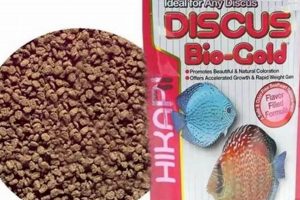
Tip 1: Select Appropriate Fish Food Types: Flake food formulated for herbivorous fish is generally a safer option than those designed for carnivorous fish. Avoid fish food with high protein content, which can cause digestive issues in tadpoles.
Tip 2: Supplement with Natural Food Sources: While fish food can be a convenient supplement, it should not be the sole dietary component. Augment the diet with algae wafers, boiled lettuce, or spinach to mimic their natural food sources.
Tip 3: Monitor Water Quality: Fish food can decompose rapidly, leading to a decline in water quality. Implement regular water changes and filtration to maintain a clean and healthy aquatic environment.
Tip 4: Avoid Overfeeding: Overfeeding can result in uneaten food accumulating and polluting the water. Offer small portions that the tadpoles can consume within a few hours.
Tip 5: Consider the Tadpole Species: Dietary needs vary among tadpole species. Research the specific requirements of the species in question to ensure appropriate feeding strategies are implemented.
Tip 6: Observe Tadpole Behavior: Closely monitor the tadpoles’ feeding behavior. If they appear disinterested in the fish food or exhibit signs of digestive distress, re-evaluate the feeding strategy.
Tip 7: Grind the Food: Offer the food in a powdered or very small form. The smaller particle size is easier for tadpoles to ingest and digest.
Following these guidelines aids in mitigating potential risks associated with feeding tadpoles fish food and promotes their healthy growth and development.
The subsequent section will address alternative dietary options and best practices for raising tadpoles in various environments.
1. Nutritional Content

The nutritional content of fish food is a pivotal determinant in its suitability for tadpoles. A comprehensive evaluation of the food’s components is essential to ascertain whether it adequately supports the growth and development of these amphibians. The following considerations address key facets of nutritional content.
- Protein Levels
Tadpoles generally require lower protein levels than many fish species. Excess protein can lead to digestive problems and water quality issues due to increased waste production. Therefore, fish food with moderate to low protein content is preferable, typically around 30% or less.
- Fiber Content
Fiber is vital for tadpole digestion. It aids in the proper functioning of their digestive system and helps prevent constipation. Fish food with a substantial fiber content, particularly from plant-based sources, is advantageous.
- Vitamin and Mineral Composition
A balanced array of vitamins and minerals is indispensable for optimal tadpole health. Fish food enriched with essential nutrients like vitamin A, vitamin D, calcium, and phosphorus can promote bone development and immune function. However, the quantities must be appropriate for tadpoles, as excessive supplementation can also be detrimental.
- Carbohydrate Sources
Carbohydrates serve as an energy source for tadpoles. Complex carbohydrates, such as those found in algae and plant matter, are more beneficial than simple sugars. Fish food containing complex carbohydrates offers a more sustained energy release and supports healthy metabolic processes.
The above facets collectively highlight the significance of scrutinizing the nutritional profile of fish food before considering its use for tadpoles. While fish food can provide a convenient feeding option, its nutritional composition must closely match the specific requirements of the tadpole species to ensure healthy growth and prevent potential health complications.
2. Species Variation
Dietary preferences and nutritional needs within tadpole populations diverge significantly across species. This variation directly influences the suitability of fish food as a viable dietary option. An understanding of species-specific requirements is paramount when considering the introduction of manufactured fish food into a tadpole’s diet.
- Herbivorous vs. Omnivorous Tendencies
Certain tadpole species exhibit primarily herbivorous feeding habits, relying heavily on algae and plant matter. For these species, fish food designed for carnivorous fish, with high protein levels, may be detrimental. Conversely, omnivorous tadpoles might tolerate or even benefit from fish food with a moderate protein content, provided that it is supplemented with sufficient plant-based materials. Example: African clawed frog tadpoles (Xenopus laevis) are known to consume a broader range of food sources compared to solely herbivorous species.
- Digestive System Morphology
The structure and function of a tadpole’s digestive system are closely linked to its natural diet. Species adapted to digesting plant matter possess longer intestines and specialized enzymes for breaking down cellulose. Introducing highly processed fish food to a species with a less-developed digestive system can lead to digestive upset and nutrient malabsorption. Example: Tadpoles with elongated guts can effectively process plant material, unlike those with shorter guts that require more easily digestible food.
- Growth Rate and Metamorphic Timing
Species with rapid growth rates and shorter larval periods may have higher nutritional demands compared to those with slower development. Supplementation with fish food might accelerate growth in fast-developing species, but it also carries the risk of developmental abnormalities if the diet is not properly balanced. Conversely, slowly developing species might thrive on a more varied diet that includes both natural and artificial food sources. Example: Some frog species metamorphose within weeks, while others remain tadpoles for months or even years, influencing their dietary needs.
- Susceptibility to Water Quality Changes
Certain species are more sensitive to fluctuations in water quality caused by the decomposition of uneaten food. Fish food, if not carefully managed, can contribute to increased ammonia levels and bacterial blooms, negatively impacting sensitive tadpole species. Species with robust immune systems and tolerance to poor water conditions may be less affected. Example: Some tadpole species can survive in stagnant or polluted waters, while others require pristine aquatic environments.
Ultimately, determining whether tadpoles can consume fish food necessitates a species-specific approach. While some species may benefit from carefully selected and supplemented fish food, others might experience detrimental effects. Thorough research into the natural diet and physiological characteristics of each species is crucial before incorporating fish food into their feeding regimen.
3. Water Quality

The intersection of water quality and the consumption of fish food by tadpoles forms a critical nexus in amphibian development and husbandry. The introduction of fish food into a tadpole’s environment, particularly in captive settings, directly impacts water parameters. The primary concern stems from the decomposition of uneaten food particles. As these particles break down, they release ammonia, a nitrogenous waste product highly toxic to aquatic organisms, including tadpoles. Elevated ammonia levels can lead to physiological stress, suppressed immune function, and, in severe cases, mortality. The impact is further amplified in enclosed or poorly filtered systems, where ammonia accumulation occurs more rapidly.
Maintaining optimal water quality necessitates a multifaceted approach when fish food is used. Regular water changes are crucial to dilute accumulated toxins. Effective filtration systems, including both mechanical and biological components, play a vital role in removing particulate matter and converting ammonia into less harmful substances like nitrite and nitrate. The type of fish food selected also influences water quality; some formulations are more prone to disintegration and thus contribute more significantly to ammonia production. Overfeeding is a common pitfall that exacerbates water quality degradation, underscoring the importance of providing only the amount of food tadpoles can consume within a reasonable timeframe. Real-world examples from amphibian research facilities and hobbyist setups consistently demonstrate a direct correlation between meticulous water quality management and tadpole survival rates when artificial diets, such as fish food, are employed.
In summary, the decision to incorporate fish food into a tadpole’s diet carries a responsibility to diligently monitor and manage water quality. Elevated ammonia, nitrite, and nitrate levels arising from decomposing fish food pose a direct threat to tadpole health. Proactive measures, including frequent water changes, efficient filtration, careful food selection, and controlled feeding practices, are essential for mitigating these risks and fostering a healthy aquatic environment conducive to tadpole growth and metamorphosis. The challenges inherent in maintaining water quality highlight the need for informed and responsible amphibian care.
4. Digestive Capacity

The digestive capacity of tadpoles profoundly influences their ability to utilize fish food effectively. Tadpole digestive systems are often specialized for processing algae, plant matter, and detritus. The efficiency with which they can break down and absorb nutrients from these natural food sources differs significantly from their ability to digest the processed ingredients found in fish food. Consequently, a tadpole’s inherent digestive capabilities dictate the extent to which fish food can serve as a viable substitute or supplement to their natural diet. A mismatch between digestive physiology and food composition can lead to malabsorption, nutritional deficiencies, or even gastrointestinal distress. For example, tadpoles lacking the necessary enzymes to break down certain proteins or carbohydrates present in fish food may exhibit stunted growth or experience digestive impactions.
The practical significance of understanding a tadpole’s digestive capacity lies in tailoring the diet to suit its physiological limitations. If fish food is to be incorporated, selecting formulations with easily digestible ingredients and supplementing with natural food sources becomes essential. Furthermore, careful observation of tadpole behavior and fecal consistency can provide valuable insights into their digestive health. Changes in feeding patterns, bloating, or abnormal fecal output may indicate digestive difficulties related to the introduction of fish food. Adjusting the quantity, frequency, or type of fish food offered can mitigate these issues. In some cases, pre-treating fish food by soaking it in water to soften it or grinding it into smaller particles may improve digestibility. Examining the digestive enzyme composition of different tadpole species could further refine our understanding and allow for the development of species-specific dietary guidelines.
In conclusion, digestive capacity represents a critical determinant of whether tadpoles can effectively utilize fish food. A thorough understanding of tadpole digestive physiology, coupled with careful observation and dietary adjustments, is necessary to ensure optimal nutrient absorption and minimize the risk of digestive complications. The challenge lies in balancing the convenience of fish food with the specific digestive needs of each tadpole species, ensuring that artificial diets complement, rather than compromise, their natural digestive processes.
5. Supplementation Needed

The extent to which commercially produced fish food meets the complete nutritional requirements of tadpoles is a central consideration. Often, fish food alone does not provide a sufficiently balanced diet, thus necessitating supplementation to support optimal growth and development.
- Vitamin and Mineral Deficiencies
Fish food formulations may lack the full spectrum of vitamins and minerals required by tadpoles. For example, vitamin D3, essential for calcium absorption and bone development, might be present in insufficient quantities. Similarly, trace minerals crucial for enzymatic functions could be deficient. Supplementation with commercially available amphibian vitamin supplements, or through the inclusion of naturally vitamin-rich foods, can mitigate these deficiencies. A lack of appropriate supplementation can result in skeletal deformities or impaired immune responses.
- Fiber Content Imbalance
Many fish food options contain inadequate levels of fiber, a critical component for digestive health in tadpoles, particularly those with herbivorous tendencies. Insufficient fiber can lead to digestive impaction and reduced nutrient absorption. Supplementation with blanched leafy greens like spinach or lettuce introduces natural fiber sources into the diet, promoting healthy gut motility and overall digestive well-being. This supplementation mimics the natural ingestion of plant matter in their native habitats.
- Algal Component Limitations
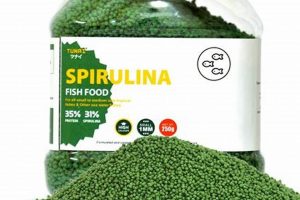
Tadpoles in their natural environment consume various types of algae, a food source rich in essential fatty acids and specific micronutrients. Standard fish food often fails to replicate this algal diversity. Supplementing with algae wafers or spirulina powder can provide these crucial nutrients, supporting healthy growth and immune function. The absence of these components may result in suboptimal development and reduced resistance to disease.
- Protein Source Inadequacy
While some fish food formulations provide protein, the protein source may not be optimal for tadpole digestion and amino acid requirements. Supplementation with live or frozen invertebrates, such as daphnia or bloodworms (in moderation and for omnivorous species), can offer a more bioavailable source of protein and essential amino acids. Sole reliance on plant-based protein from fish food might not fully satisfy the protein needs of certain tadpole species, leading to slower growth rates or developmental abnormalities.
Addressing these potential nutritional gaps through appropriate supplementation is paramount when relying on fish food as a primary food source for tadpoles. The specific supplements needed depend on the fish food’s composition and the tadpole species’ unique dietary requirements. Careful observation and research into the species’ natural diet inform effective supplementation strategies, maximizing the benefits of fish food while mitigating potential nutritional deficiencies.
6. Potential Risks
The practice of feeding tadpoles fish food introduces several potential risks, primarily stemming from nutritional imbalances and environmental degradation. Fish food formulations are often designed for the dietary needs of fish, not the specific requirements of developing amphibians. This discrepancy can lead to malnourishment, characterized by stunted growth, skeletal deformities, or delayed metamorphosis. The protein content in some fish food, for example, may be too high for certain tadpole species, causing digestive distress and ammonia spikes in the water. Furthermore, the absence of essential nutrients found in a tadpole’s natural diet, such as specific algae and micronutrients, can impair immune function and overall health. Real-life examples include instances where tadpoles raised solely on fish food exhibit edema (fluid retention) or fail to undergo metamorphosis successfully. Recognizing and mitigating these nutritional deficiencies is therefore a critical component of responsible tadpole care when employing fish food.
Beyond nutritional concerns, the use of fish food presents risks to the aquatic environment in which tadpoles are raised. Uneaten fish food rapidly decomposes, leading to a decline in water quality. This decomposition generates ammonia, nitrites, and nitrates, all of which are toxic to tadpoles at elevated concentrations. Such pollution can create a stressful or even lethal environment, particularly in closed or poorly filtered systems. The increased organic load can also promote the growth of harmful bacteria and fungi, further compromising tadpole health. Practical application of this understanding involves diligent water quality monitoring and frequent water changes to minimize the accumulation of toxins. Additionally, careful selection of fish food with low disintegration rates and prudent feeding practices are essential to mitigate these environmental risks.
In summary, while fish food can provide a convenient food source for tadpoles in captive settings, potential risks relating to nutrition and environmental degradation must be acknowledged and addressed. The practice necessitates careful consideration of species-specific dietary requirements, meticulous water quality management, and a willingness to supplement with natural food sources. The challenge lies in striking a balance between the convenience of artificial diets and the biological needs of the developing amphibian, ensuring that the benefits outweigh the potential harms. The well-being of the tadpoles should always be prioritized.
7. Developmental Stage

The nutritional needs of tadpoles are not static; they evolve considerably across their various developmental stages. The suitability of fish food as a component of their diet is therefore intrinsically linked to the specific stage of development a tadpole has reached, necessitating a nuanced approach to feeding strategies. A diet that is appropriate and beneficial at one stage may be inadequate or even harmful at another.
- Early Larval Stage: Emphasis on Microorganisms and Algae
In the initial days after hatching, tadpoles typically possess limited mobility and digestive capabilities. Their primary food sources consist of microscopic organisms, such as phytoplankton and bacteria, and easily digestible algae. Fish food, in its standard flake or pellet form, is often too large and difficult for these newly hatched larvae to ingest and process effectively. Introducing finely ground or liquid fish food formulations designed for fry might be considered, but even then, a focus on providing natural, readily digestible food sources remains paramount. Neglecting these early dietary needs can lead to stunted growth and increased mortality rates.
- Mid-Larval Stage: Increased Feeding Capacity and Dietary Diversity
As tadpoles progress into the mid-larval stage, their feeding apparatus and digestive systems become more developed. They are capable of consuming larger particles and exhibit a broader range of dietary preferences. At this stage, the judicious introduction of finely crushed fish food may be feasible, particularly if the species is known to be omnivorous. However, supplementation with natural food sources, such as algae wafers or boiled vegetables, remains crucial to ensure a balanced intake of essential nutrients. Over-reliance on fish food without adequate supplementation can result in nutritional deficiencies and developmental abnormalities. The key at this stage is to carefully observe feeding behavior and adjust the diet accordingly.
- Late Larval Stage (Pre-Metamorphosis): Protein and Energy Demands Increase
In the final stages of larval development, as tadpoles prepare for metamorphosis, their protein and energy demands typically increase significantly. Fish food with a moderate protein content, supplemented with natural protein sources like small invertebrates (for omnivorous species), can support the rapid growth and tissue remodeling required for metamorphosis. However, it is crucial to avoid overfeeding protein-rich foods, as this can lead to water quality issues and digestive problems. The physical form of the food is also important; tadpoles at this stage can generally consume larger particles, but the food should still be easily digestible to prevent impactions. A balanced diet that supports the energetic demands of metamorphosis is critical for successful transition to the juvenile froglet or toadlet stage.
In summary, the developmental stage of a tadpole dictates the suitability of fish food as a dietary component. Early-stage larvae require easily digestible microorganisms and algae, mid-stage tadpoles can tolerate small amounts of finely crushed fish food supplemented with natural sources, and late-stage larvae benefit from a moderately protein-rich diet in preparation for metamorphosis. A thorough understanding of these stage-specific nutritional needs, coupled with careful observation and dietary adjustments, is essential for ensuring the healthy growth and development of tadpoles raised in captive environments. The focus should be on mimicking their natural dietary progression as closely as possible, regardless of the convenience offered by commercially available fish food.
Frequently Asked Questions Regarding Fish Food Consumption by Tadpoles
This section addresses common inquiries concerning the suitability of fish food as a dietary component for tadpoles, providing clarity on its appropriate use and potential limitations.
Question 1: Is fish food a nutritionally complete diet for all tadpole species?
No, fish food typically does not constitute a nutritionally complete diet for all tadpole species. The dietary requirements of tadpoles vary significantly depending on their species and developmental stage. Supplementation with natural food sources is often necessary.
Question 2: What types of fish food are most suitable for tadpoles?
Flake food formulated for herbivorous fish is generally considered the most suitable option. Fish food with high protein content or designed for carnivorous fish should be avoided, as it can cause digestive problems in tadpoles.
Question 3: How does fish food affect water quality in tadpole habitats?
Fish food can negatively impact water quality. Uneaten fish food decomposes rapidly, leading to increased ammonia levels, which are toxic to tadpoles. Regular water changes and effective filtration are essential to mitigate this effect.
Question 4: Can tadpoles consume fish food at all stages of their development?
The suitability of fish food varies depending on the tadpole’s developmental stage. Newly hatched tadpoles may have difficulty consuming standard fish food, while older tadpoles may require a more protein-rich diet than fish food alone can provide. Adjustment is required.
Question 5: What are the potential risks of feeding tadpoles solely on fish food?
Potential risks include nutritional deficiencies, digestive problems, and water quality degradation. A diet consisting solely of fish food may lack essential nutrients and can lead to skeletal deformities, stunted growth, or even mortality.
Question 6: How can the risks associated with fish food be minimized when feeding tadpoles?
Risks can be minimized through careful selection of appropriate fish food types, supplementation with natural food sources, regular water changes, effective filtration, and avoidance of overfeeding. Observing the tadpoles’ behavior and adjusting the feeding strategy accordingly is also crucial.
In summary, while fish food can serve as a convenient dietary supplement for tadpoles, it is essential to understand its limitations and potential risks. A balanced and well-managed approach is required to ensure the health and well-being of these developing amphibians.
The subsequent section will explore best practices for raising tadpoles in captivity, incorporating insights gained from this discussion of fish food as a dietary option.
Regarding the Consumption of Fish Food by Tadpoles
The inquiry “do tadpoles eat fish food” has been explored through a lens of nutritional requirements, environmental considerations, and developmental stages. While commercially available fish food can serve as a convenient supplement, its inherent limitations necessitate careful evaluation and strategic implementation. Nutritional deficiencies, water quality degradation, and species-specific dietary needs remain paramount concerns. Therefore, fish food should not be viewed as a comprehensive or universally applicable food source for tadpoles.
Responsible amphibian care demands a commitment to informed decision-making. Future research should focus on developing species-specific dietary guidelines and refining fish food formulations to better meet the unique nutritional needs of tadpoles. Only through such rigorous investigation and careful application can the potential benefits of fish food be realized without compromising the health and well-being of these developing amphibians.