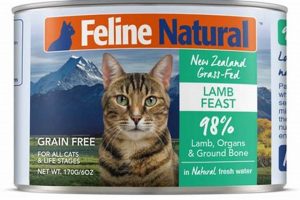
Dietary management plays a critical role in regulating blood glucose levels and overall health in felines diagnosed with diabetes mellitus. A key component of this management often involves commercially prepared wet products formulated with specific nutritional profiles. These formulations are generally characterized by high protein, low carbohydrate, and moderate fat content. An example includes a chicken and vegetable pate specifically manufactured to meet the needs of cats with compromised glucose regulation.
Such specialized diets can contribute significantly to improved glycemic control and reduced reliance on exogenous insulin in some diabetic felines. Historically, dry kibble was the predominant form of feline nutrition, but the realization that higher carbohydrate content could exacerbate diabetic conditions led to the increased development and prescription of these moisture-rich alternatives. This shift is underpinned by the understanding that cats are obligate carnivores and thrive on protein-centric diets.
The following sections will delve into the specific nutritional considerations, benefits, and practical aspects of selecting and implementing appropriate dietary strategies for felines with diabetes. Further discussion will address the formulation of these diets, how they support diabetic management, and critical factors to consider when choosing the optimal product for an individual animal.
Dietary Guidance for Diabetic Felines
Effective management of feline diabetes mellitus necessitates careful consideration of dietary choices. The following points provide guidance on selecting and implementing appropriate feeding strategies.
Tip 1: Prioritize Protein Content: Select formulations with a high percentage of animal-based protein. Elevated protein intake assists in satiety and minimizes postprandial glucose spikes.
Tip 2: Minimize Carbohydrate Levels: Lower carbohydrate content is essential for maintaining stable blood glucose. Avoid products containing grains, corn, or excessive vegetable matter.
Tip 3: Monitor Label Ingredients: Scrutinize ingredient lists for hidden sources of carbohydrates, such as starches or sugars. Opt for products with transparent and easily identifiable ingredients.
Tip 4: Consider Moisture Content: Higher moisture levels, naturally present in wet formulations, can contribute to improved hydration and kidney function, particularly beneficial for diabetic felines.
Tip 5: Establish a Consistent Feeding Schedule: Regular feeding times, aligned with insulin administration if applicable, help maintain consistent glucose levels throughout the day.
Tip 6: Transition Gradually: When changing diets, introduce the new formulation slowly to minimize gastrointestinal upset. A gradual transition over 7-10 days is generally recommended.
Tip 7: Consult with a Veterinary Professional: Individual dietary needs vary. A veterinarian’s expertise is crucial for tailoring a diet plan that complements the animal’s overall health profile and treatment regimen.
The implementation of these strategies can significantly contribute to improved glycemic control and overall well-being in felines diagnosed with diabetes. Consistent monitoring and adjustments, guided by veterinary advice, are paramount.
The next section will explore specific product considerations and address potential challenges in dietary management of feline diabetes.
1. High Protein

The inclusion of elevated protein levels in specialized wet feline diets is predicated on several physiological factors relevant to diabetic cats. A diet rich in protein derived from animal sources has a minimal impact on postprandial glucose levels, avoiding the sharp increases often observed with higher carbohydrate intakes. This is because protein is metabolized more slowly than carbohydrates and does not readily convert to glucose. Consequently, increased protein supports more stable blood glucose concentrations, a primary goal in diabetes management. Furthermore, protein supports lean muscle mass, which can be compromised in diabetic animals due to impaired glucose utilization.
The practical application of this principle involves selecting commercially available formulations explicitly labeled as “high protein.” For instance, a prescription diet containing 45% protein on a dry matter basis, sourced primarily from chicken and fish, demonstrates this approach. Such formulations can assist in reducing the need for exogenous insulin in some felines, although veterinary monitoring is essential. Feeding trials have indicated that these diets can also contribute to weight management, another critical factor in managing feline diabetes, since obesity can exacerbate insulin resistance.
In summary, the rationale for high protein content in dietary management is rooted in its minimal impact on blood glucose, support for lean muscle mass, and potential contribution to weight management. The implementation of high-protein dietary strategies requires careful consideration of individual animal needs and close veterinary supervision. While high protein is beneficial, it must be balanced with other essential nutrients, such as appropriate fat levels, to ensure overall health and well-being.
2. Low Carbohydrate

In the dietary management of feline diabetes mellitus, a controlled carbohydrate intake is paramount. Wet formulations designed for diabetic felines are explicitly formulated to minimize carbohydrate content, aligning with the physiological needs of obligate carnivores and mitigating hyperglycemia.
- Glycemic Control
Reduced carbohydrate intake directly influences postprandial blood glucose levels. Unlike dry kibble, which often incorporates grains and starches as binding agents, wet products can be formulated with minimal to no added carbohydrates. This results in a blunted glucose response after feeding, facilitating improved glycemic control and potentially reducing the need for insulin administration.
- Metabolic Efficiency
Cats are metabolically adapted to utilize protein and fat as primary energy sources. Excess carbohydrates are less efficiently processed, leading to potential weight gain and exacerbation of insulin resistance. Wet products with low carbohydrate content support a more natural metabolic pathway, promoting lean muscle mass and optimized energy utilization.
- Ingredient Selection
The formulation of low-carbohydrate wet foods necessitates careful ingredient selection. Instead of grains, corn, or potatoes, these products rely on animal-based protein sources and, in some cases, small amounts of non-starchy vegetables for fiber. Ingredient lists should be scrutinized to identify and avoid hidden sources of carbohydrates, such as added sugars or thickening agents.
- Weight Management
Obesity is a significant risk factor for feline diabetes. By limiting carbohydrate intake and promoting protein-based energy metabolism, specialized wet products can assist in weight management. A reduction in body fat can improve insulin sensitivity and overall metabolic health. Regular monitoring of body condition score is recommended to assess the effectiveness of the dietary intervention.
These factors collectively underscore the importance of low carbohydrate content in wet formulations designed for diabetic felines. The combination of improved glycemic control, metabolic efficiency, strategic ingredient selection, and weight management support the use of such diets as a key component of a comprehensive diabetes management plan. However, individual dietary needs vary, and veterinary consultation is essential to determine the most appropriate approach for each animal.
3. Moisture Content

Adequate hydration is crucial in the management of feline diabetes mellitus, and the high moisture content inherent in wet formulations directly addresses this need. Diabetic cats often experience increased urination (polyuria) due to elevated blood glucose levels, leading to dehydration. This dehydration can exacerbate other diabetic complications and negatively impact renal function. Wet products, with a typical moisture content of 70-80%, provide a significant source of water, helping to counteract fluid loss and maintain proper hydration status. This is particularly beneficial for cats that do not readily drink from a water bowl.
Consider a scenario where a diabetic feline is primarily fed dry kibble, which generally contains only 5-10% moisture. This feline is at a higher risk of dehydration, potentially leading to urinary tract issues and further compromising kidney health. In contrast, transitioning this feline to a diet consisting solely of wet food would dramatically increase their daily water intake, mitigating the risks associated with dehydration. Moreover, the increased water volume in the diet can promote satiety, which can aid in weight management, a significant factor in controlling diabetes. For instance, commercially available wet diets specifically formulated for diabetic cats include a high percentage of water as part of their nutritional profile, emphasizing hydration as a key component of therapy.
The integration of high-moisture wet products into the dietary regimen of diabetic felines represents a practical and effective strategy for supporting hydration and overall health. While monitoring water intake and urine output remains important, the inherent moisture content of wet products provides a tangible benefit in combating dehydration, supporting renal function, and promoting satiety. This approach is most effective when combined with other dietary and medical interventions, under the guidance of a veterinary professional, to ensure comprehensive diabetes management.
4. Ingredient Quality

The quality of ingredients within wet formulations for diabetic felines directly impacts the efficacy of dietary management. Selecting appropriate ingredients is pivotal for glycemic control, digestive health, and overall well-being.
- Protein Source and Digestibility
The primary protein source must be of high biological value and readily digestible. Animal-based proteins, such as chicken, turkey, or fish, generally exhibit superior digestibility compared to plant-based alternatives. Inadequate protein digestion can lead to malabsorption and increased gastrointestinal distress, potentially disrupting glycemic control. For example, a formulation using hydrolyzed protein may be beneficial for felines with sensitivities, enhancing nutrient absorption and minimizing adverse reactions.
- Carbohydrate Source and Glycemic Index
While carbohydrates should be minimized, any included carbohydrates should possess a low glycemic index to prevent rapid glucose spikes. Ingredients like peas or sweet potatoes, used sparingly and in limited quantities, are preferable to high-glycemic grains such as corn or wheat. Furthermore, the fiber content of these carbohydrates can influence glucose absorption, impacting the overall glycemic response. The avoidance of added sugars, syrups, and artificial sweeteners is crucial to maintaining stable blood glucose levels.
- Fat Source and Omega-3 Fatty Acids
The type and quality of fat influence insulin sensitivity and inflammation. Omega-3 fatty acids, such as those derived from fish oil, possess anti-inflammatory properties and can improve insulin responsiveness. The fat source should be stable and resistant to oxidation, as rancid fats can contribute to oxidative stress and cellular damage. For example, formulations supplemented with EPA and DHA, two key omega-3 fatty acids, may offer added benefits for diabetic felines.
- Absence of Artificial Additives and Fillers
Artificial colors, flavors, and preservatives offer no nutritional value and may trigger adverse reactions in sensitive animals. Fillers, such as cellulose or beet pulp, can dilute the nutrient density of the food and potentially interfere with nutrient absorption. Opting for formulations with minimal processing and a transparent ingredient list minimizes the risk of adverse effects and ensures that the feline receives a nutrient-rich and easily digestible diet.
The selection of wet diets with high-quality ingredients is essential for supporting glycemic control, minimizing digestive upset, and promoting overall health in diabetic felines. Consideration of protein digestibility, carbohydrate source, fat quality, and the absence of artificial additives directly contribute to the efficacy of dietary management and the well-being of the animal. A diet comprised of high-quality ingredients not only aids in the management of diabetes but also supports overall vitality and longevity.
5. Veterinarian Approval

The association between veterinarian endorsement and wet formulations for felines afflicted with diabetes mellitus is indispensable for effective management and optimized patient outcomes. Dietary recommendations for diabetic cats necessitate individualization, factoring in disease severity, concurrent health conditions, and the animal’s specific physiological response to nutritional interventions. A general, over-the-counter approach to dietary selection may prove inadequate, potentially leading to glycemic instability, nutritional imbalances, or exacerbation of underlying health issues. Veterinarian approval ensures that the chosen wet diet aligns with the cat’s unique requirements, based on thorough examination, diagnostic testing, and comprehensive health assessment. For example, a feline with concurrent kidney disease requires a diet with controlled phosphorus levels, a parameter that a veterinarian can assess and address through informed dietary selection.
The process of obtaining veterinarian approval involves a detailed discussion of the cat’s medical history, current medications (including insulin dosage, if applicable), and dietary habits. The veterinarian may conduct blood glucose curves to evaluate the cat’s response to the existing diet and to guide the selection of a more appropriate wet formulation. This informed decision-making process minimizes the risk of adverse events associated with abrupt dietary changes or inappropriate nutritional composition. Real-life examples include cases where felines experienced rapid fluctuations in blood glucose levels, necessitating emergency veterinary intervention, following the adoption of a non-veterinarian-approved diet. Consequently, veterinarian oversight mitigates the potential for such adverse outcomes, promoting consistent glycemic control and overall health stability.
In conclusion, veterinarian approval is not merely a recommendation but a crucial component of diabetic feline dietary management. The individualized assessment, informed dietary selection, and ongoing monitoring provided by a veterinary professional contribute significantly to improved glycemic control, reduced risk of complications, and enhanced quality of life for diabetic felines. Challenges may arise in adherence to dietary recommendations or in managing concurrent health issues, but these can be addressed through continued communication and collaboration between the owner and the veterinarian, reinforcing the importance of professional oversight in the long-term management of this chronic condition.
6. Consistent Feeding
Consistent feeding schedules are crucial for diabetic felines, especially when dietary management includes specialized wet formulations. Irregular meal times can disrupt blood glucose levels, complicating diabetes management and potentially necessitating more frequent insulin adjustments. The predictable nutrient intake resulting from consistent feeding, when combined with a veterinarian-approved wet diet, promotes glycemic stability. For instance, administering the formulation at 12-hour intervals, synchronized with insulin injections if prescribed, minimizes fluctuations in blood glucose, maximizing the therapeutic effect of both diet and medication. Deviations from this established pattern can lead to hyperglycemia or hypoglycemia, both detrimental to the cat’s well-being.
Practical application of consistent feeding involves strict adherence to the established meal times, even on weekends or holidays. Automated feeders can assist in maintaining this consistency, particularly when owners are unavailable. The type of canned formulation should also remain constant to avoid variability in carbohydrate and nutrient absorption. For example, changing between different brands or formulations, even within the category of “diabetic” foods, can alter the feline’s glycemic response, necessitating careful monitoring and potential insulin dose adjustments. Furthermore, intercurrent illness, such as vomiting or diarrhea, should prompt immediate veterinary consultation, as these conditions can significantly impact nutrient absorption and disrupt the carefully managed feeding schedule.
In summary, consistent feeding forms an integral component of effective diabetes management in felines, particularly when utilizing wet formulations. This practice optimizes glycemic control, minimizes the need for insulin adjustments, and supports overall health stability. Challenges to consistency, such as travel or illness, require proactive planning and veterinary guidance. The combined approach of consistent feeding and veterinarian-approved wet formulations represents a cornerstone of comprehensive diabetic feline care, promoting both improved clinical outcomes and enhanced quality of life.
Frequently Asked Questions
The following questions address common concerns regarding the use of wet formulations in managing feline diabetes mellitus. The information presented is intended for educational purposes and should not substitute professional veterinary advice.
Question 1: Are all wet products suitable for diabetic felines?
No. Generic wet formulations may not possess the specific nutritional profiles required for effective diabetes management. Formulations designed for diabetic cats typically contain high protein, low carbohydrate, and controlled fat content. Careful label evaluation is essential.
Question 2: Can dietary changes alone eliminate the need for insulin therapy?
In some instances, dietary modification can reduce or eliminate the requirement for exogenous insulin. However, this outcome is not guaranteed, and close monitoring by a veterinarian is essential. The severity of diabetes and individual response to dietary intervention influence the need for ongoing insulin therapy.
Question 3: How frequently should a diabetic feline be fed?
A consistent feeding schedule is crucial. Typically, twice-daily feeding is recommended, aligning with insulin administration if applicable. However, individual needs may vary, and veterinary guidance is paramount in determining the optimal feeding frequency.
Question 4: Is it acceptable to supplement a diabetic feline’s diet with treats?
Treats should be carefully selected and strictly limited. Opt for treats specifically designed for diabetic animals, which are typically low in carbohydrates. The total caloric intake from treats should be accounted for to prevent overfeeding and maintain glycemic control.
Question 5: What signs indicate that a dietary change is negatively impacting a diabetic feline?
Signs of adverse effects include changes in appetite, weight loss or gain, increased thirst or urination, vomiting, diarrhea, and fluctuations in blood glucose levels. Any of these symptoms warrant prompt veterinary evaluation.
Question 6: Where can appropriate wet formulations for diabetic felines be purchased?
Many veterinary clinics carry specialized diets for diabetic felines. These formulations may also be available at pet supply stores or online retailers. However, it is essential to obtain veterinarian approval prior to purchasing any new dietary product.
These FAQs are intended to provide general guidance. Individual cases of feline diabetes require personalized management plans developed in consultation with a qualified veterinary professional.
The following section will summarize key dietary considerations for diabetic felines.
Canned Food for Diabetic Cats
This exploration has underscored the vital role of appropriately formulated canned food for diabetic cats in achieving and maintaining glycemic control. Key aspects include high protein content, minimized carbohydrate levels, adequate moisture, and ingredient quality, all under the guidance of a veterinarian. Consistent feeding schedules further enhance the benefits of these specialized diets, contributing to improved clinical outcomes.
The selection and implementation of canned food for diabetic cats should be approached as an integral part of a comprehensive diabetes management plan. Continuous monitoring and diligent veterinary consultation are essential to ensure optimal results and address the dynamic needs of the diabetic feline. Prioritizing these considerations contributes to enhanced well-being and extended longevity for affected animals.


![[FAQ] Can I Feed Goldfish Betta Food? Risks & Tips | World’s Most Delicious Foods: Must-Try Dishes from Every Country](https://lisasfoods.com/wp-content/uploads/2026/05/th-278-300x200.jpg "[FAQ] Can I Feed Goldfish Betta Food? Risks & Tips World’s Most Delicious Foods: Must-Try Dishes from Every Country")