![Goldfish Food: Can Goldfish Eat Tropical Fish Food [Guide]?](data:image/svg+xml;base64,PHN2ZyB4bWxucz0iaHR0cDovL3d3dy53My5vcmcvMjAwMC9zdmciIHdpZHRoPSI0NzQiIGhlaWdodD0iNjYiIHZpZXdCb3g9IjAgMCA0NzQgNjYiPjxyZWN0IHdpZHRoPSIxMDAlIiBoZWlnaHQ9IjEwMCUiIHN0eWxlPSJmaWxsOiNjZmQ0ZGI7ZmlsbC1vcGFjaXR5OiAwLjE7Ii8+PC9zdmc+ "Goldfish Food: Can Goldfish Eat Tropical Fish Food [Guide]? World’s Most Delicious Foods: Must-Try Dishes from Every Country")
The practice of feeding goldfish provisions designed for tropical fish is a common point of inquiry among aquarists. The suitability of such diets hinges on the differing nutritional needs of these two fish types. Goldfish, being cold-water fish, require a diet formulated to meet their specific metabolic and digestive processes. In contrast, food created for tropical species caters to their distinct physiological requirements.
Understanding the potential consequences of dietary mismatches is paramount for maintaining fish health. Chronic consumption of food not optimally suited to a fish’s needs can lead to nutritional deficiencies, digestive issues, and a weakened immune system. Historically, limited availability of specialized fish food often necessitated the use of general-purpose provisions. However, the current market offers a wide array of species-specific diets, facilitating more tailored nutritional plans.
The following sections will delve deeper into the specific differences between goldfish and tropical fish diets, examine the potential risks and benefits of cross-feeding, and offer recommendations for ensuring optimal nutrition for goldfish.
Considerations Regarding Interspecies Dietary Practices
The following guidelines address the practice of feeding provisions intended for tropical fish to goldfish. Adherence to these recommendations may mitigate potential adverse health outcomes.
Tip 1: Assess Nutritional Composition. Before introducing tropical fish food, scrutinize the ingredient list. Goldfish require lower protein and higher carbohydrate content compared to many tropical species. Excessive protein can contribute to digestive problems.
Tip 2: Observe Feeding Behavior. Monitor goldfish closely after introducing a new food type. Changes in appetite, buoyancy, or waste production may indicate dietary intolerance.
Tip 3: Prioritize Variety. A varied diet is essential for optimal health. Supplement commercially prepared food with blanched vegetables or other appropriate food sources to ensure a balanced nutritional intake.
Tip 4: Limit Frequency of Cross-Feeding. If tropical fish food is used, restrict its administration to infrequent occasions rather than as a staple diet. Consistent exposure to an inappropriate diet can induce chronic health issues.
Tip 5: Consider Fiber Content. Goldfish benefit from a higher fiber intake to aid digestion. Verify that the tropical fish food contains sufficient fiber or supplement the diet accordingly.
Tip 6: Adjust Portion Sizes. Tropical fish food may have a different density than goldfish food. Adjust portion sizes to prevent overfeeding and maintain water quality.
Tip 7: Research Specific Brands. Ingredient composition varies significantly between brands of tropical fish food. Investigate the nutritional profile of specific products to make informed decisions.
These guidelines emphasize the importance of careful consideration when contemplating feeding goldfish food formulated for tropical fish. While occasional use may not be immediately detrimental, prioritizing a diet tailored to the specific needs of goldfish remains paramount for long-term health and vitality.
The subsequent section will provide a concluding perspective on the long-term implications of dietary choices for goldfish health.
1. Nutritional Differences

The nutritional divergence between goldfish and tropical fish necessitates distinct dietary approaches. Whether goldfish can adequately thrive on provisions formulated for tropical species is fundamentally tied to these variations, influencing health outcomes and longevity.
- Protein Content Discrepancy
Goldfish require a lower protein percentage in their diet compared to many tropical fish. The higher protein levels typical in tropical fish food can strain the goldfish’s digestive system, potentially leading to issues like swim bladder disorder. In natural aquatic environments, goldfish consume more plant-based matter and insects, reflecting their lower protein needs. The formulation of tropical fish food often prioritizes carnivorous or omnivorous species, which thrive on protein-rich diets. This difference is a primary concern when evaluating the suitability of tropical food for goldfish.
- Carbohydrate and Fiber Requirements
Goldfish require a greater proportion of carbohydrates and fiber for efficient digestion and energy. Tropical fish food may not provide sufficient quantities of these components, leading to potential digestive complications for goldfish. Fiber aids in the proper movement of food through the digestive tract, preventing constipation and other related ailments. Carbohydrates serve as a primary energy source for goldfish, supporting their activity levels and metabolic processes. A deficiency in these areas can result in lethargy and increased susceptibility to illness.
- Fat Composition and Quantity
The fat content and type within fish food formulations also vary between goldfish and tropical species. While both require fats for energy and vitamin absorption, the specific fatty acid profiles and overall quantities can differ. Excessive fat, particularly saturated fats, can be detrimental to goldfish health, contributing to liver problems and obesity. Food designed for tropical fish may contain higher levels of fat to meet the needs of more active, predatory species. Careful consideration of fat composition is therefore essential when contemplating cross-feeding.
- Vitamin and Mineral Supplementation
Specific vitamin and mineral requirements can vary between goldfish and tropical fish. While many essential nutrients are shared, the optimal concentrations may differ. Tropical fish food is formulated to provide the vitamins and minerals necessary for those species, which may not align perfectly with the needs of goldfish. Over or under-supplementation of certain nutrients can lead to imbalances and potential health issues. Therefore, relying solely on tropical fish food may not provide the complete and balanced micronutrient profile that goldfish require for long-term health.
These identified nutritional differences underscore the potential risks associated with routinely feeding goldfish food intended for tropical fish. While occasional consumption may not be acutely harmful, consistent adherence to such a diet can lead to nutritional deficiencies and health complications. Prioritizing species-appropriate nutrition remains paramount for ensuring the health and longevity of goldfish.
2. Protein Levels

Protein content is a critical determinant in assessing the suitability of tropical fish food for goldfish. The dietary protein requirements of these species diverge significantly, impacting the fish’s digestive processes and overall health. Excessive protein intake, a common characteristic of tropical fish diets, can lead to adverse effects in goldfish.
- Metabolic Strain
Goldfish possess a digestive system adapted for processing lower protein levels than those found in many tropical fish foods. Consuming high-protein diets can place undue stress on the liver and kidneys as these organs work to metabolize the excess protein. Over time, this can lead to organ damage and reduced functionality. The metabolic inefficiency also results in increased ammonia production, potentially degrading water quality and further stressing the fish.
- Digestive Impairment
The goldfish’s digestive tract is relatively long and lacks a true stomach. It relies on a slower, more plant-based digestive process. A diet high in protein can overwhelm this system, leading to incomplete digestion and nutrient malabsorption. This can manifest as bloating, constipation, and an increased risk of swim bladder disorder, a common ailment in goldfish characterized by buoyancy problems.
- Nutrient Imbalance
Tropical fish food is often formulated with a higher protein-to-carbohydrate ratio compared to what is optimal for goldfish. This imbalance can lead to a deficiency in essential carbohydrates and fiber, which are crucial for energy production and digestive health in goldfish. Consequently, goldfish fed predominantly tropical fish food may exhibit lethargy and a weakened immune system due to inadequate energy reserves and compromised gut health.
- Increased Waste Production
The inefficient digestion of high-protein diets by goldfish leads to increased waste production. This results in a higher bioload in the aquarium, necessitating more frequent water changes and rigorous filtration to maintain water quality. The elevated levels of ammonia, nitrite, and nitrate can create a toxic environment for the goldfish, increasing their susceptibility to disease and stress.
These interconnected factors demonstrate the potential harm associated with consistently feeding goldfish provisions designed for tropical fish. The elevated protein levels in tropical fish food, while beneficial for certain species, can disrupt the delicate metabolic and digestive balance in goldfish, ultimately compromising their health and well-being. Careful consideration of dietary protein content is therefore essential when making nutritional choices for goldfish.
3. Fiber Content

The presence and proportion of fiber within fish food are critical factors when assessing whether goldfish can thrive on provisions intended for tropical fish. Goldfish possess a digestive system distinct from many tropical species, particularly in its reliance on fiber for optimal function. Insufficient fiber intake can lead to a cascade of digestive complications and compromise overall health. Tropical fish food, often formulated for carnivorous or omnivorous species, may not provide adequate fiber levels for the herbivorous tendencies of goldfish. This discrepancy represents a significant concern regarding the appropriateness of such a dietary substitution.
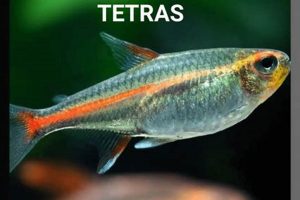
Fiber acts as a crucial component in the goldfish’s digestive process, promoting intestinal motility and facilitating the passage of waste. Its presence aids in preventing constipation and other digestive ailments, such as swim bladder disorder, a common condition in goldfish characterized by buoyancy problems. Tropical fish food, conversely, tends to prioritize protein and other nutrients more relevant to the dietary needs of tropical species. For instance, flake food designed for neon tetras is unlikely to contain the same level of plant-based material as a pellet formulated specifically for goldfish. Consequently, a goldfish consistently fed tropical fish food may experience digestive distress due to the lack of sufficient fiber to support proper gut function.
In conclusion, the inadequacy of fiber content in many tropical fish foods poses a significant challenge to their suitability as a staple diet for goldfish. While occasional consumption may not be immediately detrimental, chronic reliance on a low-fiber diet can result in digestive complications and compromised health. Prioritizing fish food specifically formulated to meet the higher fiber requirements of goldfish remains a vital practice for responsible aquarium keeping and the long-term well-being of these fish.
4. Digestive Impact

The practice of feeding goldfish food formulated for tropical fish carries significant implications for the digestive health of the goldfish. The fundamental divergence in dietary requirements between these two fish groups directly influences the efficiency and efficacy of the digestive process in goldfish consuming tropical fish food. The cause and effect relationship is clearly established: a diet inconsistent with the goldfish’s inherent digestive capabilities leads to a range of complications. For instance, the higher protein content typically found in tropical fish food overwhelms the goldfish’s digestive system, which is adapted for lower protein and higher carbohydrate intake. This can result in incomplete digestion, nutrient malabsorption, and increased waste production, thus directly impacting water quality and necessitating more frequent maintenance.
The importance of understanding this digestive impact is paramount for responsible fish keeping. A real-life example would be a goldfish developing swim bladder disorder after prolonged consumption of tropical flake food. This disorder, characterized by buoyancy problems, often stems from digestive issues related to inappropriate diet. Similarly, instances of constipation and bloating can be directly attributed to the low fiber content frequently found in tropical fish food, failing to adequately promote intestinal motility. Practically, this understanding translates into a need for careful scrutiny of food labels and a conscious effort to supplement the diet with fiber-rich options, such as blanched vegetables, if tropical fish food is utilized, albeit sparingly.
In conclusion, the digestive impact represents a critical component in evaluating the suitability of tropical fish food for goldfish. The challenges associated with dietary mismatches underscore the need for species-specific nutritional strategies. While occasional feeding of tropical fish food may not be immediately detrimental, a consistent dietary approach that acknowledges and addresses the digestive sensitivities of goldfish remains essential for their long-term health and well-being. The consideration of digestive impact is not merely an academic exercise but a practical imperative for responsible aquarium management.
5. Species Requirements

The determination of whether goldfish can thrive on tropical fish food is inextricably linked to the concept of species requirements. The fundamental differences in physiology, metabolism, and natural habitat between goldfish and tropical fish dictate distinct nutritional needs. Goldfish, originating from cooler waters and adapted to a more herbivorous diet, possess specific requirements that tropical fish food formulations often fail to adequately address. For instance, the higher protein content typically found in tropical fish food can place undue stress on the goldfish’s digestive system, leading to complications such as swim bladder disorder. This demonstrates a direct cause-and-effect relationship between neglecting species requirements and observing negative health outcomes.
The importance of adhering to species requirements stems from the necessity of providing an environment that supports optimal physiological function. Consider the example of a goldfish exhibiting lethargy and stunted growth after being exclusively fed tropical fish flakes for an extended period. This underscores the practical significance of understanding that goldfish require a higher proportion of carbohydrates and fiber than are typically present in tropical fish food. The stunted growth is a direct consequence of nutritional deficiencies arising from a diet that does not align with the goldfish’s inherent species requirements. Therefore, responsible fish keeping necessitates a proactive approach to ensuring that dietary choices reflect the specific needs of the species in question.
In conclusion, the suitability of tropical fish food for goldfish is fundamentally constrained by the failure to meet the latter’s species requirements. The examples of digestive issues and stunted growth serve as practical reminders of the potential consequences of disregarding these needs. While occasional consumption of tropical fish food may not be acutely harmful, a consistent dietary regimen should prioritize formulations designed to satisfy the unique nutritional profile dictated by the goldfish’s inherent species requirements, ensuring their long-term health and well-being.
6. Long-term effects
The sustained consumption of food designed for tropical fish by goldfish precipitates a range of long-term effects that warrant careful consideration. These effects stem from fundamental differences in nutritional requirements and digestive physiology between the two species, impacting the goldfish’s health and lifespan.
- Hepatic Lipidosis (Fatty Liver Disease)
Prolonged exposure to diets high in protein and fat, typical of many tropical fish food formulations, can lead to the accumulation of fat within the liver tissue of goldfish. This condition, known as hepatic lipidosis, impairs liver function, reducing its ability to process toxins and synthesize essential proteins. In severe cases, it can lead to liver failure and premature mortality. The slower metabolism of goldfish, compared to many active tropical species, exacerbates this risk.
- Renal Damage
The increased metabolic burden placed on the kidneys by high-protein diets can result in long-term renal damage. Goldfish kidneys are not optimally adapted to process the excess nitrogenous waste produced from protein metabolism. This can lead to chronic kidney inflammation and reduced filtration efficiency, increasing the risk of kidney stones and renal failure. The subtle onset of these issues often makes them difficult to detect until significant damage has occurred.
- Skeletal Deformities
Nutritional imbalances resulting from chronic consumption of inappropriate diets can disrupt skeletal development in goldfish, particularly in younger, growing individuals. Deficiencies in essential vitamins and minerals, coupled with an excess of protein, can lead to spinal curvature, fin deformities, and impaired bone density. These skeletal abnormalities can compromise swimming ability and overall quality of life.
- Compromised Immune Function
Long-term nutritional deficiencies weaken the immune system, rendering goldfish more susceptible to infections and parasitic infestations. A diet lacking in essential vitamins, minerals, and fiber disrupts the balance of gut microbiota, impairing the immune response. This increased vulnerability to disease can lead to chronic health problems and reduced lifespan.
These long-term effects underscore the importance of providing goldfish with a diet specifically formulated to meet their unique nutritional requirements. While occasional consumption of tropical fish food may not be immediately detrimental, a consistent dietary regimen based on such provisions can lead to severe and irreversible health problems. Prioritizing species-appropriate nutrition is paramount for ensuring the long-term health and well-being of goldfish.
7. Ingredient Analysis

Ingredient analysis serves as a critical tool in determining the suitability of tropical fish food for goldfish. By carefully examining the components of both types of food, one can discern whether the nutritional profile of the tropical fish food aligns with the dietary needs of goldfish, or whether significant discrepancies exist that could compromise their health. This process moves beyond simple generalizations and provides concrete data to inform responsible feeding practices.
- Protein Sources and Proportions
Ingredient analysis reveals the primary protein sources utilized in tropical fish food, which are frequently derived from fish meal, crustaceans, or soy. Goldfish require a lower protein percentage in their diet compared to many tropical species. Analysis of protein content helps ascertain whether the tropical fish food’s protein level falls within an acceptable range for goldfish, minimizing the risk of digestive problems or organ strain. For example, finding that a particular tropical flake food contains 40% protein, largely from fish meal, immediately raises concerns regarding its suitability for goldfish, which generally thrive on diets closer to 30% protein.
- Fiber Content and Composition
Ingredient analysis provides insights into the types and quantities of fiber present. Goldfish benefit from a higher fiber intake to aid digestion and prevent constipation. Analyzing ingredients such as wheat bran, alfalfa meal, or spirulina reveals the fiber sources and their relative abundance. If the analysis indicates a scarcity of fibrous ingredients in the tropical fish food, the likelihood of digestive issues in goldfish increases. Comparing this to goldfish-specific food, where plant-based sources are typically more prominent, highlights the nutritional mismatch.
- Fat Content and Types
Ingredient analysis delineates the sources and proportions of fats, identifying whether they are primarily derived from fish oils, vegetable oils, or animal fats. While goldfish require fats for energy and vitamin absorption, excessive fat intake can lead to liver problems. Analyzing the types of fats present, particularly the ratio of saturated to unsaturated fats, helps assess the potential for adverse health effects. For example, food with a high percentage of animal fats might be unsuitable due to their impact on liver function.
- Vitamin and Mineral Additives
Ingredient analysis extends to the examination of vitamin and mineral supplements included in the food. While both goldfish and tropical fish require similar micronutrients, the specific quantities may differ. Analysis identifies the presence and concentration of key vitamins (e.g., Vitamin A, Vitamin D, Vitamin C) and minerals (e.g., calcium, phosphorus). This allows for assessment of whether the tropical fish food provides adequate levels of these nutrients for goldfish, or whether supplementation would be necessary to avoid deficiencies. Lacking such nutrients and minerals will be damaging in a long-term period.
In conclusion, ingredient analysis offers a systematic approach to evaluating the appropriateness of feeding tropical fish food to goldfish. By scrutinizing the protein, fiber, fat, and micronutrient composition, one can make informed decisions regarding dietary choices. These details offer insight into whether the potential long-term health of the fish is guaranteed or not.
Frequently Asked Questions Regarding Goldfish and Tropical Fish Food
The following section addresses common inquiries concerning the suitability of tropical fish food for goldfish consumption. These questions and answers aim to clarify misconceptions and provide practical guidance.
Question 1: Is it inherently harmful for goldfish to consume tropical fish food?
Occasional consumption is unlikely to cause immediate harm; however, consistent reliance on tropical fish food as a staple diet can lead to nutritional deficiencies and health complications due to the differing dietary needs of goldfish and tropical fish.
Question 2: What are the primary nutritional differences between goldfish and tropical fish food?
Goldfish food typically contains lower protein levels and higher carbohydrate and fiber content compared to tropical fish food, reflecting the goldfish’s herbivorous tendencies and digestive physiology.
Question 3: How does high protein content in tropical fish food affect goldfish?
Excessive protein intake can strain the liver and kidneys of goldfish, leading to metabolic imbalances, digestive problems, and increased waste production in the aquarium.
Question 4: Can goldfish obtain sufficient fiber from tropical fish food?
Tropical fish food often lacks adequate fiber to support the digestive needs of goldfish, potentially resulting in constipation, swim bladder disorder, and other digestive complications.
Question 5: What are the long-term health risks associated with feeding goldfish tropical fish food?
Sustained consumption of tropical fish food can lead to hepatic lipidosis (fatty liver disease), renal damage, skeletal deformities, and compromised immune function in goldfish.
Question 6: Is it possible to supplement a tropical fish food diet to make it suitable for goldfish?
While supplementation with vegetables or fiber-rich foods can mitigate some risks, it is generally recommended to provide goldfish with a diet specifically formulated to meet their unique nutritional requirements for optimal health.
In summary, while goldfish can consume tropical fish food, its regular use is not advisable. Proper nutrition tailored to the species is essential for maintaining healthy goldfish.
The subsequent section will delve into practical strategies for ensuring optimal nutrition for goldfish, including recommended food types and feeding practices.
Conclusion
The preceding analysis demonstrates that the question of whether goldfish can eat tropical fish food is not a simple matter of palatability. While goldfish may consume such provisions, consistent feeding of tropical fish food carries significant risks to their health and longevity. The fundamental differences in nutritional needs, digestive physiology, and metabolic processes necessitate distinct dietary approaches for these species. Goldfish require a lower protein and higher carbohydrate and fiber diet compared to the formulations typically found in tropical fish food. The long-term consequences of dietary mismatches include hepatic lipidosis, renal damage, skeletal deformities, and compromised immune function. Therefore, while occasional ingestion may not be acutely harmful, it is prudent to avoid the routine feeding of tropical fish food to goldfish.
Aquarists are encouraged to prioritize the provision of species-appropriate nutrition to ensure the well-being of their goldfish. This necessitates careful selection of commercially prepared goldfish food, supplemented with appropriate vegetables and other dietary components, to achieve a balanced and complete nutritional profile. A vigilant approach to dietary management, grounded in an understanding of species-specific requirements, constitutes a cornerstone of responsible aquarium keeping.