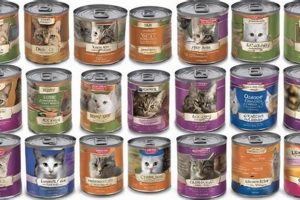
Dog food presents a nutritional profile significantly different from the dietary needs of guinea pigs. The formulation of canine diets is designed to meet the specific requirements of dogs, focusing on higher protein levels derived from meat sources. This composition fundamentally contrasts with the herbivorous nature of guinea pigs, whose digestive systems are optimized for a high-fiber, plant-based intake. Introducing dog food into a guinea pig’s diet can lead to serious health complications.
The implications of feeding an inappropriate diet extend beyond mere nutritional imbalance. Long-term consumption of dog food by guinea pigs can result in kidney damage due to the excessive protein load, digestive upset stemming from the inability to process meat-based proteins effectively, and obesity due to the high fat content often found in canine formulations. Furthermore, dog food lacks sufficient vitamin C, an essential nutrient that guinea pigs cannot synthesize themselves and must obtain through their diet. Vitamin C deficiency leads to scurvy, a potentially fatal condition characterized by weakened immune function, joint pain, and internal hemorrhaging.
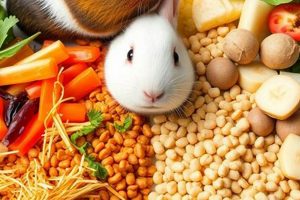
Therefore, understanding the distinct nutritional requirements of each species is crucial for responsible pet ownership. Providing guinea pigs with a diet formulated specifically for their herbivorous needs, consisting primarily of high-quality guinea pig pellets, fresh hay, and appropriate vegetables, is essential for maintaining their health and well-being, preventing the potential harm associated with ingesting food designed for carnivores.
Preventing Adverse Effects of Inappropriate Dietary Choices
The following guidance emphasizes the critical aspects of ensuring a guinea pig’s dietary needs are met, thereby averting potential health consequences stemming from unsuitable food sources.
Tip 1: Species-Specific Nutrition: Recognize that guinea pigs are obligate herbivores. Their digestive systems are designed to process plant matter, necessitating a diet primarily composed of hay, fresh vegetables, and specifically formulated guinea pig pellets.
Tip 2: Avoid Cross-Species Feeding: Prevent accidental or intentional feeding of dog food to guinea pigs. Store dog food securely, away from areas accessible to guinea pigs, to eliminate any risk of ingestion.
Tip 3: Vitamin C Supplementation: Guinea pigs require supplemental vitamin C due to their inability to synthesize it endogenously. Ensure their diet is rich in vitamin C through fortified pellets or fresh, vitamin C-rich vegetables, such as bell peppers and kale.
Tip 4: Ingredient Awareness: Carefully examine the ingredient list of any commercial guinea pig food. Avoid products containing excessive amounts of protein, particularly animal-based proteins, and prioritize those with high fiber content.
Tip 5: Monitoring Fecal Consistency: Closely observe the guinea pig’s fecal matter. Changes in consistency, such as diarrhea or unusually small or hard pellets, can indicate dietary imbalances or digestive distress, warranting a veterinary consultation.
Tip 6: Veterinary Consultation: Seek guidance from a qualified veterinarian specializing in exotic animals for personalized dietary recommendations tailored to the guinea pig’s age, health status, and activity level.
Tip 7: Hay as Dietary Staple: Ensure constant access to fresh, high-quality hay, such as Timothy hay. Hay provides essential fiber for proper digestion and helps prevent dental problems by promoting consistent chewing.
Adhering to these recommendations ensures guinea pigs receive the correct nutrients, minimizing the risk of health problems associated with improper diets and fostering their overall health and longevity.
By implementing the outlined strategies, one reinforces the principles of responsible guinea pig care, placing emphasis on their distinct dietary requirements. This commitment contributes directly to a healthier, more fulfilling life for these small pets.
1. Nutritional Imbalance

Nutritional imbalance, induced by the consumption of canine-specific food by guinea pigs, represents a critical divergence from their required dietary profile. This disparity triggers a cascade of physiological disturbances, undermining the animal’s health and overall well-being.
- Excessive Protein Intake
Dog food formulations typically contain significantly higher protein levels than a guinea pig’s system can effectively process. This surplus protein places undue stress on the kidneys as they work to filter the excess nitrogenous waste produced during protein metabolism. Over time, this chronic overload can result in impaired renal function and, potentially, kidney failure.
- Deficient Fiber Content
Guinea pigs require a diet rich in fiber to maintain healthy digestive function. Dog food generally contains lower fiber levels compared to the plant-based diet essential for guinea pigs. This fiber deficiency can lead to gastrointestinal stasis, a potentially life-threatening condition characterized by a slowdown or complete cessation of digestive activity. The resulting stagnation of food in the gut can cause bloating, pain, and the proliferation of harmful bacteria.
- Inadequate Vitamin C Levels
Guinea pigs lack the ability to synthesize vitamin C internally and therefore require a consistent dietary source of this essential nutrient. Dog food is not typically formulated to provide the levels of vitamin C necessary to meet a guinea pig’s needs. This deficiency leads to scurvy, a condition characterized by weakened collagen synthesis, resulting in symptoms such as joint pain, bleeding gums, and impaired wound healing.
- Improper Calcium-to-Phosphorus Ratio
Maintaining an appropriate calcium-to-phosphorus ratio is critical for skeletal health in guinea pigs. Dog food formulations may not provide the correct balance of these minerals, potentially leading to metabolic bone disease. An imbalance can disrupt calcium absorption and bone mineralization, resulting in weakened bones, dental problems, and increased susceptibility to fractures.
The interconnectedness of these nutritional deficits underscores the profound negative impact of feeding dog food to guinea pigs. The cumulative effect of excessive protein, deficient fiber and vitamin C, and an improper calcium-to-phosphorus ratio compromises the health and longevity of these animals. Providing a species-appropriate diet is essential to prevent these detrimental imbalances and maintain their well-being.
2. Kidney Damage

The ingestion of canine food by guinea pigs directly correlates with an elevated risk of kidney damage. This stems primarily from the disproportionately high protein content present in dog food formulations. Guinea pigs, being herbivorous animals, possess digestive systems optimized for processing plant-based matter. The introduction of substantial amounts of animal protein overwhelms their renal capacity. The kidneys, tasked with filtering metabolic waste products, struggle to efficiently process the excess nitrogenous compounds generated from protein catabolism. This overexertion leads to a gradual deterioration of renal function.
Chronic exposure to this elevated protein load precipitates a cascade of detrimental effects. The initial stage often manifests as proteinuria, the presence of excessive protein in the urine, indicating compromised glomerular filtration. As the kidneys become increasingly inefficient, uremia, a condition characterized by the accumulation of urea and other waste products in the bloodstream, develops. This systemic toxicity causes a range of symptoms, including lethargy, decreased appetite, weight loss, and ultimately, organ failure. A practical example would be a guinea pig exhibiting decreased water intake followed by noticeable weight loss after being inadvertently fed dog food over a prolonged period; veterinary examination would likely reveal elevated creatinine and blood urea nitrogen (BUN) levels, indicative of kidney dysfunction.
In summation, the correlation between canine food consumption and kidney damage in guinea pigs represents a significant health concern. The fundamental mismatch between the animal’s physiological needs and the food’s composition initiates a pathological process culminating in potentially irreversible renal impairment. Recognizing the long-term consequences of inappropriate dietary choices underscores the importance of strict adherence to species-specific nutritional guidelines. Preventing kidney damage in guinea pigs necessitates a comprehensive understanding of their dietary requirements and the avoidance of any food source designed for carnivores.
3. Digestive Disruption

The introduction of canine food into a guinea pig’s diet inevitably leads to digestive disruption, stemming from fundamental differences in digestive physiology between carnivores and herbivores. Guinea pig digestive systems are specifically adapted for high-fiber, plant-based diets. The cecum, a large pouch containing symbiotic bacteria, facilitates the fermentation of plant matter, extracting essential nutrients. Dog food, however, lacks the necessary fiber content and contains high levels of protein and fat, which are not efficiently processed by the guinea pig’s digestive tract. This mismatch results in imbalances in the gut microbiome, leading to dysbiosis and impaired digestive function. A typical presentation might involve diarrhea, bloating, and abdominal discomfort, indicating an inability to properly digest the foreign food source.
This digestive distress can manifest in various ways, significantly impacting the guinea pig’s health. Reduced nutrient absorption resulting from the disrupted digestive process can lead to malnutrition, despite adequate food intake. Furthermore, undigested fats and proteins can create an environment conducive to the growth of pathogenic bacteria, exacerbating the digestive issues. In severe cases, the buildup of gas in the intestines can cause a life-threatening condition known as bloat. Practical application of this understanding involves strict adherence to species-appropriate diets, emphasizing the critical role of hay, fresh vegetables, and specifically formulated guinea pig pellets in maintaining optimal digestive health.
In conclusion, digestive disruption serves as a significant component of the detrimental effects stemming from the inappropriate provision of canine food to guinea pigs. The physiological incompatibility between the two species’ digestive systems sets the stage for a range of gastrointestinal problems, underscoring the imperative of providing guinea pigs with a diet tailored to their unique herbivorous needs. Recognizing and mitigating these risks is paramount to ensuring the health and well-being of these animals, emphasizing the need to avoid canine food altogether.
4. Vitamin C Deficiency

Canine food formulations typically lack sufficient levels of vitamin C to meet the physiological requirements of guinea pigs. These animals, unlike many mammals, possess a genetic mutation that prevents endogenous vitamin C synthesis. Consequently, guinea pigs rely entirely on dietary sources to obtain this essential nutrient. A diet composed of dog food, which is not formulated with this specific need in mind, invariably leads to a vitamin C deficiency, predisposing the animal to a range of adverse health outcomes.
The consequences of vitamin C deficiency in guinea pigs are multifaceted and can be severe. Ascorbic acid, the active form of vitamin C, plays a crucial role in collagen synthesis, immune function, and iron absorption. A deficiency compromises collagen production, weakening connective tissues and blood vessel walls. This manifests clinically as joint pain, reluctance to move, and increased susceptibility to bruising and internal hemorrhaging. Furthermore, impaired immune function elevates the risk of infections, making the animal more vulnerable to opportunistic pathogens. Scurvy, the clinical manifestation of severe vitamin C deficiency, can lead to tooth loss, impaired wound healing, and ultimately, death. A practical example includes a guinea pig fed dog food exhibiting lameness, swollen joints, and a rough hair coat, all indicative of scurvy resulting from inadequate vitamin C intake.
The inextricable link between canine food consumption and vitamin C deficiency underscores a fundamental principle of responsible pet ownership: understanding the specific nutritional needs of each species. Providing guinea pigs with a diet rich in vitamin C, through specifically formulated guinea pig pellets and fresh, vitamin C-rich vegetables, is essential for preventing deficiency and maintaining their health. Failure to recognize and address this nutritional imperative results in avoidable suffering and a significantly reduced lifespan for the animal. The connection between canine food consumption and vitamin C deficiency exemplifies the potential harm of inappropriate dietary choices and the importance of species-specific nutrition.
5. Scurvy Risk

Scurvy represents a significant health threat to guinea pigs, directly linked to nutritional deficiencies arising from improper dietary choices. Ingestion of canine food, specifically, elevates the risk of developing scurvy due to the inadequate vitamin C content inherent in dog food formulations.
- Inability to Synthesize Vitamin C
Guinea pigs lack the enzymatic machinery necessary to synthesize vitamin C endogenously. Therefore, they are entirely dependent on dietary sources to meet their ascorbic acid requirements. Canine food, designed for a different species, does not provide the requisite levels of vitamin C, creating a substantial deficiency.
- Collagen Synthesis Impairment
Vitamin C is a critical cofactor in the enzymatic reactions responsible for collagen synthesis. Collagen is a structural protein essential for maintaining the integrity of connective tissues, blood vessels, and bone matrix. A deficiency disrupts collagen production, leading to weakened tissues, impaired wound healing, and increased fragility of blood vessels. This can manifest as bruising, joint pain, and internal hemorrhaging.
- Immune System Compromise
Ascorbic acid plays a vital role in supporting immune function. It enhances the activity of immune cells and protects against oxidative damage. A vitamin C deficiency impairs the immune system, increasing susceptibility to infections. Guinea pigs with scurvy are more vulnerable to bacterial and viral infections, further compromising their health.
- Clinical Manifestations of Scurvy
The clinical signs of scurvy in guinea pigs are varied and often debilitating. Common symptoms include lethargy, anorexia, rough hair coat, swollen and painful joints, reluctance to move, and dental problems. In severe cases, internal bleeding and sudden death may occur. These manifestations underscore the severity of vitamin C deficiency and the importance of preventative measures.
The convergence of these factors clearly demonstrates the elevated scurvy risk associated with feeding canine food to guinea pigs. The absence of adequate vitamin C in dog food, coupled with the guinea pig’s inability to synthesize the nutrient, precipitates a deficiency with profound consequences for the animal’s health and well-being. Preventing scurvy requires a species-appropriate diet rich in vitamin C, highlighting the potential harm of providing dog food to these small herbivores.
Frequently Asked Questions
The following addresses common inquiries regarding the potential health consequences of feeding canine food to guinea pigs, offering clarity and informed perspectives on this critical aspect of animal care.
Question 1: Is it acceptable to occasionally offer dog food as a treat for guinea pigs?
No. Dog food is never an acceptable treat for guinea pigs. Its nutritional composition is fundamentally unsuitable for their herbivorous dietary needs. Even small amounts can contribute to digestive upset and long-term health problems.
Question 2: What immediate signs indicate a guinea pig has consumed dog food?
Immediate signs may include a decreased appetite for their regular food, changes in fecal consistency (diarrhea or abnormally small droppings), bloating, or lethargy. Veterinary consultation is recommended if dog food consumption is suspected.
Question 3: Can commercially available “small animal” food safely supplement a guinea pig’s diet alongside dog food?
No. “Small animal” food is often formulated for a variety of species with differing dietary requirements. It is not a suitable substitute for guinea pig-specific pellets and will not mitigate the negative effects of consuming dog food.
Question 4: How long does it take for dog food consumption to negatively affect a guinea pig’s health?
The timeframe for adverse effects varies depending on the amount consumed and the frequency of exposure. However, even short-term consumption can cause digestive issues, while long-term exposure inevitably leads to nutritional deficiencies and organ damage.
Question 5: If a guinea pig accidentally eats a small amount of dog food, is veterinary intervention always necessary?
While a very small amount may not necessitate immediate veterinary intervention, close monitoring for any signs of illness is crucial. If any adverse symptoms develop, prompt veterinary care is essential.
Question 6: Are there any circumstances under which a veterinarian might recommend dog food for a guinea pig?
There are no legitimate circumstances under which a veterinarian would recommend dog food for a guinea pig. Such a recommendation would be a clear indication of professional negligence.
Therefore, complete avoidance of canine food is crucial for maintaining the health and well-being of guinea pigs. Adherence to a species-appropriate diet is paramount for preventing a range of potentially life-threatening conditions.
Understanding the distinct nutritional requirements of guinea pigs is essential for responsible pet ownership. This awareness serves as the foundation for providing a diet that promotes optimal health and longevity.
The Detrimental Effects
The preceding analysis has thoroughly explored the question of whether dog food can hurt guinea pigs, definitively establishing a causal link between canine food consumption and adverse health outcomes in these small herbivores. The nutritional imbalances inherent in dog food, particularly its high protein content and lack of essential nutrients like vitamin C, pose significant risks to guinea pig health. The potential for kidney damage, digestive disruption, vitamin C deficiency, and subsequent scurvy underscores the incompatibility of canine food with a guinea pig’s dietary needs.
Therefore, vigilance in preventing guinea pig access to dog food is paramount. Pet owners must prioritize species-specific nutrition, ensuring that guinea pigs receive a diet consisting of high-quality pellets, fresh hay, and appropriate vegetables. By understanding and addressing the distinct dietary requirements of these animals, a commitment to responsible pet ownership is realized, promoting their health, well-being, and longevity. Ignoring this fundamental principle places these vulnerable animals at risk of serious, and potentially fatal, health complications.

![Best Value: 12 Cans Dog Food Case | [Brand] Deals | World’s Most Delicious Foods: Must-Try Dishes from Every Country](https://lisasfoods.com/wp-content/uploads/2026/05/th-152-300x200.jpg "Best Value: 12 Cans Dog Food Case | [Brand] Deals World’s Most Delicious Foods: Must-Try Dishes from Every Country")