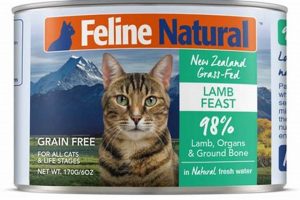
Specialized wet food formulated for older canines often caters to their unique nutritional requirements. This category of canine sustenance frequently incorporates easily digestible proteins, controlled levels of phosphorus to support kidney health, and added supplements like glucosamine and chondroitin to aid joint function. An example would be a salmon-based pate with added omega-3 fatty acids marketed toward dogs over the age of seven with mobility issues.
Providing appropriate nutrition for aging dogs can significantly impact their overall well-being and longevity. Senior-specific formulas are designed to address common age-related health concerns, such as reduced metabolism, decreased muscle mass, and increased risk of developing conditions like arthritis and kidney disease. The development of these specialized diets reflects a growing understanding of the changing physiological needs of dogs as they age.
The subsequent sections will delve into key considerations for selecting a suitable option, including understanding ingredient labels, evaluating nutritional profiles, and recognizing potential health benefits. This will equip the reader with the knowledge necessary to make an informed decision regarding the dietary needs of their aging canine companion.
Guidance on Selecting Optimal Wet Food for Senior Dogs
Selecting the right wet food for an older canine companion requires careful consideration of several factors. The following tips provide a framework for making informed choices that prioritize the health and well-being of senior dogs.
Tip 1: Prioritize High-Quality Protein Sources: Older dogs require adequate protein to maintain muscle mass. Look for formulations with named meat sources, such as chicken, beef, or fish, listed as the primary ingredients. Avoid foods with excessive amounts of plant-based protein fillers.
Tip 2: Monitor Phosphorus Levels: Senior dogs are more susceptible to kidney disease. Choose canned food with controlled phosphorus levels, typically below 0.5% on a dry matter basis. High phosphorus intake can exacerbate kidney issues.
Tip 3: Assess Fiber Content: Moderate fiber content can aid digestion and promote regular bowel movements in senior dogs. Ingredients like beet pulp or pumpkin can contribute to a healthy fiber intake. However, excessive fiber can hinder nutrient absorption.
Tip 4: Evaluate Added Supplements: Many senior-specific canned foods include beneficial supplements such as glucosamine and chondroitin for joint support, omega-3 fatty acids for skin and coat health, and antioxidants to support cognitive function. Examine the ingredient list for these additions.
Tip 5: Consider Calorie Density: Senior dogs often have lower energy requirements. Choose formulations with moderate calorie density to help prevent weight gain. Overweight can exacerbate joint problems and other health issues.
Tip 6: Read Ingredient Labels Carefully: Avoid canned foods containing artificial colors, flavors, or preservatives. These additives offer no nutritional value and may be detrimental to a senior dog’s health.
Tip 7: Consult with a Veterinarian: Before making significant dietary changes, consult with a veterinarian. They can assess the individual needs of the dog and recommend a specific canned food formulation based on its health status and any pre-existing conditions.
By adhering to these guidelines, caretakers can improve senior dogs’ quality of life through targeted nutrition, ensuring they receive the specific nutrients required for optimal health during their later years.
The next section will explore commonly asked questions regarding wet food selection for senior dogs.
1. Digestibility

Digestibility represents a cornerstone of appropriate senior canine nutrition. As dogs age, their digestive systems often become less efficient, impacting nutrient absorption and overall health. The digestibility of wet food significantly influences how effectively a senior dog can utilize the available nutrients.
- Enzyme Production
Older dogs may experience a decline in natural enzyme production, which hinders the breakdown of complex carbohydrates and proteins. Canned formulations utilizing pre-digested ingredients or those with inherently simpler structures can alleviate the digestive burden. For example, hydrolyzed protein sources require less enzymatic action, facilitating easier absorption.
- Gut Microbiome
The composition of the gut microbiome can shift with age, potentially leading to decreased populations of beneficial bacteria and increased susceptibility to digestive upset. Highly digestible wet foods, particularly those containing prebiotics, can promote a healthier gut environment. Beet pulp, for example, provides a source of fermentable fiber that nourishes beneficial gut bacteria.
- Ingredient Quality
The source and quality of ingredients significantly impact digestibility. Lower-quality ingredients, such as excessive fillers or rendered by-products, can be difficult for senior dogs to process, leading to digestive distress. Selecting canned food with identifiable and high-quality protein sources, such as chicken or fish, optimizes digestibility and nutrient utilization.
- Fiber Content
Appropriate fiber content is essential for promoting healthy digestion in senior dogs. While some fiber is beneficial for regulating bowel movements and supporting gut health, excessive amounts can interfere with nutrient absorption. The fiber content in canned food should be balanced to avoid causing either constipation or diarrhea.
Therefore, optimizing the digestibility of wet food is a crucial consideration when selecting the most appropriate nutrition for senior dogs. Formulations that prioritize readily digestible ingredients, support a healthy gut microbiome, and provide balanced fiber content contribute significantly to overall health and well-being. Careful evaluation of ingredient labels and understanding of digestive physiology allows for informed choices aligning with the specific dietary needs of aging canines.
2. Ingredients

The composition of a senior dog’s canned food plays a crucial role in its overall nutritional value and ability to meet the specific needs of aging canines. A careful evaluation of the ingredient list is essential when selecting the most appropriate diet.
- Protein Source and Quality
The primary protein source should be a named meat, poultry, or fish, rather than generic “meat by-products.” High-quality protein is vital for maintaining muscle mass and supporting overall health in senior dogs, who may experience age-related muscle loss. For example, chicken, salmon, or beef listed as the first ingredient suggests a higher proportion of that protein source. Conversely, formulations relying heavily on plant-based proteins may not provide the complete amino acid profile necessary for optimal canine health.
- Carbohydrate Sources and Glycemic Index
While carbohydrates provide energy, the type and quantity are important considerations. Whole grains like brown rice or oats are preferable to refined grains like corn or wheat gluten. These provide sustained energy release and are less likely to cause rapid blood sugar spikes. Ingredients such as potatoes and peas are often used as carbohydrate sources, and their glycemic index should be considered, particularly for diabetic dogs.
- Fat Content and Type
Fats are essential for energy and support skin and coat health. The type of fat is crucial. Omega-3 fatty acids, such as those found in fish oil or flaxseed, have anti-inflammatory properties and can benefit joint health and cognitive function. Saturated fats should be present in moderation. The label should specify the source of fat, avoiding vague terms like “animal fat.”
- Added Vitamins, Minerals, and Supplements
Senior dogs often benefit from added vitamins and minerals to support their declining physiological functions. Common additions include Vitamin E and C (antioxidants), glucosamine and chondroitin (joint support), and prebiotics (digestive health). The presence and amounts of these supplements can significantly enhance the nutritional profile of canned food.
In conclusion, scrutinizing the ingredient list provides critical insights into the overall suitability of canned food for senior dogs. A formulation featuring high-quality protein, appropriate carbohydrate sources, beneficial fats, and added supplements is more likely to support the specific needs of aging canines and promote overall health and well-being. Selecting canned food with carefully considered ingredients optimizes the nutritional benefits and helps address age-related health concerns.
3. Palatability

Palatability significantly influences the effectiveness of any senior canine diet. Even the most nutritionally complete canned food offers limited benefit if a dog refuses to consume it. Age-related decline in olfactory and gustatory senses can reduce appetite, making palatability a paramount consideration when selecting appropriate sustenance. A senior dog experiencing diminished appetite may exhibit reluctance to eat, leading to weight loss, muscle wasting, and a general decline in health. A highly palatable food helps ensure adequate caloric and nutrient intake, supporting overall well-being.
Several factors contribute to the palatability of canned dog food. Aroma plays a critical role, with strong, meaty scents often proving more appealing to senior dogs. Texture also matters; some dogs prefer a smooth pate, while others favor chunkier formulations. The inclusion of flavorful ingredients, such as chicken liver or salmon, can enhance palatability. Manufacturers frequently employ palatants, which are additives designed to increase appeal. However, it’s essential to distinguish between wholesome ingredients contributing to palatability and artificial flavor enhancers, which offer no nutritional value and may be detrimental to health. A real-world instance includes a senior dog diagnosed with kidney disease rejecting a prescription diet until a small amount of low-sodium chicken broth was added, significantly improving its appeal and ensuring adequate nutrition.
Ultimately, prioritizing palatability in the selection of wet food for senior dogs is not merely about catering to preferences; it is a critical element in ensuring adequate nutrient intake and supporting overall health. The challenge lies in identifying palatable options that also meet specific dietary requirements and health needs. By carefully considering factors influencing palatability and monitoring a dog’s response to different formulations, caretakers can enhance their senior companion’s quality of life and promote healthy aging. The integration of veterinarian insights further strengthens this understanding to achieve the best outcomes.
4. Supplements

The inclusion of targeted supplements in wet food formulations designed for senior dogs represents a strategic approach to addressing age-related physiological changes. These additions aim to mitigate the effects of aging and support specific aspects of health that commonly decline in older canines. Therefore, the selection of appropriate supplements constitutes a critical factor in determining the overall suitability of wet food.
- Joint Support (Glucosamine and Chondroitin)
Osteoarthritis and other degenerative joint diseases are highly prevalent in senior dogs. Glucosamine and chondroitin sulfate are commonly added to wet food to support cartilage health and reduce inflammation within joints. These supplements may help alleviate pain and improve mobility. For example, a study indicated that dogs receiving glucosamine and chondroitin showed improved weight-bearing capacity compared to those receiving a placebo.
- Omega-3 Fatty Acids (EPA and DHA)
Omega-3 fatty acids, particularly eicosapentaenoic acid (EPA) and docosahexaenoic acid (DHA), offer multiple benefits for senior dogs. They possess anti-inflammatory properties that can help manage arthritis and other inflammatory conditions. Furthermore, DHA supports cognitive function and may help slow the progression of cognitive decline in aging dogs. Real-world case reports often cite improvement in coat condition and reduced itching in dogs supplemented with omega-3 fatty acids.
- Antioxidants (Vitamin E, Vitamin C, Selenium)
Oxidative stress, caused by free radicals, contributes to cellular damage and aging. Antioxidants, such as Vitamin E, Vitamin C, and selenium, help neutralize free radicals and protect cells from damage. These supplements support immune function and may help reduce the risk of chronic diseases. Dietary supplementation with antioxidants has been shown to improve cognitive performance in older dogs.
- Digestive Enzymes and Probiotics
Digestive enzyme production often declines with age, potentially leading to malabsorption and digestive upset. The addition of digestive enzymes, such as amylase, protease, and lipase, can aid in the breakdown of carbohydrates, proteins, and fats, respectively. Probiotics, which are beneficial bacteria, support a healthy gut microbiome and improve digestive function. Inclusion of these elements in canned food facilitates enhanced nutrient uptake and mitigates digestive sensitivities observed in senior canines.
In summary, the strategic incorporation of supplements into wet food formulations represents a proactive approach to supporting the health and well-being of senior dogs. These additions address common age-related health concerns and contribute to improved quality of life. However, it is crucial to consult with a veterinarian to determine the appropriate supplements and dosages for an individual dog, considering their specific health needs and any pre-existing conditions. Tailoring the supplementary aspects of the diet allows for maximization of benefits while minimizing any potential adverse effects.
5. Moisture

Hydration plays a critical role in the health and well-being of senior dogs. Due to age-related physiological changes, senior dogs are often more susceptible to dehydration, making the moisture content of their food a significant factor in selecting the most appropriate dietary option.
- Kidney Function
Kidney function tends to decline with age, increasing the risk of kidney disease. Adequate hydration helps support kidney function by facilitating waste removal and preventing the concentration of urine, which can exacerbate kidney problems. Wet food’s higher moisture content, typically around 70-80%, supports renal health more effectively than dry kibble, which has a moisture content of approximately 10%.
- Digestive Health
Moisture aids digestion by softening food and promoting efficient movement through the digestive tract. Senior dogs may experience reduced digestive enzyme production and decreased intestinal motility, leading to constipation or other digestive issues. The increased moisture in canned food helps to alleviate these problems by facilitating easier digestion and promoting regularity.
- Appetite Stimulation
A decline in sense of smell and taste is common in senior dogs, often leading to reduced appetite. The higher moisture content in canned food enhances its aroma and texture, making it more appealing and palatable. Increased palatability encourages consumption, ensuring adequate nutrient intake, particularly beneficial for dogs with decreased appetite.
- Medication Administration
Administering medication to senior dogs can often be challenging. Wet food provides a convenient and palatable way to conceal pills or liquid medications, ensuring that dogs receive necessary treatment without undue stress. The moisture content helps to bind the medication to the food, increasing the likelihood of complete consumption.
Therefore, the high moisture content of canned food presents significant advantages for senior dogs, supporting kidney function, digestive health, and appetite, while also facilitating medication administration. Consideration of moisture levels is an essential element when evaluating the suitability of canned food for aging canine companions, contributing to their overall health and quality of life.
6. Phosphorus

Phosphorus levels in senior canine diets, particularly within canned food formulations, warrant careful consideration. As dogs age, their kidneys often become less efficient, increasing the risk of phosphorus-related complications. Therefore, managing phosphorus intake represents a crucial aspect of selecting optimal nutrition for older canines.
- Kidney Function and Phosphorus Excretion
The kidneys play a primary role in filtering and excreting excess phosphorus from the bloodstream. When kidney function declines, phosphorus accumulates, leading to hyperphosphatemia. Elevated phosphorus levels can further damage the kidneys and contribute to the progression of chronic kidney disease (CKD). Canned food formulations designed for senior dogs often contain restricted levels of phosphorus to alleviate the burden on the kidneys and mitigate the risk of hyperphosphatemia. For instance, a prescription renal diet will typically have a phosphorus content significantly lower than that of standard adult maintenance diets. Failing to control phosphorus intake can accelerate the decline in renal function in predisposed senior dogs.
- Parathyroid Hormone (PTH) Regulation
The body regulates phosphorus levels through the parathyroid hormone (PTH). When phosphorus levels rise, PTH is released, stimulating the release of phosphorus from bone tissue. Chronic elevation of PTH can lead to renal secondary hyperparathyroidism, a condition that further damages the kidneys and weakens bones. Limiting phosphorus intake through dietary modification can help maintain normal PTH levels and prevent the development of secondary hyperparathyroidism. A real-world example is a dog with stage 2 CKD whose PTH levels normalized after switching to a low-phosphorus canned diet.
- Dietary Phosphorus Sources and Bioavailability
The source of phosphorus in canned dog food influences its bioavailability, which refers to the proportion of phosphorus that the body can absorb and utilize. Phosphorus from animal-based sources, such as meat and bone meal, is generally more bioavailable than phosphorus from plant-based sources. Formulations using highly digestible ingredients and minimizing bone meal content can help reduce the overall phosphorus load. Carefully reviewing the ingredient list and considering the phosphorus content on a dry matter basis provides insight into the bioavailability and potential impact on phosphorus levels. Formulations utilizing phosphorus binders may further limit phosphorus absorption within the intestinal tract.
- Interpreting Phosphorus Levels on Food Labels
Understanding how to interpret phosphorus levels on canned dog food labels is crucial for making informed decisions. Manufacturers typically express phosphorus content as a percentage of the total weight. However, it is more accurate to compare phosphorus levels on a dry matter basis, which accounts for the varying moisture content of different foods. To calculate the phosphorus content on a dry matter basis, divide the reported phosphorus percentage by the dry matter percentage (100% minus the moisture percentage). Senior-specific canned foods often have a guaranteed analysis indicating a phosphorus level below a certain threshold, reflecting their targeted formulation for older dogs with potential renal compromise.
In conclusion, the phosphorus content of canned food represents a critical consideration when selecting nutrition for senior dogs, particularly those with compromised kidney function. By understanding the relationship between phosphorus, kidney health, PTH regulation, and dietary bioavailability, caretakers can make informed decisions to minimize the risk of phosphorus-related complications and promote the overall well-being of their aging canine companions. Choosing appropriate canned food with restricted phosphorus levels is a vital aspect of managing senior dog health and potentially prolonging life.
7. Cost

The relationship between cost and the suitability of canned food for senior dogs is multifaceted, extending beyond mere affordability. While budget constraints invariably influence purchasing decisions, the long-term health benefits derived from premium, albeit more expensive, formulations often outweigh the initial financial burden. A high-cost canned food designed for senior dogs often reflects superior ingredient quality, specialized nutritional profiles, and targeted supplement inclusions. These factors directly impact a senior dog’s health trajectory, potentially reducing the need for costly veterinary interventions later in life. The causal relationship is evident: higher initial expenditure can lead to decreased healthcare expenses in the long run due to improved overall well-being and preventative health maintenance.
For instance, a lower-cost canned food might utilize cheaper protein sources, lack essential joint support supplements, or possess a less digestible formula. Over time, this can manifest as increased joint pain, digestive issues, or reduced vitality, necessitating veterinary visits, medications, and specialized treatments. Conversely, a higher-cost option might contain easily digestible proteins, omega-3 fatty acids for joint support, and controlled phosphorus levels to support kidney function. These components actively contribute to maintaining health, potentially preventing or delaying the onset of age-related ailments. Furthermore, it’s also the case to consider the quantity needed for each formulation. High cost canned food might contain denser calories per can that eventually evens the cost to low cost canned food. In practical terms, cost becomes a crucial component when evaluating potential wet food options, as it frequently correlates with the nutritional benefits and long-term health outcomes for senior canine companions. Choosing the correct path involves a careful balancing process of benefits versus cost.
In summary, while cost is an undeniable constraint in pet ownership, prioritizing it as the sole determinant when selecting canned food for senior dogs can be detrimental. A more comprehensive approach considers the long-term health implications of ingredient quality, nutritional profiles, and targeted supplementation. The challenge lies in finding a balance between affordability and nutritional adequacy. This understanding underscores the practical significance of viewing the cost of senior dog food as an investment in the animal’s long-term health and quality of life, prompting owners to carefully weigh the potential savings on initial expenditure against potential future veterinary expenses.
Frequently Asked Questions
The following questions address common concerns and misconceptions regarding the selection and use of canned food specifically formulated for senior dogs. The aim is to provide clarity and guidance based on current veterinary nutritional understanding.
Question 1: At what age should a dog transition to senior-specific canned food?
The appropriate age for transitioning to a senior diet varies depending on breed and individual health status. Smaller breeds typically have longer lifespans and may not require a senior-specific diet until 8-10 years of age. Larger breeds, with shorter lifespans, may benefit from a senior diet as early as 6 years old. Consult with a veterinarian to determine the optimal transition timeline based on the dog’s specific needs and health condition.
Question 2: Are all “senior” canned dog food formulas created equal?
No. Significant variations exist in ingredient quality, nutritional profiles, and the inclusion of beneficial supplements across different brands and formulations. It is essential to carefully evaluate ingredient lists, guaranteed analyses, and consider the specific needs of the individual dog. Prioritize formulations with high-quality protein sources, controlled phosphorus levels, and added joint support supplements.
Question 3: Can senior canned dog food reverse age-related health problems?
Senior-specific canned food cannot reverse existing age-related health problems but can help manage and mitigate their progression. Formulations tailored to address common senior health concerns, such as kidney disease or arthritis, can support organ function and improve overall quality of life. However, it is important to understand that diet is only one aspect of managing age-related conditions; veterinary care is still important.
Question 4: How does canned food benefit senior dogs compared to dry kibble?
Canned food offers several advantages for senior dogs, primarily due to its higher moisture content. Increased moisture supports kidney function, aids digestion, and enhances palatability, which can be particularly beneficial for dogs with decreased appetite or dental problems. While dry kibble can provide dental benefits, the higher hydration provided by canned food often outweighs this consideration for senior dogs. Also, canned formulas are easier to chew for senior dogs with dental problems.
Question 5: Is it necessary to consult a veterinarian before changing a senior dog’s diet?
Consulting a veterinarian is highly recommended before making any significant dietary changes for a senior dog. A veterinarian can assess the individual’s health status, identify any underlying conditions, and provide tailored recommendations for dietary modifications. This ensures that the selected canned food meets the dog’s specific nutritional needs and does not exacerbate any pre-existing health issues.
Question 6: Can senior canned dog food cause weight gain?
While senior-specific canned food is often formulated with reduced calorie density, overfeeding can still lead to weight gain. It is essential to follow the manufacturer’s feeding guidelines and adjust portion sizes based on the individual dog’s activity level and metabolic rate. Regular monitoring of body condition is crucial for maintaining a healthy weight. Senior dogs typically require fewer calories than adult dogs due to decreased activity, as senior dogs sleep and lay down more than adult dogs.
This FAQ provides a foundational understanding of key considerations when selecting canned food for senior dogs. Careful evaluation, combined with veterinary guidance, ensures the most appropriate dietary choices are made.
The next section will summarize the essential points covered in this discussion of senior canine nutrition.
Concluding Remarks
This discourse has thoroughly examined “best senior canned dog food”, emphasizing crucial factors such as digestibility, ingredient quality, palatability, supplement inclusion, moisture content, phosphorus levels, and cost. Proper evaluation of these aspects enables informed decisions aligned with the specific needs of aging canines. Careful consideration of these points facilitates optimal nutrition, contributing to enhanced well-being and potentially prolonging life.
The selection of appropriate nourishment for senior dogs represents a vital aspect of responsible pet ownership. Prioritizing well-being necessitates continuous vigilance and adaptation to evolving nutritional requirements. Commitment to informed dietary choices profoundly impacts the health and vitality of aging canine companions.


![[FAQ] Can I Feed Goldfish Betta Food? Risks & Tips | World’s Most Delicious Foods: Must-Try Dishes from Every Country](https://lisasfoods.com/wp-content/uploads/2026/05/th-278-300x200.jpg "[FAQ] Can I Feed Goldfish Betta Food? Risks & Tips World’s Most Delicious Foods: Must-Try Dishes from Every Country")