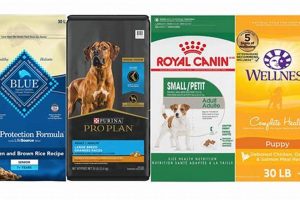
The optimal nutritional strategy during a Giant Schnauzer’s puppyhood significantly impacts its overall health and well-being. Selecting a formula tailored to large-breed puppies is vital, as it supports controlled growth and minimizes the risk of skeletal issues. This specific dietary need addresses the breed’s predisposition to conditions like hip dysplasia and osteochondrosis.
Appropriate nutrition during this growth phase offers several benefits. It supports healthy bone and joint development, contributes to a strong immune system, and promotes optimal muscle growth. Historically, inadequate feeding practices have been linked to increased incidences of developmental orthopedic disease in large breed dogs, highlighting the importance of a balanced and carefully selected diet.
The following discussion will focus on key considerations when selecting sustenance for Giant Schnauzer puppies, including essential nutrient ratios, appropriate feeding guidelines, and ingredients to prioritize or avoid. These factors will help guide responsible owners in providing the best possible start for their growing companions.
Guidance on Nutritional Strategies for Giant Schnauzer Puppies
The following guidelines are designed to assist owners in making informed decisions regarding the dietary needs of Giant Schnauzer puppies, promoting optimal growth and minimizing potential health risks.
Tip 1: Select a Large-Breed Puppy Formula: This is paramount. Diets formulated for large-breed puppies contain controlled levels of calcium and phosphorus to prevent excessively rapid bone growth, reducing the risk of skeletal problems.
Tip 2: Monitor Caloric Intake: Overfeeding can lead to rapid weight gain, stressing developing joints. Adhere to the feeding guidelines provided by the food manufacturer, adjusting based on individual puppy’s body condition and activity level.
Tip 3: Prioritize High-Quality Protein Sources: Protein is essential for muscle development and overall growth. Opt for foods with named meat sources (e.g., chicken, lamb, beef) as the primary ingredients, rather than generic “meat meal.”
Tip 4: Ensure Optimal Calcium-to-Phosphorus Ratio: An imbalance can contribute to skeletal abnormalities. The ideal ratio is typically between 1:1 and 1.4:1. Check the guaranteed analysis on the food label.
Tip 5: Consider the Inclusion of Joint Supplements: Ingredients like glucosamine and chondroitin sulfate can support joint health, particularly in a breed predisposed to hip and elbow dysplasia. Consultation with a veterinarian is recommended before supplementation.
Tip 6: Avoid Excessive Vitamin D Supplementation: While vitamin D is crucial, over-supplementation can be detrimental to bone development. A balanced diet formulated for large-breed puppies should provide adequate levels.
Tip 7: Split Daily Food Ration into Multiple Meals: Feeding smaller, more frequent meals can aid digestion and prevent bloat, a serious condition to which Giant Schnauzers are prone.
Adhering to these nutritional recommendations will help ensure that Giant Schnauzer puppies receive the necessary building blocks for a healthy and active life, minimizing the risk of growth-related health issues and supporting optimal development.
This comprehensive approach sets the stage for the subsequent discussion on common feeding challenges and long-term dietary considerations for this breed.
1. Large-Breed Formulation

The selection of a large-breed puppy food formulation is a cornerstone of proper nutrition for Giant Schnauzer puppies. It addresses the specific physiological needs of rapidly growing, large-stature dogs, significantly impacting skeletal development and overall health trajectory.
- Controlled Mineral Content
Large-breed formulas regulate calcium and phosphorus levels to prevent rapid bone growth, mitigating the risk of developmental orthopedic diseases like hip and elbow dysplasia. Excessive mineral intake can disrupt the normal bone remodeling process, leading to weakened skeletal structures. A real-world example includes studies demonstrating a correlation between high-calcium diets and increased incidence of osteochondrosis dissecans (OCD) in large breed dogs. The implications are clear: precise mineral balance is crucial for healthy skeletal development.
- Moderate Caloric Density
These formulations typically have a lower caloric density compared to standard puppy foods. This helps control growth rate, preventing overweight and obesity, which place undue stress on developing joints. Overfeeding, even with a nutritionally balanced food, can exacerbate the risk of skeletal problems. For instance, Labrador Retrievers fed a restricted diet during puppyhood demonstrated a significantly lower risk of hip dysplasia in adulthood. Managing caloric intake is paramount in mitigating joint stress.
- Optimized Protein Levels
Large-breed formulas provide adequate, but not excessive, levels of high-quality protein to support muscle development without promoting overly rapid growth. While protein is essential, too much can contribute to increased levels of Insulin-like Growth Factor-1 (IGF-1), potentially influencing growth plate closure and increasing the risk of certain orthopedic conditions. A balance is required, ensuring sufficient protein for muscle mass while managing overall growth velocity.
- Inclusion of Joint Support Nutrients
Many large-breed puppy foods incorporate glucosamine and chondroitin sulfate, precursors to cartilage, to support joint health. These nutrients may help to protect cartilage from degradation and promote the synthesis of new cartilage. Although research on the efficacy of these supplements is ongoing, they are often included as a proactive measure to support joint health in predisposed breeds. This prophylactic approach aims to minimize future joint problems, promoting long-term mobility.
These interconnected facets of large-breed formulation are essential components of the best puppy food for Giant Schnauzers. They represent a targeted approach to addressing the unique nutritional challenges faced by this breed during its critical growth phase, aiming to minimize risks and maximize the potential for a healthy and active life.
2. Controlled Calcium Levels
Calcium plays a crucial role in skeletal development, particularly in large-breed puppies like the Giant Schnauzer. Excessive calcium intake during the rapid growth phase can disrupt the normal bone remodeling process, leading to skeletal abnormalities. The phrase “best puppy food for giant schnauzer” inherently implies a formulation with carefully regulated calcium levels to mitigate this risk. Diets with uncontrolled or excessive calcium can contribute to conditions such as osteochondrosis dissecans (OCD) and hip dysplasia. Research indicates that maintaining an appropriate calcium-to-phosphorus ratio, typically between 1:1 and 1.4:1, is paramount. A practical example involves observing the growth patterns of Giant Schnauzer puppies fed diets with varying calcium concentrations. Puppies receiving excessive calcium often exhibit accelerated bone growth, increasing their susceptibility to joint problems later in life.
The connection between controlled calcium levels and the ideal diet for a Giant Schnauzer puppy extends to the consideration of vitamin D. While Vitamin D aids in calcium absorption, excessive supplementation can exacerbate the negative effects of high calcium intake. Therefore, a balanced approach, ensuring adequate but not excessive levels of both calcium and vitamin D, is crucial. Furthermore, the interaction between calcium and other minerals, such as phosphorus, necessitates a comprehensive dietary formulation. The “best puppy food for giant schnauzer” takes into account these complex interactions, offering a scientifically formulated blend that supports optimal bone development without promoting rapid or uneven growth.
In summary, controlled calcium levels represent a cornerstone of proper nutrition for Giant Schnauzer puppies. Selecting a diet that prioritizes this aspect is essential for minimizing the risk of skeletal disorders and promoting long-term joint health. Failure to address this dietary requirement can have lasting consequences, impacting the puppy’s mobility and overall well-being. Therefore, understanding the significance of controlled calcium levels is paramount for responsible Giant Schnauzer owners seeking to provide the best possible nutritional foundation for their canine companions.
3. Optimal Protein Content

Optimal protein content within the context of “best puppy food for giant schnauzer” is a critical determinant of healthy growth and development. It directly influences muscle mass, tissue repair, and overall physiological function during a Giant Schnauzer puppy’s formative months. This aspect of nutrition requires careful consideration to avoid both deficiency and excess, both of which can negatively impact the growing puppy.
- Muscle Development and Maintenance
Protein provides the essential amino acids necessary for building and maintaining muscle tissue. A Giant Schnauzer puppy’s musculature supports its skeletal structure, contributing to proper joint alignment and reducing the risk of orthopedic problems. Insufficient protein intake can lead to muscle wasting and weakness, while adequate levels support healthy muscle growth that is proportional to the puppy’s skeletal development. An example of this is observing the difference between puppies fed a protein-deficient diet, who may exhibit stunted growth and reduced muscle mass, compared to those receiving appropriate protein levels.
- Tissue Repair and Immune Function
Protein is vital for repairing damaged tissues and supporting a robust immune system. Rapid growth involves constant cellular turnover, requiring a steady supply of amino acids for tissue regeneration. Furthermore, antibodies, crucial components of the immune system, are protein-based. Therefore, adequate protein intake is necessary for mounting effective immune responses and protecting against infections. Puppies with protein deficiencies are often more susceptible to illness and slower to recover from injuries.
- Amino Acid Profile
The quality of protein is as important as the quantity. The “best puppy food for giant schnauzer” should contain a balanced amino acid profile, including all essential amino acids that the puppy cannot synthesize on its own. These essential amino acids are building blocks for various proteins throughout the body. Sources such as meat, poultry, and fish generally provide a more complete amino acid profile compared to plant-based proteins. A diet lacking in one or more essential amino acids can lead to various health problems, even if the overall protein content appears adequate.
- Digestibility and Bioavailability
The digestibility and bioavailability of protein sources significantly affect their utilization. Highly digestible protein sources are more readily absorbed and utilized by the puppy’s body. Factors such as processing methods and the presence of anti-nutritional factors can influence protein digestibility. The ideal puppy food utilizes protein sources that have been processed to maximize digestibility, ensuring that the puppy receives the full benefit of the protein consumed. Feeding a food with poorly digestible protein may result in nutrient deficiencies despite seemingly adequate protein levels on the label.
In conclusion, optimal protein content, characterized by appropriate quantity, high quality, balanced amino acid profile, and high digestibility, is a crucial component of the “best puppy food for giant schnauzer.” It supports muscle development, tissue repair, and immune function, all vital for healthy growth and development during this critical life stage. Selecting a puppy food that prioritizes these aspects ensures that the Giant Schnauzer puppy receives the necessary building blocks for a strong and healthy future.
4. Joint Support Additives

The inclusion of joint support additives in formulations considered the “best puppy food for giant schnauzer” reflects a proactive approach to mitigating the breed’s predisposition to developmental orthopedic diseases. These additives aim to bolster joint health during the crucial growth phase, potentially reducing the incidence and severity of conditions such as hip and elbow dysplasia.
- Glucosamine and Chondroitin Sulfate
Glucosamine and chondroitin sulfate are naturally occurring compounds found in cartilage. As dietary supplements, they are purported to support cartilage health by providing building blocks for its synthesis and inhibiting its degradation. While scientific evidence regarding their efficacy remains somewhat inconsistent, some studies suggest they may help reduce joint pain and improve joint function, particularly in cases of mild to moderate osteoarthritis. In the context of Giant Schnauzer puppies, the inclusion of these additives is viewed as a preventative measure, supplying the raw materials needed for healthy cartilage development during rapid growth, potentially minimizing future joint issues. Real-world examples include anecdotal reports from owners and breeders who observe improved mobility and reduced stiffness in puppies supplemented with glucosamine and chondroitin.
- Omega-3 Fatty Acids (EPA and DHA)
Omega-3 fatty acids, specifically eicosapentaenoic acid (EPA) and docosahexaenoic acid (DHA), possess anti-inflammatory properties. Chronic inflammation plays a significant role in the pathogenesis of osteoarthritis. By reducing inflammation within the joint, omega-3 fatty acids may help alleviate pain and slow the progression of joint damage. Furthermore, DHA is crucial for brain development and cognitive function. The “best puppy food for giant schnauzer” incorporates omega-3 fatty acids derived from sources such as fish oil or flaxseed to provide both joint and cognitive benefits. For instance, studies have shown that dogs supplemented with omega-3 fatty acids exhibit reduced clinical signs of osteoarthritis, such as lameness and pain.
- Methylsulfonylmethane (MSM)
Methylsulfonylmethane (MSM) is a naturally occurring organosulfur compound that is often included in joint support supplements. It is believed to possess anti-inflammatory and antioxidant properties. While the precise mechanisms of action are not fully understood, MSM may help reduce joint pain and improve joint function by reducing oxidative stress and inflammation within the joint. In the context of Giant Schnauzer puppies, MSM is typically included as part of a comprehensive joint support formula, working synergistically with glucosamine, chondroitin, and omega-3 fatty acids to promote optimal joint health. Although definitive scientific evidence supporting the efficacy of MSM in dogs remains limited, its inclusion in high-quality puppy foods is often considered a proactive measure.
- Antioxidants (Vitamin E, Vitamin C)
Antioxidants, such as Vitamin E and Vitamin C, protect cells from damage caused by free radicals. Free radicals are unstable molecules that contribute to oxidative stress and inflammation, both of which play a role in the development of osteoarthritis. By neutralizing free radicals, antioxidants may help reduce inflammation and protect joint tissues from damage. The “best puppy food for giant schnauzer” often incorporates antioxidants to support overall health and well-being, including joint health. For example, Vitamin E is a fat-soluble antioxidant that helps protect cell membranes from oxidative damage, while Vitamin C is a water-soluble antioxidant that supports collagen synthesis, a crucial component of cartilage. The synergistic action of various antioxidants provides comprehensive protection against oxidative stress, potentially slowing the progression of joint damage.
These joint support additives, when included in a balanced and appropriately formulated puppy food, contribute to a proactive approach to managing joint health in Giant Schnauzer puppies. While they are not a substitute for proper breeding practices and responsible feeding management, their inclusion reflects a commitment to providing the best possible nutritional support for this breed, potentially minimizing the risk of future joint problems and promoting long-term mobility.
5. Appropriate Caloric Density

Appropriate caloric density is a pivotal aspect of formulating the “best puppy food for giant schnauzer,” directly impacting growth rate and skeletal development. Managing caloric intake is essential to prevent accelerated growth, a significant risk factor for developmental orthopedic diseases common in large and giant breeds.
- Control of Growth Rate
Excessive caloric intake fuels rapid weight gain, placing undue stress on developing joints and bones. In contrast, a controlled caloric density supports a steady, moderate growth rate, allowing the skeletal system to mature in proportion to body mass. Studies on large-breed dogs demonstrate a correlation between slower growth rates and reduced incidence of hip dysplasia and osteochondrosis. The “best puppy food for giant schnauzer,” therefore, aims to provide sufficient energy for growth without promoting excessive weight gain.
- Prevention of Obesity
Obesity in puppies exacerbates the risk of orthopedic problems, further stressing joints and contributing to inflammation. A diet with appropriate caloric density helps maintain a healthy body condition score, minimizing the strain on the developing skeletal system. A leaner body condition translates to reduced joint stress and a lower risk of developmental orthopedic diseases. The formulation of the “best puppy food for giant schnauzer” actively seeks to prevent excess weight gain through controlled caloric levels.
- Skeletal Development Support
Appropriate caloric density ensures that essential nutrients, such as calcium and phosphorus, are utilized effectively for bone mineralization. Overfeeding can disrupt mineral balance and hinder proper bone formation, increasing the risk of skeletal abnormalities. By regulating caloric intake, the “best puppy food for giant schnauzer” facilitates optimal bone development and minimizes the potential for mineral imbalances that can compromise skeletal health.
- Long-Term Health Implications
Managing caloric density during puppyhood has long-term health implications, influencing susceptibility to osteoarthritis and other joint-related conditions in adulthood. A foundation of controlled growth and healthy weight management sets the stage for a more active and comfortable life, reducing the likelihood of premature joint degeneration. The formulation of the “best puppy food for giant schnauzer” extends beyond immediate growth requirements, aiming to promote lifelong joint health through appropriate caloric control during this critical developmental phase.
In conclusion, appropriate caloric density is an indispensable element of the “best puppy food for giant schnauzer,” intricately linked to controlled growth, prevention of obesity, support for skeletal development, and long-term joint health. The optimal formulation provides sufficient energy for growth while mitigating the risks associated with accelerated weight gain and skeletal stress, setting the stage for a healthy and active life for the Giant Schnauzer.
Frequently Asked Questions
The following questions address common concerns regarding the dietary needs of Giant Schnauzer puppies, offering clarity and guidance for responsible owners.
Question 1: Why is large-breed puppy food recommended for Giant Schnauzers?
Large-breed puppy food formulations are specifically designed to address the unique nutritional requirements of rapidly growing, large-stature dogs. These formulas typically contain controlled levels of calcium and phosphorus to prevent excessively rapid bone growth, reducing the risk of skeletal abnormalities. They also have moderate caloric density to help manage growth rate and prevent obesity, which can further stress developing joints.
Question 2: What are the key ingredients to look for in sustenance intended for a Giant Schnauzer puppy?
Prioritize food containing named meat sources (e.g., chicken, lamb, beef) as the primary ingredients, indicating a high-quality protein source. Look for formulations that list glucosamine and chondroitin sulfate to support joint health. Omega-3 fatty acids, particularly EPA and DHA, are also beneficial for their anti-inflammatory properties and support of cognitive function.
Question 3: How often should a Giant Schnauzer puppy be fed?
Divide the daily food ration into multiple meals, typically three to four, to aid digestion and prevent bloat, a serious condition to which Giant Schnauzers are predisposed. Smaller, more frequent meals can also help maintain stable blood sugar levels and prevent overeating.
Question 4: How can one determine the appropriate amount of food to provide?
Adhere to the feeding guidelines provided by the food manufacturer, adjusting based on the individual puppy’s body condition and activity level. Regularly assess the puppy’s body condition score, aiming for a lean, athletic build. Consult with a veterinarian to determine the optimal caloric intake for the specific puppy.
Question 5: Are grain-free diets suitable for Giant Schnauzer puppies?
While grain-free diets may be appropriate for some dogs, they are not inherently superior and may not be necessary for all Giant Schnauzer puppies. The focus should be on the overall nutritional profile of the food, rather than simply the presence or absence of grains. Some grain-free diets may lack essential nutrients or contain ingredients that are not well-suited for large-breed puppies. Consultation with a veterinarian is recommended before switching to a grain-free diet.
Question 6: When should a Giant Schnauzer puppy be transitioned to adult food?
Typically, a Giant Schnauzer puppy can be transitioned to adult food around 12 to 18 months of age, once they have reached their full adult size. However, this can vary depending on the individual puppy and the specific food formulation. Consult with a veterinarian to determine the appropriate time to transition based on the puppy’s growth rate and overall health.
In summary, optimal nutrition for a Giant Schnauzer puppy involves selecting a large-breed puppy food formulation with high-quality ingredients, appropriate calcium levels, joint support additives, and a manageable caloric density. Regular monitoring of body condition and consultation with a veterinarian are essential for ensuring optimal growth and development.
The subsequent section will address the importance of consulting with a veterinarian for personalized dietary recommendations and ongoing monitoring of a Giant Schnauzer puppy’s nutritional needs.
Selecting the Optimal Diet for Giant Schnauzer Puppies
The preceding discussion has underscored the critical importance of selecting sustenance aligning with the unique physiological demands of Giant Schnauzer puppies. Considerations of large-breed formulations, controlled calcium levels, optimal protein content, joint support additives, and appropriate caloric density represent essential factors in promoting healthy growth and minimizing the risk of developmental orthopedic diseases. Deviation from these guidelines can have lasting consequences on the puppy’s mobility and overall well-being.
Therefore, responsible ownership necessitates a proactive approach to nutritional management. Consulting with a veterinarian to formulate a personalized dietary plan, coupled with diligent monitoring of body condition and growth rate, is paramount. The long-term health and quality of life of the Giant Schnauzer depend on the informed choices made during this crucial developmental phase.