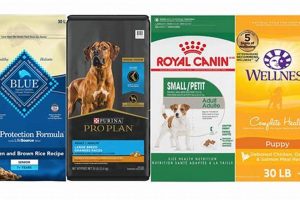
Dietary options specifically formulated to address digestive upset in Yorkshire Terriers are a significant concern for many owners. These formulations typically feature easily digestible proteins and carbohydrates, alongside limited ingredient lists, minimizing potential allergens and irritants. An example includes a recipe centered around hydrolyzed protein and easily digestible rice, designed to reduce digestive strain.
Proper nutrition is paramount for maintaining the health and well-being of these small-breed dogs. Digestive sensitivities can lead to a range of issues, including vomiting, diarrhea, and poor nutrient absorption, impacting overall vitality. Historically, anecdotal evidence and veterinary recommendations have driven the development of specialized canine diets targeting sensitive digestive systems, leading to improved health outcomes and increased lifespan for affected dogs.
The following sections will explore the key factors to consider when selecting appropriate nourishment for Yorkshire Terriers prone to digestive issues, including specific ingredients to seek or avoid, feeding guidelines, and the role of veterinary consultation in determining the optimal dietary plan.
Guidance for Managing Dietary Sensitivities in Yorkshire Terriers
Optimizing the nutritional intake of Yorkshire Terriers with sensitive digestive systems requires a multi-faceted approach. The following points offer actionable advice for owners seeking to improve their dog’s digestive health through diet.
Tip 1: Introduce New Foods Gradually: Avoid sudden dietary changes, which can exacerbate digestive upset. Transition to a new food over a period of 7-10 days, gradually increasing the proportion of the new food while decreasing the old.
Tip 2: Opt for Limited Ingredient Diets: These diets reduce the number of potential allergens and irritants, making it easier to identify and eliminate problematic ingredients. Look for recipes with a single protein source and a limited number of carbohydrate sources.
Tip 3: Consider Hydrolyzed Protein Sources: Hydrolyzed proteins are broken down into smaller peptides, reducing the likelihood of triggering an allergic reaction. These protein sources can be particularly beneficial for dogs with protein sensitivities.
Tip 4: Incorporate Probiotics and Prebiotics: Probiotics introduce beneficial bacteria into the gut, while prebiotics provide nourishment for these bacteria. These can help to maintain a healthy gut microbiome and improve digestive function.
Tip 5: Monitor Stool Consistency and Frequency: Closely observe the dog’s stool for any signs of digestive upset, such as diarrhea, constipation, or excessive gas. Adjust the diet accordingly and consult with a veterinarian if problems persist.
Tip 6: Offer Smaller, More Frequent Meals: Dividing the daily food allowance into smaller, more frequent meals can reduce the burden on the digestive system and improve nutrient absorption.
Tip 7: Ensure Fresh Water is Always Available: Adequate hydration is essential for healthy digestion. Always provide fresh, clean water to facilitate proper gut motility and prevent dehydration.
Implementing these strategies can significantly improve the digestive well-being of Yorkshire Terriers prone to sensitivities, contributing to increased comfort and overall health.
The subsequent section will address potential ingredients that commonly trigger adverse reactions in Yorkshire Terriers with sensitive stomachs.
1. Limited Ingredients

The concept of “limited ingredients” represents a cornerstone in formulating suitable diets for Yorkshire Terriers exhibiting digestive sensitivities. Reducing the number of components within a food formulation inherently diminishes the potential for adverse reactions and facilitates the identification of specific triggers.
- Reduced Allergen Exposure
A diet composed of fewer ingredients naturally minimizes the dog’s exposure to potential allergens. Yorkshire Terriers are prone to various sensitivities, and complex food formulations increase the probability of encountering problematic substances. Limiting the ingredient list helps to avoid common allergens such as specific proteins (e.g., beef, chicken) and grains (e.g., wheat, corn, soy).
- Simplified Digestion
Simpler food compositions often translate to easier digestion. The canine digestive system requires specific enzymes to break down different ingredients. A diet overburdened with a multitude of components can place undue stress on the digestive process, potentially leading to inflammation and discomfort. Streamlined recipes minimize this burden.
- Easier Identification of Irritants
When a digestive upset occurs, a limited ingredient diet simplifies the process of identifying the causative agent. With fewer suspects, an elimination diet, where ingredients are systematically removed and reintroduced, becomes a more manageable and effective strategy for pinpointing the specific food item responsible for the adverse reaction.
- Enhanced Palatability and Acceptance
Paradoxically, while one might assume more ingredients equate to greater palatability, this is not always the case, particularly in sensitive dogs. Overly complex flavors and aromas can be off-putting to dogs with compromised digestive systems. A carefully selected, limited number of high-quality ingredients can often prove more appealing and better tolerated.
In essence, the strategic application of “limited ingredients” in crafting the optimal food for Yorkshire Terriers with sensitive stomachs serves as a powerful tool. It provides a foundation for improved digestive health by reducing allergen exposure, simplifying digestion, facilitating the identification of irritants, and potentially enhancing palatability. This focused approach allows owners to proactively manage their dog’s dietary needs and contribute to a higher quality of life.
2. Digestible Proteins
The selection of highly digestible proteins is paramount when formulating appropriate diets for Yorkshire Terriers with sensitive digestive systems. Protein digestion initiates in the stomach, where pepsin, activated by hydrochloric acid, begins the breakdown of protein molecules into smaller peptides. Subsequently, in the small intestine, pancreatic enzymes further hydrolyze these peptides into amino acids, which are then absorbed into the bloodstream. Compromised protein digestion can lead to undigested protein reaching the large intestine, fostering bacterial overgrowth and potentially triggering inflammation and diarrhea. Therefore, readily digestible protein sources minimize the workload on the digestive tract, mitigating the risk of these adverse reactions. Examples of highly digestible protein sources include hydrolyzed proteins, which are pre-digested into smaller peptides, and novel proteins, such as duck or rabbit, to which the dog has had limited prior exposure, thereby reducing the likelihood of an allergic response.
The inclusion of digestible proteins holds practical significance for several reasons. It improves nutrient absorption, ensuring the dog receives adequate amounts of essential amino acids for tissue repair, immune function, and overall health. Furthermore, it reduces the incidence of gastrointestinal upset, leading to improved stool quality and decreased flatulence. This is particularly important for Yorkshire Terriers, which are predisposed to conditions such as inflammatory bowel disease. A real-life example would be a Yorkshire Terrier with chronic diarrhea that resolves completely upon switching to a diet featuring hydrolyzed protein. These proteins bypass the common digestive issues that cause stomach discomfort.
In summary, the provision of digestible proteins in the diets of Yorkshire Terriers with sensitive stomachs is not merely a dietary preference but a fundamental necessity. These proteins directly impact the dog’s ability to absorb vital nutrients and maintain a healthy digestive system. By minimizing the burden on the digestive tract and reducing the risk of inflammation and allergic reactions, these diets contribute significantly to the dog’s overall well-being and quality of life. The challenge lies in identifying the most suitable protein source for each individual dog, which often requires careful observation and, in some cases, veterinary consultation.
3. Grain-Free Options

The selection of “grain-free options” as part of a diet tailored to address sensitivities in Yorkshire Terriers warrants careful consideration. While not universally necessary, the absence of grains can be beneficial for specific dogs exhibiting adverse reactions to common cereal components. Certain Yorkshire Terriers may possess sensitivities or allergies to grains such as wheat, corn, or soy, manifesting as gastrointestinal distress or dermatological issues. For these individuals, a grain-free diet eliminates the triggering agents, promoting improved digestive function and reduced inflammation. This effect is achieved by replacing grains with alternative carbohydrate sources such as sweet potatoes, peas, or lentils. These ingredients offer comparable nutritional value while minimizing the risk of adverse reactions. A practical example is observing the cessation of chronic diarrhea in a grain-sensitive Yorkshire Terrier following a transition to a grain-free formula. Such a result reinforces the significance of recognizing and addressing potential grain intolerances.
The advantages of grain-free diets extend beyond simply avoiding allergens. They can contribute to improved energy levels and coat health in some dogs, as the alternative carbohydrate sources may be more efficiently digested and utilized. However, it is critical to recognize that “grain-free” does not automatically equate to “hypoallergenic” or “superior.” The formulation must still be carefully assessed to ensure it contains high-quality protein sources, appropriate levels of fiber, and essential vitamins and minerals. Furthermore, some grain-free diets may be higher in fat or calories, necessitating adjustments in portion sizes to prevent weight gain. Owners should also be aware of potential concerns regarding a possible link between grain-free diets containing high levels of legumes and the development of dilated cardiomyopathy (DCM) in some breeds, although the precise causal relationship remains under investigation.
In summary, while “grain-free options” can be a valuable component of a diet designed for sensitive Yorkshire Terriers, they should not be implemented indiscriminately. A thorough evaluation of the dog’s individual needs, potential sensitivities, and overall health status is essential. Veterinary consultation is recommended to determine whether a grain-free diet is truly necessary and to ensure that the chosen formula is nutritionally complete and balanced. The potential benefits must be weighed against the possible risks, and ongoing monitoring of the dog’s health is crucial to ensure optimal well-being. The key takeaway is that grain-free diets are one tool among many that can be employed to manage sensitivities in Yorkshire Terriers, and their use should be guided by informed decision-making and professional advice.
4. Probiotic Support

Probiotic support plays a crucial role in managing digestive sensitivities in Yorkshire Terriers. The canine gut microbiome, a complex ecosystem of bacteria, influences digestive health, immune function, and nutrient absorption. An imbalance in this microbiome, known as dysbiosis, can lead to digestive upset, including diarrhea, vomiting, and inflammatory bowel disease, conditions to which Yorkshire Terriers may be predisposed. Probiotics, defined as live microorganisms that, when administered in adequate amounts, confer a health benefit on the host, can help restore and maintain a balanced gut microbiome. The inclusion of probiotics in food for sensitive Yorkshire Terriers aims to introduce beneficial bacteria, thereby outcompeting pathogenic organisms and promoting a healthier digestive environment. A practical example involves a Yorkshire Terrier exhibiting chronic soft stools, which improve upon administration of a food enriched with Enterococcus faecium and Lactobacillus acidophilus, two common probiotic strains. The consistent introduction of probiotics can lead to less frequent and severe digestive episodes.
The specific strains of probiotics used in canine diets are critical. Different strains possess varying mechanisms of action and target different areas of the gastrointestinal tract. Some strains may be more effective at reducing inflammation, while others may be better at improving nutrient absorption or bolstering the immune system. The effectiveness of probiotic supplementation also depends on the viability and stability of the bacteria. Processing and storage conditions can impact the survival of probiotics in food. Microencapsulation, a technique used to protect probiotics from harsh conditions, can enhance their viability. The quantity of probiotics included in the food is equally important. Insufficient amounts may not provide therapeutic benefits. Additionally, it is imperative to choose probiotic supplements or foods with clearly labeled strains and colony-forming units (CFUs) to ensure quality and potency.
In summary, probiotic support represents a significant component in the formulation of diets designed for Yorkshire Terriers with sensitive stomachs. Probiotics can aid in restoring and maintaining a healthy gut microbiome, which, in turn, improves digestion, reduces inflammation, and enhances overall health. However, the selection of appropriate probiotic strains, the assurance of viability and stability, and the administration of adequate amounts are essential for achieving optimal benefits. While probiotic supplementation can be a valuable tool, it is not a panacea. A comprehensive approach to managing digestive sensitivities, including dietary modifications, stress reduction, and veterinary consultation, is often necessary to achieve long-term success.
5. Small Kibble Size
The consideration of kibble size is a relevant factor when selecting food for Yorkshire Terriers, particularly those with sensitive stomachs. The breed’s small stature and potential dental issues necessitate a kibble size that facilitates ease of prehension and mastication. Small kibble size directly impacts a Yorkshire Terrier’s ability to comfortably consume and digest its food.
- Enhanced Prehension and Consumption
Yorkshire Terriers possess small mouths and teeth, making the consumption of large kibble difficult and potentially uncomfortable. A smaller kibble size allows for easier grasping and chewing, reducing the risk of choking or frustration during meal times. This is especially important for senior dogs or those with dental disease, where chewing may be compromised. A real-world example is a Yorkshire Terrier refusing to eat a standard-sized kibble, but readily consuming the same food when offered in a smaller format, demonstrating the impact of kibble size on palatability and acceptance.
- Improved Digestion and Nutrient Absorption
Thorough chewing, facilitated by smaller kibble, promotes increased saliva production, which contains digestive enzymes. These enzymes initiate the breakdown of carbohydrates in the mouth, easing the digestive burden on the stomach and small intestine. Partially digested food entering the digestive tract leads to more efficient nutrient absorption and reduced gastrointestinal stress. An example would be improved stool consistency and reduced instances of vomiting after switching from a larger to a smaller kibble, indicating enhanced digestive efficiency.
- Reduced Risk of Bloat
Although less common in small breeds compared to large, deep-chested dogs, bloat (gastric dilatation-volvulus) can still occur. Large kibble can contribute to aerophagia (swallowing air) during consumption, potentially increasing the risk of gastric distention. Smaller kibble promotes slower eating and reduces air ingestion, thereby minimizing the risk of bloat or excessive gas accumulation. A preventative measure is choosing a kibble size that discourages rapid consumption and air swallowing.
- Dental Health Benefits
While specialized dental diets with larger kibble are designed for plaque removal, smaller kibble can still contribute to dental health. The act of chewing, regardless of kibble size, helps to scrape away plaque and tartar buildup. Smaller kibble may be easier for dogs with existing dental issues to chew, encouraging them to maintain oral hygiene without experiencing pain or discomfort. Furthermore, certain small kibble formulations incorporate ingredients that further support dental health.
In conclusion, the selection of a small kibble size is a practical consideration when choosing food for Yorkshire Terriers, particularly those with sensitive stomachs. Its benefits include easier consumption, improved digestion, reduced risk of bloat, and potential dental health advantages. While small kibble is not a direct treatment for digestive sensitivities, it supports overall digestive health by facilitating comfortable and efficient food intake, thereby contributing to the effectiveness of the overall dietary management plan. The cumulative effect of these considerations directly affects the digestive efficiency and comfort of the Yorkshire Terrier.
Frequently Asked Questions
This section addresses common inquiries concerning the dietary management of Yorkshire Terriers exhibiting sensitive stomachs, providing clarity and actionable information.
Question 1: Is specialized food truly necessary for a Yorkshire Terrier with a sensitive stomach?
While not all Yorkshire Terriers require specialized diets, those exhibiting chronic digestive upset benefit significantly from formulations designed to minimize digestive strain and reduce allergen exposure.
Question 2: How quickly should improvements be observed after switching to a sensitive stomach formula?
Noticeable improvements typically manifest within one to two weeks of transitioning to an appropriate diet. However, complete resolution of symptoms may require several weeks or even months, necessitating patience and consistent adherence to the dietary plan.
Question 3: Are grain-free diets inherently superior for Yorkshire Terriers with sensitivities?
Grain-free diets can be beneficial for dogs with documented grain sensitivities. However, they are not universally superior, and should be implemented based on individual needs and veterinary recommendations, considering potential risks associated with certain grain-free formulations.
Question 4: What specific ingredients should be avoided in food for sensitive Yorkshire Terriers?
Common allergens, such as beef, dairy, wheat, corn, and soy, should be avoided unless specifically determined to be well-tolerated. Artificial colors, flavors, and preservatives should also be minimized to reduce potential irritants.
Question 5: Can homemade diets effectively manage sensitive stomachs in Yorkshire Terriers?
Homemade diets can be a viable option, but they require careful formulation by a veterinary nutritionist to ensure complete and balanced nutrition. Improperly formulated homemade diets can lead to nutrient deficiencies and exacerbate digestive issues.
Question 6: Is long-term dietary management typically required for Yorkshire Terriers with sensitive stomachs?
In many cases, long-term dietary management is necessary to maintain digestive health and prevent recurrence of symptoms. Regular veterinary check-ups and periodic dietary re-evaluation are recommended to ensure continued efficacy.
The information provided aims to clarify common concerns regarding the nutritional needs of Yorkshire Terriers with digestive sensitivities. Always consult a veterinarian for personalized dietary recommendations.
The following section will delve into lifestyle adjustments that complement dietary interventions for Yorkshire Terriers with sensitive stomachs.
Optimizing Nutrition for Yorkshire Terriers with Sensitive Stomachs
The pursuit of the “best food for yorkies with sensitive stomachs” has been explored through various critical lenses, including the benefits of limited ingredient diets, digestible protein sources, the selective use of grain-free options, the addition of probiotic support, and the consideration of appropriate kibble size. These factors, when carefully implemented, contribute to improved digestive health and overall well-being in affected dogs. A holistic approach, encompassing dietary management and veterinary consultation, is essential for achieving optimal outcomes.
Addressing digestive sensitivities in Yorkshire Terriers requires diligence and informed decision-making. Continued research and advancements in veterinary nutrition offer the potential for even more effective dietary strategies in the future. Owners are encouraged to prioritize the nutritional needs of their dogs and to proactively manage any digestive issues that may arise. The enduring health and vitality of these animals depend significantly on the conscientious application of appropriate dietary principles.