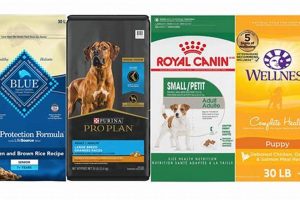
The selection of sustenance designed to mitigate adverse cutaneous reactions in English Bulldogs requires careful consideration. These specialized diets aim to reduce inflammation, alleviate itching, and improve overall skin health in breeds predisposed to allergic responses. For instance, a limited-ingredient diet featuring novel proteins can often be a beneficial option.
Appropriate nutritional choices are critical for managing canine atopic dermatitis and food sensitivities. Such dietary management can significantly improve quality of life, reduce reliance on pharmaceutical interventions, and support a healthy immune system. Historically, identifying specific food allergens has proven challenging, leading to the development of hypoallergenic and elimination diets.
This article will explore the key ingredients to consider, the types of diets available, and strategies for identifying and managing sensitivities in English Bulldogs. Understanding these factors is paramount to selecting the optimal dietary regimen for these canines.
Dietary Guidance for English Bulldogs with Skin Allergies
The following recommendations serve as a guide to assist in managing skin sensitivities in English Bulldogs through informed nutritional choices. Adherence to these principles can contribute to improved dermatological health and overall well-being.
Tip 1: Novel Protein Sources: Incorporate protein sources that are uncommon in conventional dog food formulations. Examples include duck, venison, or fish, which may reduce the likelihood of triggering allergic reactions.
Tip 2: Limited Ingredient Diets: Opt for formulations with a reduced number of ingredients. This simplifies identification of potential allergens and minimizes exposure to unnecessary additives.
Tip 3: Hydrolyzed Protein Formulas: Consider diets where proteins have been broken down into smaller fragments. This process theoretically makes them less recognizable by the immune system, thereby reducing allergic responses.
Tip 4: Omega-3 Fatty Acid Supplementation: Supplement the diet with omega-3 fatty acids, such as those derived from fish oil or flaxseed oil. These compounds possess anti-inflammatory properties that can alleviate skin irritation.
Tip 5: Avoid Common Allergens: Scrutinize ingredient lists to avoid common canine allergens like beef, chicken, wheat, corn, and soy. These are frequent culprits in adverse food reactions.
Tip 6: Regular Veterinary Consultation: Schedule regular consultations with a veterinarian or veterinary dermatologist. Professional guidance is essential for accurate diagnosis and personalized dietary recommendations.
Tip 7: Gradual Dietary Transitions: Introduce any new food gradually over a period of 7-10 days to minimize digestive upset and allow the bulldog to adjust to the new formulation.
Implementing these dietary strategies can provide significant relief and contribute to the long-term health and comfort of English Bulldogs afflicted with skin allergies. Careful observation and collaboration with veterinary professionals are crucial for optimal outcomes.
The subsequent sections will delve into specific food types and additional management strategies to further enhance the well-being of these canines.
1. Limited Ingredients

The concept of limited ingredients is fundamentally intertwined with the selection of optimal nourishment for English Bulldogs experiencing cutaneous sensitivities. The premise is that reducing the number of components in a canine diet minimizes the potential for exposure to allergens, thereby mitigating adverse immune responses manifesting as skin irritations. This approach addresses the inherent difficulty in pinpointing specific allergenic triggers, often a complex and time-consuming diagnostic process. When the number of ingredients is restricted, the task of identifying and eliminating offensive substances is significantly simplified.
Practical application involves selecting food formulations with clearly defined and concise ingredient lists. For example, a limited-ingredient diet might feature only one novel protein source, such as salmon, alongside a single carbohydrate source like sweet potato, and a minimal number of added vitamins and minerals. This approach contrasts with conventional dog foods containing numerous protein sources, grains, preservatives, and artificial additives, any of which could potentially incite an allergic reaction. Success hinges on diligent label reading and, ideally, veterinary guidance to ensure nutritional adequacy and appropriate ingredient selection. Failure to minimize potential allergens in the diet can perpetuate the cycle of inflammation, itching, and secondary infections characteristic of canine allergic dermatitis.
In summary, employing limited-ingredient diets represents a strategic approach to managing cutaneous sensitivities in English Bulldogs. By reducing allergenic exposure, this strategy aids in identifying potential triggers and alleviates the symptomatic manifestations of food allergies. This method is not a cure, but rather a component of a comprehensive management plan. Continuous monitoring and a collaborative approach with a veterinarian are critical for long-term success and optimization of the bulldog’s dermatological health.
2. Novel Protein Sources

The integration of novel protein sources represents a critical strategy in formulating diets to address cutaneous sensitivities in English Bulldogs. These proteins, infrequently encountered in conventional canine diets, offer a means of minimizing allergic responses by reducing the likelihood of immune system recognition and subsequent reaction.
- Reduced Allergen Exposure
The primary role of novel protein sources is to limit exposure to common allergenic proteins such as beef, chicken, and soy, frequently implicated in canine food allergies. By introducing proteins like duck, venison, or rabbit, the probability of triggering an allergic response decreases significantly. For example, switching from a chicken-based diet to a venison-based diet can provide relief from chronic itching and skin inflammation in sensitized individuals.
- Diagnostic Utility
The selection of novel protein sources plays a crucial role in conducting elimination diet trials, a diagnostic method used to identify specific food allergens. During these trials, the bulldog is fed a diet comprised solely of a single novel protein and carbohydrate source for a predetermined period. If symptoms subside, it suggests that the previously consumed protein source was indeed allergenic. This process necessitates the use of proteins that have not been previously included in the dog’s diet.
- Nutritional Considerations
When choosing novel protein sources, it is imperative to ensure that the selected protein provides a complete and balanced amino acid profile, essential for maintaining overall health. While some novel proteins may be naturally rich in certain amino acids, others may require supplementation to meet the bulldog’s nutritional needs. Veterinary consultation is recommended to guarantee dietary adequacy.
- Processing Impact
The method of processing novel protein sources can influence their allergenic potential. Highly processed proteins may be more likely to trigger an allergic response compared to minimally processed proteins. For instance, hydrolyzed proteins, where proteins are broken down into smaller peptide fragments, are often considered less allergenic due to reduced immune system recognition. Understanding the processing methods used in the production of novel protein-based foods is therefore important.
In conclusion, the strategic implementation of novel protein sources constitutes a vital component in the dietary management of cutaneous sensitivities in English Bulldogs. These proteins contribute to reduced allergen exposure, facilitate diagnostic efforts, and support overall nutritional well-being when appropriately selected and processed. Collaboration with a veterinarian is essential to tailor dietary recommendations to the individual needs of the affected bulldog.
3. Hydrolyzed Proteins

Hydrolyzed proteins represent a technologically advanced approach to mitigating food-related allergic reactions in English Bulldogs. These proteins undergo a process where they are broken down into smaller peptide fragments, theoretically rendering them less likely to trigger an adverse immune response and thereby contributing to the selection of suitable nourishment.
- Reduced Allergenicity
The primary advantage of hydrolyzed proteins lies in their diminished allergenic potential. The immune system recognizes and reacts to specific protein structures; by breaking down these proteins into smaller peptides, the likelihood of immune system recognition is reduced. Clinical studies have shown that diets containing hydrolyzed proteins can effectively manage food allergies in canines, leading to a reduction in dermatological symptoms such as pruritus and inflammation. Hydrolyzed soy and chicken liver are common examples.
- Improved Digestibility
In addition to their hypoallergenic properties, hydrolyzed proteins are generally more digestible than their intact counterparts. The pre-digestion process facilitates nutrient absorption, particularly beneficial for English Bulldogs with compromised digestive systems or those experiencing malabsorption issues secondary to allergic reactions. This enhanced digestibility ensures that the canine receives optimal nutrition, supporting overall health and immune function.
- Source Material Variability
Hydrolyzed proteins can be derived from a variety of sources, including soy, poultry, and fish. The efficacy of a hydrolyzed protein diet depends, in part, on the source material. Some canines may still exhibit sensitivity to certain hydrolyzed protein sources, necessitating careful selection based on individual tolerance. Moreover, the hydrolysis process itself must be effectively executed to ensure thorough protein breakdown and minimize residual allergenicity.
- Palatability Considerations
Hydrolyzed protein diets can sometimes present palatability challenges. The hydrolysis process can alter the taste and aroma of the protein, making it less appealing to some canines. Manufacturers often employ strategies, such as flavor enhancers or specific formulation techniques, to improve palatability and encourage acceptance. Careful monitoring of the bulldog’s food intake is essential when transitioning to a hydrolyzed protein diet.
The utilization of hydrolyzed proteins in canine diets represents a significant advancement in managing food allergies in breeds like the English Bulldog. By reducing allergenicity and enhancing digestibility, these proteins contribute to the alleviation of dermatological symptoms and the promotion of overall health. However, careful consideration of source material, processing methods, and palatability is crucial for optimizing the effectiveness of hydrolyzed protein-based nutrition.
4. Omega-3 Fatty Acids

The relationship between omega-3 fatty acids and specialized nutrition for English Bulldogs exhibiting skin allergies is significant, primarily due to the anti-inflammatory properties of these essential nutrients. Omega-3 fatty acids, particularly eicosapentaenoic acid (EPA) and docosahexaenoic acid (DHA), compete with omega-6 fatty acids in the inflammatory cascade. Higher levels of omega-3s can shift the balance, leading to reduced production of pro-inflammatory mediators, thereby mitigating pruritus and dermatitis associated with allergic reactions. For example, a diet deficient in omega-3 fatty acids may exacerbate skin inflammation, while supplementation with fish oil, a rich source of EPA and DHA, has demonstrated efficacy in improving skin barrier function and reducing the severity of allergic symptoms in numerous clinical cases.
Beyond their anti-inflammatory effects, omega-3 fatty acids also contribute to the structural integrity of cell membranes, including those in the skin. This enhanced barrier function helps to prevent the penetration of allergens and irritants, further reducing the likelihood of triggering allergic responses. Certain dietary formulations specifically designed for English Bulldogs with skin allergies incorporate elevated levels of omega-3 fatty acids derived from sources like flaxseed or marine algae. These specialized diets aim to bolster the dog’s natural defenses against environmental allergens and improve overall skin health. It is crucial to recognize that the optimal ratio of omega-3 to omega-6 fatty acids is often a critical factor, requiring careful consideration during dietary formulation or supplementation.
In conclusion, omega-3 fatty acids constitute a valuable component of optimal nourishment strategies for English Bulldogs with skin allergies. Their anti-inflammatory actions, coupled with their contribution to skin barrier function, underscore their therapeutic significance. While omega-3 supplementation offers a promising avenue for managing allergic dermatitis, the overall dietary context, including the balance of other essential nutrients, should be carefully evaluated and ideally guided by veterinary expertise to achieve the most favorable outcomes. The effective utilization of omega-3 fatty acids represents an integral part of a holistic approach to canine allergy management.
5. Grain-Free Options
The inclusion of grain-free options in the dietary management of English Bulldogs with skin allergies is predicated on the notion that grains, such as wheat, corn, and soy, can act as allergenic triggers in susceptible individuals. Although grain allergies are less common than protein allergies in canines, they can nonetheless contribute to dermatological manifestations such as pruritus, erythema, and secondary infections. Therefore, eliminating grains from the diet is a strategic approach aimed at reducing potential allergenic exposure. An example is an English Bulldog exhibiting chronic skin irritation despite being on a limited-ingredient diet with a novel protein source; transitioning to a grain-free version of the same diet may yield significant improvements in skin health. Grain-free diets often utilize alternative carbohydrate sources like sweet potatoes, peas, or tapioca, which are generally considered less allergenic.
However, the utility of grain-free diets extends beyond merely avoiding potential allergens. Grain-free formulations often contain a higher proportion of protein and fat, which can be beneficial for maintaining optimal body condition and supporting skin barrier function. Moreover, the elimination of grains necessitates the inclusion of alternative carbohydrate sources, some of which may offer additional nutritional benefits. For instance, sweet potatoes are a good source of fiber and antioxidants. Nevertheless, the assumption that all grain-free diets are inherently superior is a fallacy. The overall nutritional composition and ingredient quality are paramount. A grain-free diet composed of low-quality ingredients may be less beneficial than a grain-containing diet formulated with high-quality components.
In summary, grain-free options represent a viable consideration in formulating diets for English Bulldogs with skin allergies, particularly when grain allergies are suspected or confirmed. However, the decision to pursue a grain-free diet should be informed by veterinary guidance and accompanied by careful scrutiny of the ingredient list and nutritional profile. The focus should remain on providing a complete and balanced diet that minimizes allergenic exposure while maximizing nutritional support for skin health and overall well-being. The presence of “grain-free” on the label alone does not guarantee suitability; comprehensive assessment and veterinary consultation are essential.
6. Veterinary Guidance

The determination of appropriate nutritional strategies for English Bulldogs experiencing cutaneous sensitivities fundamentally necessitates veterinary oversight. Canine dermatological conditions exhibit multifactorial etiologies, requiring accurate diagnosis to differentiate food allergies from environmental allergies, parasitic infestations, or underlying systemic diseases. Empirical dietary modifications, absent professional assessment, may prove ineffective or even detrimental, potentially masking symptoms and delaying appropriate intervention. Real-world scenarios demonstrate that bulldogs initially presumed to have food allergies were later diagnosed with scabies or hypothyroidism, highlighting the critical role of comprehensive veterinary examination.
Veterinary professionals possess the expertise to conduct thorough diagnostic evaluations, including intradermal skin testing, serum allergy testing, or elimination diet trials, to pinpoint specific allergenic triggers. These evaluations inform tailored dietary recommendations, taking into account breed-specific predispositions, individual health status, and concurrent medical conditions. For instance, an English Bulldog with concurrent kidney disease requires dietary modifications that address both renal function and allergic manifestations. Furthermore, veterinarians can monitor treatment efficacy, adjust dietary plans as needed, and address potential complications, ensuring optimal health outcomes. Diets, even those marketed for allergies, need to be evaluated in total to ensure that it will be beneficial and not cause additional issues.
In conclusion, veterinary guidance forms an indispensable component in the selection and implementation of specialized diets for English Bulldogs with skin allergies. Professional assessment ensures accurate diagnosis, facilitates targeted dietary modifications, and promotes comprehensive management of canine dermatological conditions. Reliance on veterinary expertise mitigates the risks associated with self-diagnosis and empirical treatments, thereby optimizing the likelihood of achieving sustained improvement in skin health and overall well-being. It is the single-most important factor to the food allergies and selection of the best nourishment plan.
Frequently Asked Questions
The following section addresses common inquiries regarding the selection and implementation of appropriate nutritional strategies for English Bulldogs exhibiting cutaneous sensitivities. These questions aim to provide clarity and inform decision-making regarding dietary management.
Question 1: What constitutes a “novel protein” in the context of canine food allergies?
A novel protein refers to a protein source that the English Bulldog has not previously been exposed to in its diet. The purpose is to minimize the likelihood of triggering an allergic response, as the immune system is less likely to recognize and react to an unfamiliar protein. Examples include duck, venison, rabbit, or fish.
Question 2: Are grain-free diets inherently superior for managing skin allergies in English Bulldogs?
Grain-free diets are not inherently superior. While some English Bulldogs may exhibit sensitivity to grains, the primary focus should be on identifying and eliminating specific allergenic triggers, whether grain-based or protein-based. A well-formulated diet, regardless of grain content, is paramount.
Question 3: How long does it typically take to observe improvements in skin condition after initiating a hypoallergenic diet?
The timeframe for observing improvements in skin condition varies depending on the severity of the allergy and the individual Bulldog’s response. Generally, noticeable improvements may be evident within 4 to 8 weeks of strictly adhering to the hypoallergenic diet.
Question 4: Can omega-3 fatty acid supplementation completely resolve skin allergies in English Bulldogs?
Omega-3 fatty acid supplementation can help manage inflammation and improve skin barrier function, thereby alleviating some symptoms of skin allergies. However, it is unlikely to completely resolve the underlying allergic condition. It is typically used as a complementary therapy alongside dietary management and, if necessary, pharmaceutical interventions.
Question 5: Is it necessary to consult a veterinarian before making dietary changes for an English Bulldog with suspected skin allergies?
Consulting a veterinarian is essential before implementing any dietary changes for an English Bulldog with suspected skin allergies. A veterinarian can perform diagnostic tests to identify the specific allergen(s) and recommend an appropriate dietary management plan tailored to the individual dog’s needs.
Question 6: Can homemade diets effectively manage skin allergies in English Bulldogs?
Homemade diets can potentially manage skin allergies in English Bulldogs, but they require careful formulation by a veterinary nutritionist to ensure completeness and balance. Improperly formulated homemade diets can lead to nutritional deficiencies and exacerbate health problems. Consultation with a veterinary nutritionist is strongly advised.
The preceding answers offer insight into common concerns related to dietary management of cutaneous sensitivities. Informed decision-making, in conjunction with veterinary guidance, is crucial for optimizing the health and well-being of affected English Bulldogs.
Best Food for English Bulldog with Skin Allergies
The selection of the optimal dietary regimen for English Bulldogs afflicted with skin allergies necessitates a comprehensive understanding of potential allergenic triggers, nutritional requirements, and individual sensitivities. Key considerations include the use of limited-ingredient diets, novel protein sources, hydrolyzed proteins, omega-3 fatty acid supplementation, and the potential benefits of grain-free options. These strategies aim to reduce allergenic exposure, manage inflammation, and support overall skin health. It is essential to recognize that there is no universally applicable “best” food; rather, the ideal diet is tailored to the specific needs of the individual canine.
The successful management of skin allergies in English Bulldogs hinges on collaboration with a veterinary professional. Accurate diagnosis, personalized dietary recommendations, and ongoing monitoring are crucial for achieving sustained improvement in dermatological health and enhancing the quality of life for affected animals. Further research into canine nutrition and allergy management may provide additional insights, leading to even more effective strategies in the future. Prioritize informed decision-making to optimize canine health outcomes.