



These types of feline diets represent a middle ground in texture and moisture content, offering a palatable alternative to dry kibble and wet food. They typically contain around 25-35% moisture, providing a softer consistency that can be appealing to some cats. A common presentation involves individually wrapped portions, designed for convenience and freshness.
The appeal lies in its palatability and ease of consumption, potentially beneficial for older cats with dental issues or those with a decreased appetite. The increased moisture content, compared to dry food, can contribute to hydration. Historically, these formulations emerged as a convenient option for pet owners seeking a balance between the cost-effectiveness of dry food and the palatability of wet food.
The following sections will delve into the nutritional composition, potential advantages and disadvantages, storage recommendations, and considerations for selecting the appropriate option for individual feline needs.
Tips Regarding Palatable Feline Nutrition
The following tips offer guidance on incorporating palatable feline nutrition into a cat’s diet, emphasizing informed decisions based on nutritional needs and health considerations.
Tip 1: Evaluate Moisture Content: Scrutinize the moisture percentage listed on the packaging. The ideal moisture level should align with the cat’s hydration needs, especially important for felines prone to urinary issues.
Tip 2: Analyze Ingredient Lists: Prioritize products where named meat sources (e.g., chicken, turkey, fish) are listed as the primary ingredients. Avoid formulations heavily reliant on plant-based proteins or artificial additives.
Tip 3: Consider Caloric Density: Be mindful of the caloric density, as these options can be higher in calories per serving compared to dry food. Adjust portion sizes accordingly to prevent overfeeding and weight gain.
Tip 4: Monitor Dental Health: While the softer texture can be easier on the teeth, it may not provide the same dental benefits as dry kibble. Regular dental checkups and appropriate dental treats remain crucial.
Tip 5: Observe Digestive Response: Introduce any new food gradually to minimize the risk of digestive upset. Monitor the cat’s stool consistency and overall well-being during the transition period.
Tip 6: Storage Practices are Important: Because of the higher moisture content, adherence to storage instructions is vital to maintain freshness and prevent spoilage. Reseal opened packages tightly and store in a cool, dry place.
Tip 7: Rotating diet is good idea: If this is the cat’s main diet, consider rotating with dry or wet food to ensure all the necessary nutrients are cover.
By carefully considering the moisture content, ingredients, caloric density, dental implications, and storage requirements, one can make informed decisions regarding the integration of palatable feline nutrition into a cat’s overall dietary plan.
The subsequent section will address potential benefits and drawbacks, alongside storage recommendations and selection criteria tailored to individual feline requirements.
1. Palatability

Palatability, the degree to which food is appealing and readily consumed by an animal, is a primary driver in the selection of semi-moist cat food. Its inherent characteristics often make it a palatable option for felines, influencing their acceptance and consumption.
- Texture and Aroma
Semi-moist formulations possess a unique texture that is softer and chewier than dry kibble, often appealing to cats with sensitive teeth or those exhibiting preferences for specific consistencies. The manufacturing process can incorporate flavorful aromas and enhancers that further stimulate appetite, increasing the likelihood of acceptance.
- Sugar and Fat Content
A higher proportion of sugars and fats can contribute significantly to palatability. These components enhance the taste profile, making the food more enticing to cats. However, this enhanced palatability necessitates careful monitoring of portion sizes to prevent excessive caloric intake and potential weight gain.
- Individual Preferences and Aversions
Feline dietary preferences are highly individualistic. While semi-moist cat food may be appealing to many cats, some may exhibit aversions based on past experiences, genetic predispositions, or learned behaviors. Careful observation of feeding habits and preferences is essential in determining suitability.
- Impact on Consumption
The elevated palatability of semi-moist products may encourage increased food consumption, potentially beneficial for cats with reduced appetites due to illness or stress. This increased intake, however, also increases the risk of overconsumption if portion control is not rigorously maintained.
The palatability of semi-moist cat food represents a significant factor in its selection and use. However, pet owners must recognize the interplay between palatability and nutritional balance, ensuring that enhanced appeal does not compromise the overall health and well-being of the feline.
2. Moisture Content

Moisture content is a defining characteristic of semi-moist cat food, differentiating it from dry kibble and impacting its properties. A typical moisture range of 25-35% distinguishes these formulations. This elevated water activity influences several aspects, including texture, palatability, and preservation. For example, the softer texture, a direct consequence of this moisture level, can be easier for cats with dental issues to consume. However, increased moisture content also necessitates specific preservation methods to inhibit microbial growth and maintain product stability.
The moisture content directly contributes to the food’s water activity. A higher water activity creates an environment more conducive to microbial proliferation, requiring the inclusion of humectants and preservatives. These additives bind water molecules, lowering water activity and extending shelf life. Without such interventions, the product would spoil rapidly. Furthermore, the moisture level affects the caloric density. Semi-moist foods generally have a lower caloric density per unit weight than dry kibble, potentially requiring larger serving sizes to meet a cat’s energy needs. Real-life examples include cats with kidney issues. Veterinary professionals often recommends semi-moist or wet food options due to increase in water intake.
In summary, moisture content is an intrinsic factor influencing the characteristics of semi-moist cat food. This element affects texture, palatability, preservation needs, and caloric density. Understanding this interconnectedness is vital for pet owners to make informed dietary choices that align with their cat’s individual needs and health status.
3. Convenience
The concept of convenience is intrinsically linked to semi-moist cat food due to factors influencing storage, portioning, and overall ease of use. Individually wrapped portions, a common format, exemplify this focus. These packages eliminate the need for measuring, reducing preparation time. Moreover, they enhance portability, facilitating travel with pets. Consequently, individuals seeking simplified feeding routines frequently consider semi-moist options.
This convenience extends beyond individual servings to encompass storage considerations. Unlike wet food, which demands refrigeration after opening, semi-moist varieties typically maintain stability at room temperature due to the humectants that bind water and inhibit microbial growth. This feature alleviates storage demands, especially for those with limited refrigeration capacity. A practical example arises in multi-cat households where controlled feeding is practiced. The pre-portioned format ensures that each animal receives a precisely measured quantity, diminishing the potential for food aggression or overconsumption among individual cats.
Ultimately, the intersection of convenience and semi-moist cat food centers on reducing time expenditure and streamlining the feeding process. This attribute appeals to modern lifestyles and busy schedules. However, the benefits of convenience should be balanced against ingredient quality, nutritional adequacy, and potential drawbacks like higher sugar content in some formulations. By thoughtfully evaluating these factors, pet owners can ascertain whether semi-moist food aligns with their needs and their cat’s overall well-being.
4. Caloric Density

Caloric density, defined as the number of calories per unit of weight or volume, holds significant relevance when considering semi-moist cat food. Semi-moist formulations tend to exhibit a lower caloric density compared to dry kibble, primarily due to their higher moisture content. This disparity implies that a cat might need to consume a larger quantity of semi-moist food to obtain the same caloric intake as with dry food. This is significant because a lack of understanding can lead to underfeeding, or, conversely, overfeeding if portion sizes are not adjusted accordingly. For instance, a cat maintained on a fixed volume of food might experience weight loss when switched from dry kibble to a semi-moist variety without appropriate adjustments.
The lower caloric density also necessitates careful examination of the feeding guidelines provided by manufacturers. These guidelines serve as a starting point, but individual metabolic rates, activity levels, and health conditions may necessitate further adjustments. A sedentary indoor cat may require a smaller portion than an active outdoor cat, even if both are consuming the same semi-moist food. Monitoring a cat’s body condition score is a practical way to assess whether the caloric intake is appropriate. A body condition score that indicates overweight or underweight necessitates adjustments to portion sizes, regardless of the feeding guidelines.
In summation, the relationship between caloric density and semi-moist cat food is a critical factor in ensuring appropriate nutrition. Pet owners need to consider the lower caloric density of semi-moist foods and adjust portion sizes accordingly, taking into account individual cat characteristics. Ignoring this factor can lead to unintended weight fluctuations and potential health consequences. Therefore, an informed approach to portion control, coupled with regular monitoring of body condition, is essential for maintaining a cat’s health and well-being on a semi-moist diet.
5. Ingredient Quality

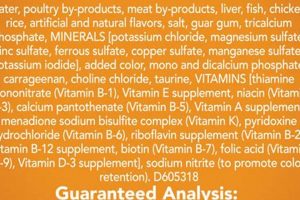
Ingredient quality significantly influences the nutritional value and overall health impact of semi-moist cat food. The manufacturing process, while contributing to palatability and texture, can also mask the inherent quality of the raw materials. Therefore, scrutiny of ingredient lists is paramount. High-quality formulations prioritize named meat sources (e.g., chicken, turkey, salmon) as primary ingredients, ensuring adequate protein levels and essential amino acids. Conversely, lower-quality options frequently rely on rendered by-products, unnamed meat meals, and excessive grain fillers, which offer reduced nutritional benefit and may trigger sensitivities in some cats. The presence of artificial colors, flavors, and preservatives can also indicate compromised ingredient quality and potentially adverse health effects.
The higher moisture content of semi-moist cat food presents a unique challenge regarding ingredient preservation. Humectants, while necessary to inhibit microbial growth, can include substances like propylene glycol, which has sparked debate regarding its safety and potential toxicity in felines. High-quality formulations often utilize alternative, more natural humectants and preservatives, such as tocopherols (Vitamin E) or rosemary extract, albeit potentially at a higher cost. Furthermore, the sourcing and processing methods employed for ingredients significantly impact their nutritional integrity. Minimally processed, human-grade ingredients retain a greater proportion of their inherent vitamins, minerals, and antioxidants, contributing to improved digestion and overall well-being. For instance, a semi-moist food utilizing sustainably sourced fish oil as a source of omega-3 fatty acids will provide a greater benefit to skin and coat health compared to a formulation using rendered animal fats.
In summary, the relationship between ingredient quality and semi-moist cat food is a critical determinant of its suitability for feline consumption. While the convenience and palatability of these products are undeniable, careful consideration of the ingredient list, the types of preservatives employed, and the sourcing of raw materials is essential for making informed choices. Prioritizing high-quality ingredients mitigates the potential risks associated with lower-grade formulations and contributes to the long-term health and vitality of the cat.
6. Storage Stability

Storage stability, the ability of a food product to maintain its quality and safety over time under defined storage conditions, is a crucial consideration for semi-moist cat food. Its inherent characteristics make it more susceptible to degradation than dry kibble, necessitating careful attention to packaging, handling, and preservation techniques.
- Water Activity Control
Semi-moist food’s higher moisture content translates to increased water activity. This environment promotes microbial growth and enzymatic reactions, leading to spoilage. Manufacturers employ humectants like propylene glycol or glycerol to bind water, reducing water activity and inhibiting these processes. The effectiveness of these humectants directly influences storage stability. Proper formulation minimizes microbial proliferation and maintains product integrity for the stated shelf life. Improper water activity control results in mold growth, rancidity, and potential foodborne illnesses for the animal.
- Packaging Integrity
The packaging acts as a barrier against environmental factors that degrade semi-moist food. Oxygen exposure leads to oxidation of fats, resulting in rancidity and off-flavors. Light exposure can degrade vitamins and pigments, diminishing nutritional value and affecting appearance. Moisture permeation increases water activity, negating the effects of humectants. Robust packaging materials with effective seals are essential. Vacuum-sealed or modified atmosphere packaging further extends shelf life by minimizing oxygen content within the package. Damage to the packaging, such as tears or punctures, compromises the barrier and accelerates spoilage.
- Preservative Efficacy
Preservatives play a vital role in inhibiting microbial growth and oxidative reactions. Synthetic preservatives like ethoxyquin, BHA, and BHT have been used, but concerns over potential health effects have driven a shift towards natural alternatives like tocopherols (Vitamin E) and rosemary extract. The efficacy of these preservatives depends on their concentration, distribution within the food matrix, and the presence of other factors that can accelerate degradation. Over time, preservatives degrade, reducing their effectiveness. Proper formulation ensures that preservatives remain active throughout the stated shelf life, protecting the food from spoilage.
- Temperature and Humidity
Storage conditions significantly impact the rate of degradation. Elevated temperatures accelerate chemical reactions, including oxidation and enzymatic breakdown. High humidity increases water activity within the product, even if the packaging remains intact. Storing semi-moist cat food in cool, dry conditions is critical for maintaining its quality. Manufacturers specify recommended storage temperatures to minimize spoilage. Deviations from these recommendations shorten shelf life and increase the risk of degradation, even if the food is within its expiration date.
These interconnected facetswater activity control, packaging integrity, preservative efficacy, and storage conditionsdictate the storage stability of semi-moist cat food. A failure in any of these areas compromises the food’s quality and safety. Therefore, consumers must heed storage instructions, inspect packaging for damage, and consider the expiration date to ensure the food remains safe and nutritious for their cats. Proper storage stability ultimately guarantees the continued palatability and safety of semi-moist cat food.
7. Dental Impact

The dental impact of feline diets represents a critical consideration for long-term health. The textural properties of different food types exert varying degrees of influence on oral hygiene. Semi-moist formulations, owing to their consistency, present specific implications for feline dental health.
- Plaque and Tartar Accumulation
The softer consistency of semi-moist food offers minimal abrasive action compared to dry kibble. This reduced abrasiveness contributes to increased plaque and tartar accumulation on the teeth. The absence of a scrubbing effect during chewing allows bacterial biofilms to develop more readily. This build-up of plaque provides a foundation for mineralization and subsequent tartar formation, potentially leading to gingivitis and periodontal disease.
- Gingival Inflammation
The increased prevalence of plaque and tartar associated with semi-moist diets can trigger gingival inflammation. Bacteria within the plaque release toxins that irritate the gums, leading to redness, swelling, and bleeding. Chronic gingivitis can progress to periodontitis, a more severe condition involving bone loss and tooth mobility. This inflammatory cascade compromises oral health and can have systemic implications due to the release of inflammatory mediators into the bloodstream.
- Chewing Behavior and Saliva Production
Semi-moist food requires less chewing effort compared to dry kibble. This reduced chewing activity results in decreased saliva production. Saliva plays a crucial role in oral hygiene by washing away food particles, buffering acids produced by bacteria, and delivering antimicrobial agents. Reduced saliva production diminishes these protective mechanisms, further exacerbating plaque accumulation and increasing the risk of dental disease.
- Dietary Sugar Content
Some semi-moist formulations contain higher levels of sugar or carbohydrates than dry kibble. These sugars provide a readily available energy source for oral bacteria, promoting their growth and acid production. The acidic environment demineralizes tooth enamel, increasing susceptibility to dental caries (cavities), although these are less common in cats than in humans. The increased sugar content exacerbates the negative impact of reduced chewing and saliva production, further compromising dental health.
The implications of semi-moist cat food on dental health necessitate proactive management strategies. Regular tooth brushing, the use of dental treats or diets formulated to promote oral hygiene, and professional veterinary dental cleanings are essential for mitigating the risks associated with this food type. While palatability and convenience are undeniable advantages, these should be carefully balanced against potential compromises to feline dental well-being.
Frequently Asked Questions About Semi-Moist Cat Food
The following questions address common concerns and misconceptions regarding semi-moist cat food, offering clarity on its nutritional aspects, suitability, and potential drawbacks.
Question 1: Is semi-moist cat food nutritionally complete?
Nutritional completeness depends entirely on the specific formulation. Reputable brands adhere to AAFCO (Association of American Feed Control Officials) guidelines, ensuring that the food provides all essential nutrients in appropriate proportions. Careful examination of the product label is crucial to verify nutritional adequacy. Supplementation may be necessary if the food does not meet AAFCO standards or if a cat has specific dietary needs.
Question 2: Is semi-moist cat food suitable for all cats?
While many cats find semi-moist food palatable, it may not be appropriate for all. Cats with dental issues may benefit from the softer texture, but the reduced abrasiveness can exacerbate plaque and tartar buildup. Cats prone to obesity require careful portion control due to the often higher caloric density. Individual health conditions and dietary requirements should guide the selection of food, ideally in consultation with a veterinarian.
Question 3: How should semi-moist cat food be stored?
Proper storage is crucial to maintain freshness and prevent spoilage. Opened packages should be resealed tightly and stored in a cool, dry place. The presence of moisture makes semi-moist food more susceptible to microbial growth than dry kibble. Adherence to storage instructions on the packaging is essential for ensuring product safety and preventing foodborne illnesses.
Question 4: Does semi-moist cat food contribute to dental problems?
Semi-moist food’s softer texture offers minimal abrasive action, potentially increasing plaque and tartar accumulation. Regular dental care, including tooth brushing and veterinary dental cleanings, is essential for mitigating these risks. Dental treats or diets specifically formulated to promote oral hygiene can also be beneficial.
Question 5: What are the potential benefits of feeding semi-moist cat food?
Semi-moist food offers several potential benefits. Its palatability makes it attractive to picky eaters or cats with reduced appetites. The higher moisture content can contribute to hydration, particularly beneficial for cats prone to urinary issues. Pre-portioned packaging offers convenience for pet owners.
Question 6: Are there specific ingredients to avoid in semi-moist cat food?
It is advisable to avoid formulations containing excessive amounts of artificial colors, flavors, and preservatives. High levels of grain fillers or unnamed meat by-products suggest lower ingredient quality. Propylene glycol, a humectant used in some formulations, has raised concerns; therefore, formulations using natural alternatives are often preferred. A careful review of the ingredient list is crucial for making informed choices.
Semi-moist cat food presents both advantages and disadvantages. Informed decisions, based on a thorough understanding of the food’s composition, storage requirements, and potential health implications, are crucial for ensuring the well-being of the feline.
The following section will explore alternative feeding options and strategies for maintaining optimal feline health.
Conclusion
The preceding exploration of semi-moist cat food has revealed a complex interplay of benefits and drawbacks. While palatability and convenience are undeniable advantages, potential compromises to dental health and the necessity for careful ingredient scrutiny cannot be overlooked. The higher moisture content, a defining characteristic, necessitates specific preservation techniques and affects caloric density, demanding informed portion control. The impact on feline health is contingent upon the specific formulation, storage practices, and individual animal characteristics.
Ultimately, the decision to incorporate semi-moist cat food into a feline’s diet warrants careful consideration and a balanced perspective. Veterinary consultation, diligent label reading, and proactive monitoring of the cat’s health are essential. This approach ensures that the selected diet aligns with the animal’s specific needs and contributes to its long-term well-being.
![Easy Homemade Gravy Cat Food Recipe [DIY] | World’s Most Delicious Foods: Must-Try Dishes from Every Country](https://lisasfoods.com/wp-content/uploads/2026/04/th-168-300x200.jpg "Easy Homemade Gravy Cat Food Recipe [DIY] World’s Most Delicious Foods: Must-Try Dishes from Every Country")