



A nutritional product formulated specifically for felines, it aims to provide a balanced diet adhering to the biological needs of domestic cats. It typically consists of a blend of protein sources, carbohydrates, fats, and essential vitamins and minerals, presented in various forms such as dry kibble or wet food. For example, a recipe might feature chicken or fish as the primary protein source, complemented by grains or vegetables and enriched with taurine, an essential amino acid for feline health.
The significance of this type of diet lies in its contribution to overall feline well-being. Properly formulated recipes support healthy growth, maintain ideal body weight, and promote a strong immune system. Historically, commercially produced options have evolved significantly, moving from basic sustenance to specialized formulations addressing specific life stages, health concerns, and dietary sensitivities. This evolution reflects a growing awareness of the nutritional complexities of feline physiology.
The following discussion will delve into various aspects related to this feline dietary staple, including ingredient sourcing, manufacturing processes, nutritional profiles, and considerations for selecting an appropriate option based on individual feline needs and preferences.
Guidance for Optimal Feline Nutrition
The subsequent guidance addresses key considerations for effectively integrating a targeted feline diet into a cat’s overall health regimen. The objective is to maximize nutritional benefits while minimizing potential dietary imbalances.
Tip 1: Transition Gradually. Introducing a new food should occur incrementally. Begin by mixing a small amount with the existing food, gradually increasing the proportion of the new food over a period of 7-10 days. This minimizes digestive upset and allows the cat to adjust to the new ingredients.
Tip 2: Monitor Hydration. Ensure adequate water intake, particularly when feeding predominantly dry food. Provide fresh water at all times and consider supplementing with wet food to increase moisture intake, which is crucial for urinary tract health.
Tip 3: Adhere to Feeding Guidelines. Consult the feeding guidelines provided on the product packaging. These guidelines offer a starting point, but adjust the amount based on the cat’s individual needs, activity level, and body condition. Regular weight monitoring is recommended.
Tip 4: Consider Life Stage. Choose a formula appropriate for the cat’s life stage (kitten, adult, senior). Kittens require diets higher in protein and calories for growth, while senior cats may benefit from formulations designed to support joint health or kidney function.
Tip 5: Address Dietary Sensitivities. If a cat exhibits signs of food allergies or sensitivities (e.g., skin irritation, digestive upset), consult with a veterinarian. Identifying and eliminating potential allergens, such as specific protein sources or grains, may be necessary.
Tip 6: Read Ingredient Labels Carefully. Prioritize formulas with named meat sources (e.g., chicken, salmon) as the primary ingredients. Avoid products with excessive fillers, artificial colors, or preservatives. A shorter, more transparent ingredient list generally indicates higher quality.
Tip 7: Store Food Properly. Store dry food in a cool, dry place in an airtight container to prevent spoilage and maintain palatability. Wet food should be refrigerated after opening and discarded if not consumed within a reasonable timeframe.
Implementing these recommendations supports informed decision-making regarding feline nutrition, leading to improved health and well-being. Diligent observation and adaptation to individual feline needs are paramount.
The subsequent section will discuss common misconceptions surrounding feline nutrition and address frequently asked questions regarding ingredient choices and feeding practices.
1. Nutritional Adequacy

Nutritional adequacy represents a foundational requirement for any feline diet, particularly when considering commercial options. It involves ensuring the food meets the specific nutrient profiles established by recognized authorities to support feline health across various life stages. Meeting these standards is not merely a regulatory compliance issue but a critical factor in preventing nutritional deficiencies and promoting optimal physiological function.
- Essential Amino Acid Profile
Felines require specific amino acids, such as taurine, that they cannot synthesize in sufficient quantities. Deficiency in taurine, for example, can lead to dilated cardiomyopathy and retinal degeneration. A nutritionally adequate product will contain sufficient taurine, typically sourced from meat ingredients, to meet the daily requirements of the animal. Proper formulation and ingredient selection are paramount to delivering this crucial element.
- Macronutrient Balance
The relative proportions of protein, fat, and carbohydrates are essential for maintaining body weight, providing energy, and supporting metabolic processes. Cats are obligate carnivores, requiring a higher protein intake than many other mammals. A nutritionally adequate option will prioritize protein from animal sources to meet these needs, while also providing appropriate levels of fat for energy and essential fatty acids. Carbohydrate levels should be carefully controlled to avoid excessive energy intake and potential issues with glucose regulation.
- Vitamin and Mineral Content
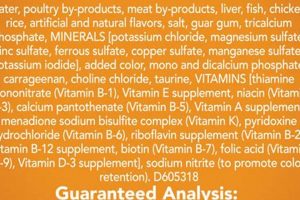
Vitamins and minerals play vital roles in numerous physiological processes, including immune function, bone health, and enzyme activity. A nutritionally adequate offering will contain a balanced array of vitamins and minerals, such as vitamin A, vitamin D, vitamin E, and minerals like calcium, phosphorus, and zinc. These nutrients are typically added in supplemental form to ensure that the food meets the required levels, even after processing.
- Digestibility and Bioavailability
Nutritional adequacy is not solely determined by the presence of nutrients in the food but also by their digestibility and bioavailability. Digestibility refers to the proportion of nutrients that can be broken down and absorbed by the digestive system. Bioavailability refers to the extent to which absorbed nutrients can be utilized by the body. Highly processed ingredients or those with poor nutrient profiles may reduce digestibility and bioavailability, even if the food appears to meet nutritional requirements on paper.
These components highlight the complexity of achieving nutritional adequacy. Careful attention to ingredient sourcing, formulation, and processing is essential to ensure that the dietary option delivers the nutrients needed to support feline health. A well-formulated product will not only meet minimum nutrient requirements but also provide nutrients in a form that is easily digested and utilized by the cat’s body, contributing to overall well-being and longevity.
2. Ingredient Sourcing

Ingredient sourcing represents a fundamental pillar in the quality and nutritional value of feline diets. The origin and processing of components directly affect the overall health benefits and safety of the product. Careful consideration of sourcing practices is essential for manufacturers aiming to deliver superior nutrition to domestic cats.
- Origin of Protein Sources
The origin of protein sources, such as chicken, fish, or beef, significantly impacts the amino acid profile and digestibility. Responsibly sourced proteins from reputable suppliers adhere to stringent quality control measures, minimizing the risk of contamination and ensuring optimal nutritional content. For example, chicken sourced from farms with high animal welfare standards typically exhibits a superior amino acid profile compared to less regulated sources. The selection of protein sources directly influences muscle development and overall health.
- Quality of Carbohydrate Components
While cats primarily require protein and fat, carbohydrate sources, such as grains or vegetables, contribute energy and fiber to the diet. The quality of these components affects digestibility and can influence blood glucose levels. Whole grains and vegetables, when appropriately processed, offer a more sustained energy release compared to refined grains, which may lead to rapid spikes in blood sugar. The choice of carbohydrate source contributes to maintaining a healthy digestive system and stable energy levels.
- Source and Type of Fats
Fats provide essential fatty acids and contribute to palatability. The source and type of fats, whether animal-derived or plant-based, influence the fatty acid composition and overall health benefits. Fish oils, for example, are rich in omega-3 fatty acids, which support cognitive function and reduce inflammation. The incorporation of high-quality fat sources contributes to a glossy coat, healthy skin, and optimal neurological function.
- Vitamin and Mineral Supplementation
The sourcing of vitamins and minerals ensures that the diet meets established nutrient requirements. Reputable suppliers provide micronutrients with guaranteed potency and bioavailability. Synthetic vitamins and chelated minerals often offer enhanced absorption compared to less processed forms. The careful selection of vitamin and mineral supplements supports immune function, bone health, and overall metabolic processes.
The careful selection and monitoring of ingredient sources directly correlate with the nutritional integrity of the final product. Transparent sourcing practices and adherence to quality control standards are crucial for delivering a feline diet that supports optimal health and well-being. Ultimately, the investment in high-quality ingredients translates to improved health outcomes for the animals consuming the food.
3. Digestibility
Digestibility represents a critical factor influencing the nutritional value of any feline diet. Its impact on nutrient absorption and utilization is paramount, directly affecting the cat’s overall health and well-being. A comprehensive understanding of digestibility is essential when evaluating the suitability of a specific feline food.
- Enzymatic Breakdown of Macronutrients
The enzymatic breakdown of proteins, fats, and carbohydrates within the digestive tract is a primary determinant of digestibility. The efficiency with which these macronutrients are broken down into smaller, absorbable units directly influences the quantity of nutrients available for the cat’s physiological needs. For instance, improperly processed proteins may resist enzymatic degradation, leading to reduced amino acid absorption and potential gastrointestinal distress. This facet emphasizes the significance of considering processing methods and ingredient quality in assessing overall digestibility.
- Fiber Content and Composition
The fiber content and composition exert a significant influence on digestive transit time and stool quality. While some fiber is beneficial for promoting gut health and regulating bowel movements, excessive or poorly digestible fiber can hinder nutrient absorption. For example, certain types of plant-based fibers may not be efficiently broken down by feline digestive enzymes, leading to reduced nutrient bioavailability. Careful consideration of fiber types and quantities is crucial in formulating easily digestible diets.
- Impact of Processing Methods
Processing methods significantly affect the digestibility of food ingredients. Excessive heat treatment or improper extrusion techniques can denature proteins and carbohydrates, reducing their enzymatic digestibility. For example, overcooked proteins may become resistant to enzymatic breakdown, resulting in decreased amino acid availability. Selecting feline diets produced using gentle processing methods is essential for preserving nutrient digestibility.
- Individual Feline Physiology
Digestibility can be influenced by the individual feline’s physiology, encompassing age, health status, and gut microbiome composition. Younger animals or those with compromised digestive systems may exhibit reduced digestive capacity, necessitating highly digestible diets. Furthermore, the composition of the gut microbiome plays a crucial role in nutrient absorption and overall digestive health. Considering individual feline factors is paramount in tailoring appropriate and easily digestible diets.
Considering the multifaceted nature of digestibility is imperative when assessing the suitability of a particular dietary option. Optimizing digestibility enhances nutrient absorption and utilization, contributing to improved health outcomes and overall well-being. Therefore, pet owners and veterinarians must prioritize digestibility as a fundamental criterion in the selection process.
4. Palatability

Palatability, defined as the degree to which an animal finds a food appealing, is a critical factor influencing a cat’s willingness to consume a specific diet. In the context of feline nutrition, ensuring a high degree of palatability is essential for maintaining adequate nutrient intake and supporting overall health. This section explores the various facets that contribute to palatability in feline diets, with particular relevance to the acceptance and consumption of specialized products.
- Aroma and Flavor Profiles
Felines possess a highly developed sense of smell, which plays a significant role in food selection. The aroma of a food is often the initial determinant of whether a cat will approach and investigate it. Flavor, while less critical than aroma, also influences palatability. Ingredients such as fish, poultry, and liver hydrolysates contribute appealing aroma and flavor profiles that can enhance a cat’s acceptance of the food. The careful selection and combination of ingredients are therefore essential for creating palatable options.
- Texture and Kibble Size
The texture of a food, particularly dry kibble, can significantly impact its palatability. Cats exhibit preferences for specific kibble shapes, sizes, and densities. Smaller kibble sizes may be preferred by kittens or cats with dental issues, while larger kibble can promote chewing and dental hygiene. The texture and density also influence the oral sensation and chewing experience, which can affect a cat’s overall enjoyment of the food. Manufacturers often conduct palatability trials to optimize the kibble characteristics.
- Fat Content and Caloric Density
Fats contribute to the palatability of feline diets by enhancing aroma, flavor, and texture. They also provide a concentrated source of energy, which can be particularly appealing to cats. A higher fat content can increase the overall caloric density of the food, which may be beneficial for cats with high energy requirements or those that are underweight. However, excessive fat intake can lead to obesity, highlighting the importance of balancing palatability with nutritional considerations.
- Inclusion of Palatants
Palatants are substances added to feline diets to enhance their palatability. These can include ingredients such as animal digests, yeast extracts, and various flavor enhancers. Palatants work by stimulating taste receptors and olfactory pathways, making the food more appealing to cats. The effectiveness of palatants can vary depending on the individual cat’s preferences and sensitivities. While palatants can improve food acceptance, it is important to select those that are safe and of high quality.
These diverse facets illustrate the complexity of palatability in feline nutrition. Formulations should carefully balance aroma, flavor, texture, fat content, and the inclusion of palatants to optimize acceptance and ensure adequate nutrient intake. Understanding and addressing these factors are crucial for manufacturers in developing products that cats find appealing and that contribute to their overall well-being. The success of any feline diet hinges on its ability to meet nutritional requirements and, equally important, to entice cats to consume it consistently.
5. Life Stage Specificity

Life stage specificity in feline nutrition recognizes that the nutritional requirements of cats vary considerably depending on their age and physiological condition. These requirements differ between kittens, adults, pregnant or lactating females, and senior cats. Formulating a diet that aligns with a cat’s specific life stage is not merely a matter of preference; it is a crucial determinant of long-term health and well-being. The principle of life stage specificity is directly relevant to the selection of appropriate food, influencing decisions related to ingredient composition, nutrient ratios, and caloric density. For instance, a kitten food will prioritize high protein and fat content to support rapid growth and development, while a senior formula may focus on lower calorie levels and ingredients that support joint health. Failing to address life stage-specific needs can lead to nutritional deficiencies, developmental issues, or the exacerbation of age-related conditions.
Consider the practical implications of life stage specificity. A pregnant or lactating female requires a diet significantly higher in calories and essential nutrients to support fetal development and milk production. Feeding an adult maintenance formula during this critical period can result in nutrient deficiencies, leading to complications such as poor kitten growth or maternal health problems. Similarly, feeding a senior cat a high-calorie kitten formula can contribute to obesity and related health issues. Numerous commercially available cat foods are formulated to address the specific needs of different life stages. These formulations often include tailored nutrient ratios, ingredient profiles, and feeding guidelines. Consulting with a veterinarian is advisable to determine the optimal dietary strategy for an individual cat, considering its age, health status, and lifestyle.
In summary, life stage specificity is a non-negotiable element of responsible feline nutrition. Understanding the unique nutritional demands of each life stage and selecting food that aligns with these requirements is fundamental to promoting feline health and longevity. Ignoring this principle can have detrimental consequences, highlighting the importance of informed decision-making and veterinary consultation. Recognizing life stage specificity not as a marketing distinction, but as a core tenet of feline nutritional science is crucial for any owner.
6. Health Considerations

Health considerations are inextricably linked to the selection and formulation of feline diets. The inherent connection stems from the direct influence of nutrition on feline physiology and the manifestation or mitigation of various health conditions. A product’s efficacy in promoting health or managing disease is directly proportional to its adherence to established nutritional guidelines and its ability to address specific physiological needs. For example, cats with chronic kidney disease require diets restricted in phosphorus and protein to minimize renal workload; therefore, products claiming to support renal health must demonstrate adherence to these specific nutritional parameters. This highlights the causal relationship between dietary composition and clinical outcomes, emphasizing the need for informed selection based on a cat’s individual health profile.
The importance of health considerations is further underscored by the increasing prevalence of diet-sensitive conditions in feline populations. Food allergies, inflammatory bowel disease, and urinary tract disorders are frequently managed through dietary modifications. In these cases, the “product” serves as a therapeutic tool, with its effectiveness contingent upon the precise exclusion of allergens, the inclusion of anti-inflammatory agents, or the maintenance of optimal urine pH. Real-world examples include the use of hydrolyzed protein diets for cats with food allergies, where the protein molecules are broken down to a size that prevents immune recognition, thus mitigating allergic reactions. Similarly, diets formulated to acidify urine can prevent the formation of struvite crystals, a common cause of feline lower urinary tract disease. The selection of an appropriate food, therefore, becomes a critical component of comprehensive disease management.
Understanding the interplay between health considerations and feline diets is of paramount practical significance for both pet owners and veterinary professionals. Selecting a food that aligns with a cat’s health status, whether for preventive care or disease management, requires careful evaluation of ingredient lists, nutrient profiles, and specific health claims. Furthermore, recognizing the potential for dietary interventions to influence disease progression underscores the need for collaboration between owners and veterinarians to develop customized feeding plans. While “product” can provide a foundation for feline health, its optimal utilization hinges on an informed understanding of the underlying health considerations and a commitment to evidence-based dietary practices.
Frequently Asked Questions Regarding Feline Diets
This section addresses common inquiries pertaining to the selection, formulation, and utilization of feline-specific nutritional options, with an emphasis on clarifying misconceptions and providing evidence-based information.
Question 1: What constitutes the primary differentiating factor between general pet food and feline-specific formulations?
Feline-specific formulations are characterized by elevated protein levels and the inclusion of taurine, an essential amino acid that cats cannot synthesize adequately. General pet food may not meet these specific nutritional requirements.
Question 2: Is grain-free always a superior option for felines?
Grain-free diets are not inherently superior. While some cats may have grain sensitivities, many can tolerate grains without adverse effects. The overall nutrient profile and digestibility are more critical considerations.
Question 3: How should the transition to a new product be executed?
The transition to a new food should be gradual, spanning approximately 7 to 10 days. Mixing increasing proportions of the new food with the existing food minimizes digestive upset.
Question 4: What is the significance of the order in which ingredients are listed on the product label?
Ingredients are listed in descending order by weight. The first few ingredients constitute the bulk of the formulation. Meat sources should ideally be listed prominently.
Question 5: Is supplemental feeding of raw meat advisable?
Supplemental feeding of raw meat carries a risk of bacterial contamination and nutritional imbalances. If pursued, stringent hygiene practices and veterinary consultation are imperative.
Question 6: What are the key indicators of food intolerance or allergy in felines?
Key indicators include persistent itching, skin lesions, digestive upset (vomiting or diarrhea), and recurrent ear infections. Veterinary diagnosis and elimination diets are necessary to confirm food allergies.
These answers represent critical considerations for making informed decisions regarding feline nutrition. Diligent observation and veterinary consultation remain essential for tailoring dietary plans to individual feline needs.
The subsequent section will discuss potential future trends in feline nutrition and emerging research areas.
Conclusion
This exploration has illuminated crucial aspects of feline nutrition, focusing on factors influencing the selection and utilization of commercially available diets. Attention to ingredient sourcing, digestibility, life stage specificity, and health considerations remains paramount for promoting feline well-being.
Continued vigilance in monitoring feline health and adapting dietary strategies based on individual needs will be essential. Future advancements in nutritional science promise further refinements in dietary formulations, potentially leading to enhanced preventative care and disease management for domestic cats.
![Easy Homemade Gravy Cat Food Recipe [DIY] | World’s Most Delicious Foods: Must-Try Dishes from Every Country](https://lisasfoods.com/wp-content/uploads/2026/04/th-168-300x200.jpg "Easy Homemade Gravy Cat Food Recipe [DIY] World’s Most Delicious Foods: Must-Try Dishes from Every Country")