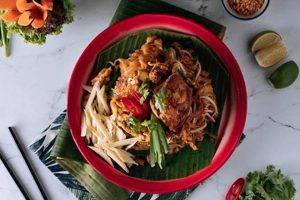
Traditional dishes from Thailand are often characterized by a vibrant balance of sweet, sour, spicy, salty, and bitter flavors. Sodium, frequently delivered through fish sauce, soy sauce, and various pastes, plays a significant role in achieving this flavor profile. Modified versions of these dishes, designed to reduce the amount of sodium, aim to maintain the authentic taste while catering to dietary restrictions and health concerns. These versions might substitute high-sodium ingredients with alternatives like low-sodium soy sauce or coconut aminos, and emphasize fresh herbs and spices to enhance flavor without relying heavily on salt.
Limiting sodium intake can contribute to better cardiovascular health and help manage blood pressure. For individuals with hypertension or those at risk of heart disease, reducing sodium consumption is often a recommended dietary adjustment. Moreover, a lower-sodium diet can help to prevent fluid retention and related health issues. The adaptation of traditional recipes addresses the growing need for healthier food options without sacrificing cultural culinary experiences. Historically, populations consumed far less sodium, and modern adaptations seek to align with these healthier eating patterns.
The subsequent sections will delve into specific ingredients and cooking techniques that enable the creation of flavorful and satisfying Thai meals with a reduced sodium content. Emphasis will be placed on strategies for substituting high-sodium elements and highlighting natural flavors to maintain an authentic and enjoyable culinary experience.
Tips for Preparing Lower Sodium Thai Dishes
Adapting traditional recipes to reduce sodium content requires careful consideration of ingredients and techniques. The following tips offer practical guidance for creating flavorful while adhering to dietary restrictions.
Tip 1: Substitute High-Sodium Sauces. Traditional recipes often rely heavily on fish sauce and soy sauce. Replace these with reduced-sodium versions or consider using coconut aminos, which offer a similar flavor profile with less sodium. Start with a smaller amount and adjust to taste.
Tip 2: Emphasize Fresh Herbs and Spices. Increase the use of fresh herbs such as cilantro, mint, basil, and lemongrass to enhance flavor without adding sodium. Similarly, incorporate spices like ginger, garlic, chili peppers, and turmeric to create complex and satisfying tastes.
Tip 3: Utilize Citrus Juices and Vinegars. Lime juice, lemon juice, and rice vinegar can add acidity and brightness to dishes, balancing flavors and reducing the need for salt. Experiment with different combinations to achieve the desired taste.
Tip 4: Prepare Homemade Broths and Stocks. Commercially prepared broths and stocks are often high in sodium. Make homemade versions using fresh vegetables, herbs, and spices to control the sodium content and enhance the overall flavor of the dish.
Tip 5: Limit or Eliminate Processed Ingredients. Many processed ingredients, such as pre-made curry pastes, contain high levels of sodium. Opt for making these from scratch using fresh ingredients, or carefully read labels and select lower-sodium alternatives.
Tip 6: Be Mindful of Added Salt. Avoid adding extra salt during cooking and at the table. Encourage tasters to experience the full range of flavors before considering additional seasoning.
Tip 7: Incorporate Umami-Rich Ingredients. Ingredients like mushrooms, dried seaweed (such as nori), and tomatoes can add depth and complexity to dishes, providing a satisfying umami flavor that reduces the perceived need for salt.
Implementing these tips facilitates the creation of tasty meals that meet requirements. By focusing on fresh ingredients, alternative seasonings, and careful preparation, it is possible to enjoy authentic flavors while minimizing sodium intake.
The next section will explore specific recipes and provide step-by-step instructions for creating dishes that are both delicious and health-conscious.
1. Ingredient Substitution

Ingredient substitution is a fundamental strategy in adapting traditional recipes for reduced sodium content. This involves replacing high-sodium ingredients with alternatives that maintain or enhance the desired flavor profile while minimizing sodium intake. The successful application of ingredient substitution is critical in producing palatable and authentic dishes tailored to health-conscious consumers.
- Fish Sauce Alternatives
Traditional Thai cuisine often relies heavily on fish sauce for its umami and salty flavors. Replacing fish sauce with low-sodium soy sauce or coconut aminos offers a significant reduction in sodium. Further enhancement of flavor can be achieved by adding a small amount of dried shiitake mushroom powder to mimic the umami depth of fish sauce. The implications of this substitution include a reduced sodium content without sacrificing the dish’s essential flavor characteristics.
- Salted Preserved Ingredients
Many recipes incorporate salted preserved ingredients such as salted radish or shrimp paste. Substituting these with fresh alternatives, or reducing their quantity significantly, can drastically lower sodium levels. For example, replacing salted radish with fresh radish and adding a touch of vinegar to simulate its characteristic tang can maintain the dish’s intended flavor profile. The impact is a substantial decrease in sodium alongside the introduction of fresher, brighter flavors.
- High-Sodium Condiments
Commercial curry pastes and other pre-made sauces often contain high levels of sodium. Preparing these from scratch allows for precise control over the sodium content. Utilizing fresh herbs, spices, and homemade broths to create the base for curry pastes provides a more flavorful and healthful alternative. This approach results in a reduction of hidden sodium sources and enables a more authentic flavor derived from fresh ingredients.
- Sodium-Rich Vegetables
While less common, certain vegetables preserved in brine can contribute to sodium intake. When recipes call for these, consider using fresh, unpreserved vegetables instead. Pickled garlic, for instance, can be replaced with fresh garlic that has been lightly sauted to mellow its sharpness. The consequence is a lower sodium content while maintaining the characteristic allium flavor notes.
These ingredient substitutions, when implemented thoughtfully, enable the creation of meals with significantly reduced sodium content without compromising their authentic Thai character. Careful balancing of flavors through the use of herbs, spices, and fresh ingredients ensures a satisfying and healthful culinary experience. By addressing sodium at the ingredient level, cooks and consumers can better manage their dietary intake while enjoying the rich culinary traditions of Thailand.
2. Flavor Enhancement

Achieving authentic and satisfying flavors in cuisine with reduced sodium content requires a strategic approach to flavor enhancement. The objective is to maintain the rich and balanced taste profiles characteristic of these dishes without relying on high levels of sodium. This necessitates a focus on alternative methods for creating depth and complexity.
- Herbal Infusion and Layering
The strategic use of fresh herbs can significantly elevate the flavor profile of low-sodium dishes. Layering herbs such as lemongrass, galangal, kaffir lime leaves, and cilantro at different stages of the cooking process allows for a nuanced and complex aromatic base. For instance, lemongrass and galangal can be simmered in broth to infuse a subtle citrusy and earthy note, while fresh cilantro added at the end provides a bright, fresh finish. This approach enhances the sensory experience without adding sodium, compensating for the reduced saltiness.
- Spice Blends and Aromatics
Incorporating a balanced blend of spices and aromatics can create a multi-dimensional flavor profile that minimizes the need for salt. Using combinations of dried chilies, garlic, ginger, turmeric, and cumin can introduce heat, pungency, and earthy notes. Toasted spices release their essential oils, intensifying their aroma and flavor, contributing to a richer, more complex taste. For example, a dry-roasted blend of cumin, coriander, and turmeric can provide a warm and savory foundation for a dish, reducing reliance on sodium for flavor depth.
- Acidic Balance with Citrus and Vinegar
Introducing acidity through the use of lime juice, tamarind paste, or rice vinegar can balance flavors and create a refreshing tang. The tartness of these ingredients stimulates the palate, enhancing the perception of other flavors and reducing the need for salt. A squeeze of fresh lime juice over a finished dish adds brightness and enhances the overall taste experience. This balance is crucial in replicating the characteristic sweet-sour-savory profile.
- Umami-Rich Ingredients
Utilizing ingredients high in umami, the savory fifth taste, can deepen the flavor of dishes and reduce the perceived need for sodium. Incorporating mushrooms, tomatoes, and fermented bean products provides a rich, satisfying taste that enhances overall flavor complexity. For instance, adding dried shiitake mushrooms to a broth or using a small amount of fermented black bean paste can create a robust umami backbone, allowing for a reduction in added salt.
By thoughtfully implementing these flavor enhancement techniques, it is possible to create satisfying and authentic Thai cuisine with reduced sodium content. The emphasis on fresh herbs, balanced spice blends, acidic components, and umami-rich ingredients ensures that dishes remain flavorful and enjoyable, even in the absence of high levels of sodium.
3. Preparation Techniques

Preparation techniques are a crucial determinant in the sodium content of dishes. Traditional recipes often employ methods that inherently introduce or concentrate sodium, such as prolonged simmering with high-sodium ingredients or the addition of salt at multiple stages of cooking. Modifying these techniques is essential to creating options with reduced sodium. For instance, stir-frying with minimal amounts of sauce, rather than slow-braising in a sodium-rich liquid, directly influences the final sodium level. Moreover, the order in which ingredients are added affects the perceived saltiness; adding salt or sodium-rich sauces towards the end of cooking allows for better control and reduces the overall amount needed. Failure to adapt preparation methods will negate any benefits derived from substituting ingredients, highlighting the causal relationship between technique and dietary outcome.
An example of effective preparation is the creation of reduced-sodium curry pastes. Instead of using pre-made pastes, which are often heavily salted, preparing fresh curry pastes from scratch allows for precise control over sodium. This involves carefully selecting fresh herbs and spices, such as chilies, galangal, lemongrass, and garlic, and blending them with minimal added salt or high-sodium ingredients. Furthermore, steaming or grilling proteins and vegetables, rather than deep-frying or pan-frying with excessive oil, helps to reduce the overall sodium and fat content. Such techniques not only lower sodium but also preserve the natural flavors and textures of the ingredients, contributing to a more healthful and enjoyable meal. The significance of these adapted techniques lies in their ability to maintain the essence of the cuisine while catering to dietary needs.
In summary, the connection between preparation techniques and dishes is direct and impactful. Adapting these techniques is paramount to successfully creating reduced-sodium options. While ingredient substitution is valuable, the effectiveness of these substitutions is contingent upon thoughtful and deliberate adjustments to the cooking process. Challenges may arise in educating cooks and consumers about the importance of these changes, but the practical significance of understanding and implementing these techniques cannot be overstated in the pursuit of healthier dietary choices.
4. Sodium Awareness
Sodium awareness is paramount when adapting recipes to create options. Understanding the prevalence of sodium in various ingredients and its impact on health is crucial for successfully minimizing sodium content without sacrificing flavor or culinary integrity.
- Label Reading Proficiency
Proficient label reading is a cornerstone of sodium awareness. Consumers and cooks must be able to identify sodium content per serving in processed ingredients, sauces, and condiments. An example is comparing different brands of soy sauce to select the option with the lowest sodium level. This skill informs purchasing decisions and enables accurate calculation of sodium levels in prepared dishes. The ability to interpret nutritional labels directly influences the ability to control sodium intake.
- Recognizing Sodium Sources
Identifying common sources of sodium is essential for making informed dietary choices. These sources include not only table salt but also hidden sodium in processed foods, cured meats, and certain vegetables preserved in brine. For instance, pre-made curry pastes often contain substantial amounts of sodium. A comprehensive understanding of sodium sources empowers individuals to make targeted substitutions and adjustments in their cooking and eating habits. Recognizing sodium’s ubiquitous presence is the first step toward effective reduction.
- Understanding Health Implications
Knowledge of the health implications of excessive sodium consumption motivates and reinforces efforts to reduce sodium intake. High sodium diets are linked to increased risk of hypertension, cardiovascular disease, and kidney problems. Awareness of these risks provides a compelling rationale for adopting lower-sodium dietary practices. This understanding encourages sustained commitment to health-conscious food choices.
- Implementing Gradual Reduction
A strategic approach to sodium reduction involves gradually decreasing the amount of sodium used in cooking and at the table. Abrupt elimination of sodium can negatively impact taste and palatability, leading to non-compliance. A gradual reduction allows taste buds to adapt, making lower-sodium options more acceptable over time. This incremental approach is more sustainable and effective in promoting long-term dietary changes.
These facets of sodium awareness collectively contribute to the successful creation and enjoyment of options. By cultivating these skills and knowledge, individuals can effectively manage their sodium intake while still enjoying the flavors and traditions of this rich culinary heritage.
5. Health Implications

The relationship between health and cuisine, specifically in the context of options, is significant. Diets high in sodium contribute to several adverse health conditions. Reducing sodium intake through modifications to traditional recipes can have substantial positive effects on public health and individual well-being.
- Cardiovascular Health
Elevated sodium intake is a well-established risk factor for hypertension, a primary contributor to cardiovascular disease. Chronic hypertension increases the workload on the heart, leading to hypertrophy and eventual heart failure. Reducing sodium consumption through careful preparation of dishes can lower blood pressure, thereby mitigating the risk of heart disease and stroke. For example, individuals with pre-existing hypertension may experience a noticeable improvement in blood pressure control by consistently choosing options.
- Kidney Function
The kidneys play a vital role in regulating sodium balance in the body. Excessive sodium intake can overwhelm the kidneys’ capacity to maintain this balance, leading to fluid retention and increased blood pressure. Over time, chronic high sodium intake can contribute to kidney damage and increase the risk of chronic kidney disease. Adapting recipes to be lower in sodium helps reduce the burden on the kidneys, promoting healthy kidney function and reducing the risk of kidney-related complications. An example would be people with renal insufficiency who can benefit from low sodium dishes and slow progression of kidney disease.
- Fluid Balance
Sodium is a key electrolyte that influences fluid balance within the body. High sodium intake can lead to fluid retention, causing swelling and discomfort, particularly in individuals with conditions such as heart failure or edema. Reducing sodium intake helps the body maintain a more balanced fluid state, alleviating symptoms and improving overall comfort. Specifically, people who has peripheral edema can experience noticeable relief from swelling by adopting a diet with low sodium meals, leading to reduced fluid accumulation in the extremities.
- Medication Effectiveness
For individuals taking medications to manage conditions such as hypertension or heart failure, dietary sodium intake can significantly impact the effectiveness of these medications. High sodium intake can counteract the effects of antihypertensive drugs, requiring higher dosages to achieve the desired blood pressure control. By reducing sodium consumption through thoughtful meal planning, individuals can potentially improve the efficacy of their medications and reduce the need for higher doses, minimizing potential side effects. It is important to note that no one should alter medication without their doctor’s advice.
In conclusion, the health implications of consuming are far-reaching and significant. By understanding and addressing the role of sodium in relation to these health outcomes, individuals and communities can make informed choices that promote better health and well-being. The adaptation of traditional recipes to reduce sodium content represents a proactive approach to disease prevention and management, underscoring the importance of culinary practices in public health.
Frequently Asked Questions
This section addresses common inquiries regarding preparation, flavor, and nutritional aspects of Thai cuisine modified to reduce sodium content. The information provided aims to clarify misconceptions and offer practical guidance.
Question 1: How can the authentic flavor of Thai dishes be maintained when sodium is reduced?
Authentic flavors can be preserved by utilizing fresh herbs, spices, and citrus juices to enhance taste without relying heavily on salt. Strategic use of ingredients high in umami can also compensate for reduced sodium.
Question 2: What are suitable alternatives to fish sauce in recipes?
Appropriate substitutes include low-sodium soy sauce, coconut aminos, or homemade broths infused with dried shiitake mushrooms to replicate the umami flavor.
Question 3: Is it possible to create curry pastes with a reduced sodium content?
Yes, preparing curry pastes from scratch using fresh ingredients and controlling the amount of added salt allows for significant reduction in sodium levels compared to commercial pastes.
Question 4: What are the primary health benefits associated with consuming options?
The primary benefits include improved blood pressure control, reduced risk of cardiovascular disease, and decreased strain on kidney function.
Question 5: How does one effectively read food labels to identify sodium content?
Food labels should be examined for the “sodium” listing under “Nutrition Facts,” paying attention to the amount per serving and the number of servings per container. Compare different brands to select lower-sodium alternatives.
Question 6: What strategies can be implemented to gradually reduce sodium intake?
A gradual approach involves slowly decreasing the amount of salt used in cooking and at the table, allowing taste buds to adapt over time. Substitution of high-sodium ingredients with lower-sodium alternatives should also be incorporated progressively.
In summary, maintaining authentic flavors while reducing sodium requires careful ingredient selection, skillful use of flavor enhancers, and a commitment to informed dietary choices. The health benefits associated with dishes are considerable and underscore the importance of sodium awareness.
The subsequent article section will offer specific recipes and meal planning suggestions for incorporating dishes into a balanced diet.
Conclusion
The preceding discussion has explored various facets of preparation, emphasizing the importance of ingredient substitution, flavor enhancement, preparation techniques, and sodium awareness. The implications for cardiovascular health, kidney function, and overall well-being have also been addressed. The information presented underscores the feasibility and benefits of enjoying authentic flavors while mitigating the risks associated with high sodium consumption.
The continued exploration and adoption of strategies represent a proactive step toward promoting healthier dietary habits within a global context. The synthesis of culinary tradition and nutritional awareness offers a pathway to preserving cultural heritage while addressing contemporary health concerns. Further research and education are essential to expanding the availability and accessibility of options for diverse populations.