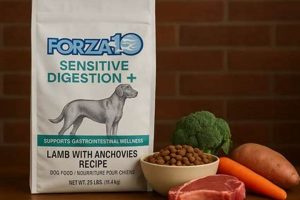
Specialized canine diets formulated for West Highland White Terriers are designed to address the breed’s specific nutritional requirements and potential health predispositions. These formulations often consider factors such as skin sensitivity, digestive health, and potential for weight gain. An example includes kibble with high-quality protein sources and added omega fatty acids.
The selection of appropriate nourishment is crucial for maintaining the overall well-being of Westies. Benefits can include a healthier coat, improved digestion, and optimized energy levels. Historically, breed-specific diets have emerged as a response to understanding the unique physiological needs of different dog breeds, contributing to proactive healthcare strategies.
This understanding provides a foundation for a detailed exploration of various considerations in selecting optimal nourishment for West Highland White Terriers. Subsequent sections will delve into ingredient analysis, dietary recommendations, and strategies for addressing common health concerns through appropriate nutritional choices.
Tips for Selecting Optimal Nutrition
The following tips offer guidance in making informed decisions regarding alimentation for West Highland White Terriers, focusing on promoting their health and addressing potential breed-specific concerns.
Tip 1: Prioritize High-Quality Protein Sources: Look for formulations where meat, poultry, or fish are listed as the primary ingredients. Adequate protein supports muscle maintenance and overall vitality in Westies.
Tip 2: Analyze Fat Content and Sources: Omega-3 and Omega-6 fatty acids, derived from fish oil or flaxseed, are crucial for maintaining healthy skin and coat, common areas of concern for this breed. Ensure a balanced ratio of these fatty acids.
Tip 3: Evaluate Carbohydrate Sources: Opt for easily digestible carbohydrates such as brown rice or sweet potatoes, avoiding excessive amounts of fillers like corn or wheat, which can contribute to digestive issues.
Tip 4: Consider Fiber Content: Adequate fiber supports digestive regularity. Ingredients like beet pulp or pumpkin can aid in maintaining healthy bowel movements.
Tip 5: Monitor Caloric Intake: Westies are prone to weight gain. Adhere to recommended feeding guidelines and adjust portions based on individual activity levels to prevent obesity.
Tip 6: Read Ingredient Lists Carefully: Become familiar with common allergens or ingredients that may trigger sensitivities in your dog. Avoid artificial colors, flavors, and preservatives.
Tip 7: Consult with a Veterinarian: Discuss specific dietary needs with a veterinary professional, particularly if the dog has existing health conditions or sensitivities. They can offer tailored recommendations.
By adhering to these recommendations, owners can enhance the well-being of their West Highland White Terriers, promoting optimal health and longevity through careful alimentary management.
These nutritional strategies contribute to a holistic approach to Westie care, complementing regular grooming, exercise, and veterinary check-ups.
1. Skin Sensitivity and Westie Dog Food

Skin sensitivity represents a prevalent health concern among West Highland White Terriers. The breed’s genetic predisposition, coupled with environmental factors and dietary influences, often results in allergic reactions, dermatitis, and pruritus. The selection of appropriate nourishment plays a crucial role in managing and mitigating these sensitivities. The composition of specialized canine diets formulated for Westies often addresses this issue by incorporating hypoallergenic ingredients, limited ingredient lists, and omega fatty acids to support skin barrier function. For example, diets excluding common allergens like wheat, corn, and soy, and featuring novel protein sources such as duck or salmon, are frequently recommended by veterinarians to minimize potential reactions.
The importance of selecting specifically formulated canine diets for Westies is underscored by the potential for adverse cutaneous reactions to ingredients in conventional dog food. Symptoms may include excessive scratching, redness, hair loss, and secondary skin infections. The inclusion of specific nutrients, such as biotin, zinc, and Vitamin E, can contribute to skin health and resilience. A practical application of this understanding involves carefully monitoring the dog’s response to a new diet, observing for any changes in skin condition or behavior. Regular veterinary check-ups are essential to diagnose and manage skin sensitivities effectively.
In summary, the connection between skin sensitivity and specialized canine diets for Westies is significant. Addressing dietary triggers and providing essential nutrients can markedly improve skin health and overall well-being. Despite advancements in diet formulation, challenges remain in identifying individual allergens and managing complex cases. A holistic approach, encompassing appropriate dietary choices, environmental management, and veterinary care, is critical for successfully addressing skin sensitivities in West Highland White Terriers.
2. Digestive Health and westie dog food

Digestive health significantly influences the overall well-being of West Highland White Terriers. The breed exhibits a predisposition to certain gastrointestinal sensitivities, necessitating careful consideration in selecting appropriate nourishment. Inadequate digestion can manifest as symptoms like vomiting, diarrhea, gas, and poor nutrient absorption, impacting vitality and contributing to secondary health issues. westie dog food formulations often prioritize highly digestible ingredients, such as easily processed proteins and carbohydrates, to minimize digestive strain. For instance, diets containing hydrolyzed protein or limited ingredient lists may be recommended to reduce the likelihood of adverse reactions in sensitive individuals.
The incorporation of prebiotics and probiotics represents a strategic approach to bolstering digestive health in Westies. Prebiotics serve as nutrients for beneficial gut bacteria, while probiotics introduce live microorganisms to enhance gut flora balance. A real-life example of this application involves observing improved stool quality and reduced gastrointestinal upset in Westies fed a diet supplemented with these elements. Furthermore, fiber content plays a crucial role in regulating bowel movements and promoting gut motility. Soluble fiber, derived from sources like beet pulp, can aid in solidifying loose stools, whereas insoluble fiber supports regular elimination.
In summary, the link between digestive health and specialized alimentation for West Highland White Terriers is undeniable. Prioritizing easily digestible ingredients, incorporating prebiotics and probiotics, and managing fiber content are essential strategies for optimizing gastrointestinal function. Challenges remain in identifying individual sensitivities and tailoring diets accordingly, requiring close observation and veterinary guidance. A holistic approach, encompassing proper feeding practices, stress management, and prompt veterinary intervention when necessary, is crucial for maintaining digestive health in Westies.
3. Weight Management and Westie Dog Food
Weight management constitutes a critical aspect of canine health, particularly for West Highland White Terriers. The breed exhibits a notable predisposition to weight gain, influenced by factors such as genetics, metabolic rate, and lifestyle. Excessive weight can exacerbate existing health conditions and contribute to the development of new ones, including joint problems, diabetes mellitus, and cardiovascular disease. Formulated alimentation plays a pivotal role in mitigating these risks by providing controlled caloric intake and appropriate nutrient balance. An example is the utilization of specialized kibble with lower fat content and higher fiber levels to promote satiety and regulate energy absorption.
The importance of aligning dietary strategies with activity levels cannot be overstated. Westies with sedentary lifestyles require significantly fewer calories than those engaged in regular exercise. Therefore, adherence to recommended feeding guidelines, coupled with consistent monitoring of body condition, is essential. A practical application involves implementing a structured feeding schedule and avoiding the overabundance of treats, often high in calories and low in nutritional value. Additionally, consulting a veterinary professional for personalized dietary recommendations based on individual needs can further optimize weight management efforts.
In summary, the connection between weight management and Westie-specific alimentation is undeniable, with dietary choices directly influencing overall health outcomes. Proactive weight management strategies, encompassing controlled caloric intake, balanced nutrient profiles, and customized feeding plans, are paramount for mitigating obesity-related health risks. Challenges may arise from variations in individual metabolic rates and activity levels, necessitating ongoing monitoring and adjustment of dietary regimens to maintain optimal body condition throughout the Westie’s lifespan. The proactive approach ensures the breed well-being and longevity
4. Coat Quality and westie dog food
The quality of a West Highland White Terrier’s coat serves as a visible indicator of overall health, directly influenced by alimentation. The breed standard dictates a hard, white, double coat, and deviations from this ideal often reflect underlying nutritional deficiencies or imbalances. Appropriate nourishment supports healthy hair follicle function, promoting optimal growth, texture, and pigmentation. Ingredients such as omega-3 and omega-6 fatty acids, derived from fish oil or flaxseed, are particularly crucial for maintaining skin hydration and reducing inflammation, thereby enhancing coat luster and minimizing dryness. A practical example involves observing a marked improvement in coat shine and a reduction in dandruff after transitioning a Westie to a diet rich in these fatty acids.
Sufficient protein intake is also paramount, as hair consists primarily of keratin, a fibrous structural protein. Deficiencies can result in a dull, brittle coat prone to breakage. High-quality alimentation ensures adequate amino acid availability for optimal keratin synthesis. Furthermore, specific vitamins and minerals, including biotin, zinc, and copper, play essential roles in enzymatic processes involved in hair growth and pigmentation. Instances of coat discoloration or hair loss often warrant a thorough assessment of dietary adequacy, with supplementation considered under veterinary guidance.
In summary, the relationship between coat quality and appropriate alimentation for West Highland White Terriers is demonstrably significant. The breed’s distinctive coat acts as an external barometer of internal health, responsive to dietary manipulations. Challenges in maintaining optimal coat quality may arise from individual sensitivities or underlying medical conditions, necessitating a comprehensive approach involving dietary modifications, environmental management, and veterinary oversight. This highlights the importance of holistic management.
5. Breed-specific needs and Westie Dog Food

West Highland White Terriers, like all breeds, possess unique physiological and metabolic characteristics that dictate specific nutritional requirements. These breed-specific needs necessitate tailored alimentation to maintain optimal health and longevity. Commercially available canine diets formulated for Westies are designed to address these distinct requirements, focusing on factors such as skin health, digestive sensitivity, and predisposition to certain genetic conditions. The absence of breed-specific dietary considerations can lead to various health problems, ranging from dermatological issues to gastrointestinal distress. As an example, the breed’s tendency towards skin allergies necessitates the inclusion of omega fatty acids and limited allergen formulations in their alimentation.
The breed’s higher susceptibility to conditions such as copper storage disease and patellar luxation further underscores the importance of carefully selecting an appropriate diet. Copper storage disease necessitates controlled copper intake to prevent liver damage, while maintaining optimal weight through controlled caloric intake can mitigate the risk of patellar luxation. Practical applications of this understanding involve scrutinizing ingredient lists for copper content and adjusting feeding portions based on individual activity levels and metabolic needs. Veterinary consultation is crucial to determine appropriate dietary recommendations tailored to the specific health profile of each individual Westie.
In summary, breed-specific needs are a fundamental consideration in selecting optimal canine alimentation for West Highland White Terriers. Failure to acknowledge these needs can result in a cascade of adverse health consequences. Careful attention to dietary composition, coupled with regular veterinary assessments, is essential to promoting well-being and addressing potential predispositions within the breed. Addressing breed-specific needs through thoughtful dietary choices maximizes the likelihood of a healthy and extended lifespan.
6. Ingredient Quality and westie dog food
Ingredient quality is a cornerstone of appropriate alimentation for West Highland White Terriers, directly influencing their health and well-being. The selection of high-quality ingredients minimizes the risk of adverse reactions, optimizes nutrient absorption, and supports overall physiological function. Compromised ingredient quality can lead to various health issues, including skin allergies, digestive disturbances, and nutritional deficiencies.
- Protein Source and Digestibility
The origin and digestibility of protein are critical determinants of canine health. High-quality protein sources, such as meat, poultry, or fish, provide essential amino acids necessary for muscle maintenance, immune function, and coat health. Digestibility is equally important, as poorly digested protein can contribute to gastrointestinal distress and nutrient malabsorption. Real-life examples include observing improved stool quality and increased energy levels in Westies fed alimentation containing highly digestible protein sources.
- Fat Composition and Omega Fatty Acids
The fat composition of canine alimentation, particularly the presence and ratio of omega-3 and omega-6 fatty acids, significantly impacts skin and coat health. Omega fatty acids support the skin’s barrier function, reducing inflammation and minimizing the risk of allergic reactions, common in Westies. Ingredients like fish oil and flaxseed provide these essential fats. A practical implication is the reduction of pruritus and improved coat luster in Westies consuming alimentation rich in omega fatty acids.
- Carbohydrate Source and Glycemic Index
The carbohydrate source and its glycemic index influence blood sugar regulation and energy levels. Easily digestible carbohydrates, such as brown rice and sweet potatoes, provide a sustained energy source while minimizing the risk of digestive upset. High-glycemic carbohydrates, like corn and wheat, can lead to rapid blood sugar spikes and potential insulin resistance over time. Selecting alimentation with appropriate carbohydrate sources is crucial for managing weight and preventing metabolic disorders in Westies.
- Absence of Artificial Additives and Fillers
The exclusion of artificial additives, such as artificial colors, flavors, and preservatives, is a marker of high-quality canine alimentation. These additives offer no nutritional value and may trigger allergic reactions or sensitivities in susceptible individuals. Similarly, the absence of inexpensive fillers, like corn gluten meal or soy, indicates a focus on nutrient density rather than cost reduction. The implication is a lower risk of adverse reactions and improved overall health in Westies consuming alimentation free from these undesirable components.
These facets underscore the fundamental importance of prioritizing ingredient quality in selecting canine alimentation for West Highland White Terriers. While cost considerations may influence purchasing decisions, the long-term health benefits of high-quality ingredients far outweigh any short-term cost savings. Regular veterinary consultation and careful evaluation of ingredient lists are essential steps in ensuring optimal nutrition for this breed.
Frequently Asked Questions Regarding Westie Dog Food
The following addresses common inquiries concerning alimentation for West Highland White Terriers, providing clarity on specific dietary needs and considerations.
Question 1: What constitutes an appropriate protein source in westie dog food?
An appropriate protein source is typically derived from high-quality animal-based ingredients, such as chicken, fish, or lamb. The protein source should be easily digestible and provide a complete amino acid profile. Plant-based protein sources may be suitable in conjunction with animal-based sources to achieve a balanced amino acid profile.
Question 2: How does fiber content impact digestive health in West Highland White Terriers?
Fiber content significantly influences digestive regularity and stool consistency. Adequate fiber supports healthy bowel movements and can help prevent constipation or diarrhea. Soluble fiber can aid in water absorption, while insoluble fiber promotes gut motility. Optimal fiber levels should be tailored to the individual dog’s needs.
Question 3: Are grain-free diets inherently superior for Westies?
Grain-free diets are not inherently superior. While some Westies may benefit from grain-free formulations due to sensitivities, others may not require grain exclusion. The suitability of a grain-free diet depends on individual needs and sensitivities. Consultation with a veterinarian is recommended to determine if grain exclusion is necessary.
Question 4: What role do omega fatty acids play in maintaining skin and coat health?
Omega-3 and omega-6 fatty acids are essential for maintaining skin hydration and reducing inflammation. These fatty acids support the skin’s barrier function, minimizing the risk of dryness, pruritus, and allergic reactions. Adequate omega fatty acid intake promotes a healthy, lustrous coat.
Question 5: How can weight management be effectively addressed through alimentation?
Weight management is achieved through controlled caloric intake and appropriate portion sizes. Westie-specific aliments often offer lower fat content and higher fiber levels to promote satiety. Regular exercise is also crucial. Portion sizes should be adjusted based on individual activity levels and metabolic needs.
Question 6: Is supplementation necessary in addition to a balanced westie dog food?
Supplementation is generally not necessary when a balanced, high-quality canine aliments is provided. However, specific health conditions or dietary deficiencies may warrant supplementation under veterinary guidance. Routine supplementation without veterinary recommendation is generally discouraged.
In summary, tailored alimentation represents a cornerstone of West Highland White Terrier care. Prioritizing ingredient quality, addressing specific needs, and consulting with veterinary professionals are crucial for promoting optimal health and well-being.
The information provided serves as a foundation for informed alimentary decisions. Subsequent sections will delve into specific dietary recommendations and strategies for addressing common health concerns.
Conclusion
The comprehensive evaluation of alimentation for West Highland White Terriers highlights the imperative of selecting specifically formulated diets to address the breed’s unique physiological and health predispositions. Considerations regarding skin sensitivity, digestive health, weight management, and coat quality collectively underscore the critical influence of dietary choices. Prioritizing high-quality ingredients, balanced nutrient profiles, and veterinary guidance remains paramount.
The information conveyed necessitates continued diligence in alimentary decision-making. The ultimate success of a chosen dietary regimen manifests in the sustained well-being, vitality, and longevity of the West Highland White Terrier. Prospective owners and current caregivers are encouraged to use this knowledge to improve the care of their dogs.
![Nutro: Best Small Breed Dog Food [Expert Tips] | World’s Most Delicious Foods: Must-Try Dishes from Every Country](https://lisasfoods.com/wp-content/uploads/2026/05/th-346-300x200.jpg "Nutro: Best Small Breed Dog Food [Expert Tips] World’s Most Delicious Foods: Must-Try Dishes from Every Country")