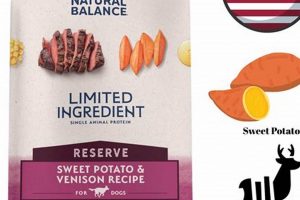
The inclusion of ingredients mimicking the dietary habits of canids in the wild, specifically wolves, represents a trend in the pet food industry. This approach often involves incorporating higher protein levels and focusing on meat-based formulas. For example, a product might emphasize protein sources like chicken, beef, or lamb, supplemented with nutrients found in diets of wild canids.
The purported benefits of this formulation style include improved muscle development, enhanced energy levels, and a more biologically appropriate diet for domestic dogs. Historically, the concept draws upon the evolutionary relationship between wolves and domestic dogs, suggesting that diets closer to ancestral feeding patterns may optimize canine health and well-being. This perspective has driven the development of various specialized food options catering to owners seeking these perceived advantages.
The subsequent discussion will delve into specific aspects such as the nutritional composition of these products, potential advantages and disadvantages, and considerations for selecting the most appropriate options for individual dogs based on their breed, age, and activity level. The analysis will also encompass a review of available research and expert opinions on this increasingly popular feeding philosophy.
Considerations for Selecting Canine Diets Inspired by Wild Canids
This section offers guidance on making informed decisions when choosing canine food options that emphasize ingredients and nutritional profiles similar to those consumed by wolves. Careful assessment of product labels and individual dog needs is crucial.
Tip 1: Prioritize High-Quality Protein Sources: Look for products that list meat, poultry, or fish as the primary ingredients. The protein source should be clearly identified (e.g., chicken, beef, salmon) to ensure transparency and ingredient traceability.
Tip 2: Evaluate Protein Content: Diets aiming to mimic the wolf’s natural intake typically feature higher protein levels. Compare the protein percentage on the guaranteed analysis label across different brands and formulations.
Tip 3: Analyze Carbohydrate Sources: Minimize the presence of excessive fillers like corn, wheat, and soy. Opt for products utilizing alternative carbohydrate sources such as sweet potatoes, peas, or lentils.
Tip 4: Scrutinize Fat Content and Types: Assess the fat content and the types of fats included. Omega-3 and Omega-6 fatty acids, derived from fish oil or flaxseed, are beneficial for skin and coat health.
Tip 5: Verify the Inclusion of Essential Vitamins and Minerals: Ensure the food is fortified with essential vitamins and minerals to meet the dog’s nutritional requirements. A complete and balanced formula is essential.
Tip 6: Account for Individual Dog Needs: Consider the dog’s age, breed, activity level, and health conditions when selecting a diet. Puppies, senior dogs, and active breeds may have specific nutritional requirements.
Tip 7: Consult with a Veterinarian: Before making significant dietary changes, consult with a veterinarian. They can provide personalized recommendations based on the dog’s specific health profile and needs.
Choosing canine diets inspired by the feeding habits of wild canids requires careful attention to ingredient quality, nutrient ratios, and individual dog needs. Prioritizing protein, scrutinizing carbohydrate sources, and consulting with a veterinarian will facilitate informed decision-making.
The following sections will address potential advantages, disadvantages, and frequently asked questions related to these specialized diets.
1. High Protein Formulations

High protein formulations are frequently associated with dog food products marketed as being aligned with the ancestral diet of canids, drawing inspiration from the feeding habits of wolves. This association stems from the understanding that wolves, as primarily carnivorous animals, consume a diet rich in protein derived from animal sources. This premise informs the development of commercial diets emphasizing elevated protein levels for domestic dogs.
- Muscle Development and Maintenance
High protein diets are often promoted for their role in supporting muscle development and maintenance in dogs. Protein provides the essential amino acids required for building and repairing muscle tissue, which is particularly relevant for active breeds or working dogs. The assumption is that mimicking the protein intake of wolves, which rely on their physical prowess for hunting, will confer similar benefits on domestic dogs.
- Satiety and Weight Management
Protein can contribute to a feeling of fullness after meals, potentially aiding in weight management. Diets high in protein and lower in carbohydrates may help dogs maintain a healthy body weight by reducing overeating. This aspect aligns with the concept of a “wolf-like” diet, as wolves typically consume fewer carbohydrates compared to domestic dogs fed conventional kibble.
- Digestibility and Nutrient Absorption
The digestibility of protein sources is a critical factor in high protein formulations. The source of protein (e.g., chicken, beef, fish) and its processing method can significantly impact its digestibility and the dog’s ability to absorb essential amino acids. Dog food emulating a wolf’s diet must utilize highly digestible protein sources to ensure optimal nutrient utilization.
- Potential Renal Considerations
While high protein diets can offer benefits, potential renal implications should be considered, particularly in dogs with pre-existing kidney conditions. Excess protein intake may place additional stress on the kidneys. Therefore, a veterinarian should be consulted to determine the suitability of a high protein diet for dogs with compromised renal function.
The prevalence of high protein formulations in “dog food with wolf” themed products underscores the emphasis on mimicking the dietary habits of ancestral canids. However, the suitability of these diets for individual dogs depends on various factors, including age, breed, activity level, and overall health. A balanced approach, incorporating appropriate protein levels from digestible sources and addressing potential health considerations, is essential for optimizing canine nutrition.
2. Ancestral Diet Inspiration

The concept of ancestral diet inspiration plays a central role in the formulation and marketing of “dog food with wolf.” This approach posits that domestic dogs, due to their evolutionary lineage from wolves, possess a biological predisposition for diets mirroring those consumed by their wild ancestors. Consequently, manufacturers develop and promote products emphasizing ingredients and nutrient ratios perceived to be representative of a wolf’s natural prey and feeding habits. The presumed benefit lies in optimizing canine health through biologically appropriate nutrition. For instance, brands often highlight the inclusion of higher protein levels, derived from meat sources like chicken, beef, or lamb, to emulate the protein-rich diets of wolves. This alignment with perceived ancestral feeding patterns constitutes a primary selling point.
However, a direct equivalence between a wolf’s diet and the ideal diet for domestic dogs is not without complexities. The domestication process has introduced physiological and metabolic adaptations in dogs, potentially altering their nutritional needs. Furthermore, the “ancestral diet” concept is often an idealized representation, lacking precise data on the specific diets of wolves across diverse geographical regions and environmental conditions. Nevertheless, ancestral diet inspiration continues to drive ingredient selection and marketing strategies within the pet food industry. For example, the incorporation of ingredients like organ meats, bones (in ground form), and limited grain content aims to replicate the totality of a wolf’s prey consumption.
In conclusion, ancestral diet inspiration serves as a fundamental principle underlying the creation and promotion of “dog food with wolf.” While acknowledging the potential benefits of aligning with evolutionary predispositions, a nuanced understanding of canine physiology and nutritional requirements remains essential. The interpretation of “ancestral diet” should be viewed as a guiding influence rather than a strict prescription, with individual dog needs and veterinary guidance taking precedence. The challenge lies in translating the concept of ancestral diets into practical and nutritionally balanced feeding solutions for domestic dogs.
3. Biologically Appropriate Ingredients

The term “biologically appropriate ingredients,” when applied to canine nutrition, signifies components mirroring the dietary composition of a dog’s wild ancestors, primarily wolves. In the context of “dog food with wolf,” this concept serves as a guiding principle for formulating diets designed to align with the perceived evolutionary needs of domestic dogs. The underlying premise is that ingredients resembling those consumed by wolves will promote optimal health and well-being in domestic canines. This influence manifests in the increased use of meat-based proteins, reduced reliance on grains and carbohydrates, and the inclusion of novel protein sources. For example, a product may substitute corn and wheat with ingredients such as sweet potatoes and lentils, while increasing the proportion of animal protein sourced from chicken, beef, or fish. The purported benefit lies in improving digestion, nutrient absorption, and overall physiological function by providing nutrients in a form more closely aligned with the canine digestive system’s evolutionary adaptation.
The selection of biologically appropriate ingredients also extends to the inclusion of animal by-products, such as organ meats, which are often omitted from conventional dog food formulations. These organs, consumed by wolves as part of their whole-prey diet, are rich in essential vitamins and minerals. The justification for their inclusion is rooted in the belief that domestic dogs can benefit from the complete nutrient profile derived from the entirety of an animal carcass, similar to their wild counterparts. Consequently, some “dog food with wolf” products feature ingredients like liver, kidney, and heart to enhance their nutritional value. However, it is crucial to note that the definition of “biologically appropriate” can be subjective and may vary among manufacturers and nutritionists, leading to diverse interpretations of the ideal canine diet.
In conclusion, the concept of biologically appropriate ingredients forms a cornerstone of “dog food with wolf.” This approach seeks to replicate the dietary patterns of wolves to optimize canine nutrition. The practical significance lies in the potential to improve digestion, nutrient absorption, and overall health by providing ingredients more closely aligned with a dog’s evolutionary adaptations. Challenges remain in establishing a universally accepted definition of “biologically appropriate” and in ensuring that these diets meet the specific nutritional requirements of individual dogs, necessitating careful consideration and veterinary consultation. This approach, while inspired by wolf diets, must be carefully tailored to the needs of domesticated canines.
4. Raw feeding considerations
Raw feeding considerations represent a significant facet of the “dog food with wolf” discussion. This approach advocates for providing dogs with uncooked meat, bones, and organs, mirroring the presumed dietary habits of wolves. The intent is to offer a biologically appropriate diet, yet raw feeding introduces specific challenges and potential risks that must be carefully evaluated.
- Bacterial Contamination
Raw meat can harbor harmful bacteria such as Salmonella, E. coli, and Listeria. These pathogens pose a risk to both the dog consuming the food and to humans handling it. Proper food safety protocols, including sourcing meat from reputable suppliers and adhering to strict hygiene practices, are crucial to minimize bacterial contamination. Thorough cleaning and disinfection of food preparation surfaces and utensils are essential to prevent the spread of bacteria.
- Nutritional Imbalance
Creating a nutritionally balanced raw diet requires careful planning and a thorough understanding of canine nutritional requirements. Simply feeding raw meat without adequate supplementation can lead to deficiencies in essential vitamins and minerals, potentially causing health problems over time. Consulting with a veterinary nutritionist is recommended to ensure that the raw diet meets the dog’s specific nutritional needs.
- Bone Safety
Raw bones are often included in raw feeding diets as a source of calcium and other minerals. However, cooked bones should never be fed to dogs, as they can splinter and cause internal damage. Even raw bones can pose a risk if they are too small or if the dog consumes them too quickly. Supervision during feeding and selecting appropriate bone sizes are essential to prevent choking or digestive obstruction.
- Parasite Transmission
Raw meat can contain parasites that can infect dogs. Freezing meat at specific temperatures for a defined period can help kill certain parasites. However, it is essential to be aware of the potential risk of parasite transmission and to consult with a veterinarian regarding appropriate preventative measures, such as regular deworming.
These raw feeding considerations must be carefully weighed when considering “dog food with wolf” approaches. While emulating a wolf’s diet might seem inherently beneficial, the practical implementation of raw feeding carries inherent risks. Informed decision-making, guided by veterinary expertise and stringent food safety practices, is paramount to mitigating potential adverse effects and ensuring the well-being of the dog. The idealized vision of a wolf’s diet must be tempered with the realities of safely and effectively providing raw food to domestic canines.
5. Potential health benefits

The association between “dog food with wolf” and potential health benefits stems from the underlying philosophy that diets mimicking ancestral feeding patterns may optimize canine well-being. Proponents suggest formulations with elevated protein levels, reduced grain content, and biologically appropriate ingredients can contribute to improved muscle development, enhanced energy levels, and a healthier digestive system. For instance, anecdotal evidence suggests that some dogs experience improved coat quality and reduced skin allergies when switched to diets aligning with the “dog food with wolf” concept. The cause-and-effect relationship lies in the assumption that a diet closer to a wolf’s natural prey provides nutrients in a more digestible and utilizable form, leading to positive physiological outcomes.
The importance of potential health benefits as a component of “dog food with wolf” is significant from both a marketing and a nutritional perspective. Manufacturers leverage these purported advantages to attract health-conscious pet owners. However, scientific validation of these claims remains a crucial consideration. While some studies indicate potential benefits of high-protein diets for certain dogs, comprehensive, long-term research is needed to fully assess the efficacy and safety of “dog food with wolf” formulations across diverse breeds and life stages. Practical application requires a careful evaluation of individual dog needs and a consultation with a veterinarian to determine the most appropriate dietary strategy. The emphasis should remain on scientific validation of benefits rather than solely relying on marketing claims. Furthermore, the specific components such as increased protein and reduced filler ingredients, can lead to better weight management and improve digestion, but must be considered alongside any breed-specific predispositions.
In conclusion, the link between “dog food with wolf” and potential health benefits is a complex issue requiring careful consideration. While anecdotal evidence and theoretical rationales exist, robust scientific evidence is needed to substantiate these claims. The practical significance of this understanding lies in the need for informed decision-making, prioritizing individual dog needs and veterinary guidance over unsubstantiated marketing promises. The challenge remains in differentiating between genuine health advantages and promotional narratives, ensuring that dietary choices are based on sound scientific principles and tailored to the specific requirements of each canine companion. Claims related to health, must be scrutinized by a veterinarian before changing diet, and should be a continuous process to ensure the best health for the animal.
6. Digestibility assessment

Digestibility assessment is a critical element in evaluating the suitability of “dog food with wolf” formulations. This evaluation determines the extent to which a dog can effectively break down and absorb nutrients from a given diet, influencing overall health and well-being. The digestibility of ingredients purported to mimic a wolf’s natural prey directly impacts the nutritional value derived by the domestic canine.
- Protein Digestibility and Amino Acid Availability
The digestibility of protein sources is paramount, as it dictates the availability of essential amino acids necessary for muscle development, tissue repair, and various metabolic processes. Protein sources common in “dog food with wolf,” such as beef, chicken, or fish, exhibit varying degrees of digestibility depending on factors like processing methods and ingredient quality. For example, hydrolyzed proteins, often included in specialized formulations, undergo enzymatic breakdown to enhance digestibility and minimize allergenic potential.
- Carbohydrate Digestibility and Glycemic Response
While “dog food with wolf” often minimizes carbohydrate content, the digestibility of remaining carbohydrates, such as those from sweet potatoes or lentils, is essential. Highly digestible carbohydrates provide a readily available energy source, while poorly digestible carbohydrates can lead to digestive upset or contribute to imbalances in gut microbiota. The glycemic response, reflecting the rate at which carbohydrates elevate blood glucose levels, is also a consideration, particularly for dogs with diabetes or those prone to weight gain.
- Fat Digestibility and Fatty Acid Absorption
Fat digestibility is crucial for the absorption of essential fatty acids, including omega-3 and omega-6 fatty acids, which play vital roles in skin and coat health, immune function, and inflammatory responses. Fat sources like fish oil or flaxseed oil, frequently incorporated into “dog food with wolf” products, must undergo efficient digestion to ensure optimal absorption of these beneficial fatty acids. Factors such as the type of fat, the presence of emulsifiers, and the overall fat content can influence digestibility.
- Fiber Digestibility and Gut Health
While “dog food with wolf” formulations typically contain lower fiber levels compared to conventional kibble, the digestibility of included fiber sources, such as beet pulp or cellulose, impacts gut health. Digestible fibers can promote beneficial gut bacteria growth, contributing to improved digestive function and overall immunity. Indigestible fibers, conversely, can add bulk to the stool and aid in regulating bowel movements. The balance between digestible and indigestible fibers is a consideration in optimizing gut health.
The efficient breakdown and absorption of nutrients are critical for dogs consuming diets inspired by the feeding habits of wolves. A thorough understanding of these factors is essential for both manufacturers in developing appropriate formulas and for owners in selecting the most optimal sustenance.
7. Cost implications
The economic ramifications associated with “dog food with wolf” represent a tangible consideration for pet owners. A primary driver of increased cost stems from the formulation’s emphasis on high-quality protein sources, frequently derived from animal meats. These ingredients, such as named-meat meals (e.g., chicken meal, beef meal) or fresh meat inclusions, typically command a higher price compared to plant-based protein alternatives commonly found in conventional dog food. The procurement of these premium ingredients necessitates a greater expenditure from manufacturers, which is subsequently reflected in the retail price.
Furthermore, formulations adhering to the “dog food with wolf” philosophy often incorporate specialized ingredients, such as organ meats, novel protein sources (e.g., venison, duck), and limited or no grain fillers. The sourcing and processing of these ingredients add to production costs. For example, the inclusion of freeze-dried or dehydrated components, intended to preserve nutritional integrity, requires additional processing steps and specialized equipment. Moreover, some manufacturers prioritize sourcing ingredients from sustainable or organic farms, further elevating production expenses. This cost differential becomes apparent when comparing the price per pound of “dog food with wolf” products to that of standard kibble options.
In summary, the economic implications of selecting “dog food with wolf” are driven by the emphasis on premium protein sources and specialized ingredients. While proponents argue that the increased cost is justified by potential health benefits and improved ingredient quality, consumers must weigh these considerations against their budgetary constraints. A thorough cost-benefit analysis, coupled with a veterinarian’s input, can assist pet owners in making informed decisions regarding dietary choices for their canine companions. Ultimately, the price point constitutes a significant factor influencing the accessibility and adoption of “dog food with wolf” formulations.
Frequently Asked Questions Regarding Canine Diets Inspired by Wild Canids
This section addresses common inquiries and misconceptions surrounding canine diets formulated to emulate the feeding habits of wolves. The information presented aims to provide clarity and guidance for pet owners considering such dietary options.
Question 1: Are canine diets mirroring the wolf’s diet inherently superior to conventional kibble?
The assertion that diets resembling a wolf’s diet are universally superior lacks conclusive scientific validation. While proponents suggest potential benefits such as improved digestibility and enhanced nutrient absorption, the ideal diet for a domestic dog depends on individual factors including age, breed, activity level, and health status. A comprehensive assessment of nutritional needs and veterinary consultation are essential.
Question 2: Is a high-protein diet always advisable for dogs?
While high-protein diets are a characteristic of canine diets inspired by wild canids, they are not universally appropriate. The suitability of a high-protein diet depends on individual canine health. For instance, dogs with pre-existing kidney conditions may require moderate protein intake to minimize renal stress. Veterinary guidance is recommended to determine optimal protein levels.
Question 3: Are grain-free diets necessarily healthier for dogs?
The absence of grains does not automatically equate to a healthier diet. The nutritional value of a grain-free diet depends on the ingredients used to replace grains. If grains are replaced with nutritionally inferior fillers, the overall quality of the diet may be compromised. Assess the specific ingredients and nutritional profile of grain-free diets, rather than solely focusing on the absence of grains.
Question 4: What are the primary risks associated with raw feeding, and how can they be mitigated?
Raw feeding, often associated with “dog food with wolf” philosophies, carries risks including bacterial contamination, nutritional imbalances, and bone-related hazards. Mitigation strategies involve sourcing meat from reputable suppliers, implementing strict hygiene practices, consulting with a veterinary nutritionist to ensure balanced nutrient profiles, and carefully selecting bone sizes to prevent choking or digestive obstruction.
Question 5: How can one assess the quality and safety of a canine diet marketed as “dog food with wolf”?
Assessing the quality and safety requires careful scrutiny of ingredient lists, guaranteed analysis labels, and manufacturing processes. Look for named-meat sources, avoid excessive fillers, and research the manufacturer’s reputation and quality control measures. Veterinary consultation is advisable to ensure the diet meets the specific nutritional needs of the dog.
Question 6: Is the increased cost of “dog food with wolf” justified by demonstrable health benefits?
The justification for the increased cost of “dog food with wolf” depends on individual circumstances and the specific product in question. While proponents argue that premium ingredients and specialized formulations yield tangible health benefits, these claims require scientific validation. Consumers must weigh potential benefits against budgetary constraints and prioritize evidence-based decision-making.
In summary, canine diets inspired by the feeding habits of wolves present both potential advantages and inherent challenges. A comprehensive understanding of individual canine needs, meticulous evaluation of product quality, and veterinary consultation are essential for making informed dietary choices.
The following section will provide further insights into the long-term effects of “dog food with wolf” diets and considerations for transitioning dogs to alternative feeding regimens.
Conclusion
“Dog food with wolf,” a term denoting canine diets formulated to emulate the feeding habits of wild canids, presents a complex landscape of considerations. This exploration has traversed the spectrum from ancestral diet inspiration and biologically appropriate ingredients to digestibility assessments and cost implications. The emphasis on high-protein formulations and raw feeding considerations underscores a commitment to replicating the perceived nutritional intake of wolves. However, the absence of conclusive scientific validation for universal superiority necessitates caution.
The selection of a canine diet, particularly one inspired by the dietary habits of wolves, demands informed decision-making. Individual dog needs, encompassing age, breed, activity level, and health status, must take precedence over unsubstantiated marketing claims. Veterinary consultation remains paramount in ensuring that dietary choices align with the unique requirements of each canine companion. While the allure of emulating a wolf’s diet persists, a balanced perspective, grounded in scientific evidence and professional guidance, is crucial for optimizing canine health and well-being.