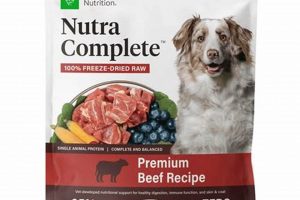
A diet that mimics the ancestral eating habits of canids, involving uncooked meat, bones, and organs, is gaining traction among pet owners. This approach to canine nutrition often includes components that would be naturally consumed in a wild setting, such as muscle meat, offal, and pulverized bone. For instance, a typical meal might consist of ground chicken, beef liver, and a small amount of bone meal.
Proponents of this dietary model suggest that it can lead to improved digestion, a shinier coat, and increased energy levels in dogs. Some believe it addresses potential deficiencies or sensitivities arising from highly processed commercial kibble. Historically, canids thrived on prey-based diets, and advocates argue that returning to a more natural food source can promote overall well-being and vitality.
Understanding the intricacies of this feeding method is crucial before implementation. Subsequent sections will delve into the potential risks and benefits associated with this nutritional approach, proper preparation techniques, and the importance of veterinary consultation to ensure a balanced and safe dietary transition for your canine companion.
Guidance on Implementing a Raw Diet for Canines
Careful consideration and planning are essential when transitioning a dog to a diet comprised of uncooked ingredients mirroring those consumed by their wild counterparts. Improper implementation can lead to nutritional deficiencies or health risks.
Tip 1: Consult with a Veterinarian or a Board-Certified Veterinary Nutritionist. Seek professional guidance to ensure the diet is appropriate for the individual dog’s age, breed, health status, and activity level. This is critical for addressing any pre-existing conditions or potential sensitivities.
Tip 2: Prioritize Food Safety and Handling. Raw meat can harbor bacteria such as Salmonella and E. coli. Adhere to strict hygiene practices, including washing hands thoroughly, sanitizing food preparation surfaces, and using separate utensils and cutting boards.
Tip 3: Ensure Nutritional Balance. A properly formulated diet must include appropriate ratios of muscle meat, organs (e.g., liver, kidney), and bones or bone meal to meet the dog’s calcium and phosphorus requirements. Relying solely on muscle meat can lead to imbalances.
Tip 4: Introduce the Diet Gradually. A sudden switch to a completely raw diet can cause gastrointestinal upset. Start by mixing small amounts of uncooked components with the dog’s current food, gradually increasing the proportion over a period of several days to weeks.
Tip 5: Select High-Quality Ingredients. Source raw materials from reputable suppliers to minimize the risk of contamination and ensure the ingredients are fresh and free from spoilage. Consider using human-grade meat and poultry when possible.
Tip 6: Monitor the Dog’s Condition. Regularly observe the dog’s stool consistency, energy levels, coat condition, and body weight. Adjust the diet as needed based on these observations and in consultation with a veterinary professional.
Tip 7: Consider Supplementation Carefully. Depending on the composition of the diet and the individual dog’s needs, supplementation with vitamins or minerals may be necessary. Avoid over-supplementation, as this can be harmful.
Proper preparation, balanced nutrition, and veterinary oversight are essential for mitigating risks and maximizing the potential benefits of this dietary approach. Prioritizing these considerations will contribute to the dog’s health and well-being.
Further research into reputable resources on canine nutrition is encouraged before initiating any significant dietary changes.
1. Muscle Meat

Muscle meat forms a cornerstone of dietary approaches emulating the ancestral feeding patterns of canids. Its role extends beyond providing mere sustenance; it is a primary source of essential nutrients vital for canine health and well-being.
- Protein Source and Amino Acid Profile
Muscle meat is rich in protein, composed of essential amino acids that dogs cannot synthesize on their own. These amino acids are fundamental building blocks for tissues, enzymes, and hormones, supporting muscle development, immune function, and overall physiological processes. Deficiencies can lead to muscle wasting, impaired growth, and compromised immunity.
- Bioavailable Micronutrients
Beyond protein, muscle meat contains bioavailable forms of micronutrients such as iron, zinc, and B vitamins. Iron is crucial for oxygen transport in the blood, zinc plays a role in immune function and wound healing, and B vitamins are essential for energy metabolism and nerve function. These nutrients are often more readily absorbed from meat sources compared to plant-based alternatives.
- Fat Content and Energy Source
The fat content of muscle meat provides a concentrated source of energy, particularly important for active dogs. Fat also aids in the absorption of fat-soluble vitamins (A, D, E, and K) and contributes to the palatability of the diet. The specific type of fat (e.g., saturated, unsaturated) varies depending on the animal source and can influence cardiovascular health.
- Considerations for Sourcing and Preparation
The source and quality of muscle meat are crucial. Meat should be obtained from reputable suppliers to minimize the risk of contamination with pathogens or toxins. Proper handling and storage are essential to prevent spoilage and maintain nutritional integrity. Grinding or chopping muscle meat can increase its surface area, potentially increasing the risk of bacterial growth if not handled properly.
Incorporating muscle meat judiciously into a canine diet designed to mimic natural feeding habits requires careful consideration of its nutritional profile, sourcing, and preparation. Consulting with a veterinary nutritionist can ensure that the diet meets the individual dog’s needs and minimizes the risk of nutritional imbalances or foodborne illnesses.
2. Organ Inclusion

Organ inclusion is a critical component when formulating a canine diet that approximates the nutritional intake of wild canids consuming prey animals. These nutrient-dense tissues contribute significantly to the overall balance and completeness of the diet.
- Micronutrient Density
Organs such as liver, kidney, spleen, and heart are exceptionally rich sources of essential vitamins and minerals, often exceeding the concentrations found in muscle meat. For example, the liver is a potent source of vitamin A, B vitamins, and iron, while kidneys provide selenium and vitamin D. These micronutrients are vital for supporting various physiological functions, including immune response, energy metabolism, and cell growth.
- Enzyme and Probiotic Contribution
Raw organs contain naturally occurring enzymes that aid in digestion, potentially enhancing nutrient absorption. Additionally, the presence of beneficial bacteria in some organs can contribute to a healthy gut microbiome. The digestive systems of wild canids are adapted to utilize these enzymes and probiotics, which are often absent in highly processed commercial pet foods.
- Fatty Acid Profiles
Certain organs, such as the brain and eyes, are rich in specific fatty acids, including omega-3 fatty acids like DHA and EPA. These fatty acids are crucial for brain development, cognitive function, and reducing inflammation. Including these organs provides a natural source of these beneficial fats, which may be more bioavailable than supplemented sources.
- Considerations for Safe Inclusion
The source and handling of organs are paramount to minimize the risk of contamination. Organs should be sourced from healthy animals and handled with strict hygiene practices to prevent bacterial growth. It is also essential to introduce organ meats gradually into the diet, as they can be highly palatable and may cause digestive upset if consumed in large quantities initially. Proper portioning based on veterinary guidance is necessary to avoid nutrient imbalances or toxicities, such as vitamin A toxicity from excessive liver consumption.
The strategic inclusion of organ meats in a canine diet designed to emulate natural prey consumption offers significant nutritional advantages. However, careful attention to sourcing, handling, and portion control is essential to ensure safety and prevent adverse health effects. Veterinary consultation is recommended to formulate a balanced and appropriate diet that meets the individual dog’s needs.
3. Bone content

Bone content constitutes a critical element in dietary approaches designed to replicate the ancestral eating habits of canids. Its presence within a diet mimicking the consumption of whole prey animals serves several essential functions, directly impacting canine health. The primary connection resides in bone’s role as a natural source of calcium and phosphorus, minerals vital for skeletal development and maintenance. Inadequate bone content can lead to calcium deficiency, resulting in skeletal abnormalities, particularly in growing puppies. Conversely, excessive bone consumption may cause constipation or, in severe cases, intestinal obstruction. A practical example involves a homemade diet consisting primarily of muscle meat and organs without appropriate bone supplementation. Such a diet can induce secondary hyperparathyroidism, a condition where the body extracts calcium from bone to maintain blood calcium levels, ultimately weakening the skeleton. The understanding of bone content’s importance is therefore significant for preventing nutritional imbalances.
Furthermore, the form in which bone is provided influences its digestibility and safety. Raw, meaty bones (RMBs), such as chicken necks or turkey wings, offer a digestible source of calcium when consumed in appropriate quantities. The act of chewing RMBs also promotes dental health by mechanically removing plaque and tartar buildup. However, cooked bones should be strictly avoided, as they become brittle and prone to splintering, posing a significant risk of esophageal or intestinal perforation. Another consideration involves the size and type of bone offered, aligning with the dog’s chewing ability and reducing the risk of choking. Marrow bones, while appealing, should be provided sparingly due to their high-fat content, which may lead to digestive upset in some animals. These considerations highlight the practical application of understanding bone content within a raw diet.
In summary, bone content’s inclusion in diets mirroring the wild feeding habits of canids is indispensable for ensuring adequate mineral intake and promoting dental health. However, meticulous attention must be paid to the type, quantity, and preparation of bone to mitigate potential risks. The primary challenge lies in achieving a precise balance that meets the dog’s nutritional needs without causing adverse effects. Consultation with a veterinary nutritionist is advisable to formulate a diet that is both safe and nutritionally complete, thereby optimizing the benefits of bone content within this feeding paradigm.
4. Nutrient Balance
Nutrient balance is a cornerstone of any dietary regimen, particularly when employing a feeding strategy intended to mimic the ancestral eating habits of canids. The success of such a diet hinges on providing essential nutrients in appropriate ratios to support optimal health and physiological function.
- Macronutrient Ratios
The proportions of protein, fat, and carbohydrates are crucial. A diet too high in fat can lead to obesity and pancreatitis, while excessive protein can strain the kidneys. The optimal balance depends on the dog’s age, activity level, and breed. For example, a working dog requires a higher fat content compared to a sedentary senior dog. Imbalances in macronutrient ratios can manifest as digestive upset, weight gain or loss, and impaired athletic performance.
- Micronutrient Adequacy
Meeting the requirements for vitamins and minerals is essential. Deficiencies in calcium, phosphorus, or vitamin D can lead to skeletal problems, particularly in growing animals. Conversely, excessive supplementation with certain micronutrients, such as vitamin A, can be toxic. The specific needs vary; large-breed puppies require carefully controlled calcium levels to prevent developmental orthopedic disease. Over- or under-supplementation can result in a range of health issues, from bone deformities to organ damage.
- Omega-3 to Omega-6 Fatty Acid Ratio
The balance between omega-3 and omega-6 fatty acids influences inflammatory processes. An excessive intake of omega-6 fatty acids relative to omega-3 fatty acids can promote inflammation, exacerbating conditions such as arthritis and allergies. Sources of omega-3 fatty acids, such as fish oil, should be included to maintain a proper ratio. An imbalanced ratio may manifest as chronic inflammation, skin problems, and increased susceptibility to disease.
- Amino Acid Profile
Ensuring a complete amino acid profile is critical for protein synthesis and overall health. Animal-based protein sources are generally considered complete, containing all essential amino acids in appropriate proportions. However, plant-based protein sources may be deficient in certain amino acids, such as taurine, which is essential for cardiac function in dogs. A deficiency in essential amino acids can lead to muscle wasting, impaired immune function, and cardiac problems.
Achieving nutrient balance in a diet designed to mimic natural feeding patterns requires careful planning, ingredient selection, and veterinary guidance. Potential imbalances can lead to significant health problems. Regular monitoring and adjustments based on the dog’s individual needs are crucial to ensure the long-term success and safety of this dietary approach.
5. Hygiene Protocol

The implementation of stringent hygiene protocols is not merely advisable, but rather a prerequisite for the safe and responsible preparation of diets comprised of uncooked elements. Diets reflecting the ancestral feeding habits of canids inherently involve raw ingredients, which can harbor pathogenic bacteria such as Salmonella, E. coli, and Campylobacter. Failure to adhere to rigorous sanitation practices during food preparation and handling elevates the risk of bacterial contamination, potentially leading to foodborne illnesses in both canines and humans handling the food. An example is the documented transmission of Salmonella from contaminated raw pet food to household members, underscoring the critical need for preventive measures.
Effective hygiene protocols encompass several key aspects. These include thorough handwashing with soap and water before and after handling raw ingredients, disinfecting food preparation surfaces with appropriate sanitizing agents, utilizing separate cutting boards and utensils for raw meat and other food items, and proper storage of raw ingredients at appropriate refrigeration temperatures. Furthermore, regular cleaning and disinfection of the dog’s feeding bowls are essential to prevent bacterial buildup. The absence of these protocols can result in cross-contamination, where pathogens spread from raw meat to other surfaces or foods, creating a potential source of infection. Consider a scenario where a cutting board used for raw chicken is subsequently used for preparing vegetables without proper cleaning; this introduces the risk of transferring Salmonella to the vegetables, which could then infect anyone consuming them, or the dog receiving the tainted vegetables.
In summary, the adoption of comprehensive hygiene protocols is inextricably linked to the safe and successful implementation of raw feeding practices. Neglecting these protocols presents a tangible risk of bacterial contamination and subsequent illness. Prioritizing sanitation practices, therefore, constitutes a fundamental responsibility for individuals choosing to feed their canine companions raw diets, ensuring the well-being of both the animal and its human handlers. Understanding and implementing these measures is not an optional addendum but an indispensable component of responsible pet ownership within this feeding paradigm.
6. Safety Mitigation

The preparation and provision of diets composed of uncooked constituents, mirroring the purported ancestral feeding habits of wild canids, necessitate meticulous attention to safety mitigation strategies. The inherent risk of bacterial contamination associated with raw food items, including Salmonella, E. coli, and Campylobacter, demands proactive measures to safeguard canine and human health. Failure to implement adequate safety protocols can result in foodborne illness, creating both health and legal ramifications. A documented outbreak of salmonellosis traced to contaminated raw pet food, resulting in numerous canine illnesses and human infections, serves as a stark reminder of the potential consequences. Thus, the role of safety mitigation is central, not peripheral, to the responsible implementation of this dietary approach.
Effective safety mitigation encompasses multifaceted actions. Rigorous sourcing practices, focusing on reputable suppliers adhering to stringent quality control standards, are paramount in minimizing the risk of initial contamination. Proper handling and storage procedures, including maintaining appropriate refrigeration temperatures and preventing cross-contamination between raw and cooked foods, further mitigate the potential for bacterial proliferation. Furthermore, regular sanitation of food preparation surfaces and utensils, coupled with consistent handwashing practices, significantly reduces the likelihood of pathogen transmission. Consider the practical example of a pet owner who meticulously sources meat from a certified organic farm, utilizes separate cutting boards for raw and cooked ingredients, and routinely disinfects all surfaces with a bleach solution. Such practices demonstrably reduce the risk of bacterial contamination, thereby protecting both the animal and the human handler.
In summary, safety mitigation represents an indispensable component of any dietary regimen involving uncooked ingredients. Proactive measures, spanning sourcing, handling, storage, and sanitation, are essential to minimize the risk of foodborne illness and ensure the well-being of both canines and humans. The ongoing challenge lies in maintaining consistent adherence to these protocols and staying abreast of emerging food safety knowledge. Consulting with veterinary professionals regarding appropriate sanitation strategies is advisable to enhance the safety and efficacy of this feeding paradigm.
7. Veterinary Guidance

The implementation of a diet based on uncooked ingredients, purportedly mirroring the feeding habits of wild canids, necessitates thorough veterinary guidance. This is due to the inherent complexities and potential risks associated with formulating a nutritionally complete and safe raw food regimen. A critical aspect is ensuring the diet meets the specific nutritional requirements of the individual animal, considering factors such as age, breed, activity level, and pre-existing health conditions. For example, a growing puppy has significantly different calcium and phosphorus requirements compared to a senior dog. Without professional veterinary assessment, imbalances can lead to developmental problems or exacerbate existing health issues. The absence of veterinary oversight represents a tangible risk to canine health and well-being.
Veterinary guidance extends beyond initial diet formulation. Regular monitoring of the dog’s health, including blood work and physical examinations, is essential to identify potential nutritional deficiencies or excesses. For instance, a diet lacking in taurine can lead to dilated cardiomyopathy in certain breeds. Furthermore, veterinary expertise is crucial in mitigating the risk of foodborne illnesses. Raw ingredients can harbor pathogenic bacteria, and veterinarians can provide advice on safe food handling practices and identify potential signs of infection. A real-life example involves a dog developing salmonellosis due to contaminated raw chicken. Veterinary intervention, including diagnostic testing and antibiotic treatment, is necessary to resolve the infection and prevent further complications. The ongoing assessment and adaptation of the dietary plan, under veterinary supervision, contribute significantly to the long-term success of this dietary strategy.
In summary, veterinary guidance is not merely an optional consideration but rather a fundamental requirement for the safe and effective implementation of a diet incorporating uncooked components. It provides the necessary expertise to formulate a balanced diet, monitor the dog’s health, and mitigate potential risks. Challenges may arise in accessing qualified veterinary nutritionists or adhering to recommended protocols, but the potential benefits to canine health outweigh the difficulties. Therefore, prioritizing veterinary oversight is paramount in ensuring responsible pet ownership within this feeding paradigm.
Frequently Asked Questions About Raw Wild Dog Food
This section addresses common inquiries regarding dietary practices that mirror the ancestral feeding patterns of canids. The information provided aims to clarify prevalent concerns and misconceptions.
Question 1: Is a diet replicating the natural diet of wild canids nutritionally complete for domesticated dogs?
A diet consisting of raw meat, organs, and bones can be nutritionally complete if formulated correctly. However, imbalances can occur if the diet lacks essential nutrients or contains excessive amounts of others. Veterinary consultation is advisable to ensure appropriate nutrient ratios and minimize the risk of deficiencies or toxicities.
Question 2: What are the potential risks associated with feeding raw food to dogs?
The primary risks include bacterial contamination, nutritional imbalances, and the potential for bone splinters causing internal injury. Implementing strict hygiene protocols, formulating the diet based on veterinary recommendations, and selecting appropriate bone types can mitigate these risks.
Question 3: Can raw diets transmit pathogens to humans?
Yes, raw food can harbor pathogens such as Salmonella, E. coli, and Campylobacter, which can be transmitted to humans through contact with the food or contaminated surfaces. Thorough handwashing and proper sanitation practices are essential to minimize this risk.
Question 4: Are all dogs suitable candidates for a diet based on uncooked meat and bones?
Certain dogs, such as those with compromised immune systems, pancreatitis, or specific dietary sensitivities, may not be suitable candidates. Puppies and senior dogs require carefully formulated diets to meet their specific nutritional needs. Veterinary assessment is necessary to determine if this dietary approach is appropriate for the individual animal.
Question 5: How does one ensure the safety of raw bones offered to dogs?
Raw bones should be appropriately sized for the dog to prevent choking hazards. Cooked bones should be avoided, as they are brittle and prone to splintering. Bones should be sourced from reputable suppliers and offered under supervision to minimize the risk of injury.
Question 6: Is supplementation necessary when feeding a diet mirroring that of wild canids?
Supplementation may be necessary to address potential nutritional gaps or imbalances in the diet. Veterinary assessment can identify specific deficiencies and guide appropriate supplementation strategies. However, excessive supplementation can be harmful and should be avoided without professional guidance.
In conclusion, while diets reflecting ancestral eating habits can offer potential benefits, careful planning, strict hygiene protocols, and veterinary guidance are crucial for ensuring safety and nutritional adequacy. Ignoring these considerations can lead to significant health risks.
The subsequent article will explore alternative dietary strategies for canine nutrition.
Conclusion
This exploration of “raw wild dog food” has illuminated the multifaceted considerations inherent in replicating ancestral canine diets. The necessity for stringent hygiene, meticulously balanced nutrient ratios, and unwavering veterinary oversight has been underscored. These elements are not optional enhancements, but rather fundamental pillars upon which the safety and efficacy of this feeding strategy rest. Neglecting these critical components introduces tangible risks to canine health, potentially resulting in nutritional deficiencies, foodborne illnesses, and physical injuries.
The information presented serves as a foundation for informed decision-making. Owners considering a dietary shift for their canine companions bear the responsibility of thorough research, diligent execution, and consistent monitoring, always in consultation with qualified veterinary professionals. The well-being of the animal must remain paramount, guiding all choices related to nutrition and care. Further investigation and continuous education are encouraged to stay abreast of evolving knowledge in canine nutrition and ensure the long-term health and vitality of dogs.