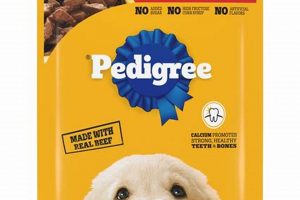
This ingredient, derived from cattle, serves as a common protein source in commercially available products intended for canine consumption. It can be present in various forms, including muscle meat, organ meat, and rendered by-products. As an example, a dry kibble formula might list “beef meal” as one of its primary constituents, indicating a concentrated form of this protein.
The inclusion of this ingredient offers several potential advantages. It is typically a palatable and easily digestible protein, contributing to muscle development and maintenance. Historically, it has been a readily available and affordable protein option for pet food manufacturers, making it a popular choice in numerous formulations. Its nutritional profile contributes essential amino acids required for canine health and well-being.
The subsequent sections will delve into the specific nutritional contributions of animal-based proteins, explore potential sensitivities associated with certain ingredients, and provide guidelines for selecting appropriate canine diets based on individual needs and life stages.
Guidance on Diets Incorporating Bovine Protein
The following recommendations aim to provide clarity when evaluating canine diets that utilize bovine-sourced protein as a primary component.
Tip 1: Source Transparency is Key: Prioritize brands that explicitly identify the origin and processing methods of their ingredients. Knowing whether the bovine protein is derived from muscle meat, organ meat, or rendered by-products allows for a more informed assessment of nutritional quality.
Tip 2: Evaluate the Amino Acid Profile: Ensure the diet provides a complete amino acid profile. Bovine protein is generally a good source, but formulation alongside other ingredients should guarantee all essential amino acids are adequately represented to support canine health.
Tip 3: Consider Potential Sensitivities: Be vigilant for signs of potential allergic reactions or intolerances. While a common protein, individual canines may exhibit sensitivities to bovine-derived ingredients. Monitor for digestive upset, skin irritation, or other adverse symptoms.
Tip 4: Assess the Overall Formulation: Bovine protein should be viewed within the context of the complete dietary formulation. A balanced diet requires appropriate levels of carbohydrates, fats, vitamins, and minerals in addition to protein.
Tip 5: Life Stage Considerations: Nutritional requirements vary across life stages. Ensure that the level of bovine protein and the overall dietary composition align with the specific needs of the canine, whether it is a puppy, adult, or senior dog.
Tip 6: Consult with Veterinary Professionals: Seek personalized dietary recommendations from a veterinarian or board-certified veterinary nutritionist. They can assess individual canine needs and advise on appropriate protein sources and dietary formulations.
Adhering to these guidelines contributes to informed decision-making when selecting canine diets containing bovine-derived protein, promoting canine health and well-being.
The subsequent analysis will explore alternative protein sources for canines, offering a broader perspective on dietary options and considerations.
1. Protein source

Beef serves as a significant protein source in numerous commercially available canine diets. Its inclusion directly addresses the fundamental need for amino acids, the building blocks of protein, essential for muscle development, tissue repair, and various physiological functions within the canine body. The protein derived from beef provides a concentrated source of these amino acids, contributing substantially to the overall nutritional adequacy of the diet. A practical example includes formulations where “beef meal” constitutes a high percentage of the ingredient list, demonstrating its primary role in fulfilling protein requirements. The availability and cost-effectiveness of bovine-derived protein have historically made it a popular choice for manufacturers aiming to provide nutritionally complete and balanced diets to a wide range of canine populations.
The impact of beef as a protein source extends beyond simply meeting amino acid requirements. The digestibility and bioavailability of the protein affect its actual utilization by the animal. Highly digestible bovine protein, when properly processed, ensures that a larger proportion of the consumed protein is absorbed and used for bodily functions, minimizing waste and maximizing nutritional benefit. Conversely, poorly processed or rendered beef products may contain lower-quality protein, reducing digestibility and potentially impacting overall health. Therefore, the specific form of beef used as a protein source, whether fresh meat, beef meal, or rendered by-products, plays a critical role in determining its true value within the diet. Furthermore, the sourcing and processing methods influence the protein quality, which can impact the immune system and overall health.
In summary, beef’s role as a protein source in canine diets is paramount. Its inclusion is driven by the necessity of providing essential amino acids, its relative availability, and its general palatability to canines. However, the origin, processing methods, and digestibility of the beef significantly influence its actual nutritional contribution. While beef remains a common and valuable protein source, awareness of its specific characteristics and potential limitations is crucial for ensuring optimal canine health and well-being. Furthermore, potential sensitivities and allergies should be monitored.
2. Amino acid content

The amino acid composition of bovine-sourced ingredients directly influences the nutritional value of canine diets. Bovine protein, commonly used in these diets, provides the essential building blocks for various physiological processes. These amino acids are indispensable for muscle development and maintenance, enzyme production, hormone synthesis, and immune system function. Deficiencies in any of these amino acids can lead to compromised health, stunted growth, or impaired immune responses. For instance, a canine diet lacking sufficient lysine or methionine, both crucial amino acids, can result in poor muscle mass and a weakened immune system, making the animal more susceptible to infections.
The nutritional efficacy of bovine-derived protein is contingent upon its amino acid profile. This profile must align with the specific needs of canines at different life stages, from puppies to senior dogs. Growth formulations, for example, require higher levels of certain amino acids to support rapid tissue development. Similarly, working or athletic breeds may necessitate higher quantities of branched-chain amino acids to facilitate muscle repair and enhance performance. Therefore, a careful evaluation of the amino acid composition, as listed on the product label or through nutritional analysis, is essential to determine the suitability of a bovine-based canine diet. Furthermore, factors such as the source of the beef (muscle meat versus by-products) and the processing methods employed can significantly impact the amino acid profile. For example, excessive heat during rendering may degrade certain amino acids, reducing their bioavailability.
In summary, the amino acid content of bovine ingredients in canine diets is a critical determinant of their nutritional adequacy. A balanced and complete amino acid profile is indispensable for supporting optimal canine health and well-being. Selecting canine diets with high-quality bovine protein, sourced from reputable suppliers and processed using methods that preserve amino acid integrity, is crucial for ensuring the effective utilization of this vital protein source. Failure to do so can result in nutritional deficiencies and adverse health consequences. Further research into novel methods for preserving the nutritional integrity of animal-derived proteins may offer solutions to optimize the beneficial amino acid compositions.
3. Palatability

Palatability, the degree to which an animal finds a food appealing and readily consumes it, is a critical factor influencing the success of any canine diet. The inherent palatability of bovine-derived ingredients plays a significant role in ensuring adequate nutritional intake and, consequently, the overall health of the animal.
- Natural Appeal of Beef
Bovine muscle meat, in its raw form, possesses inherent flavor and aroma characteristics that are generally attractive to canines. This instinctive preference can be attributed to their evolutionary history as carnivores and their adaptation to consuming animal-based protein sources. The presence of natural fats and amino acids further enhances the palatability of beef, encouraging consumption.
- Impact of Processing Methods
The processing methods employed in preparing bovine-based ingredients can significantly alter their palatability. High-heat rendering, for example, can reduce the palatability by denaturing proteins and altering flavor compounds. Conversely, techniques that preserve the integrity of the meat, such as gentle cooking or freeze-drying, can help maintain and even enhance palatability. The final form of the beef ingredient, whether it be a fresh chunk, a kibble, or a canned product, also contributes to the overall appeal.
- Formulation and Additives
The overall formulation of the canine diet, including the inclusion of other ingredients and additives, influences the palatability of the bovine component. The addition of flavor enhancers, such as digests or palatants, can mask any potential reduction in palatability caused by processing or the inclusion of less desirable bovine by-products. The texture and aroma of the food, influenced by both the bovine ingredient and the other components, also play a role in attracting the canine.
- Individual Preferences and Sensitivities
Individual canines exhibit varying degrees of preference for bovine-derived ingredients. Factors such as breed, age, health status, and previous dietary experiences can influence palatability. Some canines may develop sensitivities or allergies to beef, resulting in a decreased palatability and potential aversion to diets containing this ingredient. Monitoring for signs of food refusal or digestive upset is essential to identify potential palatability issues related to bovine-based diets.
In conclusion, palatability is a multi-faceted attribute that directly impacts the success of canine diets featuring bovine protein. While the inherent appeal of beef contributes to its widespread use, processing methods, overall formulation, and individual canine preferences all play a role in determining the actual consumption and nutritional benefit derived from these diets. Manufacturers must carefully consider these factors to ensure their bovine-based products are both palatable and nutritionally adequate for the target canine population.
4. Digestibility

Digestibility represents a crucial factor in evaluating the nutritional efficacy of canine diets, particularly those incorporating bovine-derived protein. It dictates the proportion of ingested nutrients that are absorbed into the bloodstream and subsequently utilized by the animal. Diets with high digestibility maximize nutrient uptake, promoting optimal health and minimizing waste production. Conversely, poorly digestible formulations result in reduced nutrient availability, potentially leading to deficiencies and digestive distress.
- Protein Source and Processing:
The origin and processing of bovine protein significantly influence its digestibility. Muscle meat, compared to rendered by-products, generally exhibits higher digestibility due to its inherent structure and composition. Rendering processes, if improperly conducted, can denature proteins, reducing their susceptibility to enzymatic breakdown in the canine digestive tract. The method of preparation, such as cooking or extrusion, also affects protein structure and, consequently, digestibility. For instance, overcooked bovine protein may become less digestible.
- Fiber Content and Formulation:
The overall dietary formulation, particularly the fiber content, impacts the digestibility of bovine protein. Excessive fiber can accelerate transit time through the digestive system, reducing the opportunity for enzymatic digestion and nutrient absorption. Conversely, moderate levels of soluble fiber can promote a healthy gut microbiome, indirectly enhancing protein digestibility. The inclusion of other ingredients, such as carbohydrates and fats, also affects the overall digestive process and can either enhance or inhibit bovine protein digestion.
- Enzyme Activity and Gut Health:
The canine’s endogenous enzyme activity and the health of its gastrointestinal tract play pivotal roles in protein digestion. Adequate production of proteolytic enzymes, such as pepsin and trypsin, is essential for breaking down bovine protein into smaller peptides and amino acids. A compromised gut microbiome or the presence of digestive disorders can impair enzyme production and reduce digestive efficiency. Supplementation with digestive enzymes or probiotics may be considered to enhance protein digestibility in certain cases.
- Individual Canine Factors:
Individual canine characteristics, including age, breed, and health status, influence protein digestibility. Puppies, with their developing digestive systems, may exhibit lower protein digestibility compared to adult dogs. Senior canines may experience reduced enzyme production, impacting their ability to digest bovine protein efficiently. Certain breeds are predisposed to digestive sensitivities or disorders that can compromise protein digestibility. Therefore, dietary recommendations should be tailored to the individual needs of each canine.
In conclusion, the digestibility of bovine protein in canine diets is a complex interplay of factors related to protein source, dietary formulation, enzyme activity, and individual canine characteristics. Optimizing protein digestibility is essential for maximizing nutrient uptake, promoting optimal health, and minimizing digestive issues. Manufacturers should prioritize high-quality bovine protein sources, employ appropriate processing methods, and formulate diets that support healthy digestion. Veterinarians can assess individual canine needs and recommend dietary adjustments to optimize bovine protein digestibility.
5. Potential allergens

The presence of bovine protein in canine diets, while common, presents a potential source of allergic reactions in susceptible individuals. Allergic responses arise when the immune system mistakenly identifies a harmless substance, such as beef proteins, as a threat, triggering an inflammatory reaction. Understanding the mechanisms and manifestations of these allergic reactions is crucial for responsible pet ownership and informed dietary choices.
- Molecular Basis of Beef Allergies
Specific protein fractions within bovine meat are implicated in triggering allergic responses. These proteins, often glycoproteins, act as allergens, stimulating the production of IgE antibodies in sensitized canines. Upon subsequent exposure, these antibodies bind to mast cells, leading to the release of histamine and other inflammatory mediators. The specific proteins responsible vary among individual animals, contributing to the diversity of allergic reactions observed.
- Manifestations of Allergic Reactions
Canine allergies to beef can manifest in a variety of ways, ranging from mild dermatological signs to severe gastrointestinal disturbances. Common symptoms include pruritus (itching), erythema (redness of the skin), urticaria (hives), and alopecia (hair loss). Gastrointestinal signs may include vomiting, diarrhea, and abdominal discomfort. In rare cases, anaphylaxis, a life-threatening systemic allergic reaction, can occur. The severity and nature of the symptoms depend on the individual’s sensitivity and the amount of beef protein ingested.
- Diagnosis and Management
Diagnosing beef allergies in canines typically involves an elimination diet trial, where the animal is fed a novel protein source (e.g., venison, fish) for a period of several weeks to determine if the symptoms resolve. If improvement is observed, beef is reintroduced to the diet to confirm the allergy. Intradermal skin testing or serum allergy testing may also be used to identify specific allergens. Management primarily involves strict avoidance of beef-containing products. Hypoallergenic diets, formulated with hydrolyzed proteins or novel protein sources, are often recommended.
- Cross-Reactivity and Hidden Sources
Cross-reactivity, where an allergy to one protein leads to a reaction to a similar protein from a different source, is a consideration in beef allergies. Canines allergic to beef may also exhibit sensitivity to other ruminant proteins, such as lamb or dairy products. Furthermore, beef protein can be a hidden ingredient in processed pet foods, treats, and even medications. Careful label reading and consultation with a veterinarian are essential to ensure complete avoidance.
The potential for allergic reactions underscores the importance of considering individual sensitivities when selecting canine diets. While beef remains a common and often palatable protein source, its allergenic potential necessitates careful monitoring and informed decision-making. Hypoallergenic alternatives and transparent ingredient labeling play a crucial role in managing and preventing adverse reactions in susceptible canines. Ongoing research into novel protein sources and hypoallergenic formulations offers hope for improved dietary options for canines with beef allergies.
6. Manufacturing processes

The manufacturing processes employed in the production of canine diets containing bovine protein significantly impact the final product’s nutritional value, safety, and palatability. These processes encompass various stages, from sourcing raw materials to final packaging, each influencing the quality and characteristics of the “dog food beef” component.
- Sourcing and Initial Handling
The initial source of the bovine proteinwhether derived from muscle meat, organ meat, or rendered by-productsdirectly affects the nutritional composition and potential for contamination. Reputable manufacturers prioritize sourcing from regulated suppliers with stringent quality control measures. Proper handling and storage of raw materials are essential to prevent spoilage and microbial growth, impacting the safety and stability of the final product. For instance, delayed refrigeration of raw beef can promote bacterial proliferation, potentially leading to foodborne illnesses in canines.
- Rendering and Protein Extraction
Rendering, a common process in pet food manufacturing, involves cooking animal tissues to separate fat from protein and bone. While it can be an efficient method for utilizing animal by-products, the conditions employed during rendering (temperature, pressure, and duration) can significantly alter protein structure and digestibility. Excessive heat can denature proteins, reducing their bioavailability and potentially forming harmful compounds. Alternative protein extraction methods, such as enzymatic hydrolysis, offer gentler approaches that preserve protein integrity and enhance digestibility.
- Formulation and Mixing
The formulation stage involves combining the processed bovine protein with other ingredients, such as carbohydrates, fats, vitamins, and minerals, to create a nutritionally complete and balanced diet. Precise formulation is crucial to meet the specific needs of different canine life stages and breeds. The mixing process ensures a homogenous distribution of ingredients, preventing nutrient imbalances and maintaining product consistency. For example, uneven distribution of vitamins can lead to deficiencies or toxicities in certain portions of the food.
- Extrusion and Thermal Processing
Extrusion is a widely used technique for producing dry kibble. The process involves forcing the mixed ingredients through a die under high pressure and temperature, shaping the food into its characteristic form. While extrusion enhances palatability and shelf-life, it can also impact nutrient stability and digestibility. Excessive heat during extrusion can degrade heat-sensitive vitamins and amino acids. Alternative thermal processing methods, such as baking or steam cooking, offer gentler alternatives that minimize nutrient loss.
- Quality Control and Safety Testing
Rigorous quality control measures and safety testing are paramount throughout the manufacturing process. This includes testing for microbial contamination (e.g., Salmonella, E. coli), mycotoxins, heavy metals, and other harmful substances. Regular monitoring of nutrient levels ensures compliance with regulatory standards and guarantees the nutritional adequacy of the final product. Traceability systems, which track the origin and processing of ingredients, are essential for identifying and mitigating potential safety risks. Transparency in quality control practices builds consumer trust and ensures the safety and quality of canine diets containing bovine protein.
These processes collectively influence the quality, safety, and nutritional value of “dog food beef” within canine diets. Careful selection of manufacturing methods, adherence to quality control protocols, and transparent communication regarding ingredient sourcing and processing are essential for providing safe and nutritionally sound products for canine consumption. Understanding these nuances allows for more informed decisions when selecting a diet for one’s animal.
7. Nutritional value

The nutritional value of canine diets incorporating bovine protein, commonly known as “dog food beef,” is a critical determinant of their suitability for supporting canine health and well-being. This value encompasses a complex interplay of factors, including the protein’s amino acid profile, digestibility, vitamin and mineral content, and the presence or absence of potentially detrimental substances.
- Amino Acid Profile and Protein Quality
The amino acid profile of bovine protein dictates its effectiveness in supporting muscle development, tissue repair, and various physiological functions. A complete and balanced amino acid profile, providing all essential amino acids in adequate proportions, is crucial for optimal protein utilization. For instance, diets deficient in lysine or methionine may lead to impaired growth or weakened immune function. The quality of the protein, influenced by factors such as digestibility and processing methods, also affects its nutritional value.
- Fat Content and Fatty Acid Composition
The fat content of “dog food beef” contributes significantly to its caloric density and provides essential fatty acids, such as omega-3 and omega-6 fatty acids. These fatty acids are vital for maintaining skin and coat health, supporting immune function, and promoting cognitive development. The ratio of omega-6 to omega-3 fatty acids is also important, as imbalances can contribute to inflammatory conditions. Trimmed beef or certain beef byproducts will naturally have different fat contents affecting the overall nutritional profile.
- Vitamin and Mineral Content
Bovine protein can contribute to the vitamin and mineral content of canine diets, although its contribution is generally less significant compared to dedicated vitamin and mineral supplements. Beef is a source of B vitamins, iron, and zinc, which are essential for various metabolic processes. However, the levels of these micronutrients can vary depending on the source and processing of the beef. Manufacturers often fortify “dog food beef” formulations with additional vitamins and minerals to ensure nutritional completeness.
- Digestibility and Bioavailability
The digestibility of “dog food beef” dictates the proportion of nutrients that are absorbed and utilized by the canine. High digestibility maximizes nutrient uptake and minimizes waste production. Factors such as protein source (muscle meat versus by-products), processing methods (rendering, extrusion), and the presence of antinutritional factors (e.g., trypsin inhibitors) can influence digestibility. Diets with poorly digestible bovine protein may lead to nutrient deficiencies and digestive upset.
These facets collectively determine the nutritional value of “dog food beef” in canine diets. A comprehensive assessment of these factors, including amino acid profile, fat content, vitamin and mineral composition, and digestibility, is essential for selecting diets that promote optimal canine health and well-being. Variations in these aspects can significantly impact the overall nutritional benefit derived from canine diets incorporating bovine-sourced protein.
Frequently Asked Questions Regarding Canine Diets Utilizing Bovine Protein
The following section addresses common inquiries and concerns pertaining to the incorporation of bovine protein into canine diets.
Question 1: Is beef a suitable protein source for all dogs?
While generally palatable and digestible, beef is not universally suitable for all canines. Individual sensitivities and allergies can occur, necessitating alternative protein sources.
Question 2: What are the potential benefits of feeding a dog food beef diet?
Bovine protein offers a complete amino acid profile, supporting muscle development and overall health. It is also a relatively cost-effective protein source for manufacturers, potentially translating to more affordable products.
Question 3: Are there any risks associated with “dog food beef”?
Potential risks include allergic reactions, particularly in predisposed breeds. Additionally, the quality of bovine protein can vary depending on the source and processing methods, potentially impacting digestibility and nutritional value.
Question 4: How can one assess the quality of beef in canine diets?
Evaluate the product label for specific information regarding the source of the beef (e.g., muscle meat versus by-products) and the processing methods employed. Prioritize brands with transparent sourcing practices.
Question 5: What are alternative protein sources for canines with beef allergies?
Viable alternatives include poultry (chicken, turkey), fish (salmon, whitefish), lamb, venison, and plant-based protein sources (e.g., soy, peas). Consultation with a veterinarian is recommended to determine the most appropriate option.
Question 6: Does the life stage of a canine impact the suitability of beef-based diets?
Yes. Puppies require higher protein levels for growth, while senior dogs may benefit from more digestible protein sources. The specific formulation of the diet should align with the canine’s life stage and individual needs.
In summary, “dog food beef” presents both potential benefits and risks. Careful evaluation of individual needs, product quality, and potential sensitivities is crucial for making informed dietary choices.
The following section will delve into specific dietary recommendations and considerations based on individual canine health conditions.
Conclusion
The preceding analysis has explored the multifaceted aspects of incorporating bovine protein, or “dog food beef,” into canine diets. Key points of consideration include the nutritional value derived from its amino acid profile, the potential for allergic reactions in sensitive animals, the impact of various manufacturing processes on protein digestibility and safety, and the critical importance of transparent ingredient sourcing and labeling. The suitability of “dog food beef” is not universal, necessitating careful evaluation of individual canine needs and potential sensitivities.
Responsible pet ownership demands informed dietary choices. The information presented serves to empower consumers and veterinary professionals in making decisions that prioritize canine health and well-being. Continued research into novel protein sources and optimized processing techniques is essential to advance the field of canine nutrition and ensure the availability of safe, palatable, and nutritionally complete diets for all canines.
![Nutro: Best Small Breed Dog Food [Expert Tips] | World’s Most Delicious Foods: Must-Try Dishes from Every Country](https://lisasfoods.com/wp-content/uploads/2026/05/th-346-300x200.jpg "Nutro: Best Small Breed Dog Food [Expert Tips] World’s Most Delicious Foods: Must-Try Dishes from Every Country")