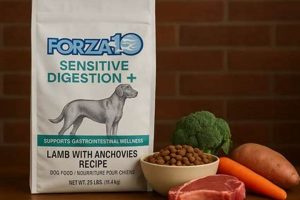
The pet food industry offers formulations specifically designed to exclude common allergenic ingredients. These diets eliminate the grains corn and wheat, along with the legume soy, from their composition. For instance, a recipe might feature protein sources like chicken or fish combined with carbohydrates from potatoes or peas.
The omission of these ingredients is often driven by health considerations. Many pet owners seek these alternatives to address suspected or diagnosed food sensitivities and allergies in their canine companions. Historically, corn, wheat, and soy have been utilized as inexpensive fillers and protein sources in conventional dog food, but their allergenic potential has prompted the development of specialized formulations. This trend reflects a growing awareness of canine dietary needs and a preference for easily digestible ingredients.
Therefore, the subsequent sections will delve into the specific advantages of these specialized formulations, explore ingredient alternatives, and provide guidance on selecting the appropriate diet for individual canine needs, while also considering potential drawbacks and providing guidance for transitioning to a novel diet.
Guidance for Selecting a Diet Excluding Common Allergens
The following recommendations aim to provide practical guidance when considering a canine diet formulated without corn, wheat, or soy. Careful consideration and consultation with veterinary professionals are crucial for ensuring optimal canine health.
Tip 1: Consult with a Veterinarian: Prior to initiating any dietary changes, seek guidance from a qualified veterinarian. A veterinarian can assess the dog’s specific needs, identify potential allergies, and recommend appropriate dietary options.
Tip 2: Scrutinize Ingredient Lists: Meticulously examine the ingredient list of any potential food. Ensure that corn, wheat, and soy are entirely absent. Be vigilant for ingredients that may be derived from these sources, such as soy lecithin or corn syrup.
Tip 3: Prioritize Protein Quality: Evaluate the quality of protein sources included in the formulation. Opt for diets that feature recognizable and high-quality protein sources, such as named meat meals (e.g., chicken meal, lamb meal) or whole meat ingredients.
Tip 4: Consider Carbohydrate Sources: Analyze the carbohydrate sources used in the formulation. Look for easily digestible options such as sweet potatoes, potatoes, or peas, which can provide energy without the allergenic potential of grains.
Tip 5: Evaluate Fiber Content: Assess the fiber content of the diet, as adequate fiber is essential for digestive health. Ingredients such as beet pulp, flaxseed, or pumpkin can provide beneficial fiber.
Tip 6: Transition Gradually: When introducing a new diet, implement a gradual transition over a period of 7-10 days. This allows the canine digestive system to adapt to the new food and minimizes the risk of gastrointestinal upset.
Tip 7: Monitor for Adverse Reactions: Closely observe the dog for any signs of adverse reactions following the dietary change. These may include skin irritation, digestive upset, or changes in stool consistency. If any adverse reactions occur, consult with a veterinarian immediately.
Following these guidelines can aid in selecting a suitable canine diet, supporting overall health and well-being, especially for canines with suspected or confirmed sensitivities.
The following section will discuss potential ingredient alternatives commonly found in these specialized diets, focusing on their nutritional value and benefits.
1. Ingredient Alternatives

The formulation of canine diets devoid of corn, wheat, or soy necessitates the inclusion of alternative ingredients to fulfill nutritional requirements. These replacements directly impact the overall nutritional profile and digestibility of the food. For example, manufacturers often substitute corn with sweet potatoes or peas as carbohydrate sources. The replacement is not merely a matter of exclusion but also one of nutritional equivalence and potential benefit. Substituting soy as a protein source may include ingredients like lentils or chickpeas. This ensures adequate protein levels while potentially reducing allergenic reactions. Choosing appropriate ingredients has a significant effect on the overall nutritional quality of the final product.
Consider the practical application of understanding ingredient alternatives. A dog owner observing signs of food sensitivity might benefit from transitioning their pet to a food containing novel protein sources like venison or duck in place of beef or chicken. These alternatives, combined with carbohydrate sources such as tapioca or brown rice instead of wheat, could alleviate symptoms and improve the animal’s health. The careful selection of each ingredient plays a role in making the food nutritionally complete and minimizing potential allergens. For instance, flaxseed or fish oil can be added to provide essential fatty acids typically found in soy-based products.
In summary, ingredient alternatives are indispensable components of formulations without corn, wheat, or soy, shaping nutritional value and allergenicity. Understanding their role allows for informed choices, promoting better canine health through optimized dietary management. While such diets can offer significant benefits, challenges include ensuring complete and balanced nutrition with these alternative ingredients and carefully monitoring for individual canine responses. Ultimately, the goal is to leverage these ingredient alternatives to create diets that are both nutritious and well-tolerated.
2. Allergen Avoidance

Allergen avoidance is a primary driver behind the formulation of canine diets specifically excluding corn, wheat, and soy. These ingredients are frequently implicated in adverse food reactions in dogs, manifesting as dermatological issues such as pruritus and dermatitis, or gastrointestinal disturbances including vomiting and diarrhea. Consequently, the elimination of these ingredients aims to mitigate or prevent allergic responses, enhancing the overall well-being of susceptible animals. A direct cause-and-effect relationship exists: the presence of these allergens can trigger reactions in sensitive dogs, and their absence reduces this risk. This proactive approach emphasizes the importance of ingredient selection in managing canine health. For instance, a dog exhibiting chronic skin inflammation may experience significant relief upon transitioning to a diet formulated without these common allergens. The effectiveness of this approach hinges on accurate diagnosis of food sensitivities and the consistent adherence to the exclusion diet.
Further consideration involves the practical application of allergen avoidance in commercial dog food production. Manufacturers formulate grain-free and limited-ingredient diets to cater to this demand. These diets often utilize alternative carbohydrate sources such as sweet potatoes, peas, or tapioca, and novel protein sources like venison or duck, to minimize the likelihood of allergic reactions. Understanding the potential cross-reactivity of ingredients is also crucial. For example, a dog sensitive to wheat might also react to rye or barley. Therefore, comprehensive ingredient lists and transparent labeling practices are essential for effective allergen management. A practical example is a dog diagnosed with a corn allergy; carefully selecting a food that explicitly states “corn-free” and verifying the absence of corn-derived ingredients (e.g., corn gluten meal) is paramount. Regular monitoring of the animal’s response to the diet is also necessary to ensure its efficacy.
In summary, allergen avoidance constitutes a core principle in the development of canine diets omitting corn, wheat, and soy. The deliberate exclusion of these ingredients aims to alleviate or prevent adverse reactions, improving the health and quality of life for sensitive dogs. While challenges remain in accurately identifying specific allergens and ensuring complete elimination, the practical significance of this approach is undeniable. This understanding links directly to the broader theme of personalized nutrition for canines, where dietary choices are tailored to individual needs and sensitivities, ultimately promoting optimal health and well-being.
3. Improved Digestion

Improved digestion is a significant consideration when evaluating canine diets that exclude corn, wheat, and soy. These ingredients can present digestive challenges for some dogs, potentially leading to gastrointestinal upset and reduced nutrient absorption. The absence of these components may facilitate a more efficient and comfortable digestive process.
- Reduced Allergenic Load
Corn, wheat, and soy are common allergens for canines. By eliminating these ingredients, the allergenic load on the digestive system is reduced. This can alleviate inflammation and irritation in the gut, leading to improved nutrient absorption and reduced digestive discomfort. For example, a dog with a corn allergy may experience diarrhea and vomiting. Removing corn from its diet can resolve these symptoms and allow the digestive system to function more effectively.
- Simplified Digestion Process
Corn, wheat, and soy often contain complex carbohydrates that can be difficult for some dogs to digest, especially those with sensitive stomachs or compromised digestive systems. Replacing these with simpler, more easily digestible carbohydrates, such as sweet potatoes or peas, can reduce the workload on the digestive tract. This allows the dog to extract more nutrients from the food with less digestive effort.
- Fiber Source Management
While fiber is important for digestive health, the type and amount of fiber are critical. Corn and wheat bran, often used as fiber sources, can be less digestible for some dogs. Diets that replace these with alternative fiber sources, such as beet pulp or flaxseed, may provide a more balanced and easily digestible fiber profile. This can promote regular bowel movements and prevent digestive issues like constipation or diarrhea.
- Minimizing Gut Irritants
Certain components in corn, wheat, and soy can act as irritants to the gut lining in susceptible dogs. These irritants can disrupt the delicate balance of gut bacteria and lead to inflammation. Eliminating these potential irritants can promote a healthier gut environment, allowing for improved digestion and overall well-being. This effect is particularly important for dogs with conditions such as inflammatory bowel disease (IBD).
In conclusion, the connection between improved digestion and canine diets without corn, wheat, or soy centers around reducing allergenic load, simplifying the digestive process, optimizing fiber sources, and minimizing potential gut irritants. These factors can contribute to a healthier digestive system, improved nutrient absorption, and enhanced overall health for canines who may be sensitive to these common ingredients.
4. Enhanced Nutrient Absorption
Enhanced nutrient absorption represents a critical outcome sought by pet owners selecting canine diets formulated without corn, wheat, or soy. The premise is that the elimination of these potentially problematic ingredients facilitates more efficient assimilation of essential nutrients.
- Reduced Intestinal Inflammation
Corn, wheat, and soy can induce inflammatory responses in the gastrointestinal tracts of sensitive dogs. This inflammation compromises the intestinal lining, reducing its absorptive capacity. By removing these triggers, the intestinal environment may become less inflamed, allowing for improved uptake of vitamins, minerals, and macronutrients. A direct consequence is a more efficient utilization of the diet, potentially requiring smaller feeding portions to meet the animals nutritional needs.
- Improved Digestibility of Protein
The absence of corn, wheat, and soy often correlates with the inclusion of higher-quality protein sources. These protein sources, such as named meat meals or whole meats, typically exhibit greater digestibility. This increased digestibility translates to a higher proportion of amino acids being absorbed and utilized for protein synthesis, muscle maintenance, and other vital bodily functions. The implication is a more robust and efficient protein metabolism within the canine system.
- Optimized Carbohydrate Utilization
Alternative carbohydrate sources frequently used in these diets, such as sweet potatoes or peas, may be more readily digested and absorbed compared to corn or wheat. These alternatives provide a more consistent and sustained release of glucose into the bloodstream, supporting stable energy levels and minimizing potential digestive upset. The result is a more predictable and efficient carbohydrate metabolism, avoiding the fluctuations associated with less digestible carbohydrate sources.
- Enhanced Bioavailability of Micronutrients
The reduction of phytates, naturally occurring compounds present in corn, wheat, and soy, can improve the bioavailability of certain micronutrients, such as zinc and iron. Phytates bind to these minerals, reducing their absorption in the digestive tract. By minimizing phytate intake, a greater proportion of these essential minerals becomes available for absorption and utilization, supporting various physiological processes, including immune function and enzyme activity.
In conclusion, the connection between canine diets without corn, wheat, or soy and enhanced nutrient absorption stems from the combined effects of reduced intestinal inflammation, improved protein digestibility, optimized carbohydrate utilization, and enhanced micronutrient bioavailability. These factors collectively contribute to a more efficient digestive process and improved overall nutritional status for canines, particularly those with sensitivities to these common ingredients.
5. Skin Health Benefits

The selection of canine diets formulated without corn, wheat, or soy frequently arises from considerations related to skin health. These ingredients are known to be potential allergens or irritants for some dogs, contributing to dermatological issues. The exclusion of these components aims to alleviate or prevent skin problems, promoting a healthier integumentary system.
- Reduced Allergic Dermatitis
Corn, wheat, and soy are common triggers for allergic dermatitis in canines. These allergies manifest as pruritus (itching), erythema (redness), and secondary skin lesions resulting from scratching and biting. Elimination of these ingredients reduces the likelihood of triggering an allergic response, thus mitigating the symptoms of allergic dermatitis. For example, a dog with chronic, unexplained itching may experience significant relief upon transitioning to a diet free of these allergens.
- Decreased Inflammatory Response
Even in the absence of a diagnosed allergy, corn, wheat, and soy can contribute to a generalized inflammatory response within the body. This systemic inflammation can manifest as skin irritation and exacerbate existing skin conditions. By removing these potential inflammatory drivers, the overall inflammatory burden on the body is reduced, potentially improving skin health. The result can be observed as a reduction in skin redness and improved coat quality.
- Improved Nutrient Absorption for Skin Health
Diets excluding corn, wheat, and soy often contain higher-quality protein and fat sources, which are essential for maintaining healthy skin and coat. These nutrients support the production of keratin, collagen, and sebum, all of which are critical components of the skin structure. Improved nutrient absorption from a more digestible diet can lead to enhanced skin barrier function and a shinier coat.
- Reduced Secondary Infections
Chronic skin irritation and inflammation can compromise the skin’s natural barrier function, making it more susceptible to secondary bacterial and fungal infections. By addressing the underlying cause of the skin irritation through dietary modification, the risk of these secondary infections is reduced. This, in turn, minimizes the need for antibiotics or antifungal medications, contributing to a more sustainable approach to skin health management.
In summary, the link between diets excluding corn, wheat, and soy and skin health benefits is multifaceted. The reduction of allergic reactions, decreased inflammation, improved nutrient absorption, and reduced risk of secondary infections all contribute to a healthier skin and coat. While these dietary changes may not resolve all dermatological issues, they can represent a significant step in managing and improving skin health in sensitive canines.
6. Reduced Inflammation
Systemic inflammation in canines can manifest in various chronic conditions, including arthritis, inflammatory bowel disease, and skin disorders. Dietary factors significantly influence inflammatory processes. Consequently, formulations omitting corn, wheat, and soy are frequently chosen to mitigate inflammation.
- Elimination of Pro-Inflammatory Triggers
Corn, wheat, and soy contain components that can trigger inflammatory responses in sensitive dogs. These components may include certain proteins or carbohydrates that the immune system recognizes as foreign, initiating an inflammatory cascade. Removing these triggers reduces the overall inflammatory burden on the body, potentially alleviating symptoms associated with chronic inflammatory conditions. For example, a dog with inflammatory bowel disease may experience reduced gastrointestinal distress upon transitioning to a diet free of these ingredients.
- Modulation of Gut Microbiota
The gut microbiota plays a critical role in regulating inflammation. Corn, wheat, and soy can alter the composition of the gut microbiota, promoting the growth of pro-inflammatory bacteria. Diets that exclude these ingredients may foster a more balanced gut microbiome, favoring the proliferation of beneficial bacteria that produce anti-inflammatory compounds. The effect is an indirect reduction in systemic inflammation through modulation of the gut ecosystem.
- Increased Intake of Anti-Inflammatory Nutrients
Formulations excluding corn, wheat, and soy often incorporate alternative ingredients rich in anti-inflammatory compounds. For example, fish oil, a common ingredient in grain-free diets, provides omega-3 fatty acids, which possess potent anti-inflammatory properties. Similarly, certain fruits and vegetables, such as blueberries and spinach, are rich in antioxidants that can neutralize free radicals and reduce oxidative stress, contributing to reduced inflammation. These ingredients bolster the body’s natural defenses against inflammation.
- Reduced Exposure to Mycotoxins
Corn, in particular, is susceptible to contamination by mycotoxins, toxic substances produced by fungi. Mycotoxins can induce inflammatory responses and compromise immune function. By eliminating corn from the diet, the risk of exposure to these toxins is minimized, potentially reducing the inflammatory burden on the body. The result is a preemptive strike against toxin-induced inflammation, supporting overall canine health.
The multifaceted approach of eliminating pro-inflammatory triggers, modulating gut microbiota, increasing intake of anti-inflammatory nutrients, and reducing exposure to mycotoxins underscores the potential benefits of formulations without corn, wheat, and soy in managing inflammation. The selection of such diets warrants careful consideration, ideally in consultation with a veterinary professional, to ensure optimal canine health and well-being.
7. Balanced Nutrition

The formulation of canine diets that exclude corn, wheat, and soy necessitates a rigorous approach to ensure balanced nutrition. Simply removing these ingredients does not automatically guarantee a complete and balanced diet. Instead, the removal necessitates careful substitution with alternative ingredients that provide the essential nutrients previously derived from those sources. A balanced diet, regardless of its specific composition, must fulfill established nutritional standards for canines, including appropriate levels of protein, fat, carbohydrates, vitamins, and minerals. For example, a diet replacing corn with sweet potatoes as a carbohydrate source must ensure adequate energy provision and sufficient levels of other essential nutrients not inherently abundant in sweet potatoes. A failure to achieve this balance can lead to nutritional deficiencies and associated health problems, negating any potential benefits derived from excluding corn, wheat, and soy.
The practical significance of this understanding lies in the critical evaluation of ingredient lists and nutritional analyses of commercial dog food products. Pet owners seeking diets without corn, wheat, and soy must diligently assess the nutritional adequacy of the chosen food, consulting with veterinary professionals when necessary. For instance, a diet that relies heavily on pea protein as a primary protein source should be evaluated for its amino acid profile, ensuring that it meets the specific requirements for canine health. Furthermore, the bioavailability of nutrients in alternative ingredients must be considered. The presence of nutrients in a food does not guarantee their effective absorption and utilization by the animal. Practical application requires a holistic assessment, combining ingredient evaluation with a thorough understanding of canine nutritional needs.
In summary, the connection between balanced nutrition and canine diets without corn, wheat, or soy is one of critical importance. The exclusion of these ingredients demands a conscientious effort to maintain nutritional adequacy, emphasizing the selection of appropriate alternative ingredients and a comprehensive understanding of canine dietary requirements. While such diets may offer benefits for dogs with sensitivities, they must not compromise overall nutritional well-being. The challenge lies in achieving both allergen avoidance and balanced nutrition, ensuring optimal health for the animal.
Frequently Asked Questions
The following questions address common inquiries concerning canine nutrition, specifically relating to diets formulated without corn, wheat, or soy. The responses aim to provide concise and informative guidance.
Question 1: Are canine diets without corn, wheat, and soy inherently healthier than those containing these ingredients?
The healthfulness of a canine diet is not solely determined by the presence or absence of specific ingredients. The overall nutritional balance and suitability for an individual dog’s needs are paramount. Formulations omitting corn, wheat, and soy are primarily beneficial for canines with diagnosed sensitivities or allergies to these ingredients. A diet containing these ingredients can be perfectly appropriate for dogs without such sensitivities.
Question 2: What are the primary benefits of feeding a canine diet without corn, wheat, and soy?
The primary benefits include reducing the risk of allergic reactions, improving digestion in sensitive dogs, potentially enhancing nutrient absorption, and contributing to improved skin health. These benefits are most pronounced in canines exhibiting adverse reactions to corn, wheat, or soy.
Question 3: Are these diets suitable for all dogs, regardless of age or breed?
While many dogs can thrive on diets without corn, wheat, and soy, suitability depends on individual needs and health status. Puppies, senior dogs, and dogs with specific health conditions may have unique nutritional requirements that must be considered. Consultation with a veterinarian is recommended to determine the optimal diet for each dog.
Question 4: How can one determine if a dog has a sensitivity or allergy to corn, wheat, or soy?
Diagnosis typically involves a process of elimination, guided by a veterinarian. The veterinarian will likely recommend a hypoallergenic diet for a trial period, followed by a gradual reintroduction of suspect ingredients to observe for any adverse reactions. Blood tests and intradermal skin testing can also provide supporting information, although they are not always definitive.
Question 5: What are common alternative ingredients used in these formulations?
Common alternatives include sweet potatoes, peas, tapioca, brown rice, lentils, and novel protein sources such as venison, duck, or salmon. These ingredients replace the nutritional contributions of corn, wheat, and soy while minimizing the risk of allergic reactions.
Question 6: Are canine diets without corn, wheat, and soy more expensive than conventional diets?
Generally, these diets tend to be more expensive due to the higher cost of alternative ingredients and specialized formulation processes. The increased cost reflects the targeted nature of these diets and the specific benefits they offer to sensitive dogs.
In essence, selecting a diet excluding corn, wheat, and soy represents a targeted approach to canine nutrition, primarily benefiting dogs with diagnosed sensitivities. The decision requires careful consideration of individual needs, veterinary guidance, and a thorough understanding of ingredient composition.
The subsequent section will provide practical guidance on transitioning a canine to a diet formulated without corn, wheat, or soy, minimizing potential digestive upset and ensuring a smooth transition.
Dog Food Without Corn Wheat or Soy
This exploration has detailed the composition, benefits, and selection criteria for canine diets formulated without corn, wheat, or soy. Emphasis has been placed on the importance of allergen avoidance, improved digestion, enhanced nutrient absorption, skin health benefits, reduced inflammation, and balanced nutrition. The information presented underscores the significance of informed decision-making when selecting a diet for canine companions.
The selection of dog food without corn wheat or soy is not a universal panacea but a targeted approach for specific canine needs. Ultimately, responsible pet ownership involves careful evaluation of individual animal requirements and consultation with veterinary professionals to ensure optimal health and well-being through appropriate nutritional choices.
![Nutro: Best Small Breed Dog Food [Expert Tips] | World’s Most Delicious Foods: Must-Try Dishes from Every Country](https://lisasfoods.com/wp-content/uploads/2026/05/th-346-300x200.jpg "Nutro: Best Small Breed Dog Food [Expert Tips] World’s Most Delicious Foods: Must-Try Dishes from Every Country")