



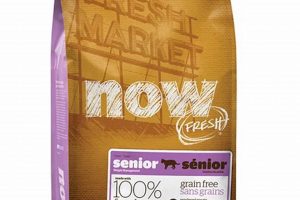
Nutritionally complete and balanced diets formulated for older felines are a segment of the pet food market designed to address the specific physiological needs that arise with age. These products typically contain adjusted levels of protein, fat, and certain minerals to support overall health and well-being in aging cats. For example, a product might feature reduced phosphorus content to aid kidney function, a common concern in senior animals.
The development of specialized nutrition for older cats reflects an increasing awareness of the impact of diet on longevity and quality of life. Formulations often include antioxidants to combat cellular damage, added fiber to support digestive health, and ingredients to promote joint health. The historical context of such foods shows a shift from generic cat food to targeted nutritional solutions based on scientific research into feline aging.
Subsequent sections will delve into the specific ingredient profiles, health benefits, and selection criteria associated with choosing appropriate nutritional options for senior cats. Key considerations include understanding the nutrient requirements of older cats, interpreting product labels, and consulting with a veterinarian to make informed dietary choices.
Guidance for Optimal Nutrition in Aging Felines
Ensuring proper nutrition is paramount to maintaining the health and vitality of senior cats. This section provides essential guidelines for selecting and managing their diets.
Tip 1: Prioritize High-Quality Protein Sources: As cats age, their ability to efficiently process protein may diminish. Select foods that feature easily digestible protein sources, such as poultry or fish, to support muscle mass maintenance.
Tip 2: Monitor Phosphorus Intake: Elevated phosphorus levels can exacerbate kidney issues, a common concern in senior cats. Opt for formulations with controlled phosphorus content to support renal function.
Tip 3: Incorporate Joint Support Nutrients: Glucosamine and chondroitin sulfate are beneficial for maintaining joint health and mobility. Look for foods with these additives, or consider supplementation as recommended by a veterinarian.
Tip 4: Ensure Adequate Hydration: Senior cats are prone to dehydration. Provide multiple fresh water sources and consider incorporating wet food into their diet to increase moisture intake.
Tip 5: Monitor Weight and Body Condition: Regularly assess the cat’s weight and body condition. Adjust food portions as needed to maintain a healthy weight, avoiding both obesity and excessive weight loss.
Tip 6: Introduce Dietary Changes Gradually: Avoid sudden dietary changes, as these can upset the cat’s digestive system. Transition to a new food slowly, mixing it with the old food over a period of several days.
Tip 7: Consult a Veterinarian: Seek professional guidance from a veterinarian to determine the specific nutritional needs of the senior cat based on its individual health status and any underlying medical conditions.
These guidelines promote optimal health and well-being in older felines by focusing on targeted nutritional support and attentive monitoring of their condition.
The following section will summarize the key aspects of selecting and implementing an appropriate nutritional strategy for senior cats.
1. Renal Support
Chronic kidney disease (CKD) is a common ailment in older cats, necessitating dietary considerations that prioritize renal support. Nutritional formulations designed for senior cats often address this need by limiting phosphorus content. Elevated phosphorus levels in the bloodstream can exacerbate kidney damage, accelerating the progression of CKD. A “wellness” oriented approach to senior cat food recognizes this potential risk and formulates products to mitigate it. A real-life example involves a cat diagnosed with early-stage CKD. Switching to a diet specifically designed to support kidney function, with reduced phosphorus, may slow the disease’s progression, improving the cat’s quality of life and potentially extending its lifespan. The practical significance of this understanding lies in proactive dietary management as a crucial component of veterinary care.
Furthermore, the inclusion of high-quality, easily digestible protein sources in renal support diets minimizes the metabolic workload on the kidneys. When protein is efficiently processed, fewer waste products are generated, reducing the strain on renal function. Some formulations also incorporate added potassium, an electrolyte often depleted in cats with kidney disease. The careful balancing of these nutrients represents a targeted approach to supporting renal health. For instance, a study comparing cats with CKD fed a renal support diet versus a standard diet demonstrated a significant improvement in kidney function markers in the group receiving the specialized nutrition. This highlights the direct impact of targeted dietary intervention.
In summary, renal support is a fundamental aspect of senior cat food, particularly in the context of promoting overall wellness. By controlling phosphorus levels, providing digestible protein, and supplementing with essential nutrients, these diets aim to mitigate the effects of CKD and maintain kidney function in aging felines. While dietary management is not a cure for kidney disease, it plays a crucial role in managing the condition and enhancing the cat’s well-being. Challenges exist in palatability, as some renal support diets may be less appealing to certain cats, necessitating careful monitoring and potential adaptation of feeding strategies in consultation with a veterinarian.
2. Joint Health
The prevalence of osteoarthritis and other degenerative joint diseases increases significantly in senior cats. These conditions can impair mobility, diminish quality of life, and contribute to pain. Consequently, joint health becomes a critical component of “wellness senior cat food” formulations. These diets aim to mitigate the effects of aging on joints by providing targeted nutritional support. The underlying principle is that specific nutrients can promote cartilage health, reduce inflammation, and alleviate discomfort. For example, a senior cat struggling with mobility issues might benefit from a diet enriched with glucosamine and chondroitin sulfate. These compounds are building blocks of cartilage and are believed to support its repair and maintenance. A palpable improvement in activity level and decreased stiffness after transitioning to such a diet exemplify the practical significance of this understanding.
Formulations designed for joint health also often include omega-3 fatty acids, particularly EPA and DHA, known for their anti-inflammatory properties. Chronic inflammation exacerbates joint pain and accelerates cartilage breakdown. By incorporating these fatty acids, the diet aims to reduce inflammation and promote joint comfort. Furthermore, maintaining a healthy weight is crucial for joint health. Excess weight places additional stress on joints, accelerating their degeneration. Therefore, “wellness senior cat food” formulations frequently include controlled calorie levels and L-carnitine, an amino acid that supports fat metabolism. This combination helps maintain a lean body mass and minimizes stress on joints. Regular exercise, combined with an appropriate diet, is also vital for optimizing joint health, reinforcing the holistic approach to wellness in senior cats.
In summary, the integration of joint health support into “wellness senior cat food” reflects a proactive approach to managing age-related mobility issues. By providing key nutrients like glucosamine, chondroitin, and omega-3 fatty acids, and by promoting a healthy weight, these diets contribute to maintaining joint function and improving the overall quality of life for senior cats. Challenges may arise from individual variations in response to these nutrients, necessitating personalized dietary management strategies in consultation with a veterinarian. The ultimate goal is to provide comprehensive support that addresses the multifaceted needs of aging felines, thus sustaining their health and vitality.
3. Protein Digestibility

Protein digestibility, a crucial factor in senior feline nutrition, directly influences the effectiveness of “wellness senior cat food.” As cats age, their digestive systems often become less efficient at breaking down and absorbing nutrients, including protein. Reduced protein digestibility can lead to various health issues, such as muscle loss (sarcopenia), weakened immune function, and overall decreased vitality. Consequently, “wellness senior cat food” formulations prioritize highly digestible protein sources to ensure optimal nutrient absorption. The cause-and-effect relationship is clear: lower digestibility leads to nutrient deficiencies, while higher digestibility supports better health outcomes. A real-life example involves a senior cat exhibiting signs of muscle wasting. Switching to a diet featuring easily digestible protein resulted in improved muscle mass and increased energy levels. The practical significance of this understanding lies in proactively selecting food that maximizes nutrient utilization, thus mitigating age-related decline.
Further considerations involve the specific protein sources employed. Hydrolyzed proteins, for instance, are pre-digested, meaning they are broken down into smaller peptides, facilitating easier absorption. Other highly digestible options include poultry and fish, particularly when cooked using methods that preserve protein integrity. Additionally, the inclusion of digestive enzymes, such as proteases, can further enhance protein breakdown. The implications extend to ingredient quality; sourcing from reputable suppliers ensures that protein sources are free from contaminants that could impede digestion. For example, “wellness senior cat food” brands often emphasize their commitment to using premium-grade ingredients. The challenge, however, resides in accurately assessing protein digestibility from a product label alone. Consulting with a veterinarian to determine the optimal protein source and digestibility level for an individual cat remains paramount.
In summary, protein digestibility is a fundamental aspect of “wellness senior cat food,” impacting nutrient absorption and overall health in aging felines. By prioritizing highly digestible protein sources, such as hydrolyzed proteins or high-quality animal proteins, and potentially incorporating digestive enzymes, these diets aim to counteract age-related digestive decline. While ingredient sourcing and processing methods play vital roles, individual variations necessitate personalized dietary management strategies guided by veterinary expertise. Attention to protein digestibility is not merely a marketing claim; it is a critical nutritional consideration with tangible implications for the health and well-being of senior cats.
4. Calorie Control
Calorie control represents a fundamental aspect of “wellness senior cat food,” impacting weight management, metabolic health, and overall longevity. As feline metabolism changes with age, precise caloric management becomes increasingly vital to prevent obesity and associated health complications.
- Reduced Metabolic Rate
Senior cats typically experience a decrease in metabolic rate compared to their younger counterparts. This physiological shift means they require fewer calories to maintain their weight. Formulations of “wellness senior cat food” are often adjusted to reflect this reduced metabolic demand, offering lower caloric density per serving. For example, a senior cat previously consuming a standard adult formula might gain weight unnecessarily due to its slower metabolism. Switching to a calorie-controlled senior diet addresses this imbalance, promoting a healthier weight.
- Prevention of Obesity-Related Diseases
Obesity is a prevalent health issue in senior cats, predisposing them to conditions such as diabetes mellitus, osteoarthritis, and cardiovascular disease. Calorie-controlled “wellness senior cat food” helps mitigate these risks by providing measured portions of energy. A real-world scenario involves a senior cat developing diabetes due to excess weight. Implementing a calorie-restricted diet, designed specifically for senior cats, can improve insulin sensitivity and glycemic control, potentially reducing the need for medication.
- Maintaining Lean Muscle Mass
While controlling calorie intake, it’s crucial to ensure adequate protein consumption to preserve lean muscle mass. Sarcopenia, the age-related loss of muscle mass, can significantly impact mobility and quality of life. “Wellness senior cat food” formulations often strike a balance between calorie control and protein content, providing sufficient amino acids to support muscle maintenance. Consider a senior cat experiencing muscle loss. A balanced diet with controlled calories and adequate protein, coupled with appropriate exercise, helps preserve muscle strength and function.
- Joint Stress Reduction
Excess weight places undue stress on joints, exacerbating arthritis and other musculoskeletal issues. Calorie control indirectly supports joint health by reducing the mechanical load on joints. “Wellness senior cat food,” through its emphasis on appropriate calorie levels, can alleviate joint pain and improve mobility. An overweight senior cat with arthritis might experience reduced pain and improved mobility simply by losing weight through controlled caloric intake, demonstrating the significant benefits of this approach.
The interrelation of these facets underscores the holistic nature of “wellness senior cat food,” where calorie control is not merely about weight loss but about promoting overall metabolic health, preserving muscle mass, and supporting joint function in aging felines. These benefits are crucial for maintaining vitality and ensuring a better quality of life during their senior years.
5. Ingredient Quality

Ingredient quality is a cornerstone of “wellness senior cat food,” directly influencing its efficacy and nutritional value. The selection and sourcing of ingredients have a profound impact on digestibility, nutrient bioavailability, and overall health outcomes for aging felines. Inferior ingredients can lead to digestive upset, allergic reactions, and inadequate nutrient absorption, undermining the intended benefits of a specialized senior diet. Conversely, high-quality ingredients provide essential nutrients in a readily available form, supporting optimal physiological function. For example, a senior cat with sensitive digestion may exhibit improved gastrointestinal health and nutrient absorption when switched to a diet formulated with premium, easily digestible protein sources and minimal artificial additives. The practical significance of this understanding underscores the need for meticulous attention to ingredient sourcing and formulation practices.
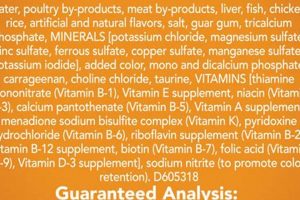
The composition of “wellness senior cat food” often reflects a commitment to utilizing whole food ingredients, such as named meat sources, whole grains, and identifiable fruits and vegetables. These components provide a diverse range of vitamins, minerals, and antioxidants, supporting immune function and combating age-related oxidative stress. The avoidance of artificial colors, flavors, and preservatives is also a hallmark of high-quality formulations, minimizing the risk of adverse reactions and maximizing nutritional benefits. For instance, a senior cat previously consuming a diet with artificial additives may experience reduced skin irritation and improved coat health upon transitioning to a “wellness senior cat food” formulated with natural ingredients. Furthermore, the transparency of ingredient sourcing and manufacturing processes enhances consumer trust and underscores the manufacturer’s commitment to quality assurance.
In summary, ingredient quality is not merely a marketing claim but a critical determinant of the nutritional value and efficacy of “wellness senior cat food.” By prioritizing whole food ingredients, minimizing artificial additives, and ensuring transparency in sourcing and manufacturing, high-quality formulations support optimal health outcomes for aging felines. Challenges remain in accurately assessing ingredient quality based solely on product labels, necessitating informed consumer choices and consultation with veterinary professionals. A commitment to ingredient quality is essential for delivering the intended benefits of a specialized senior diet and promoting overall well-being in aging cats.
Frequently Asked Questions
This section addresses common inquiries and concerns regarding nutritional options designed for senior felines.
Question 1: Is senior-specific nutrition truly necessary for older cats?
Senior-specific formulations are designed to address age-related physiological changes, such as decreased kidney function and reduced digestive efficiency. These diets offer adjusted nutrient profiles that can support overall health and mitigate the risks associated with aging.
Question 2: What are the key differences between senior and adult cat food?
Senior formulations typically feature reduced phosphorus levels to support kidney health, increased fiber content for digestive regularity, and added joint support ingredients. They may also have lower caloric density to prevent weight gain, given the decreased metabolic rate in older cats.
Question 3: How does “Wellness Senior Cat Food” address potential dental issues in older cats?
While specific dental benefits may vary by product, some senior formulations feature kibble textures designed to promote dental health by reducing plaque and tartar buildup. However, these products do not replace regular dental care, including professional cleanings.
Question 4: Can “Wellness Senior Cat Food” reverse existing health conditions in older cats?
While targeted nutrition can support the management of certain health conditions, it is not a substitute for veterinary medical treatment. Diets designed for senior cats can help mitigate the effects of age-related ailments but will not cure underlying diseases.
Question 5: How should a transition to “Wellness Senior Cat Food” be implemented?
Dietary changes should be gradual to minimize digestive upset. A transition over a period of 5-7 days is recommended, progressively increasing the proportion of the new food while decreasing the old food.
Question 6: Is “Wellness Senior Cat Food” appropriate for all senior cats, regardless of their health status?
While formulations provide general benefits for aging felines, individual nutritional needs may vary. A veterinarian should be consulted to determine the most appropriate dietary strategy based on the cat’s specific health conditions and requirements.
In summary, “Wellness Senior Cat Food” offers targeted nutritional support for aging felines but is not a panacea. Individualized recommendations from a veterinarian are crucial for optimal health management.
The following section will synthesize the discussed concepts and provide a comprehensive conclusion.
Conclusion
The preceding sections have explored the multifaceted aspects of “wellness senior cat food,” emphasizing its role in supporting the health and well-being of aging felines. Key considerations include renal support through controlled phosphorus levels, joint health maintenance via glucosamine and chondroitin, optimized protein digestibility for efficient nutrient absorption, strategic calorie control to manage weight and metabolic health, and the utilization of high-quality ingredients to ensure nutritional integrity. These interrelated factors underscore the importance of a holistic approach to senior feline nutrition.
The informed selection and implementation of specialized nutrition represent a crucial component of responsible pet ownership, influencing the longevity and quality of life for senior cats. Veterinary consultation remains paramount in tailoring dietary strategies to individual health needs. Continued research and advancements in feline nutrition will likely further refine dietary recommendations, enhancing the ability to address the evolving health challenges faced by aging cats.
![Easy Homemade Gravy Cat Food Recipe [DIY] | World’s Most Delicious Foods: Must-Try Dishes from Every Country](https://lisasfoods.com/wp-content/uploads/2026/04/th-168-300x200.jpg "Easy Homemade Gravy Cat Food Recipe [DIY] World’s Most Delicious Foods: Must-Try Dishes from Every Country")